
 한국어
한국어 English
 日本語
日本語 中文(简体)
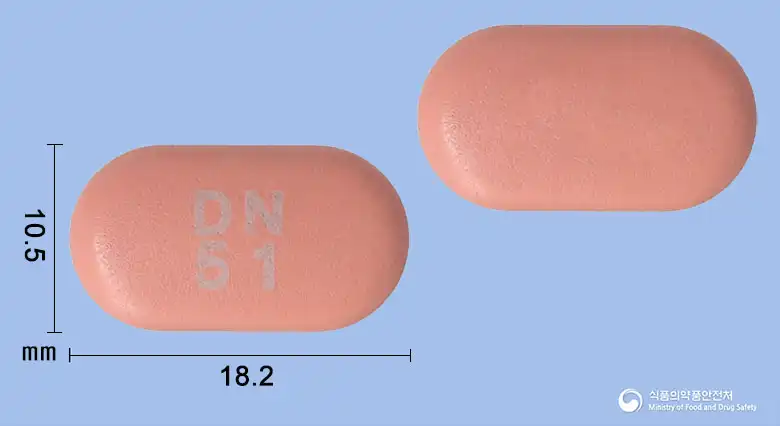 Viewing nowCombination
Sitafomin Alpha Tablets 50/1000 mg
Sitagliptin Hydrochloride Hydrate 56.7mg · Metformin Hydrochloride with Colloidal Anhydrous Silica 1010mg
Tablet · Prescription medication · Combination
Daehan New Pharm Co., Ltd.
MFDS item code 202200111 · Approved 2022.01.06 · Insurance code 669908230
Improvement of blood sugar control in type 2 diabetes
This medication is an adjunct used to help control blood sugar in patients with type 2 diabetes, alongside diet and exercise therapy. It is particularly effective in patients who have not previously received diabetes medication and find it difficult to control blood sugar with monotherapy. It can also be used when sufficient effect is not achieved with monotherapy of Metformin or Sitagliptin, or when replacing combinations of the two medications. If blood sugar control is difficult, it can be administered in combination with other treatments such as sulfonylureas, thiazolidinediones, or insulin. This helps improve blood sugar control when used with various treatment methods.
In anti-diabetic therapy, the dosage of this medication is determined based on the current therapeutic regimen, efficacy, and tolerability of each patient, without exceeding the maximum recommended daily doses of 100 mg of Sitagliptin and 2000 mg of Metformin. Generally, it is taken twice daily with food, and the dosage is gradually increased to reduce gastrointestinal adverse reactions caused by Metformin. 1. Patients not currently being treated with Metformin: For patients who have not previously received diabetes medication and find it difficult to achieve sufficient blood sugar control with monotherapy, or for those who cannot achieve sufficient blood sugar control with Sitagliptin monotherapy, the initial dosage is 50/500 mg taken twice a day, 1 tablet at a time, and may be adjusted to 50/1000 mg taken twice a day, 1 tablet at a time. Patients with renal impairment who are being reduced in dosage for Sitagliptin should not be switched to this medication (see precautions on the use and guidelines). 2. Patients currently being treated with Metformin: - The recommended initial dosage of this medication for patients who cannot achieve sufficient blood sugar control with Metformin monotherapy is Sitagliptin 50 mg twice a day (total daily amount of 100 mg) along with the existing dose of Metformin. - Patients switching to this medication from combination therapy of Sitagliptin and Metformin can start with their existing doses of Sitagliptin and Metformin. 3. In cases where sufficient blood sugar control cannot be achieved with combination therapy of Metformin and sulfonylureas, Metformin and insulin, or Metformin and thiazolidinediones: The initial dosage of this medication is Sitagliptin 50 mg twice a day (total daily amount of 100 mg), and the initial dose of Metformin should consider the patient's blood sugar level and existing dosage. To reduce gastrointestinal adverse reactions caused by Metformin, the dosage should be incrementally increased. If combined with sulfonylureas or insulin, dosage reduction of sulfonylureas or insulin may be considered to reduce the risk of hypoglycemia induced by sulfonylureas or insulin (see general precautions). Safety and efficacy of transitioning patients previously treated with other oral hypoglycemic agents to this medication has not been studied. Any change in the treatment regimen for type 2 diabetes can affect blood sugar control, thus careful monitoring is necessary. In patients with renal impairment, this medication may be used under the following dosage adjustments if they are in stage 3a moderate renal impairment (creatinine clearance [CrCl] ≥ 45 and < 60 mL/min or estimated glomerular filtration rate [eGFR] ≥ 45 and < 60 mL/min/1.73m2) without other conditions that may increase the risk of lactic acidosis. The starting dose of Metformin is 500 mg or 850 mg once a day; therefore, it should not be initiated with this medication. The maximum recommended dose of Metformin is 500 mg twice a day. Renal function should be closely monitored every 3-6 months. If CrCl < 45 mL/min or eGFR < 45 mL/min/1.73m2 indicates declining renal function, this medication should be discontinued immediately. Patients with liver impairment should not be treated with this medication due to the presence of Metformin (see precautions on the use and guidelines).
This medication contains Sitagliptin and Metformin as diabetes treatments and has several important precautions for use. First, there may be serious allergic reactions during the use of this medication, so if symptoms such as skin rash or breathing difficulties occur, you should immediately stop taking it and consult a doctor. Second, acute pancreatitis may occur, so if abdominal pain, nausea, or vomiting persists, seek medical attention immediately. Third, patients with impaired kidney function, dehydration, severe infections, or heart failure should not take this medication, and regular kidney function tests should be conducted before and during treatment. Fourth, it is safer for women who are pregnant or may become pregnant, as well as nursing mothers, not to use this medication. Fifth, hypoglycemia may occur while taking this medication, so caution is especially needed when taken with other blood sugar-lowering drugs, and immediate action should be taken if symptoms arise. Sixth, Metformin can rarely cause serious metabolic abnormality called lactic acidosis. If there is acute kidney impairment, dehydration, severe infection, or liver dysfunction, the medication should be discontinued, and symptoms such as muscle pain, breathing difficulty, or weakness require attention. Seventh, regular blood tests and kidney function tests should be conducted during treatment, and vitamin B12 deficiency may occur, so supplementation should be given if necessary. Finally, alcohol consumption may increase the risk of lactic acidosis, so you should avoid excessive drinking while taking this medication, and it may be necessary to stop taking it for a certain period before and after surgery. By adhering to these precautions and following your doctor's instructions, one can safely benefit from the therapeutic effects of this medication.
Rash, severe swelling (angioedema), anaphylaxis, severe allergic reaction, Stevens-Johnson syndrome, exfoliative skin disease, severe rash with high fever, blisters, skin peeling, pain in mouth/eyes mucosa, acute pancreatitis, difficulty breathing, respiratory distress, asthma attack, liver dysfunction (including jaundice symptoms), acute renal failure, severe swelling and urination abnormalities, severe headache, seizures, confusion, vision disturbances, paralysis, severe and
Not everyone experiences these, and they can vary from person to person.
Store this medication in a tightly closed container to prevent exposure to air and moisture, and it is recommended to keep it at room temperature between 1 and 30 degrees Celsius.
Pink oval film-coated tablets
30 tablets/box [10 tablets/PTP x 3]
Even with the same ingredient, strength, dosage form and how it is taken can differ.
Viewing nowCombinationSitagliptin Hydrochloride Hydrate 56.7mg · Metformin Hydrochloride with Colloidal Anhydrous Silica 1010mg
Tablet · Prescription medication · Combination
Daehan New Pharm Co., Ltd.
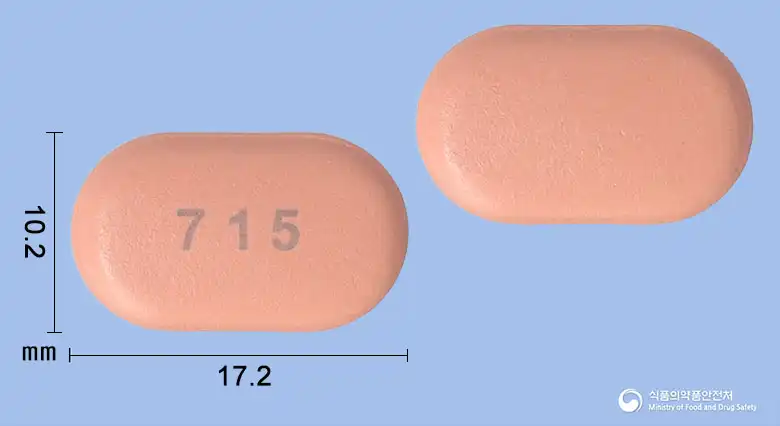 Combination
Sitagliptin Hydrochloride Hydrate 56.7mg · Metformin Hydrochloride with Colloidal Anhydrous Silica 858.5mg
Tablet · Prescription medication · Combination
Daewon Pharmaceutical Co., Ltd.
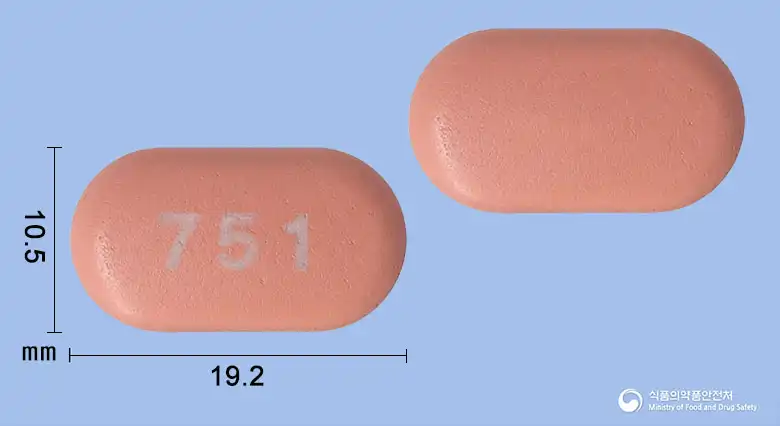 Combination
Sitagliptin Hydrochloride Hydrate 56.7mg · Metformin Hydrochloride with Colloidal Anhydrous Silica 1010mg
Tablet · Prescription medication · Combination
Daewon Pharmaceutical Co., Ltd.
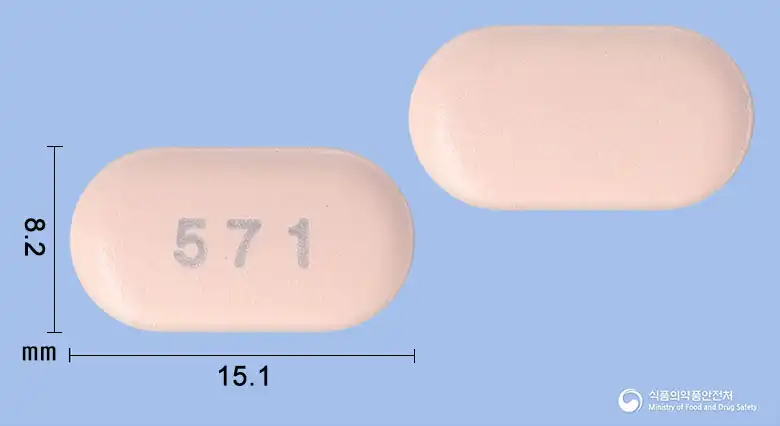 Combination
Sitagliptin Hydrochloride Hydrate 56.7mg · Metformin Hydrochloride with Colloidal Anhydrous Silica 505mg
Tablet · Prescription medication · Combination
Daewon Pharmaceutical Co., Ltd.
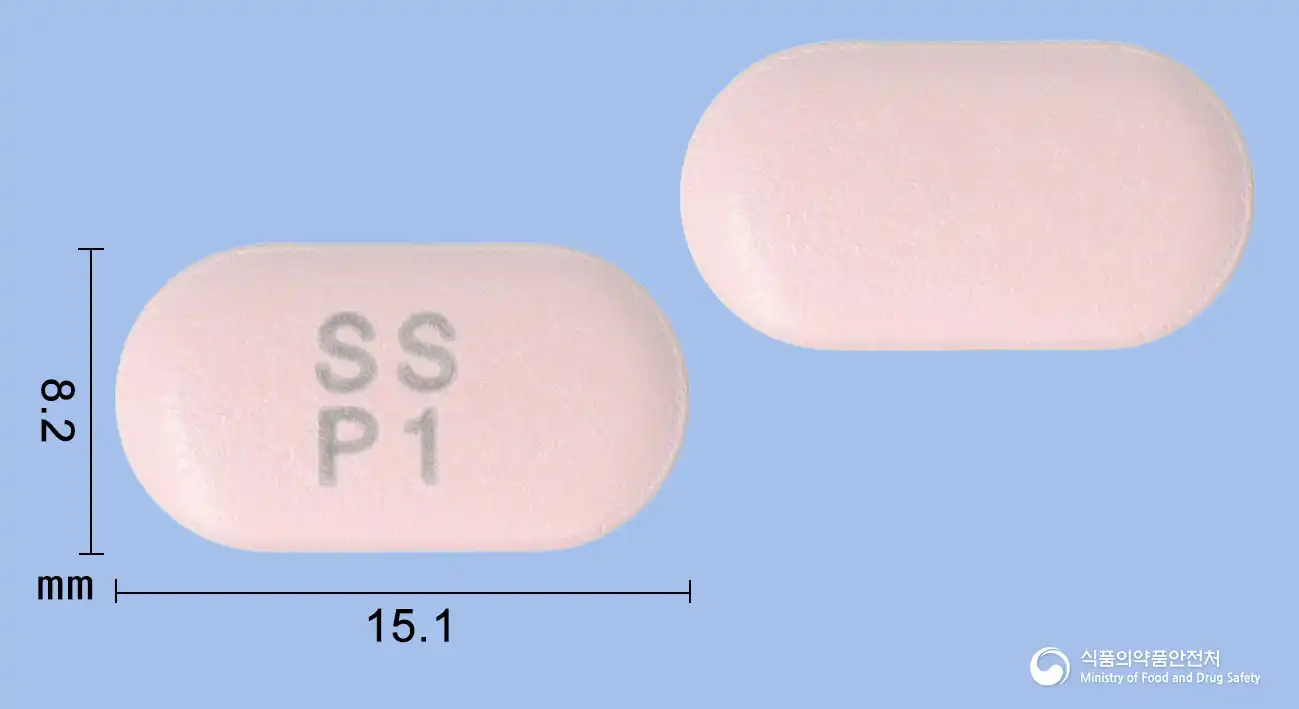 Combination
Sitagliptin Hydrochloride Hydrate 56.7mg · Metformin Hydrochloride with Colloidal Anhydrous Silica 505mg
Tablet · Prescription medication · Combination
Samsung Pharmaceutical Co., Ltd.
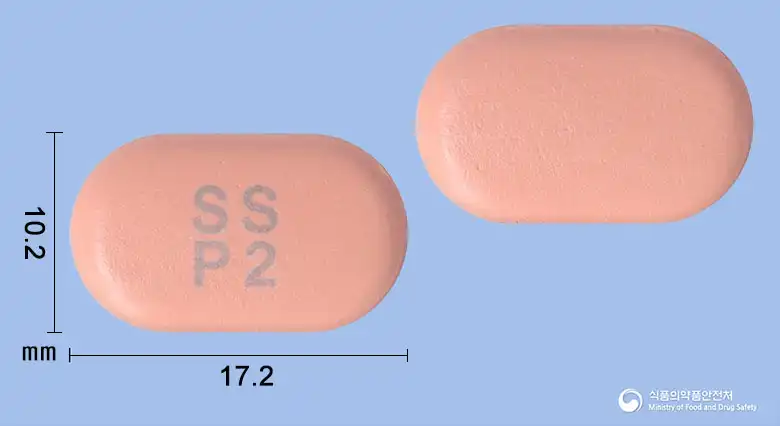 Combination
Sitagliptin Hydrochloride Hydrate 56.7mg · Metformin Hydrochloride with Colloidal Anhydrous Silica 858.5mg
Tablet · Prescription medication · Combination
Samsung Pharmaceutical Co., Ltd.
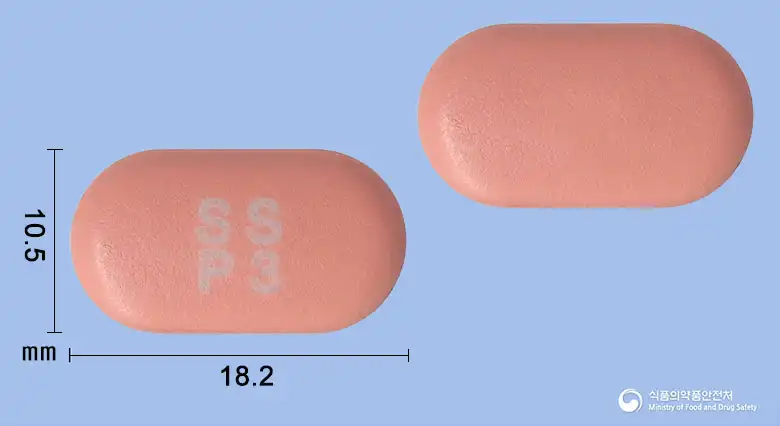 Combination
Sitagliptin Hydrochloride Hydrate 56.7mg · Metformin Hydrochloride with Colloidal Anhydrous Silica 1010mg
Tablet · Prescription medication · Combination
Samsung Pharmaceutical Co., Ltd.
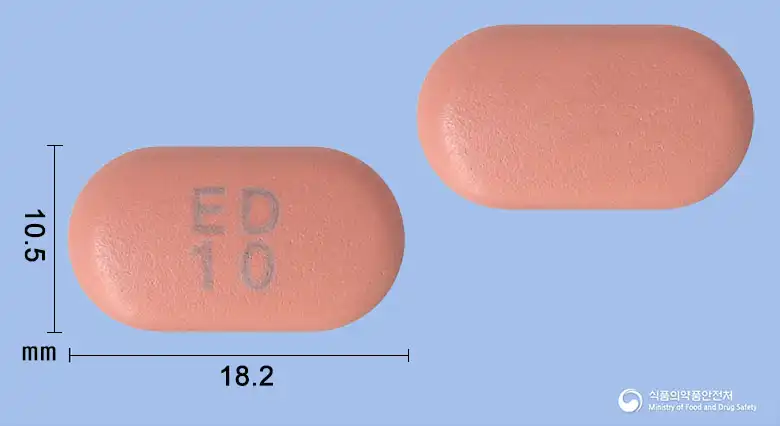 Combination
Sitagliptin Hydrochloride Hydrate 56.7mg · Metformin Hydrochloride with Colloidal Anhydrous Silica 1010mg
Tablet · Prescription medication · Combination
Eden Pharma Co., Ltd.
Even with the same ingredient, the dose and directions can differ by strength and dosage form. Talk to a doctor or pharmacist before switching from a medication you are already taking.
No questions yet.
For anything that needs medical judgment, consult a doctor or pharmacist.
This drug information is based on data provided by the Korea Ministry of Food and Drug Safety.
Consult a doctor or pharmacist for accurate dosage, administration, and usage instructions.