
 한국어
한국어 English
 日本語
日本語 中文(简体)
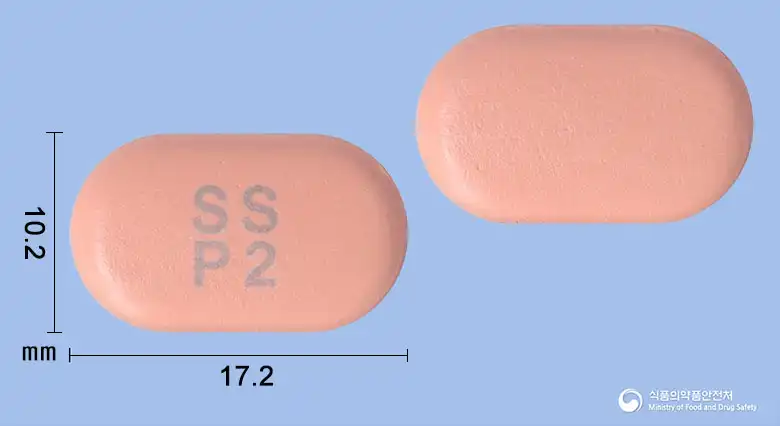 Viewing nowCombination
Samsitaplus Tablet 50/850 mg
Sitagliptin Hydrochloride Hydrate 56.7mg · Metformin Hydrochloride with Colloidal Anhydrous Silica 858.5mg
Tablet · Prescription medication · Combination
Samsung Pharmaceutical Co., Ltd.
MFDS item code 202108202 · Approved 2021.12.30 · Insurance code 642308590
Improvement of blood sugar control in type 2 diabetes
This medication is an adjunct to diet and exercise to improve glycemic control in patients with type 2 diabetes. It is used when patients who have not previously received diabetes medication find it difficult to control their blood sugar with monotherapy. Additionally, this medication is prescribed when there is insufficient glycemic control with monotherapy of metformin or sitagliptin, or to replace the combination therapy of the two drugs. It can also be administered in combination with sulfonylurea, thiazolidinedione, or insulin when glycemic control remains difficult with the combination of metformin and those agents. It serves as an effective therapeutic agent to assist in the management of patients' blood sugar in various circumstances.
This medication is generally taken orally twice daily with food, and the dosage is gradually increased to minimize gastrointestinal side effects from metformin. 1. Patients currently not treated with metformin: Take this medication 50/500 mg twice daily, 1 tablet at a time, and may increase to 50/1000 mg twice daily, 1 tablet at a time. 2. Patients currently receiving treatment with metformin
This medication is used in the treatment of diabetes and contains sitagliptin and metformin. When taking this medication, severe allergic reactions may occur, so if symptoms such as skin rash or difficulty in breathing appear, stop taking it immediately and consult a doctor. Additionally, symptoms of acute pancreatitis may occur, so if abdominal pain, nausea, or vomiting occurs, inform the healthcare provider immediately. This medication should not be administered to patients with severely impaired kidney function, severe infections or dehydration, acute heart failure, or women who are pregnant or breastfeeding. Particularly, this medication should be discontinued before tests using iodine contrast agents, and should not be resumed until kidney function is confirmed to be normal after the test. This medication may cause hypoglycemia, so caution is advised when meal intake is irregular or physical activity drastically increases. The risk of hypoglycemia may increase when taken with insulin or sulfonylureas. During treatment, regular monitoring of kidney function and blood tests should be conducted for any abnormalities, and vitamin B12 levels may decrease, so supplementation may be necessary if required. Alcohol may increase the risk of side effects related to this medication, so it is advisable to avoid drinking alcohol during treatment. In case of surgery or severe trauma, this medication should be temporarily discontinued, and it can be resumed after confirming that the patient is capable of oral intake and their kidney function is normal. This medication poses a higher risk of kidney function decline in elderly patients, thus dose adjustments and regular monitoring are necessary. In the event of an overdose, notify healthcare personnel immediately, and treatment such as hemodialysis may be necessary. Any abnormal symptoms or discomfort during treatment should be discussed with a doctor or pharmacist.
Hives, severe angioedema, anaphylaxis, Stevens-Johnson syndrome, exfoliative skin disease, severe rash with fever, blisters, skin peeling, pain in oral/ocular mucous membranes, difficulty breathing, asthma attacks, jaundice, liver dysfunction, acute pancreatitis, acute kidney failure, severe edema, severe neurological symptoms (severe headache, confusion, seizures, visual disturbances, paralysis), severe arthralgia, bullous pemphigoid, thrombocytopenia, acute
Not everyone experiences these, and they can vary from person to person.
Store this medication in a tightly closed container, protecting it from air, and keep it at room temperature between 1 to 30 degrees Celsius. This helps maintain the effectiveness of the medication for a longer duration.
Pink oval film-coated tablet
30 tablets/box [(10 tablets/PTP×3)]
Even with the same ingredient, strength, dosage form and how it is taken can differ.
Viewing nowCombinationSitagliptin Hydrochloride Hydrate 56.7mg · Metformin Hydrochloride with Colloidal Anhydrous Silica 858.5mg
Tablet · Prescription medication · Combination
Samsung Pharmaceutical Co., Ltd.
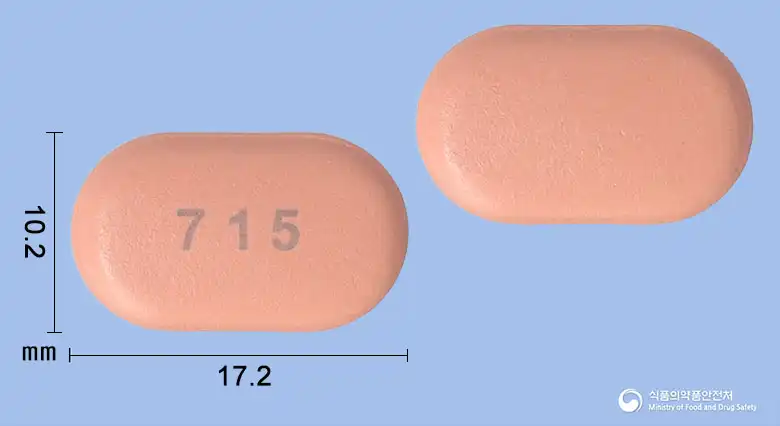 Combination
Sitagliptin Hydrochloride Hydrate 56.7mg · Metformin Hydrochloride with Colloidal Anhydrous Silica 858.5mg
Tablet · Prescription medication · Combination
Daewon Pharmaceutical Co., Ltd.
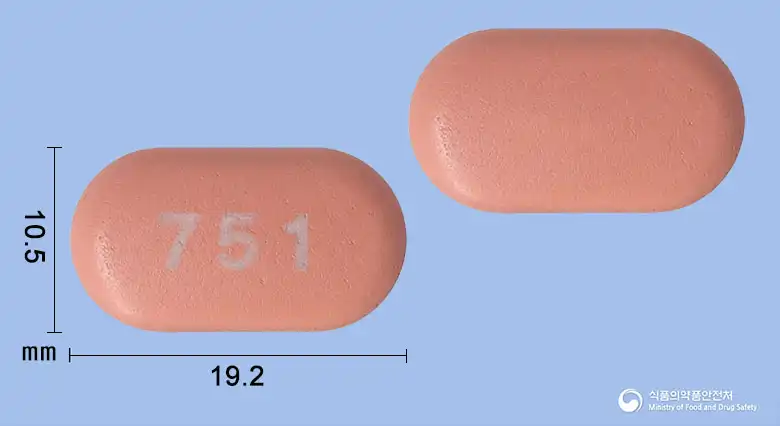 Combination
Sitagliptin Hydrochloride Hydrate 56.7mg · Metformin Hydrochloride with Colloidal Anhydrous Silica 1010mg
Tablet · Prescription medication · Combination
Daewon Pharmaceutical Co., Ltd.
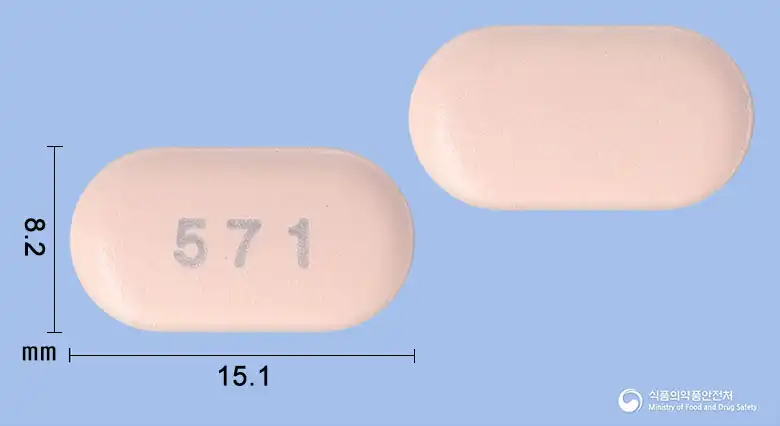 Combination
Sitagliptin Hydrochloride Hydrate 56.7mg · Metformin Hydrochloride with Colloidal Anhydrous Silica 505mg
Tablet · Prescription medication · Combination
Daewon Pharmaceutical Co., Ltd.
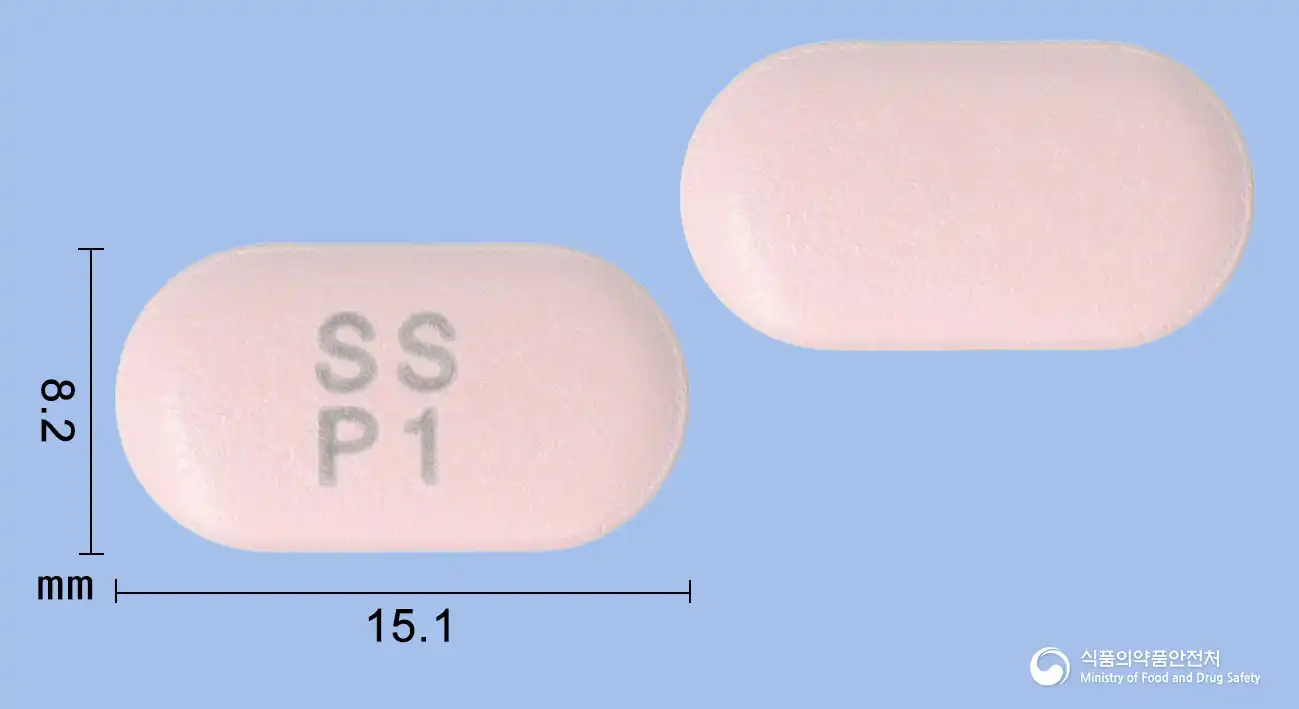 Combination
Sitagliptin Hydrochloride Hydrate 56.7mg · Metformin Hydrochloride with Colloidal Anhydrous Silica 505mg
Tablet · Prescription medication · Combination
Samsung Pharmaceutical Co., Ltd.
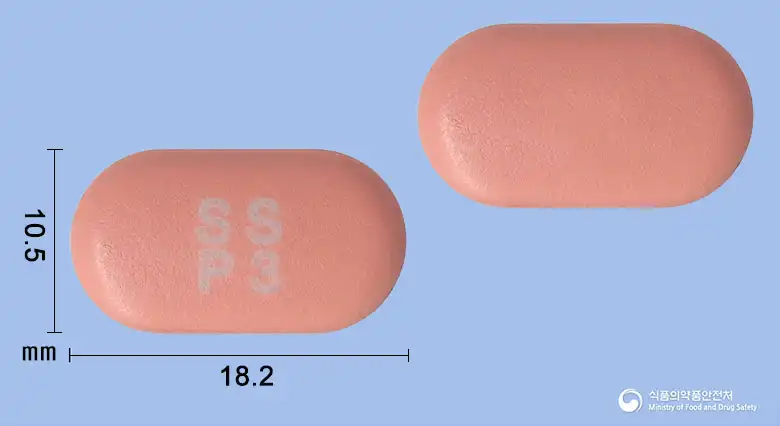 Combination
Sitagliptin Hydrochloride Hydrate 56.7mg · Metformin Hydrochloride with Colloidal Anhydrous Silica 1010mg
Tablet · Prescription medication · Combination
Samsung Pharmaceutical Co., Ltd.
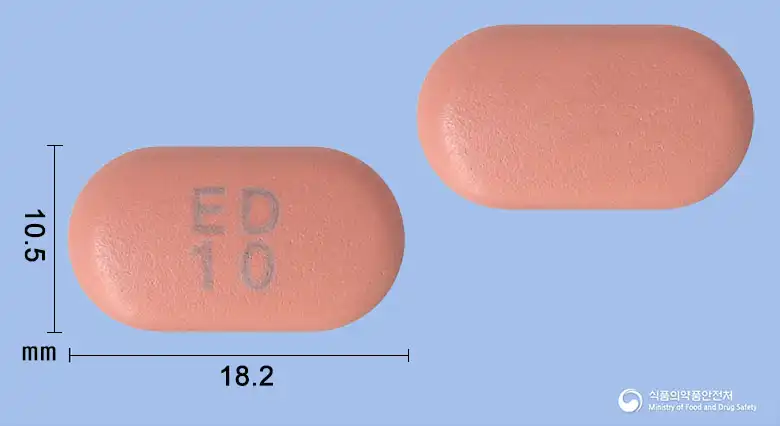 Combination
Sitagliptin Hydrochloride Hydrate 56.7mg · Metformin Hydrochloride with Colloidal Anhydrous Silica 1010mg
Tablet · Prescription medication · Combination
Eden Pharma Co., Ltd.
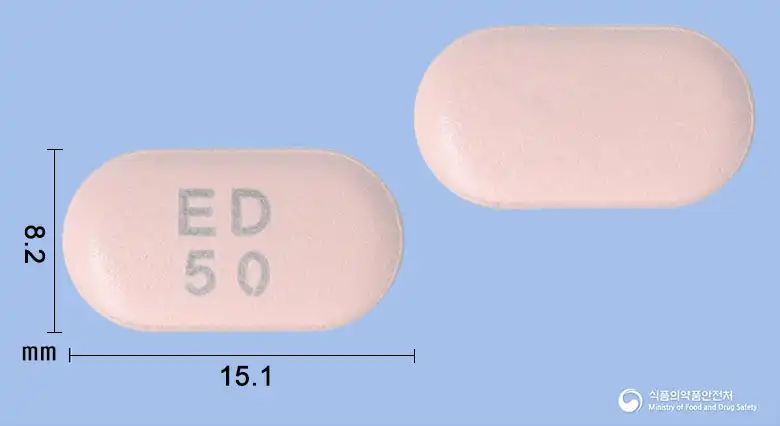 Combination
Sitagliptin Hydrochloride Hydrate 56.7mg · Metformin Hydrochloride with Colloidal Anhydrous Silica 505mg
Tablet · Prescription medication · Combination
Eden Pharma Co., Ltd.
Even with the same ingredient, the dose and directions can differ by strength and dosage form. Talk to a doctor or pharmacist before switching from a medication you are already taking.
No questions yet.
For anything that needs medical judgment, consult a doctor or pharmacist.
This drug information is based on data provided by the Korea Ministry of Food and Drug Safety.
Consult a doctor or pharmacist for accurate dosage, administration, and usage instructions.