
 한국어
 English
 日本語
 中文(简体)
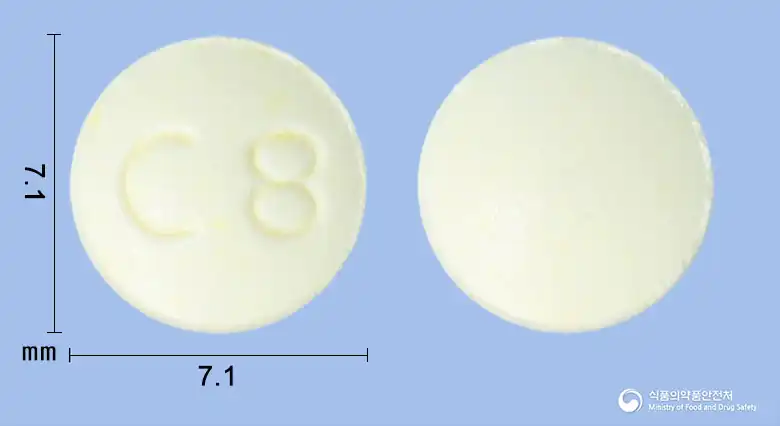 Viewing now
Azelfin Tablet 8 mg (Azelnidipine)
Azelnidipine 8mg
Tablet · Prescription medication
Medica Korea Co., Ltd.
MFDS item code 202108129 · Approved 2021.12.28 · Insurance code 646005470
Treatment of hypertension
This medication is used in the treatment of high blood pressure. Hypertension refers to a condition where blood pressure is persistently high, and if not managed, can lead to serious complications such as heart disease or stroke. This medicine effectively lowers blood pressure and helps maintain cardiovascular health.
Adults: Administer azelnidipine 8mg or 16mg orally once daily after breakfast. Start with 8mg per dose and adjust the dose as appropriate according to symptoms. Take a maximum of 16mg per day.
This medication should not be used in women who are pregnant or may become pregnant. Patients who have had allergic reactions to the components of this medication should also avoid taking it. Taking this medication in conjunction with certain antifungal agents or HIV treatments may lead to increased effects or worsened side effects due to drug interactions and should be avoided. This medication should be used cautiously in patients with severely impaired kidney function or severely compromised liver function. In particular, patients with poor kidney function may face a risk of further deterioration due to excessively low blood pressure. Elderly patients should also start with a lower dose and be gradually titrated to avoid excessive blood pressure reduction. During treatment with this medication, serious side effects such as liver dysfunction, jaundice, and irregular heartbeats may occur, so any symptoms that arise should be reported to healthcare professionals immediately. Additionally, various side effects including dizziness, drowsiness, skin rash, dyspepsia, and edema may occur, so careful observation is necessary. Due to the blood pressure-lowering effect, suddenly stopping the medication may worsen symptoms, therefore the dose should be gradually reduced under the guidance of a physician. If blood pressure becomes too low, it may be necessary to reduce the dosage or temporarily discontinue the medication. This drug is metabolized in the liver, which may cause interactions when taken with other medications. Special caution is needed if taken with certain antibiotics, antifungals, antivirals, heart medications, sedatives, or grapefruit juice, as they can alter the blood concentration of this drug. Both pregnant and breastfeeding women should be cautious when taking this medication, and for breastfeeding women, the decision to continue nursing should be made considering the benefits and risks of treatment. There have been no pediatric clinical trials, so it should be administered to children cautiously. When taking the medication, it should be removed from the PTP packaging, and care should be taken not to swallow the packaging sheet. Also, it should be stored out of reach of children and kept in a dark place after opening to prevent discoloration due to exposure to light.
Not everyone experiences these, and they can vary from person to person.
This medication may be sensitive to moisture and light, so it should be stored in a light-resistant, sealed container with silica gel. The storage temperature should be maintained between 1 to 30 degrees Celsius at room temperature. This will help keep the medication effective for a longer period.
Yellow round tablets
PTP packaging - 30 tablets/PTP [10 tablets/PTP×3], bottle packaging - 30 tablets/bottle
Even with the same ingredient, strength, dosage form and how it is taken can differ.
Viewing nowAzelnidipine 8mg
Tablet · Prescription medication
Medica Korea Co., Ltd.
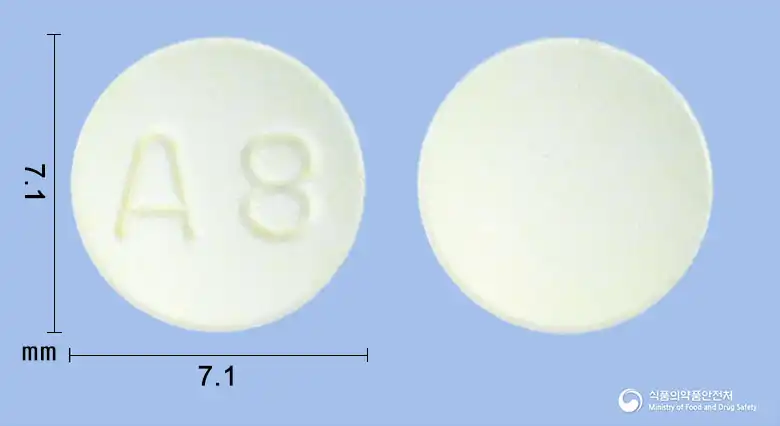
Azelnidipine 8mg
Tablet · Prescription medication
Intro Bio Pharma Co., Ltd.
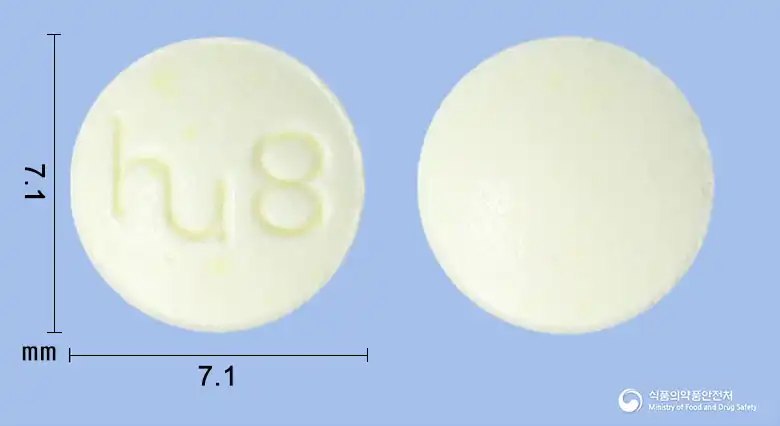
Azelnidipine 8mg
Tablet · Prescription medication
Huons Co., Ltd.
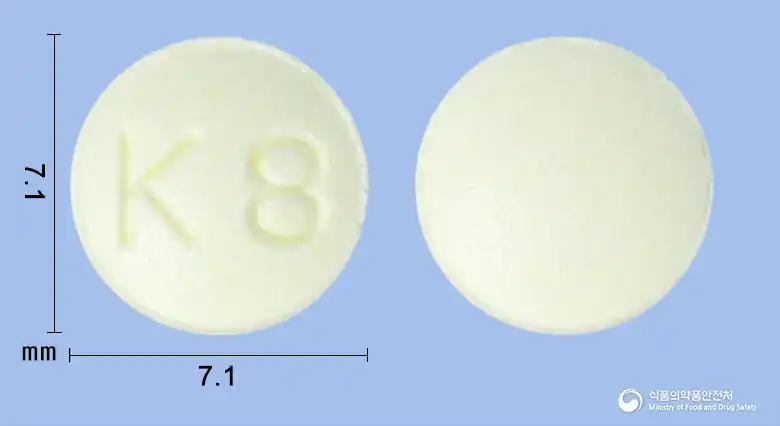
Azelnidipine 8mg
Tablet · Prescription medication
Korea Pharma Co., Ltd.
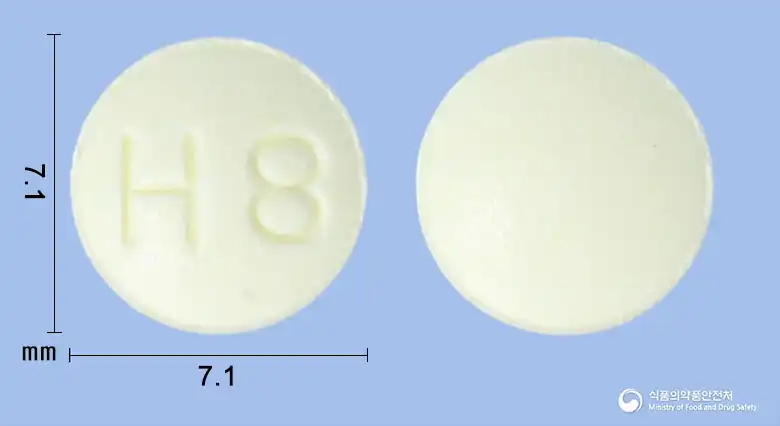
Azelnidipine 8mg
Tablet · Prescription medication
Korea Hutech Pharmaceutical Co., Ltd.
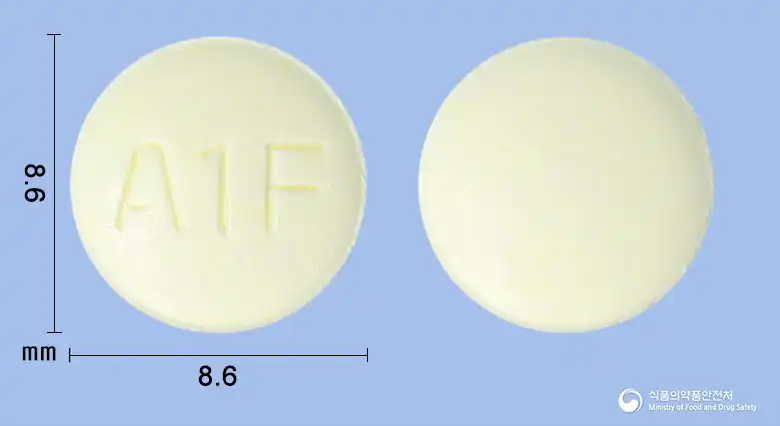
Azelnidipine 16mg
Tablet · Prescription medication
Introva Biopharma Co., Ltd.
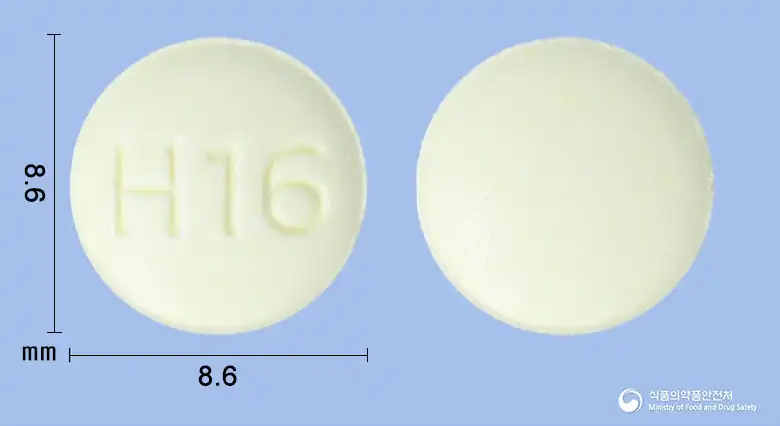
Azelnidipine 16mg
Tablet · Prescription medication
Hanmi Pharmaceutical Co., Ltd.
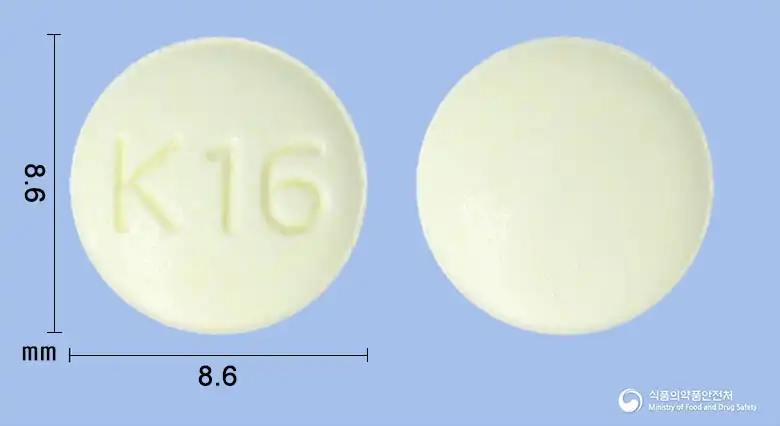
Azelnidipine 16mg
Tablet · Prescription medication
Korea Pharma Co., Ltd.
Even with the same ingredient, the dose and directions can differ by strength and dosage form. Talk to a doctor or pharmacist before switching from a medication you are already taking.
No questions yet.
For anything that needs medical judgment, consult a doctor or pharmacist.
This drug information is based on data provided by the Korea Ministry of Food and Drug Safety.
Consult a doctor or pharmacist for accurate dosage, administration, and usage instructions.