
 한국어
 English
 日本語
 中文(简体)
 Viewing now
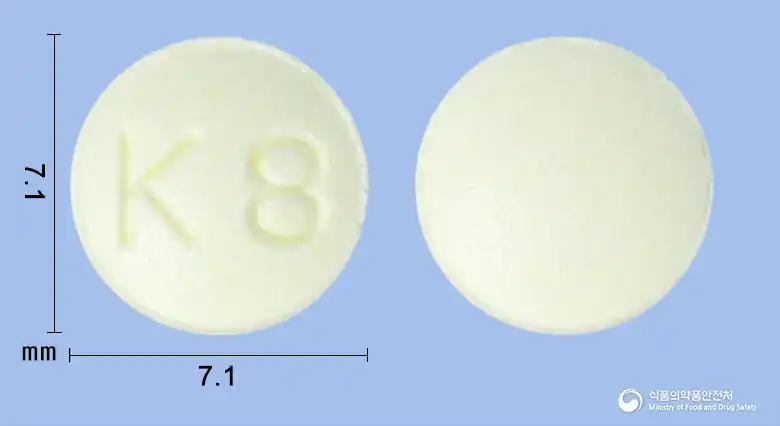
Azeria 8mg Tablet (Azelnidipine)
Azelnidipine 8mg
Tablet · Prescription medication
Korea Pharma Co., Ltd.
MFDS item code 202108119 · Approved 2021.12.28 · Insurance code 653006840
Treatment of hypertension
This medication is used for hypertension, specifically when blood pressure is elevated.
Adults: Administer azelnidipine 8mg or 16mg orally once daily after breakfast. Start with 8mg per dose and adjust the dose as appropriate according to symptoms. Take a maximum of 16mg per day.
This medication should not be used by pregnant women or women who may become pregnant. Individuals with allergies to any ingredient of this medication should not take it. Patients who are taking azole antifungals or HIV protease inhibitors should not use this medication in conjunction with them. Patients with severely impaired kidney function should use this medication cautiously, as blood pressure lowering may further worsen kidney function. There have been no clinical trials on patients with severely impaired liver function, so caution is necessary. Severe side effects such as liver dysfunction, jaundice, abnormal heart rhythms (atrioventricular block, cardiac arrest, bradycardia) may occur when taking this medication; if symptoms appear, consult a doctor immediately. Various side effects such as itching, rashes, angioedema, headache, dizziness, drowsiness, indigestion, constipation, stomatitis may occur; monitor for abnormal symptoms closely. This medication may lower blood pressure suddenly, so dosage should be reduced gradually as per doctor’s instructions when stopping; abrupt discontinuation risks worsening of symptoms. If blood pressure drops too low, dosage may need adjustment or discontinuation, so inform healthcare providers of any abnormal symptoms. When experiencing dizziness or lightheadedness, it is safer to avoid working at heights, driving, or operating dangerous machinery. This medication is primarily metabolized in the liver, and interactions may occur when taken with certain medications. Especially with azole antifungals, HIV treatments, some antibiotics, simvastatin, digoxin, and others, either increasing or decreasing the effects of other drugs, so it is essential to inform the doctor of any medications being taken. Grapefruit juice may increase the drug concentration in the blood, raising the risk of side effects; therefore, it is advisable not to drink grapefruit juice while on this medication. Pregnant women should avoid this medication as it may harm the fetus, and nursing mothers should consult their doctor to determine whether to continue breastfeeding. The safety of this medication in pediatric patients has not been established, and it should not be used in children as a rule. Elderly patients should start with a lower dosage to prevent blood pressure from dropping too low and should be administered cautiously. Patients undergoing peritoneal dialysis may experience turbidity in the dialysis solution, so differentiation is necessary. Caution is needed when taking out packaged tablets, and swallowing the packaging incorrectly can cause serious side effects such as esophageal injury. When storing, keep away from children's reach, and do not transfer to another container. Also, as discolouration may occur due to light, it is preferable to store it in a dark place after opening.
Not everyone experiences these, and they can vary from person to person.
This medication should be stored in an airtight container with silica gel to block light. It should be stored at room temperature, specifically between 1 and 30 degrees Celsius. This will help maintain the drug's efficacy and safety.
Yellow round tablet
30 tablets/PTP [10 tablets/PTP*3], 30 tablets/bottle
Even with the same ingredient, strength, dosage form and how it is taken can differ.
Viewing nowAzelnidipine 8mg
Tablet · Prescription medication
Korea Pharma Co., Ltd.
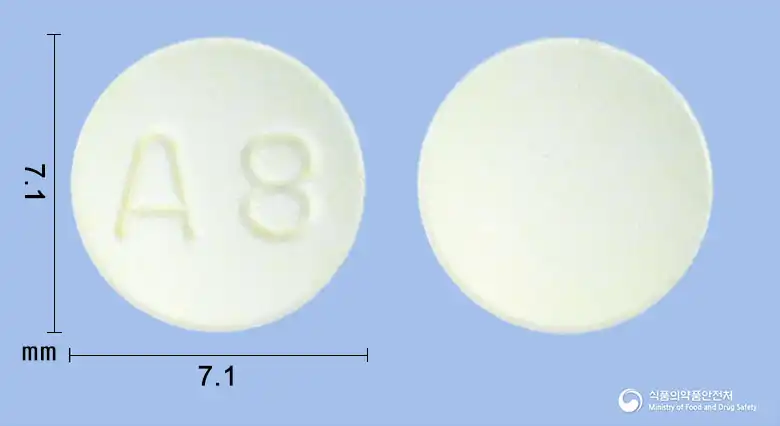
Azelnidipine 8mg
Tablet · Prescription medication
Intro Bio Pharma Co., Ltd.
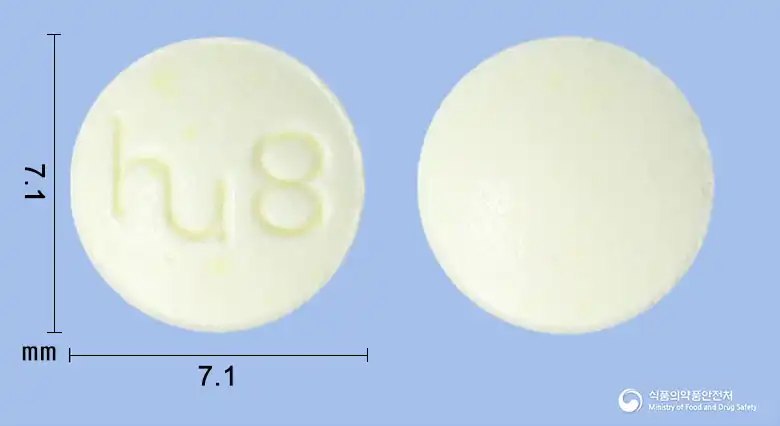
Azelnidipine 8mg
Tablet · Prescription medication
Huons Co., Ltd.
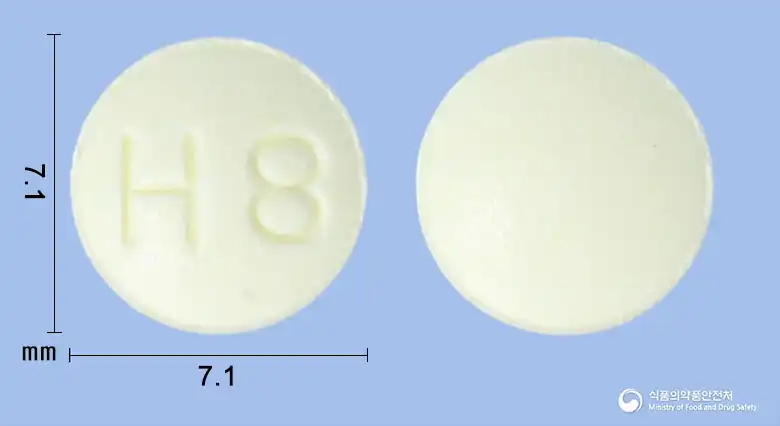
Azelnidipine 8mg
Tablet · Prescription medication
Korea Hutech Pharmaceutical Co., Ltd.
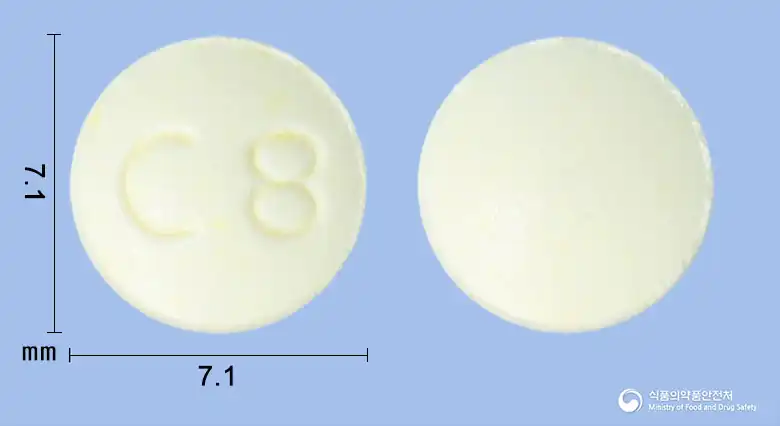
Azelnidipine 8mg
Tablet · Prescription medication
Medica Korea Co., Ltd.
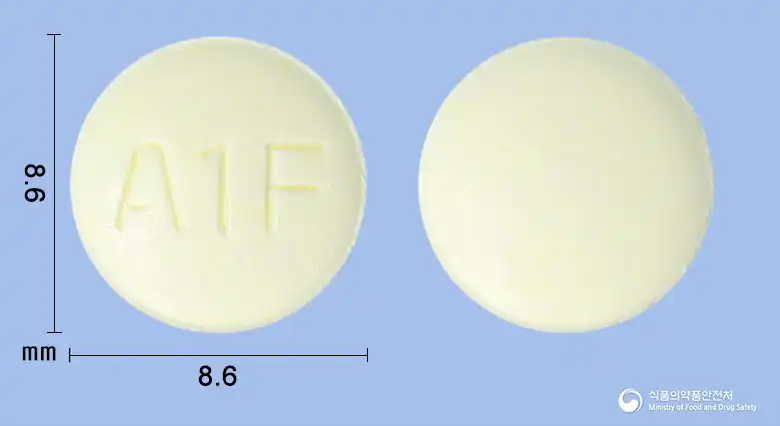
Azelnidipine 16mg
Tablet · Prescription medication
Introva Biopharma Co., Ltd.
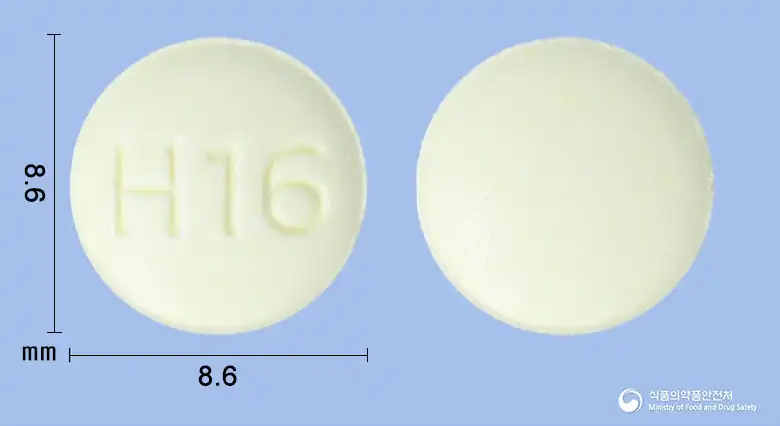
Azelnidipine 16mg
Tablet · Prescription medication
Hanmi Pharmaceutical Co., Ltd.
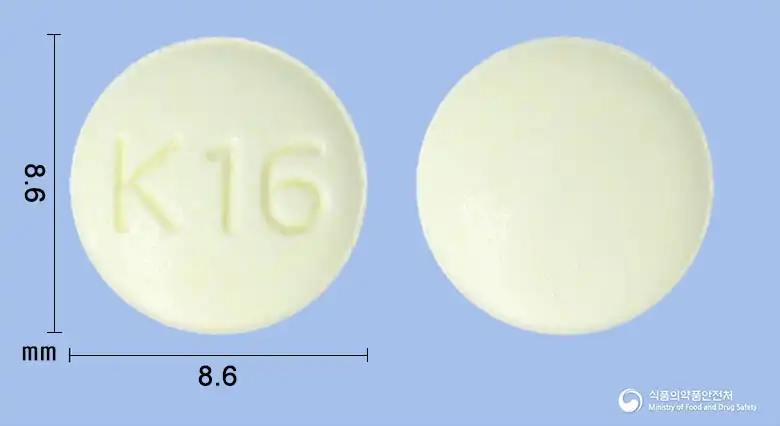
Azelnidipine 16mg
Tablet · Prescription medication
Korea Pharma Co., Ltd.
Even with the same ingredient, the dose and directions can differ by strength and dosage form. Talk to a doctor or pharmacist before switching from a medication you are already taking.
No questions yet.
For anything that needs medical judgment, consult a doctor or pharmacist.
This drug information is based on data provided by the Korea Ministry of Food and Drug Safety.
Consult a doctor or pharmacist for accurate dosage, administration, and usage instructions.