
 한국어
 English
 日本語
 中文(简体)
 Viewing nowCombination
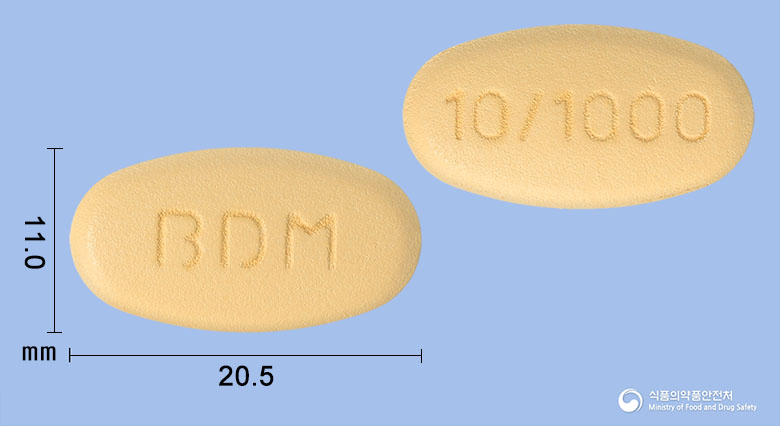
TruDapa PM Extended-Release Tablet 10/1000 mg (Dapagliflozin, Metformin)
Dapagliflozin Bis L-proline 15.63mg · Metformin Hydrochloride 1000mg
Tablet · Prescription medication · Combination
Boryung Pharmaceutical Co., Ltd.
MFDS item code 202108080 · Approved 2021.12.23 · Insurance code 641908060
Improvement of glycemic control in adults with type 2 diabetes mellitus
This medication helps improve blood glucose control in adult patients with type 2 diabetes through the combination of dapagliflozin and metformin. It is used as an adjunct to diet and exercise in patients whose blood glucose is not adequately controlled. For patients with cardiovascular disease or risk factors, it is important to refer to expert information regarding the effects of dapagliflozin on the occurrence of cardiovascular events. This medication improves glycemic control in patients with type 2 diabetes.
The dose of this medicine should be individualized based on the patient's current treatment regimen, efficacy, and tolerability, without exceeding the maximum recommended doses of dapagliflozin 10mg and extended-release metformin 2000mg. This medicine is generally administered once daily with the evening meal. The maximum dose of this medicine is dapagliflozin 10mg/extended-release metformin 2000mg once daily, administered as two 5mg/1000mg tablets. Patients with no prior history of antidiabetic drug therapy who have difficulty achieving adequate glycemic control with monotherapy: When used as initial therapy in patients with no prior history of antidiabetic drug therapy, the recommended starting dose of this medicine is one 5mg/500mg or 10mg/500mg tablet once daily. Titrate the dose gradually to reduce gastrointestinal adverse reactions to metformin. For patients receiving metformin, the recommended dose of dapagliflozin is 10mg once daily, and the dose of this medicine should provide the dose of metformin the patient was taking or an appropriately adjusted dose therapeutically close to it. When switching from immediate-release to extended-release metformin, glycemic control should be closely monitored and the dose adjusted appropriately. For patients switching from combination therapy with dapagliflozin and metformin to this medicine, treatment with this medicine may be initiated at the doses of dapagliflozin and metformin previously administered. When switching from immediate-release to extended-release metformin, glycemic control should be closely monitored and the dose adjusted appropriately. When this medicine is used concomitantly with insulin or an insulin secretagogue, such as a sulfonylurea, a lower dose of insulin or the insulin secretagogue may be considered to reduce the risk of hypoglycemia. Renal impairment No dose adjustment is required in patients with mild renal impairment. For patients with an estimated glomerular filtration rate (eGFR) of 45 mL/min/1.73 m2 or higher and less than 60 mL/min/1.73 m2 who do not have other symptoms that may increase the risk of lactic acidosis, the starting dose of metformin hydrochloride, an ingredient in this medicine, is 500mg once daily, and the maximum daily dose is 1000mg. Administration of this medicine is not recommended in patients with an eGFR below 45 mL/min/1.73m2. If the estimated glomerular filtration rate (eGFR) falls below 45 mL/min/1.73m2, administration of this medicine should be discontinued immediately. Renal function should be assessed every 3~6 months. Older adults Because metformin is excreted by the kidneys and renal function is more likely to decline in older adults, this medicine should be used with caution as age increases (see Precautions for Use, 9. Administration to Older Adults).
This medication is used to treat diabetes and contains two components. Firstly, this medication helps lower blood glucose by blocking the reabsorption of glucose in the kidneys, allowing for glucose to be excreted in urine. Additionally, it helps with blood glucose control by reducing glucose production in the liver and absorption in the intestines. However, there are several precautions to consider when taking this medication. This medication can rarely cause a serious condition known as lactic acidosis, so individuals with impaired kidney function or heart and liver disease should be particularly cautious. Moreover, when taken with insulin or other diabetes medications, hypoglycemia may occur, so it is important to monitor blood glucose levels closely. Patients with moderate to severe renal impairment, dehydration, serious infection, heart attack, shock, etc. should not take this medication. This medication should also be temporarily halted before and after dialysis imaging tests using contrast agents, and it is advisable to stop taking it for a period before and after surgery. Women who are pregnant or breastfeeding, as well as individuals with certain genetic metabolic disorders, should not use this medication. During treatment, genital infections and urinary tract infections may occur, so any signs of infection should be reported to healthcare providers immediately. This medication can cause dehydration or hypotension, so regular checks of fluid status and blood pressure are necessary, especially for the elderly or those taking diuretics. Long-term use may lower vitamin B12 levels, so blood tests may be needed to check and supplement if necessary. Excessive alcohol consumption can increase the risk of adverse effects from this medication, so it should be avoided. In case of overdose, the patient should seek medical attention immediately for appropriate treatment. Finally, the safety and efficacy of this medication have not been established in children, and elderly patients should have their kidney function evaluated to adjust the dosage appropriately. During the course of treatment, it is critical to regularly monitor renal function and blood glucose status following the physician's guidance.
Not everyone experiences these, and they can vary from person to person.
This medication is sensitive to air and moisture, so it should be stored in a tightly sealed container. It is advisable to maintain storage temperatures between 1 degree and 30 degrees Celsius. This way, the effectiveness of the medication can be preserved for a longer duration and used safely.
Yellow to deep yellow, double convex oval-shaped film-coated tablets
30 tablets/box [(6 tablets (Alu-Alu) × 5)], 30 tablets/bottle
Even with the same ingredient, strength, dosage form and how it is taken can differ.
Viewing nowCombinationDapagliflozin Bis L-proline 15.63mg · Metformin Hydrochloride 1000mg
Tablet · Prescription medication · Combination
Boryung Pharmaceutical Co., Ltd.
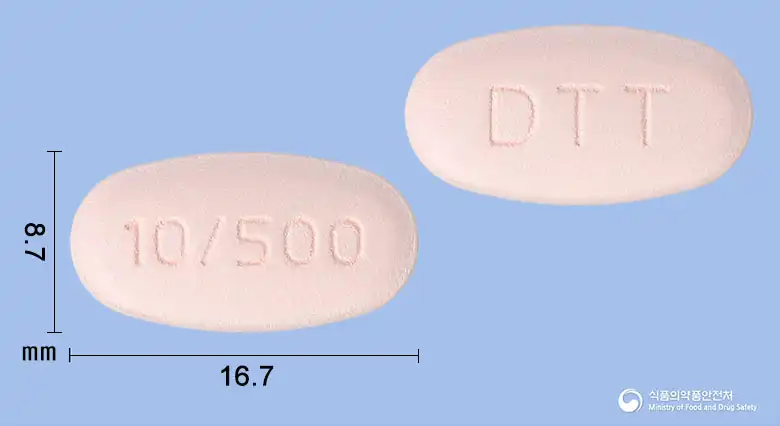 Combination
Dapagliflozin Bis L-proline 15.63mg · Metformin Hydrochloride 500mg
Tablet · Prescription medication · Combination
Kyungdong Pharmaceutical Co., Ltd.
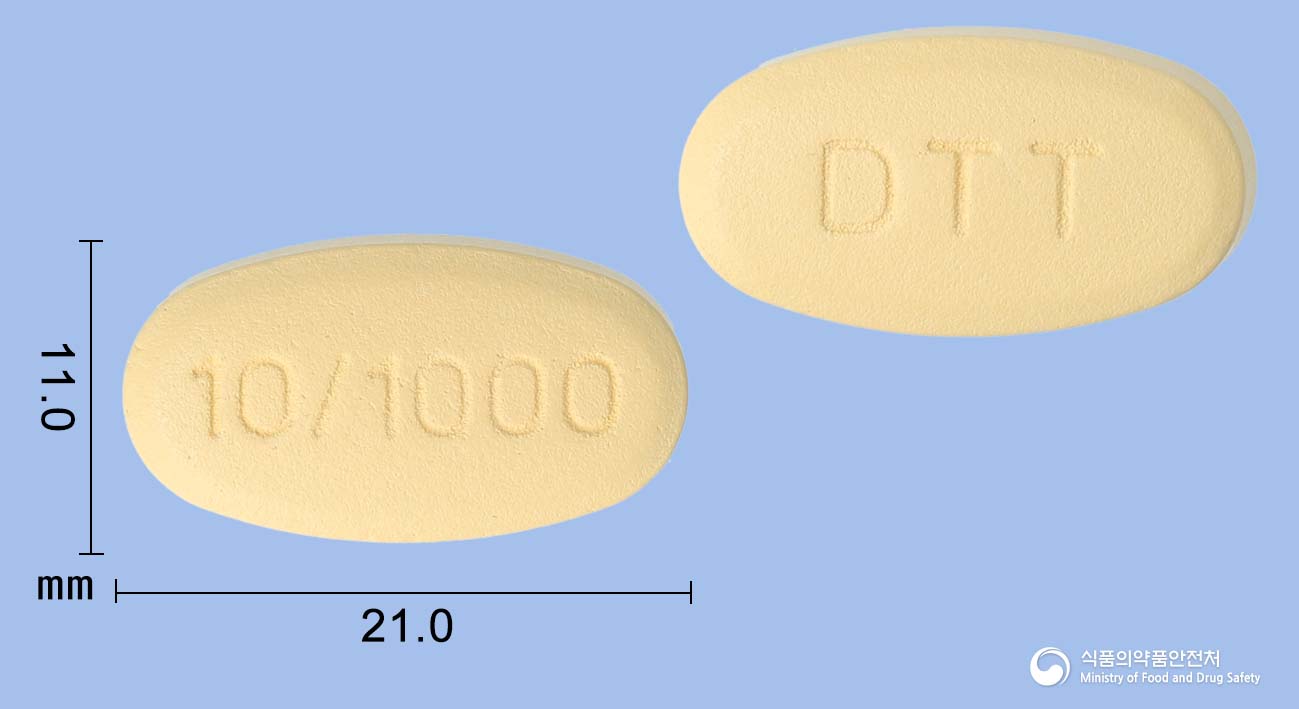 Combination
Dapagliflozin Bis L-proline 15.63mg · Metformin Hydrochloride 1000mg
Tablet · Prescription medication · Combination
Kyungdong Pharmaceutical Co., Ltd.
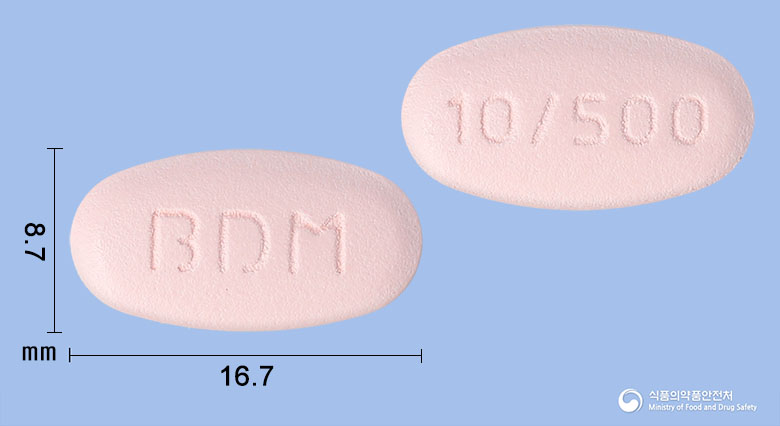 Combination
Dapagliflozin Bis L-proline 15.63mg · Metformin Hydrochloride 500mg
Tablet · Prescription medication · Combination
Boryung Pharmaceutical Co., Ltd.
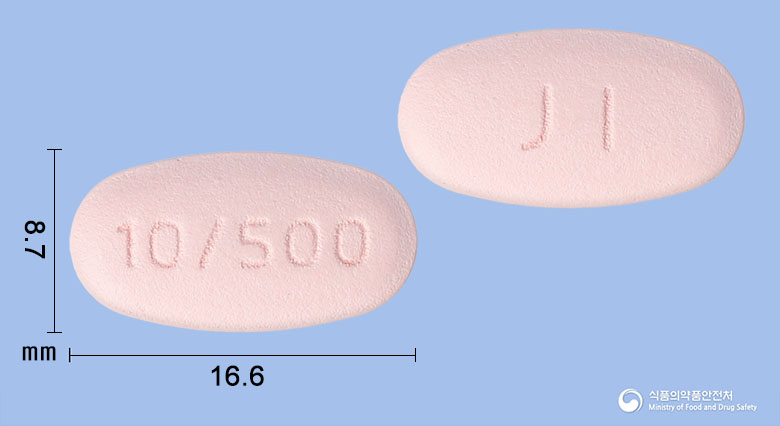 Combination
Dapagliflozin Bis L-proline 15.63mg · Metformin Hydrochloride 500mg
Tablet · Prescription medication · Combination
Cheil Pharmaceutical Co., Ltd.
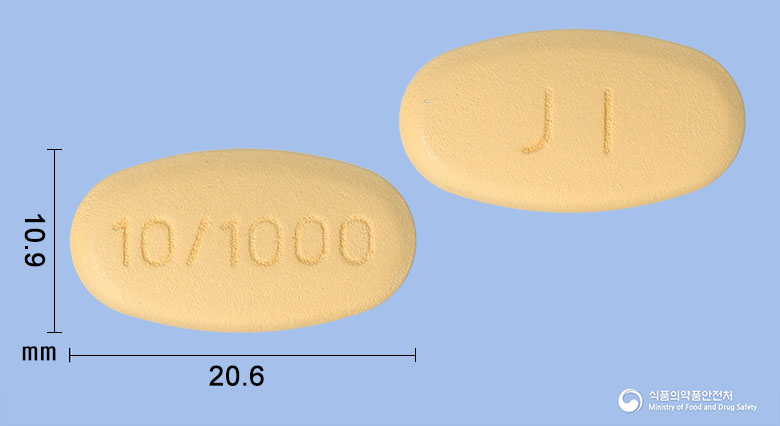 Combination
Dapagliflozin Bis L-proline 15.63mg · Metformin Hydrochloride 1000mg
Tablet · Prescription medication · Combination
Jeil Pharmaceutical Co., Ltd.
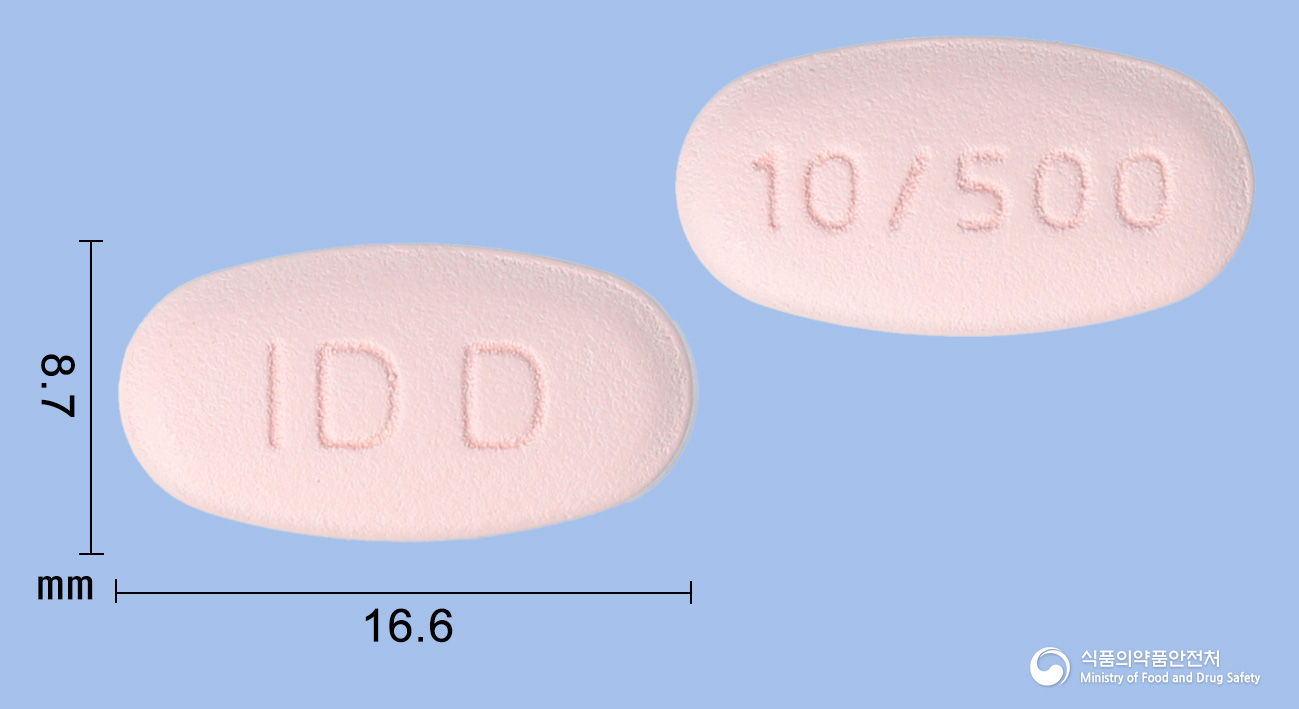 Combination
Dapagliflozin Bis L-proline 15.63mg · Metformin Hydrochloride 500mg
Tablet · Prescription medication · Combination
Ildong Pharmaceutical Co., Ltd.
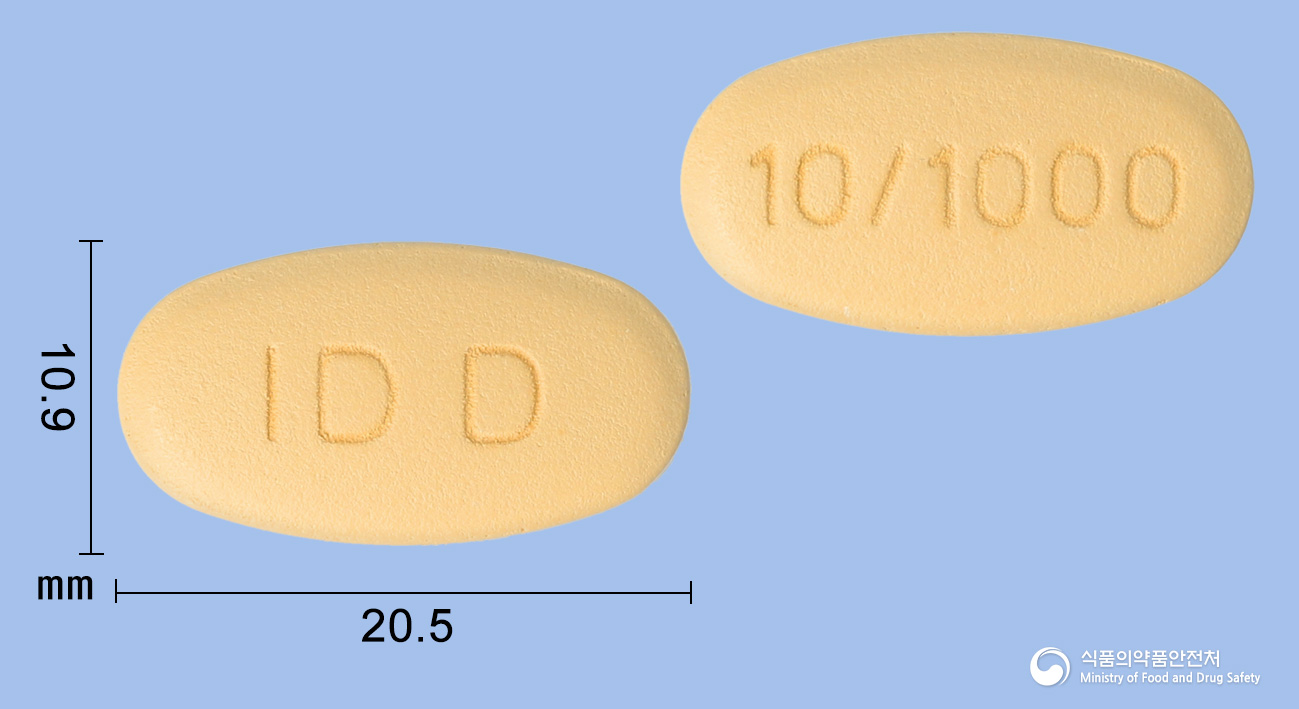 Combination
Dapagliflozin Bis L-proline 15.63mg · Metformin Hydrochloride 1000mg
Tablet · Prescription medication · Combination
Ildong Pharmaceutical Co., Ltd.
Even with the same ingredient, the dose and directions can differ by strength and dosage form. Talk to a doctor or pharmacist before switching from a medication you are already taking.
No questions yet.
For anything that needs medical judgment, consult a doctor or pharmacist.
This drug information is based on data provided by the Korea Ministry of Food and Drug Safety.
Consult a doctor or pharmacist for accurate dosage, administration, and usage instructions.