
 한국어
 English
 日本語
 中文(简体)
 Viewing nowCombination
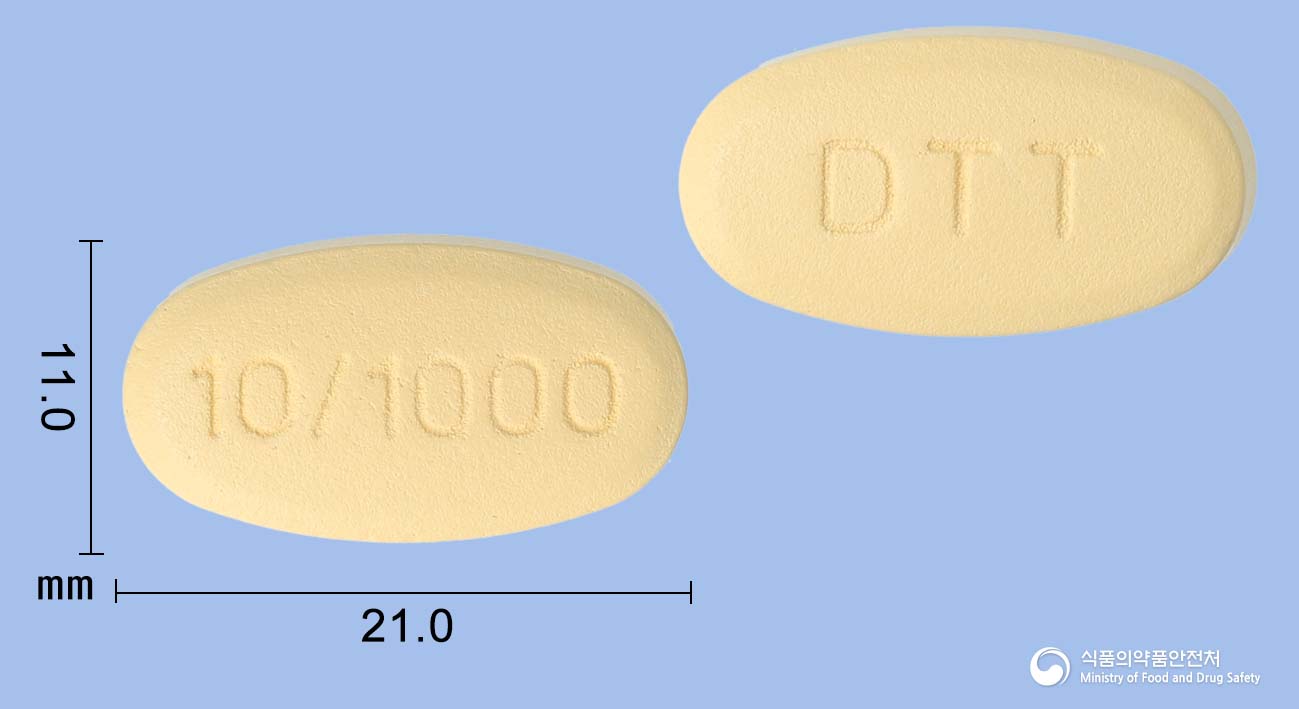
Dapagliflozin/Metformin Extended-Release Tablets 10/1000 mg
Dapagliflozin Bis L-proline 15.63mg · Metformin Hydrochloride 1000mg
Tablet · Prescription medication · Combination
Kyungdong Pharmaceutical Co., Ltd.
MFDS item code 202108078 · Approved 2021.12.23 · Insurance code 648104850
Improves glycemic control in adults with type 2 diabetes mellitus
This medication is used in conjunction with diet and exercise to assist adults with type 2 diabetes in controlling blood sugar levels. It provides more effective blood sugar management, especially through the combination of dapagliflozin and metformin. Additionally, it can be used for patients who have cardiovascular diseases or risk factors among those with difficulty controlling blood sugar. However, for issues related to cardiovascular events, it is essential to follow guidance from healthcare professionals. This medication helps improve blood sugar control in diabetes patients.
The dose of this medicine should be individualized based on the patient's current treatment regimen, efficacy, and tolerability, without exceeding the maximum recommended doses of dapagliflozin 10mg and extended-release metformin 2000mg. This medicine is generally administered once daily with the evening meal. The maximum dose of this medicine is dapagliflozin 10mg/extended-release metformin 2000mg once daily, administered as two 5mg/1000mg tablets. For patients who have not previously received antidiabetic drug therapy and whose blood glucose is not adequately controlled with monotherapy: When used as initial therapy in patients who have not previously received antidiabetic drug therapy, the recommended starting dose of this medicine is one 5mg/500mg or 10mg/500mg tablet once daily. Titrate the dose gradually to reduce gastrointestinal adverse reactions associated with metformin. For patients receiving metformin, the recommended dose of dapagliflozin is 10mg once daily, and the dose of this medicine should provide the dose of metformin they were taking or an appropriate dose therapeutically equivalent to it. When switching from immediate-release to extended-release metformin, blood glucose control should be closely monitored and the dose adjusted appropriately. For patients switching from combination therapy with dapagliflozin and metformin to this medicine, the dose of this medicine may be initiated at the doses of dapagliflozin and metformin they were previously receiving. When switching from immediate-release to extended-release metformin, blood glucose control should be closely monitored and the dose adjusted appropriately. When this medicine is used in combination with insulin or an insulin secretagogue such as a sulfonylurea, a lower dose of insulin or the insulin secretagogue may be considered to reduce the risk of hypoglycemia. The safety and efficacy of this medicine have not been specifically evaluated in patients switched to it from other glucose-lowering agents. Because changes may result in alterations in blood glucose control, any changes in the treatment of patients with type 2 diabetes should be made under careful monitoring. This medicine must be swallowed whole and must never be crushed, cut, or chewed. Occasionally, inactive ingredients in this medicine may be excreted in the stool as a soft, hydrated mass resembling the tablet. Renal impairment No dose adjustment is necessary in patients with mild renal impairment. For patients with an estimated glomerular filtration rate (eGFR) of 45 mL/min/1.73 m2 or higher and below 60 mL/min/1.73 m2, who do not have other conditions that may increase the risk of lactic acidosis, the starting dose of metformin hydrochloride, a component of this medicine, is 500mg once daily, and the maximum daily dose is 1000mg. Administration of this medicine is not recommended in patients with an eGFR below 45 mL/min/1.73m2. If the estimated glomerular filtration rate (eGFR) falls below 45 mL/min/1.73m2, administration of this medicine must be discontinued immediately. Renal function should be assessed every 3~6 months. Elderly patients Because metformin is excreted through the kidneys and renal function is more likely to be reduced in elderly patients, this medicine should be used with caution as age increases (see Precautions for Use, 9. Administration to Elderly Patients).
This medication helps control blood sugar. However, during treatment, there is a very rare risk of a severe condition known as lactic acidosis. Lactic acidosis occurs when lactic acid builds up excessively in the body, which can be very dangerous and may lead to death, so any symptoms should be reported to a doctor immediately. Additionally, if taken with insulin or sulfonylurea drugs, the risk of hypoglycemia may increase, requiring caution. Hypoglycemia can cause dizziness or even loss of consciousness due to excessively low blood sugar, so symptoms should be closely monitored. This medication should not be taken by patients with severely impaired kidney function, dehydration, severe infections, heart conditions, type 1 diabetes, pregnant or breastfeeding women, or patients with lactose intolerance. Before surgery or tests involving iodinated contrast media, this medication should be temporarily discontinued, and it should only be restarted after verifying that kidney function is normal following surgery. This medication can cause dehydration or low blood pressure, so elderly patients or those taking diuretics should regularly monitor their fluid status and blood pressure. During treatment, genital infections or urinary tract infections may occur, and any related symptoms should be treated immediately. Weight loss may occur, so weight changes should be closely monitored. This medication can cause vitamin B12 deficiency, so for long-term use, it is advisable to regularly test blood vitamin B12 levels. Excessive alcohol consumption should be avoided, and any sudden changes in health status, infections, or surgical situations should prompt consultation with a doctor for possible adjustments to medication. The safety and efficacy of this medication in children have not been established, and in the elderly, declining kidney function is common, so dosage should be adjusted carefully. In cases of overdose, seek medical attention immediately, and keep this medication out of the reach of children.
Not everyone experiences these, and they can vary from person to person.
This medication should be stored in a tightly sealed container to protect it from air and moisture. Additionally, it should be stored at room temperature, neither too hot nor too cold, ideally between 1 to 30 degrees Celsius.
Biconvex oval film-coated tablets, yellow to deep yellow in color
30 tablets/box [6 tablets (Alu-Alu) x 5], 30 tablets/bottle
Even with the same ingredient, strength, dosage form and how it is taken can differ.
Viewing nowCombinationDapagliflozin Bis L-proline 15.63mg · Metformin Hydrochloride 1000mg
Tablet · Prescription medication · Combination
Kyungdong Pharmaceutical Co., Ltd.
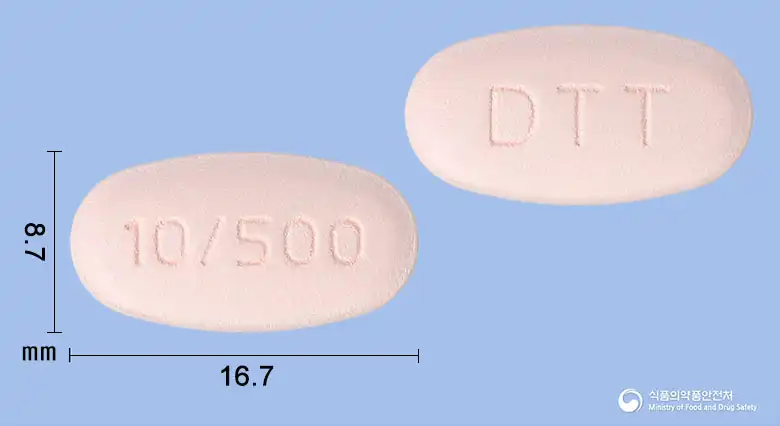 Combination
Dapagliflozin Bis L-proline 15.63mg · Metformin Hydrochloride 500mg
Tablet · Prescription medication · Combination
Kyungdong Pharmaceutical Co., Ltd.
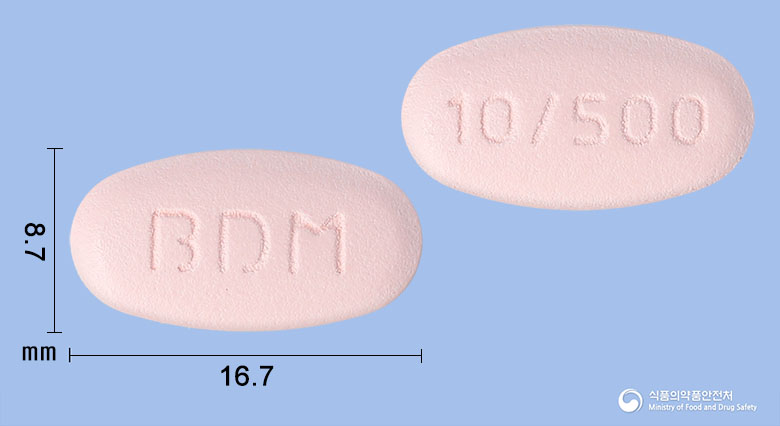 Combination
Dapagliflozin Bis L-proline 15.63mg · Metformin Hydrochloride 500mg
Tablet · Prescription medication · Combination
Boryung Pharmaceutical Co., Ltd.
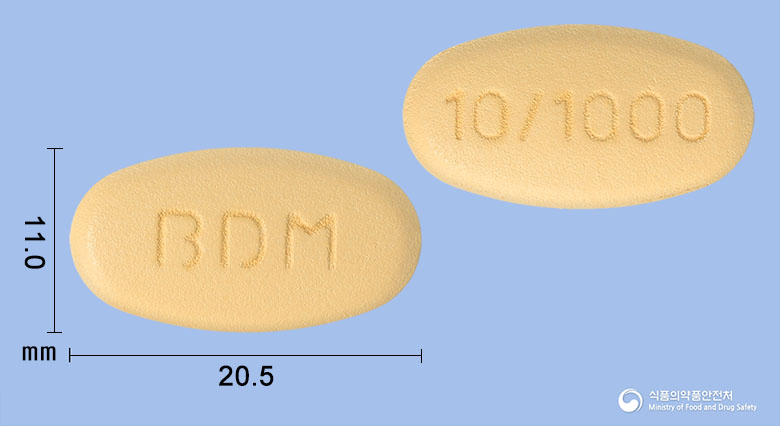 Combination
Dapagliflozin Bis L-proline 15.63mg · Metformin Hydrochloride 1000mg
Tablet · Prescription medication · Combination
Boryung Pharmaceutical Co., Ltd.
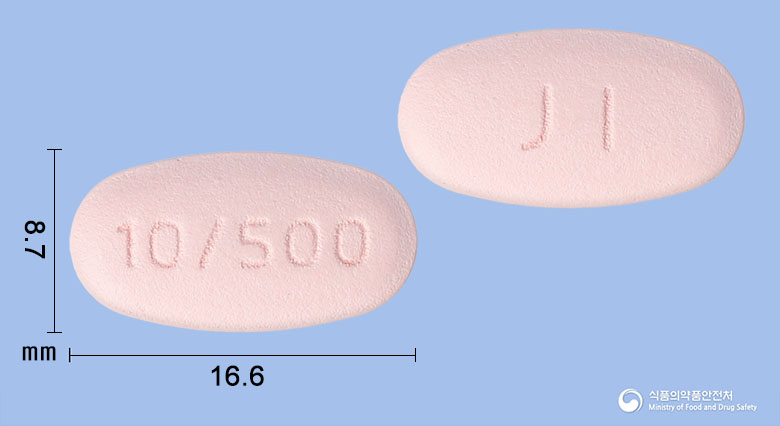 Combination
Dapagliflozin Bis L-proline 15.63mg · Metformin Hydrochloride 500mg
Tablet · Prescription medication · Combination
Cheil Pharmaceutical Co., Ltd.
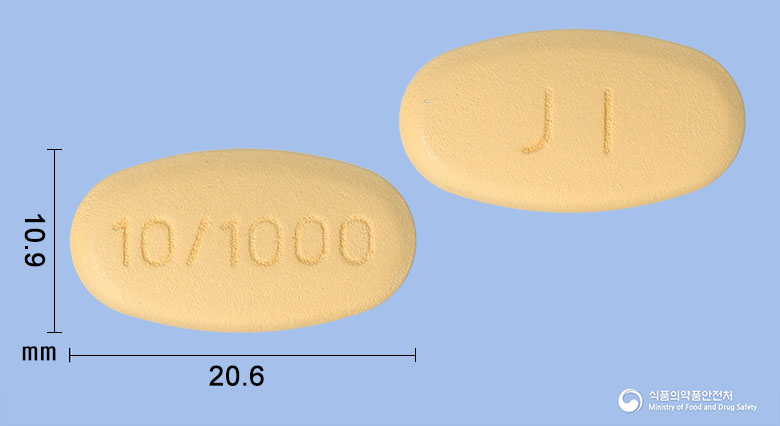 Combination
Dapagliflozin Bis L-proline 15.63mg · Metformin Hydrochloride 1000mg
Tablet · Prescription medication · Combination
Jeil Pharmaceutical Co., Ltd.
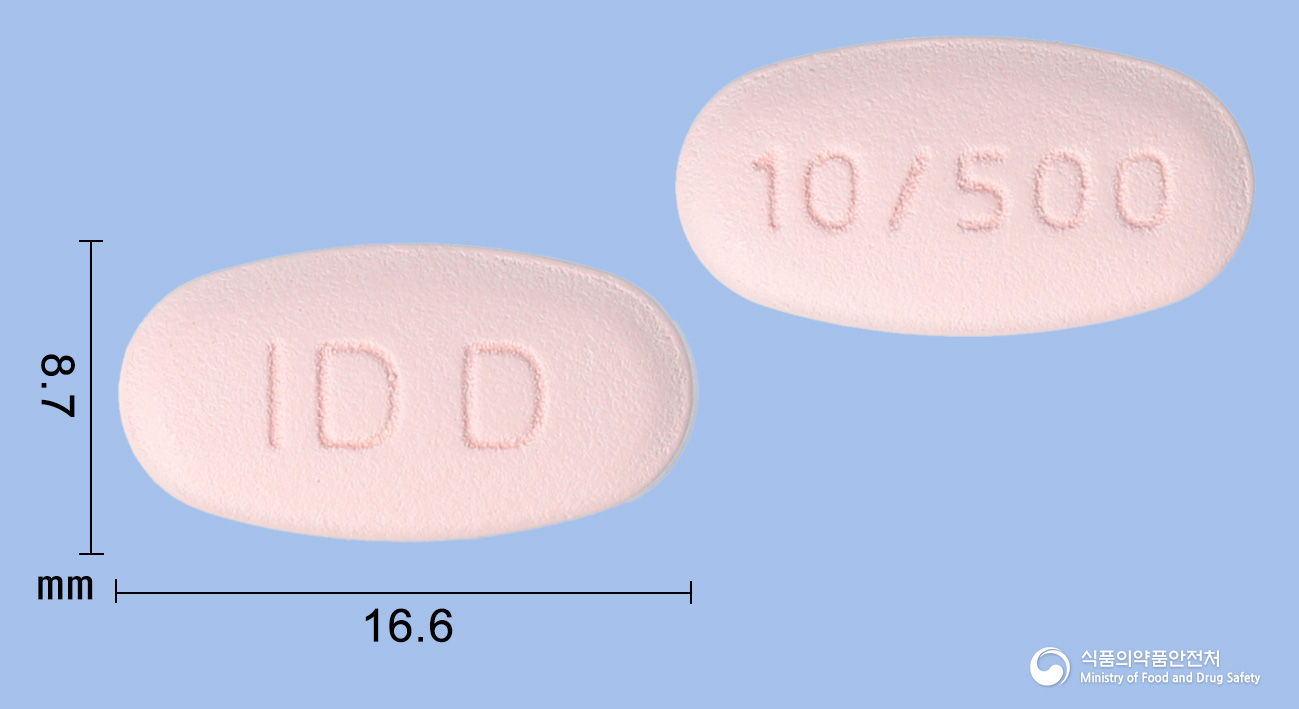 Combination
Dapagliflozin Bis L-proline 15.63mg · Metformin Hydrochloride 500mg
Tablet · Prescription medication · Combination
Ildong Pharmaceutical Co., Ltd.
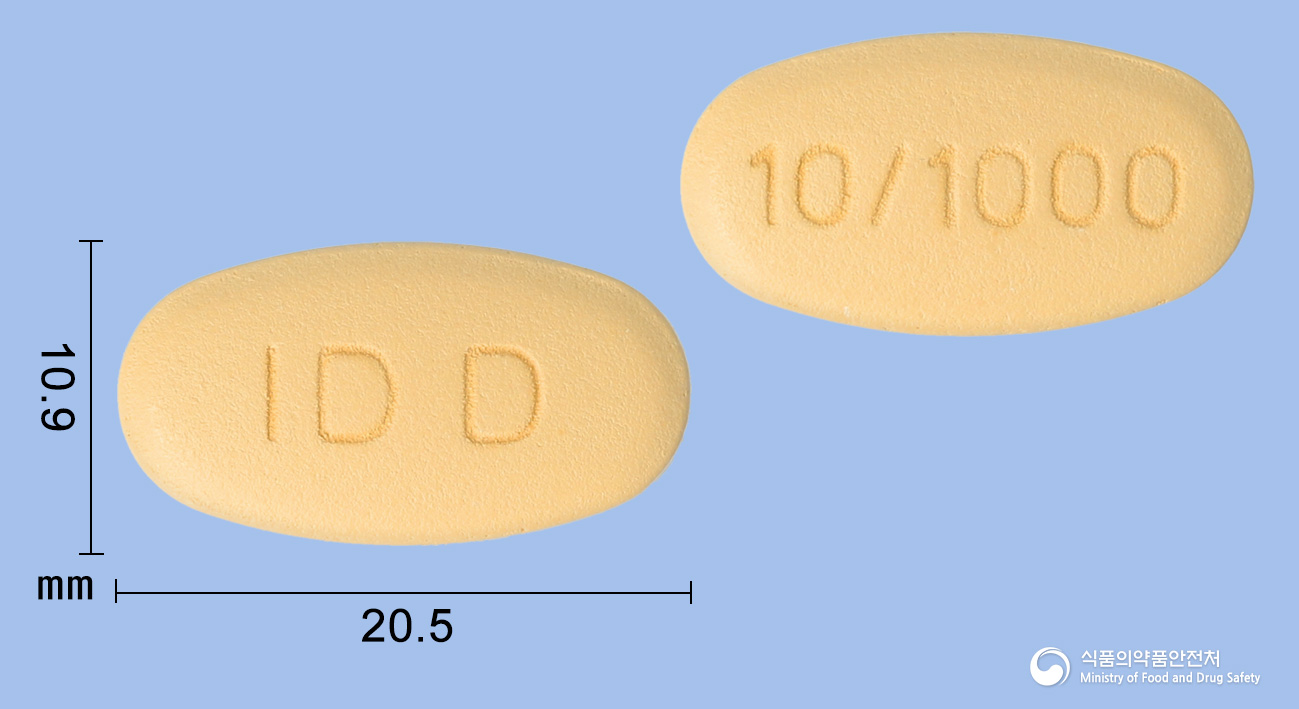 Combination
Dapagliflozin Bis L-proline 15.63mg · Metformin Hydrochloride 1000mg
Tablet · Prescription medication · Combination
Ildong Pharmaceutical Co., Ltd.
Even with the same ingredient, the dose and directions can differ by strength and dosage form. Talk to a doctor or pharmacist before switching from a medication you are already taking.
No questions yet.
For anything that needs medical judgment, consult a doctor or pharmacist.
This drug information is based on data provided by the Korea Ministry of Food and Drug Safety.
Consult a doctor or pharmacist for accurate dosage, administration, and usage instructions.