
 한국어
 English
 日本語
 中文(简体)
Dosage form image
Viewing nowChamp Allernon Solution (Cetirizine Hydrochloride)
Cetirizine Hydrochloride 100mg
Solution · OTC medication
Dong-A Pharmaceutical Co., Ltd.
MFDS item code 202107872 · Notified 2021.12.09
Relieves allergic rhinitis, allergic conjunctivitis, and skin symptoms (urticaria and itching)
This medicine is used to relieve allergy and skin-related symptoms such as seasonal and perennial allergic rhinitis, allergic conjunctivitis, chronic idiopathic urticaria, and pruritus.
Adults and children 12 years of age and older: Administer 10 mg of cetirizine hydrochloride orally once daily. For patients sensitive to adverse reactions, divide the dose between morning and evening. Adjust the dose appropriately according to age and symptoms. Patients with renal impairment: The dosing interval should be adjusted according to the patient’s renal function. Adjust the dose by referring to the following table. To use this dosage table, creatinine clearance (CLcr) in mL/min is required. CLcr (mL/min) is calculated from the measured serum creatinine (mg/dL) using the following formula: CLcr = [140 – age (years)] × body weight (kg) (× 0.85 for women) 72 × serum creatinine (mg/dL) Dosage adjustment for adult patients with impaired renal function Normal (creatinine clearance ≥80 mL/min): 10 mg once daily Mild (creatinine clearance 50 – 79 mL/min): 10 mg once daily Moderate (creatinine clearance 30 – 49 mL/min): 5 mg once daily Severe (creatinine clearance < 30 mL/min): 5 mg once every 2 days Patients on dialysis with end-stage renal disease (creatinine clearance <10 mL/min): Contraindicated
Children aged 2 to under 12 years, weighing 30kg or more: Administer 10mg of this drug once daily. Children aged 2 to under 12 years, weighing less than 30kg: Administer 5mg of this drug once daily. For pediatric patients with renal impairment, adjust the dose individually, taking the patient's renal clearance and body weight into consideration.
This medicine should not be taken by individuals who have had allergic reactions to specific medications or ingredients. It is also safer for patients with severely impaired kidney function, children under 2 years of age, and women who are pregnant or breastfeeding not to use this medication. Individuals with rare genetic disorders such as fructose intolerance should also avoid this medication. During treatment, it is crucial not to take certain medications in conjunction. For example, concomitant use with drugs like theophylline or ritonavir may alter the effects or impact of the medications on the body. It is recommended to discontinue breastfeeding during treatment and avoid taking it with alcohol. The combination may amplify drowsiness or decreased concentration. Patients with compromised kidney or liver function, the elderly, or those with epilepsy should consult a doctor or pharmacist before taking this medication. Moreover, this medication may worsen conditions where urination is impaired; thus, individuals with urinary issues such as prostatic enlargement or spinal cord injury need to exercise caution. If severe side effects or unusual symptoms occur while taking this medication, it should be discontinued immediately and consult medical staff. In cases of overdose, symptoms such as confusion, drowsiness, headache, difficulty urinating, etc., may occur; medical attention should be sought as there is no specific antidote to counteract effects. It is advisable to stop taking this medication for a certain period before allergy testing, and caution is needed when driving or operating machinery. Food can slow the absorption rate of this medication but does not affect the overall amount absorbed. Finally, store this medication out of reach of children, keep it in its original container, and use it within 3 months after opening for safety.
Confusion, diarrhea, dizziness, fatigue, headache, malaise, pupil dilation, itching, anxiety, sedation, drowsiness, stupor, tachycardia, tremors, urinary retention, sleepiness, occasional malaise, numbness, weakness, anxiety, sensory disturbances, rarely mild and transient drowsiness, fatigue, dizziness, heaviness of the head, excitement, convulsions, movement abnormalities, muscle tension abnormalities, fainting, tremors, aggression, confusion, depression, hallucinations, insomnia, tic disorders, amnesia, memory impairment, suicidal ideation, nightmares, occasionally thirst, dry lips, nausea, loss of appetite, abdominal discomfort, dyspepsia, abdominal pain, gastric pain, abdominal discomfort, diarrhea, rarely vomiting, gastrointestinal disturbances, cheilitis, taste disturbances, increased appetite, rarely tachycardia, arrhythmia, elevated blood pressure, occasionally palpitations, vasculitis, occasionally leukopenia, neutropenia, lymphocytosis, eosinophilia, rarely monocytosis, thrombocytosis, rarely thrombocytopenia, photosensitivity, rarely hypersensitivity, hypersensitivity shock, occasionally swelling, itching, rash, rarely hives, angioedema, fixed drug eruption, acute generalized exanthematous pustulosis, rarely blurred vision, conjunctival congestion, impaired ocular accommodation, horizontal and vertical eye movement, dizziness, occasionally elevated AST, elevated ALT, elevated ALP, elevated total bilirubin, elevated γ-GTP, elevated LDH, liver dysfunction, jaundice, hepatitis, occasionally elevated BUN, diabetes, hematuria, rarely urinary retention, nocturia, urinary retention, joint pain, pharyngitis, cough, nosebleeds, bronchospasm, hearing abnormalities, visual disturbances, occasionally chest pain, rarely irregular menstrual periods, tinnitus, rhinitis, weight gain, itching, rash
Not everyone experiences these, and they can vary from person to person.
Do not take this medication with theophylline or ritonavir.
Do not take this medication with excessive alcohol.
This medication is sensitive to light; therefore, it should be stored in a special container that blocks light. It is also best to store it at room temperature between 1°C and 30°C. By doing so, the effectiveness of the medication can be well maintained.
A pale yellow transparent solution with a strawberry flavor, contained in aluminum foil.
5 milliliters/packet [5mL/packet × 10]
Even with the same ingredient, strength, dosage form and how it is taken can differ.
Cetirizine Hydrochloride 100mg
Solution · OTC medication
Dong-A Pharmaceutical Co., Ltd.
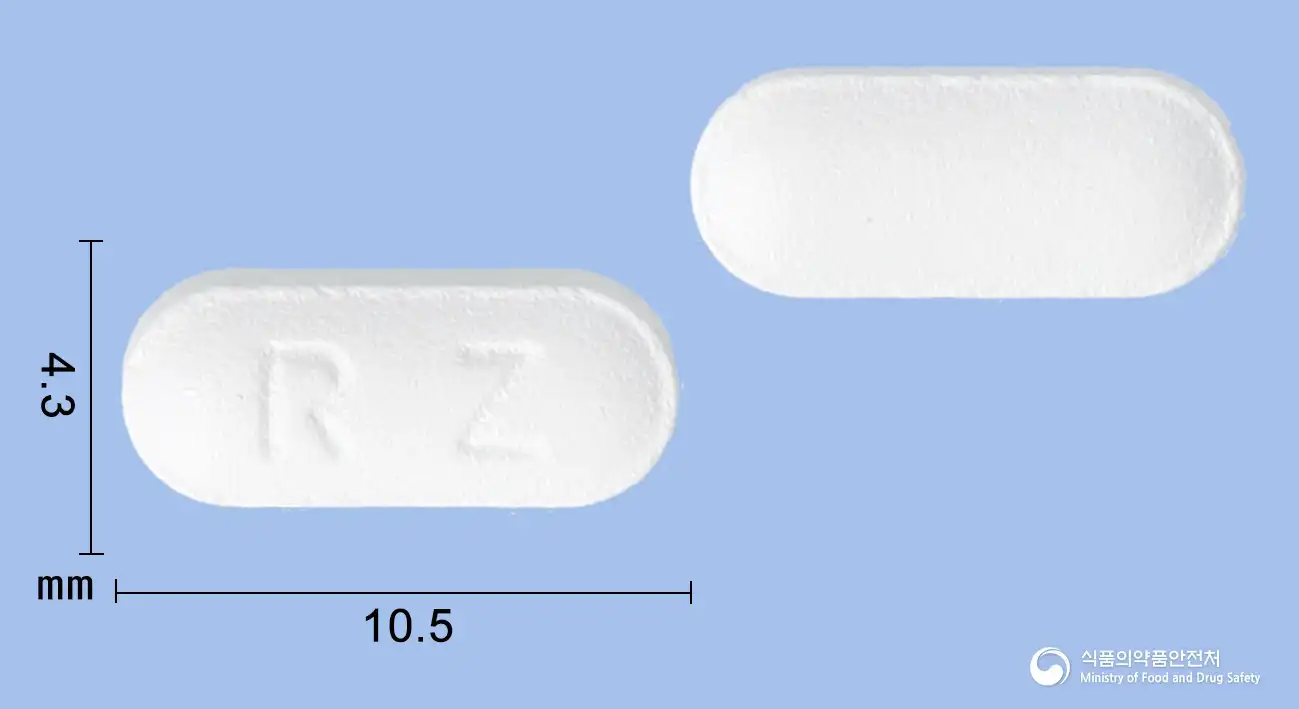
Cetirizine Hydrochloride 10mg
Tablet · OTC medication
Ilyun Pharmaceutical Co., Ltd.
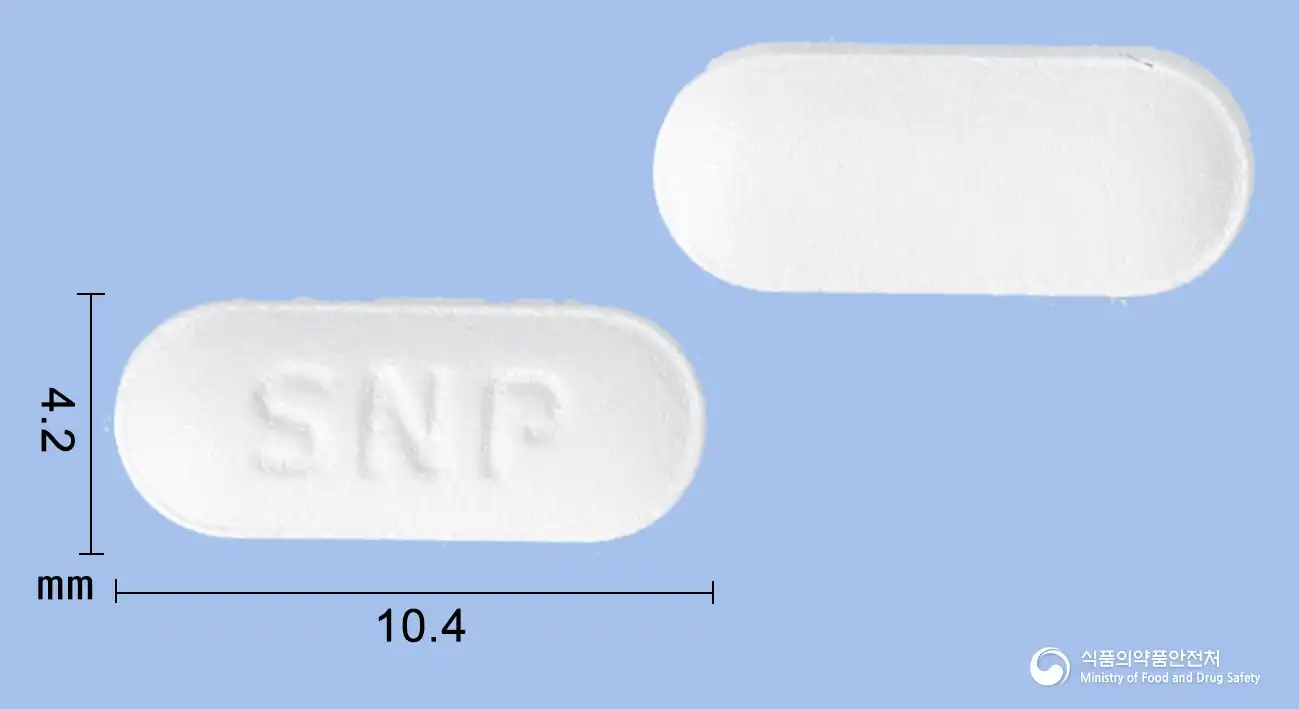
Cetirizine Hydrochloride 10mg
Tablet · OTC medication
Aprogen Biologics, Inc.
Cetirizine Hydrochloride 10mg
Tablet · OTC medication
Vivozon Pharmaceutical Co., Ltd.
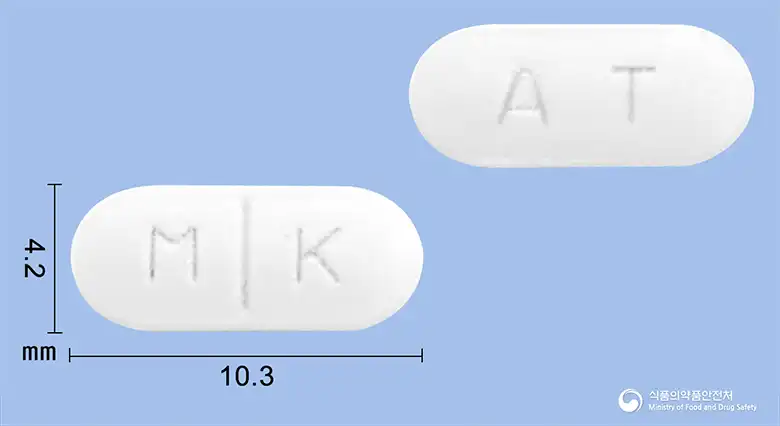
Cetirizine Hydrochloride 10mg
Tablet · OTC medication
Medica Korea Co., Ltd.
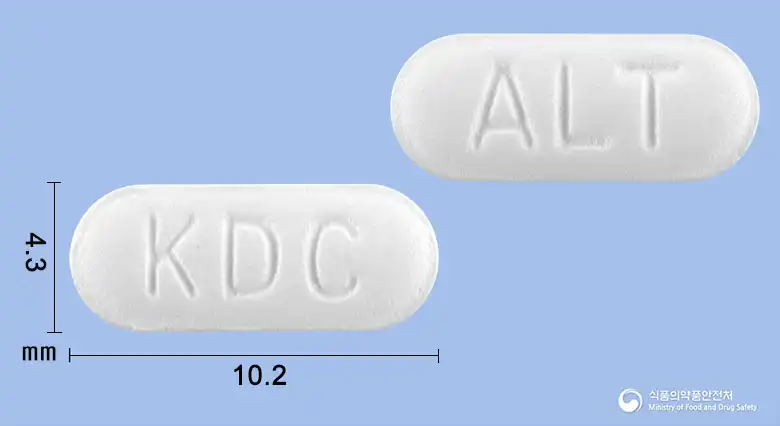
Cetirizine Hydrochloride 10mg
Tablet · OTC medication
Koryo Pharmaceutical Co., Ltd.
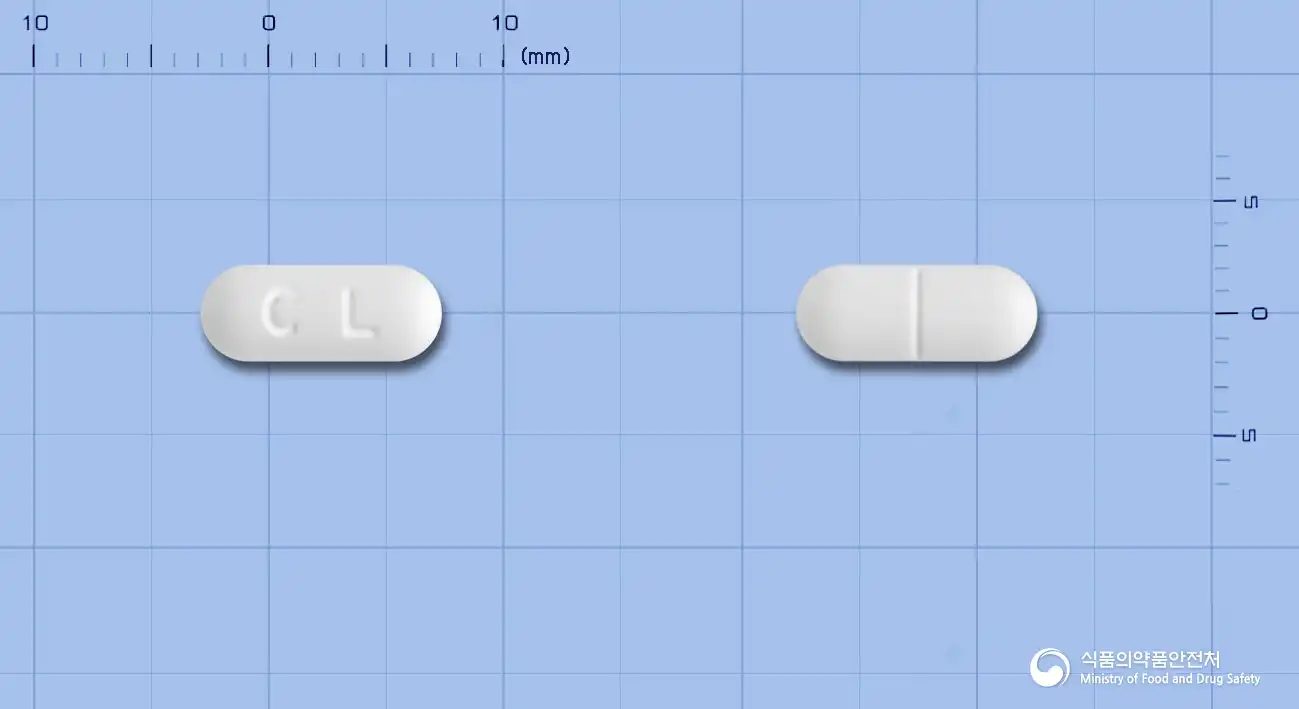
Cetirizine Hydrochloride 10mg
Tablet · OTC medication
Kyungdong Pharmaceutical Co., Ltd.
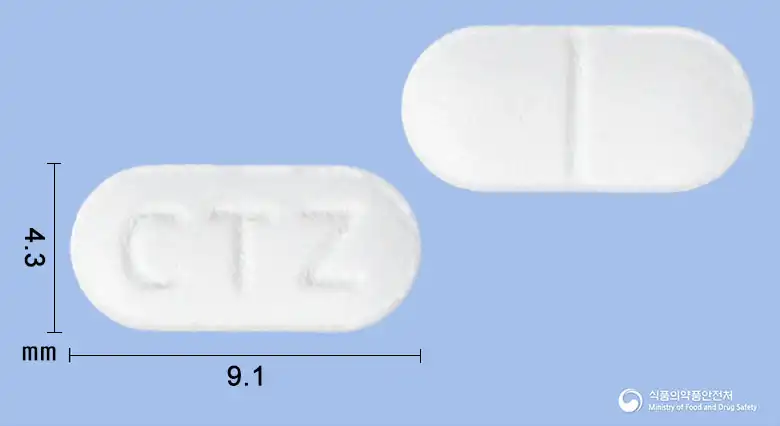
Cetirizine Hydrochloride 10mg
Tablet · OTC medication
Shinil Pharmaceutical Co., Ltd.
Even with the same ingredient, the dose and directions can differ by strength and dosage form. Talk to a doctor or pharmacist before switching from a medication you are already taking.
No questions yet.
For anything that needs medical judgment, consult a doctor or pharmacist.
This drug information is based on data provided by the Korea Ministry of Food and Drug Safety.
Consult a doctor or pharmacist for accurate dosage, administration, and usage instructions.