
 한국어
 English
 日本語
 中文(简体)
Dosage form image
Viewing nowDM-Pen Tablets (Epalaestart)
Epalrestat 50mg
Tablet · Prescription medication
Korea Pharmaceutical Co., Ltd.
MFDS item code 202107785 · Notified 2021.12.03
This product's status changed to Approval withdrawn on 2024.03.12. It may no longer be sold, so consult a doctor or pharmacist before taking it.
Improves symptoms of diabetic peripheral neuropathy, abnormal vibratory sensation, and abnormal heart rate variability
This medication helps alleviate subjective symptoms such as numbness and pain caused by diabetic peripheral neuropathy and also improves vibration sense abnormalities and heart rate variability. It is particularly effective in improving these symptoms in patients with high HbA1c levels. Overall, the medication helps enhance nerve function and blood circulation, thereby improving patients' quality of life and relieving symptoms.
Adults: Take 1 tablet per dose (equivalent to 50mg of epalrestat), 3 times daily before meals. Adjust the dose as appropriate according to age and symptoms.
This medication may reduce platelet count; if such symptoms occur, discontinuation of use is necessary. Additionally, serious liver conditions such as acute hepatitis or liver dysfunction, jaundice, and liver failure may develop, requiring careful monitoring of liver function. If any liver-related issues arise, discontinue the medication immediately and seek appropriate treatment. Allergic reactions such as skin rash, itching, erythema, and blisters may occur, and if these symptoms develop, the medication should be stopped. Gastrointestinal symptoms have also been reported, including elevated liver enzyme levels, abdominal pain, nausea, vomiting, diarrhea, loss of appetite, abdominal bloating, constipation, and heartburn. The medication may affect kidney function, resulting in increased BUN and creatinine levels or decreased urine output and polyuria. Blood abnormalities such as anemia or leukopenia may also occur, so caution is warranted. A variety of symptoms such as fatigue, dizziness, headache, muscle stiffness, weakness, limb pain, chest discomfort, palpitations, swelling, flushing, numbness, hair loss, purpura, and fever may appear. This medication is used in conjunction with dietary therapy, exercise therapy, and other hypoglycemic agents for diabetes treatment and is considered for patients with poor blood sugar control. Its efficacy is uncertain in patients with severe diabetic peripheral neuropathy, so caution is needed. During treatment, it is advisable to carefully monitor the condition, and if there is no effect after 12 weeks, it is recommended to switch to another therapy. Women who are pregnant or may become pregnant should only use this medication when the benefits outweigh the risks, and safety during pregnancy is not certain. Additionally, breastfeeding should be avoided while taking this medication, as it has been confirmed to be excreted in breast milk in animal studies. The safety in children has not been sufficiently established, so caution is necessary when using it. Lastly, urine may change to yellow-brown or red while taking this medication, which could affect the results of bilirubin or ketones tests in urine.
Not everyone experiences these, and they can vary from person to person.
This medication should be stored in a tightly sealed container to protect it from air and moisture, preferably at room temperature between 1 and 30 degrees Celsius. Proper storage will help maintain the medication's effectiveness over time.
White round film-coated tablets
100 tablets/box [(10 tablets/PTP x 10)]
Even with the same ingredient, strength, dosage form and how it is taken can differ.
Epalrestat 50mg
Tablet · Prescription medication
Korea Pharmaceutical Co., Ltd.
Epalrestat
Prescription medication
J-Tech Biogen
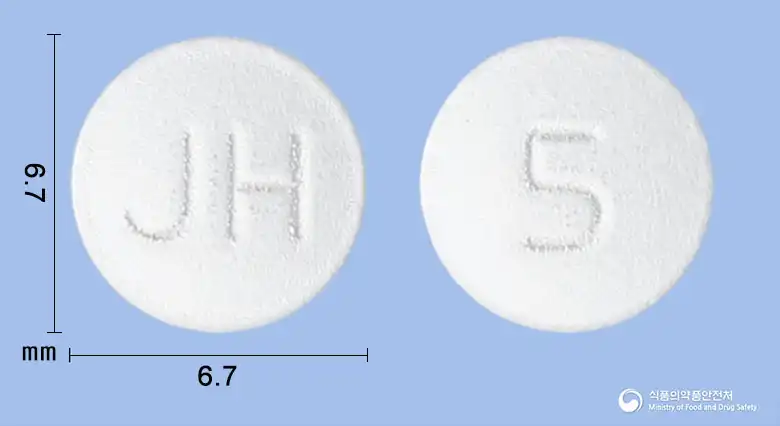
Epalrestat 50mg
Tablet · Prescription medication
Jungheon Pharmaceutical Co., Ltd.
Even with the same ingredient, the dose and directions can differ by strength and dosage form. Talk to a doctor or pharmacist before switching from a medication you are already taking.
No questions yet.
For anything that needs medical judgment, consult a doctor or pharmacist.
This drug information is based on data provided by the Korea Ministry of Food and Drug Safety.
Consult a doctor or pharmacist for accurate dosage, administration, and usage instructions.