
 한국어
 English
 日本語
 中文(简体)
Summary
- Main use
- Improvement of symptoms of tardive dyskinesia in adults
- Who uses it
- Adults
- Adult dosage
- The starting dose of this medicine is 40mg once daily. After 1 week, increase the dose to the recommended dose of 80mg once daily. Based on the patient's response and tolerability, maintenance at 40mg once daily may be considered. This medicine may be taken with or without food. The recommended dose for patients with moderate or severe hepatic impairment (Child-Pugh score 7 - 15) is 40mg once daily [see section '10. Use in patients with hepatic impairment']. The recommended dose for CYP2D6 poor metabolizers is 40mg once daily [see section '5. General precautions']. Concomitant use of this medicine with strong CYP3A4 inducers (e.g., rifampicin, carbamazepine, phenytoin, St. John's wort) is not recommended [see section '6. Interactions']. The recommended dose for patients receiving strong CYP3A4 inhibitors (e.g., itraconazole, ketoconazole, clarithromycin) is 40mg once daily [see section '6. Interactions']. The recommended dose for patients receiving strong CYP2D6 inhibitors (e.g., paroxetine, fluoxetine, quinidine) is 40mg once daily [see section '6. Interactions'].
Ingredients
- Importer
- Tanabe Pharma Korea Co., Ltd.
Efficacy & effects
Improvement of symptoms of tardive dyskinesia in adults
- Symptoms of tardive dyskinesia
View approved original textHide original text
This drug is used to improve the symptoms of tardive dyskinesia in adults. Tardive dyskinesia is a movement disorder that mainly occurs due to long-term medication use, and this drug helps alleviate symptoms to improve the quality of life for patients.
Dosage and Administration
Adult dosage
The starting dose of this medicine is 40mg once daily. After 1 week, increase the dose to the recommended dose of 80mg once daily. Based on the patient's response and tolerability, maintenance at 40mg once daily may be considered. This medicine may be taken with or without food. The recommended dose for patients with moderate or severe hepatic impairment (Child-Pugh score 7 - 15) is 40mg once daily [see section '10. Use in patients with hepatic impairment']. The recommended dose for CYP2D6 poor metabolizers is 40mg once daily [see section '5. General precautions']. Concomitant use of this medicine with strong CYP3A4 inducers (e.g., rifampicin, carbamazepine, phenytoin, St. John's wort) is not recommended [see section '6. Interactions']. The recommended dose for patients receiving strong CYP3A4 inhibitors (e.g., itraconazole, ketoconazole, clarithromycin) is 40mg once daily [see section '6. Interactions']. The recommended dose for patients receiving strong CYP2D6 inhibitors (e.g., paroxetine, fluoxetine, quinidine) is 40mg once daily [see section '6. Interactions'].
Precautions
This medication may cause rare but severe allergic reactions after taking it, and if symptoms such as laryngeal edema occur, you should stop taking it immediately. It can induce drowsiness and sedation; therefore, avoid activities that require concentration, such as driving or operating dangerous machinery, after taking it. This medication may prolong the QT interval, an electrical signal in the heartbeat, requiring dosage adjustment if you have certain heart diseases or are taking related medications. While taking this drug, you should closely monitor for signs of neuroleptic malignant syndrome, a severe side effect, and if symptoms such as high fever, muscle rigidity, or changes in mental state appear, consult medical personnel immediately. This medication may cause symptoms similar to Parkinson's disease, so dosage adjustments or discontinuation should be considered if movement disorders or gait problems occur. Patients allergic to any component or ingredient of this medication, or those on similar class medications, should not use it. Patients with reduced specific enzyme metabolism abilities, moderate to severe liver function impairment, and those taking specific medications should use this drug with caution, and dosage adjustments may be necessary. Common side effects include drowsiness, dry mouth, constipation, dizziness, headaches, vomiting, joint pain, etc., and if these symptoms are severe or persistent, consult medical personnel. This medication may interact with other drugs, so especially inform medical personnel if you are taking specific antifungals, antidepressants, antibiotics, and heart-related medications. Pregnant women should consult a doctor before use as the safety of this drug has not been sufficiently confirmed, and breastfeeding women should avoid breastfeeding for a certain period after taking it. This medication is not recommended for use in children under 18 years of age as its safety and efficacy have not been established. No special dosage adjustments are typically needed for the elderly, but they should be closely monitored for adverse reactions. Patients with impaired liver function may have increased concentrations of this medication in their bodies, so dosage reductions may be necessary. In case of an overdose, there is no specific antidote, so immediate appropriate monitoring and treatment in a medical facility are required. This drug should be kept out of reach of children, and transferring it to other containers is discouraged as it may not maintain quality.
Side effects
- Laryngeal edema
- glottic edema
- lip swelling
- eyelid angioedema
- drowsiness
- sedation
- hyperthermia
- muscle rigidity
- altered mental status
- irregular pulse
Show 47 moreCollapse
- unstable blood pressure
- tachycardia
- sweating
- arrhythmia
- elevated creatine phosphokinase
- myoglobinuria
- rhabdomyolysis
- acute renal failure
- Parkinsonism
- falls
- gait disturbance
- tremor
- sialorrhea
- reduced movement
- rash
- urticaria
- angioedema
- facial swelling
- lip swelling
- oral swelling
- drowsiness
- fatigue
- sedation
- dry mouth
- constipation
- attention deficit
- blurred vision
- urinary retention
- falls
- gait disturbance
- dizziness
- balance disorder
- headache
- inability to sit still
- vomiting
- nausea
- arthralgia
- increased blood glucose
- weight gain
- respiratory infection
- flexibility
- movement disorder
- extrapyramidal symptoms
- anxiety
- insomnia
- allergic dermatitis
- itching
Not everyone experiences these, and they can vary from person to person.
Storage
This medicine should be stored in a tightly closed container to prevent air or moisture from entering, at a temperature between 1 degree and 30 degrees Celsius. Therefore, avoid direct sunlight and do not place it in excessively hot or cold places.
Appearance and packaging
Appearance
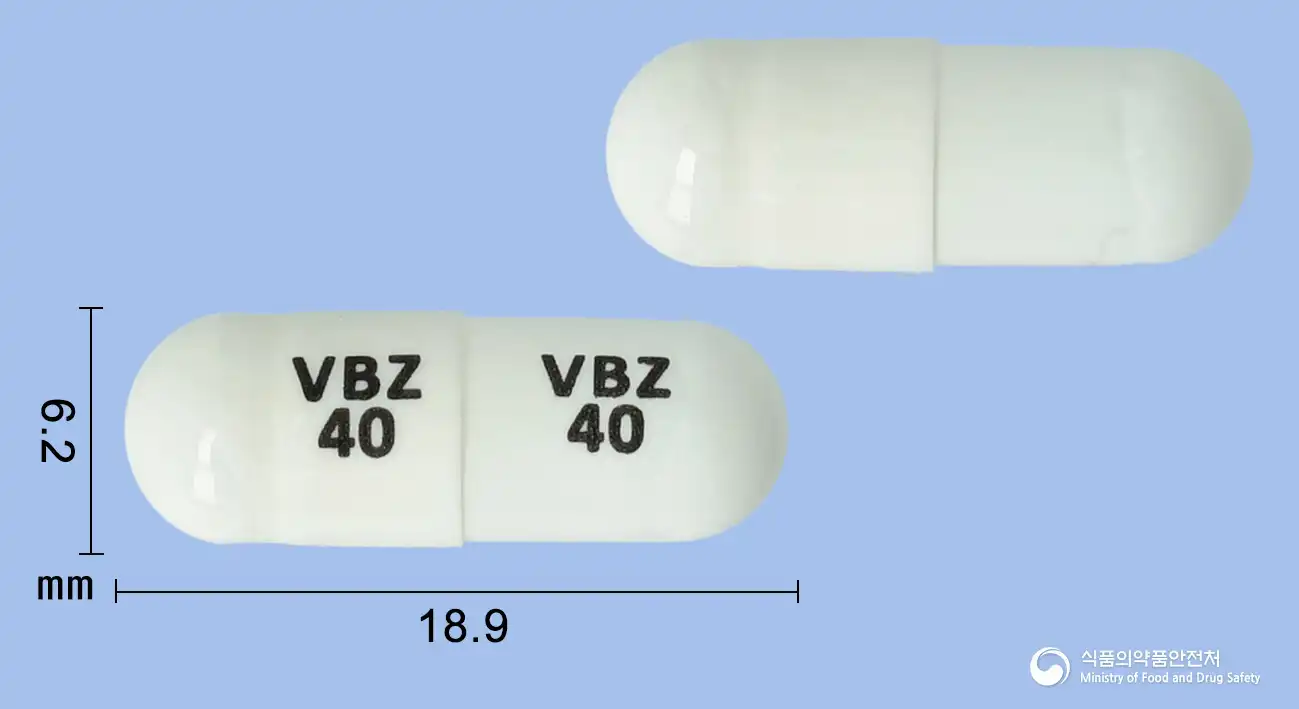
This medication consists of a white hard capsule containing a white powder.
Package unit
30 capsules/bottle
Questions about this medicine
No questions yet.
For anything that needs medical judgment, consult a doctor or pharmacist.