
 한국어
한국어 English
 日本語
日本語 中文(简体)
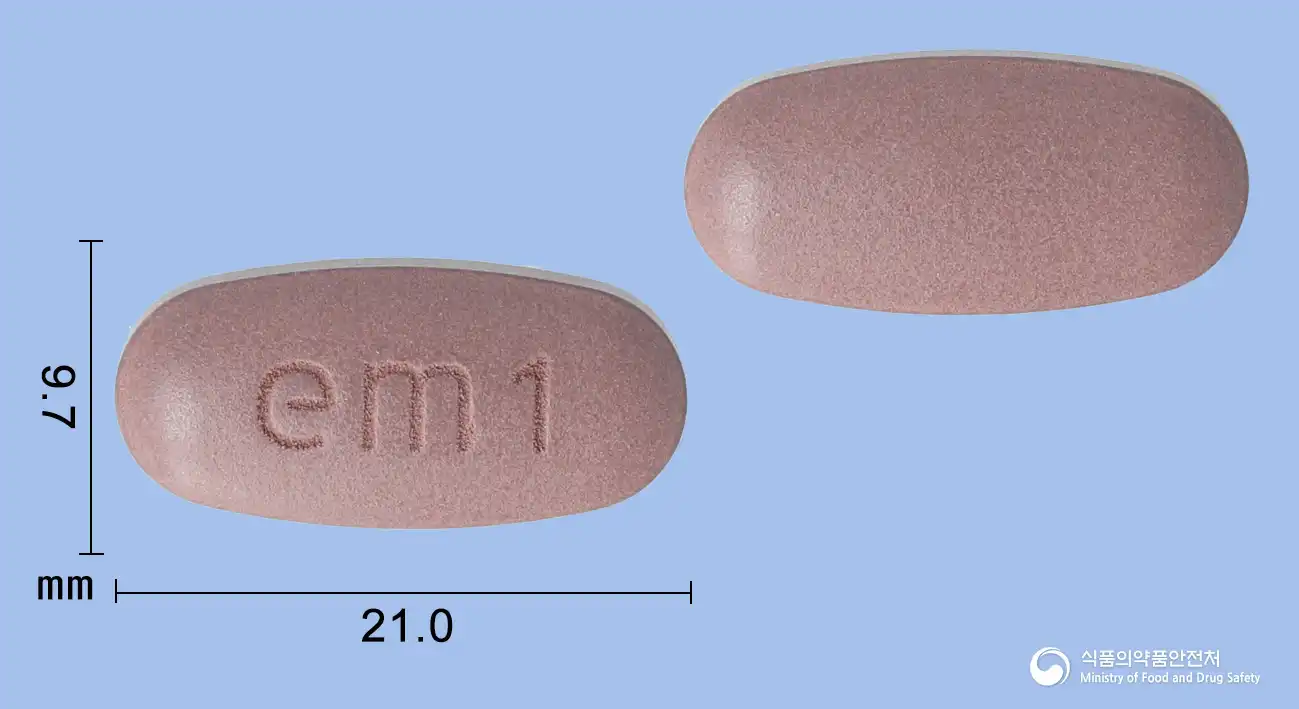 Viewing nowCombination
Empamax M Tablet 12.5/1000 mg (Empagliflozin, Metformin)
Empagliflozin L-Proline 15.7mg · Metformin Hydrochloride 1000mg
Tablet · Prescription medication · Combination
Jongkundang Co., Ltd.
MFDS item code 202107450 · Approved 2021.11.12 · Insurance code 643309920
Effectiveness in controlling blood sugar for Type 2 diabetes and preventing cardiovascular events
This medication helps improve blood sugar control in adults with Type 2 diabetes by combining empagliflozin and metformin. It supports effective blood sugar management alongside dietary and exercise regimens. It is especially suitable for patients who do not achieve adequate blood sugar control and should be used with caution in those with cardiovascular disease. This medication contributes to safe usage while aiding in blood sugar control and the prevention of complications.
The recommended dose of this medication is 1 tablet, twice a day. The maximum recommended daily dose for each ingredient should not exceed empagliflozin 25 mg and metformin 2000 mg. For patients who do not achieve sufficient blood sugar control with monotherapy with metformin or other medications such as insulin, the recommended dosage is 5 mg of empagliflozin twice a day (a total of 10 mg per day) alongside its existing metformin dosage.
This medication may cause a serious side effect called severe lactic acidosis; therefore, patients with poor kidney function or heart disease should use it with caution. Additionally, there is a risk of hypoglycemia when taken with other diabetes medications such as insulin or sulfonylureas, so dose adjustments may be necessary. Patients with moderate or lower kidney function or those in states that may cause acute kidney injury should not use this medication. Patients with serious conditions such as acute infection, dehydration, heart failure, or myocardial infarction, or those scheduled for surgery should temporarily discontinue this medication and may resume it only after their condition stabilizes. Women who are pregnant, may become pregnant, or are nursing should not take this medication. This medication may increase the risk of urinary and genital infections; therefore, patients should consult a physician immediately if symptoms of infection occur. Since vitamin B12 deficiency may occur, it is advisable to regularly check blood vitamin B12 levels when taken for an extended period. Elderly patients or those at risk of fluid loss should carefully manage their fluid status and take the medication according to the physician's instructions, as dehydration and hypotension may occur. This medication may interact with various drugs that affect blood sugar control; thus, patients should inform their physician or pharmacist if they are taking other medications. If symptoms of severe metabolic anomalies such as lactic acidosis or ketoacidosis occur, stop taking the medication immediately and seek medical assistance. In cases of overdose, professional treatment such as blood dialysis may be required; therefore, patients should go to the hospital immediately in an emergency situation.
Hives, severe swelling (angioedema), lactic acidosis, ketoacidosis, urosepsis, pyelonephritis, perineal necrosis, worsening of kidney disease, acute kidney injury, acute renal failure, liver abnormalities (hepatitis, acute cholecystitis, autoimmune hepatitis), myocardial infarction, cerebral infarction, headache (severe headache, thunderclap headache), altered consciousness, vision disturbances, paralysis, seizures, severe swelling, abnormal urination, increased blood pressure, asthma attack, difficulty breathing,
Not everyone experiences these, and they can vary from person to person.
This medication should be stored in a tightly closed container to prevent contact with air or moisture, and the storage temperature should be maintained between 1 and 30 degrees at room temperature. By storing it this way, the effectiveness of the medication can be safely maintained.
Biconvex oval film-coated tablets with a dark brownish-purple color
60 tablets/box [10 tablets/PVC x 6], 30 tablets/bottle
Even with the same ingredient, strength, dosage form and how it is taken can differ.
Viewing nowCombinationEmpagliflozin L-Proline 15.7mg · Metformin Hydrochloride 1000mg
Tablet · Prescription medication · Combination
Jongkundang Co., Ltd.
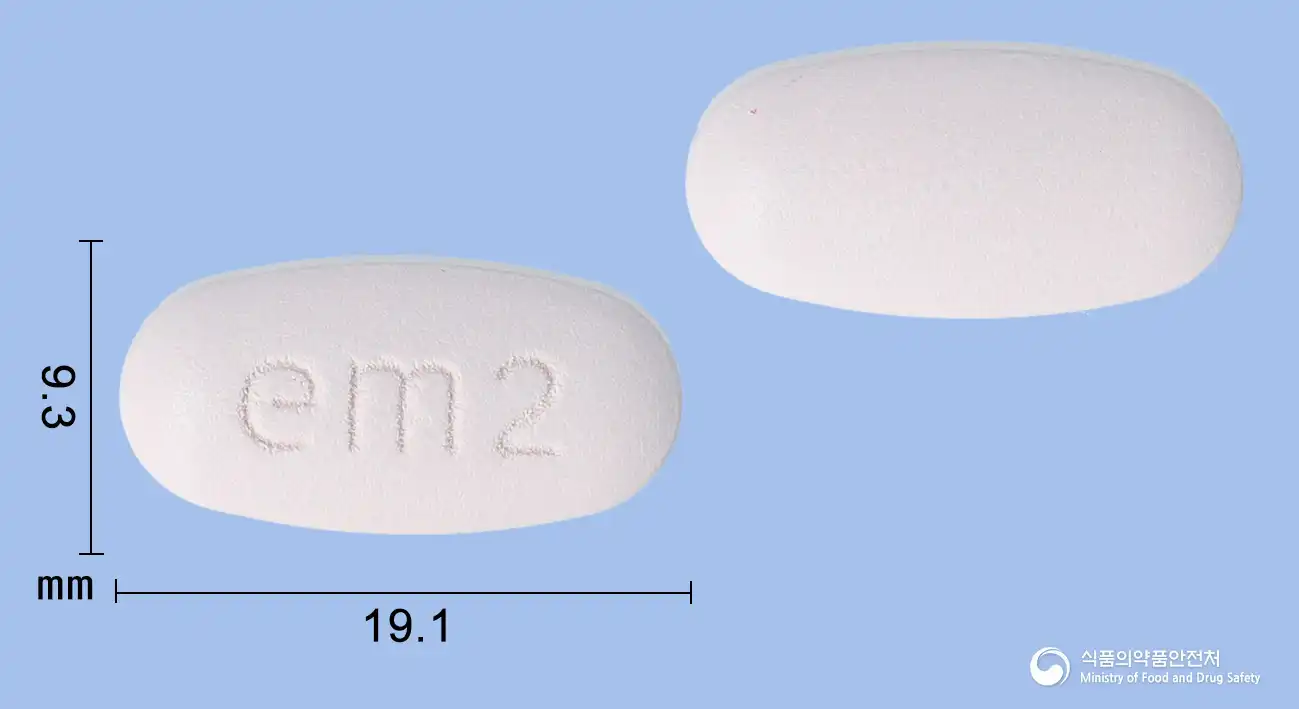 Combination
Empagliflozin L-Proline 15.7mg · Metformin Hydrochloride 850mg
Tablet · Prescription medication · Combination
(Co., Ltd.) Chong Kun Dang
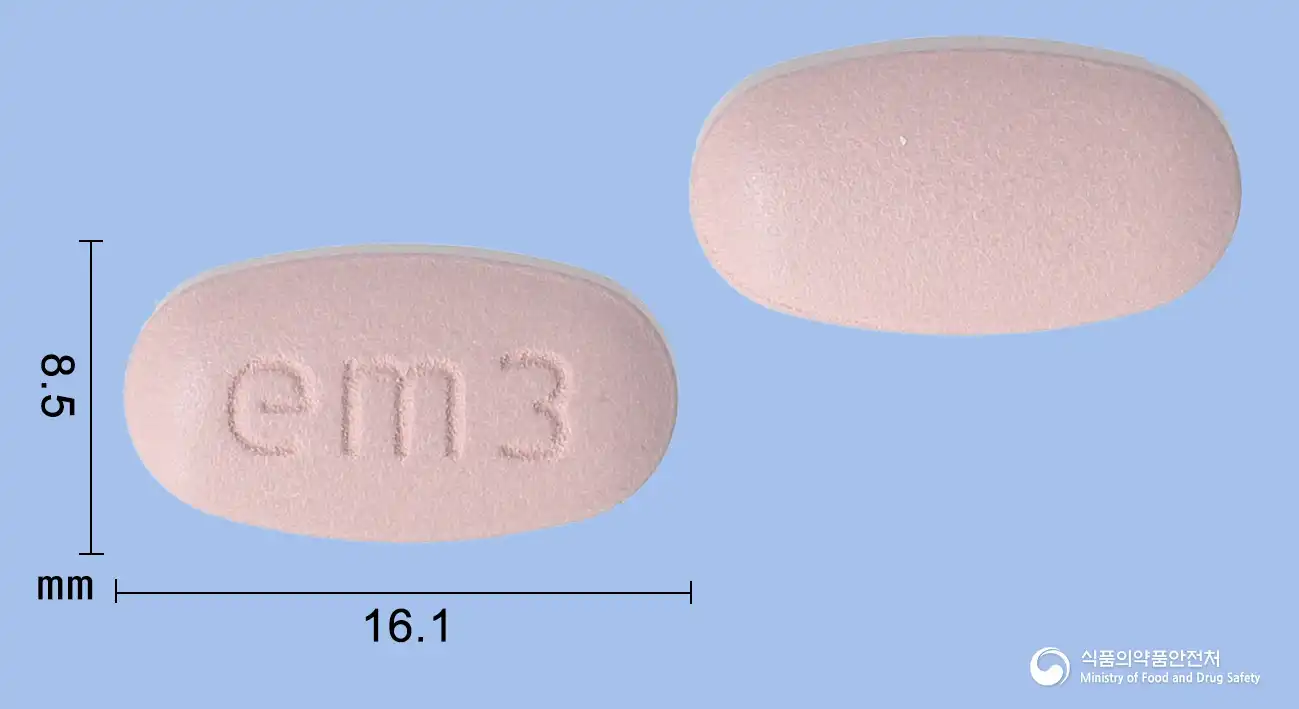 Combination
Empagliflozin L-Proline 15.7mg · Metformin Hydrochloride 500mg
Tablet · Prescription medication · Combination
Jonggeun Dang Co., Ltd.
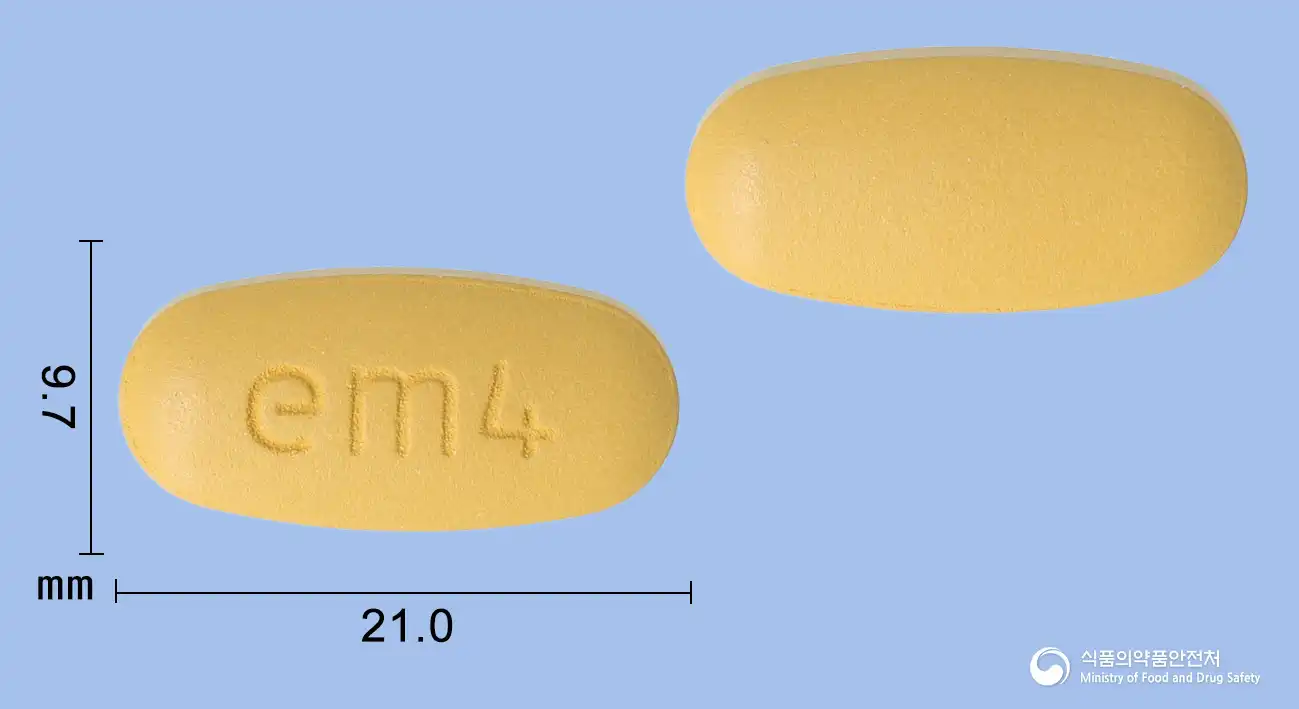 Combination
Empagliflozin L-Proline 6.28mg · Metformin Hydrochloride 1000mg
Tablet · Prescription medication · Combination
Jongkundang Co., Ltd.
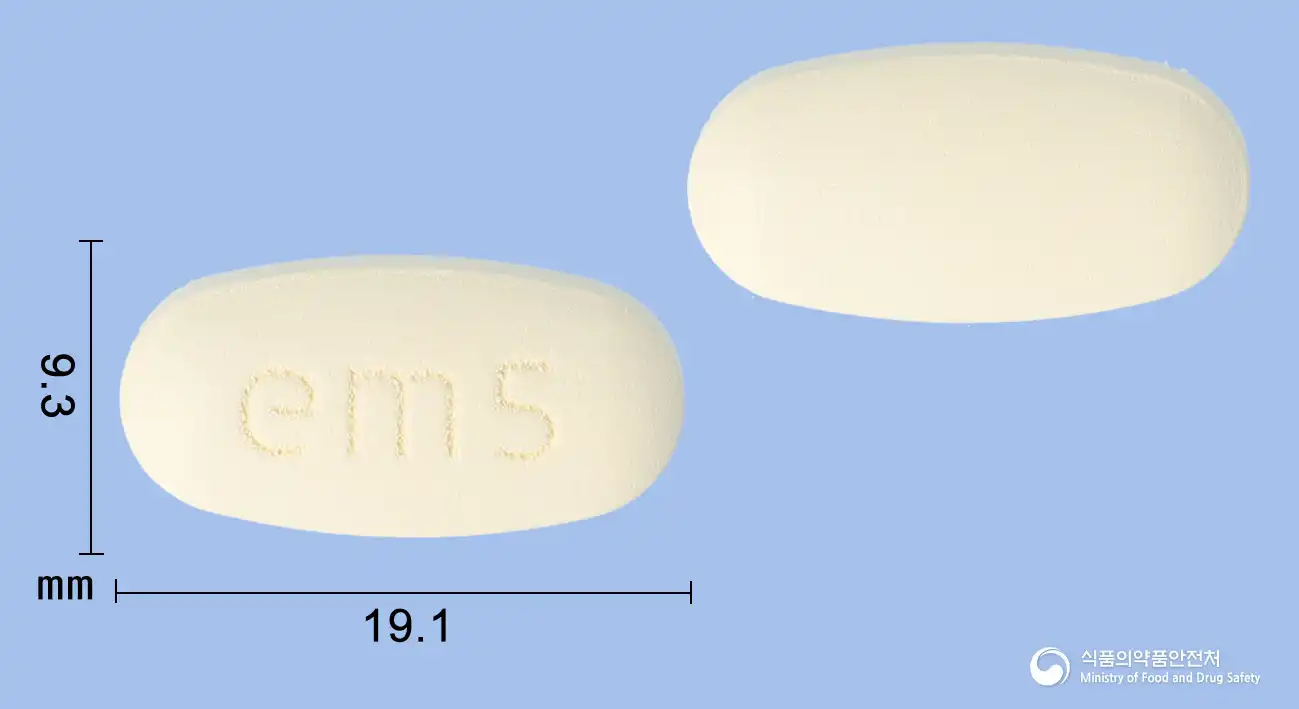 Combination
Empagliflozin L-Proline 6.28mg · Metformin Hydrochloride 850mg
Tablet · Prescription medication · Combination
Jongkundang Co., Ltd.
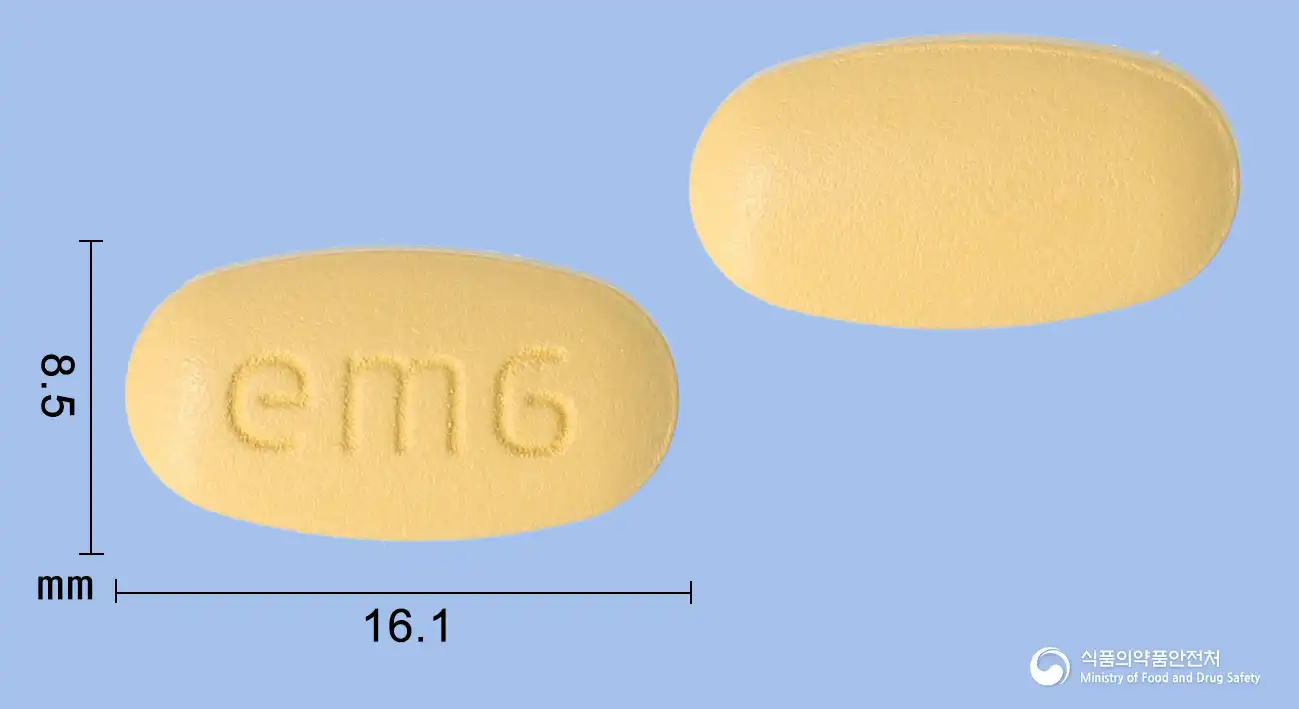 Combination
Empagliflozin L-Proline 6.28mg · Metformin Hydrochloride 500mg
Tablet · Prescription medication · Combination
Jongkundang Co., Ltd.
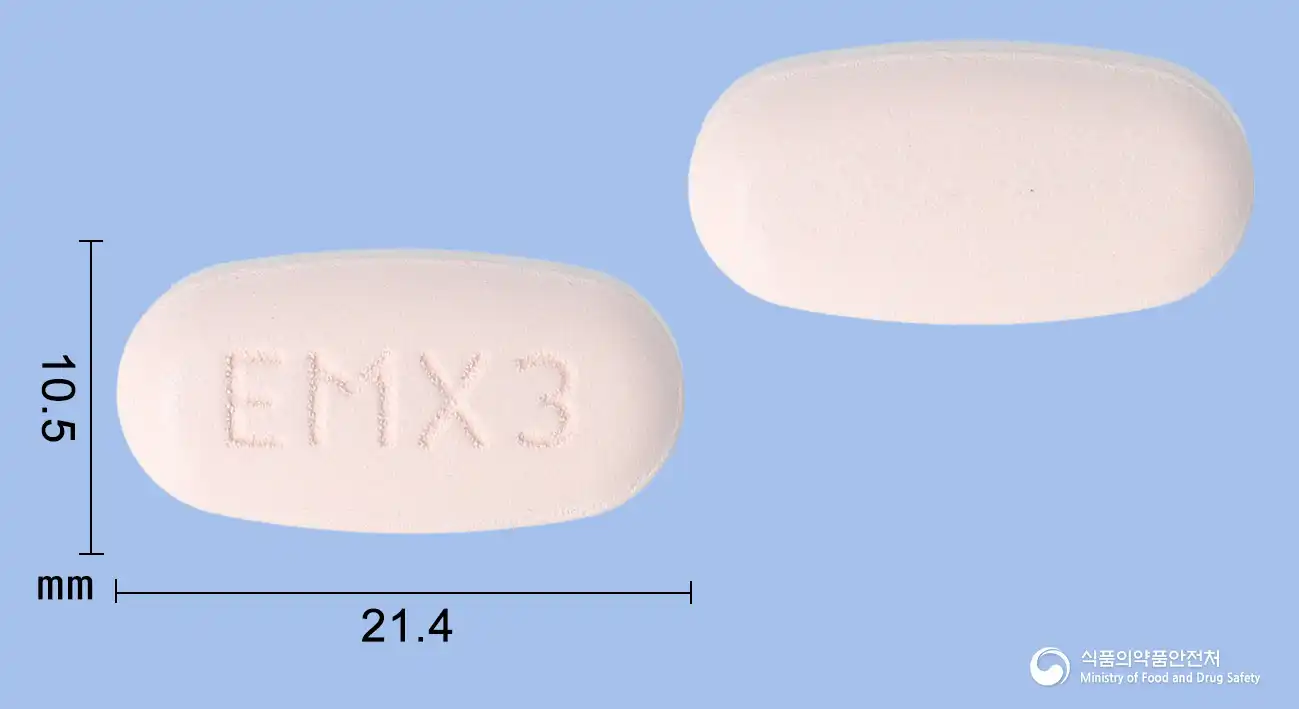 Combination
Empagliflozin L-Proline 12.55mg · Metformin Hydrochloride 1000mg
Tablet · Prescription medication · Combination
Jongkundang Co., Ltd.
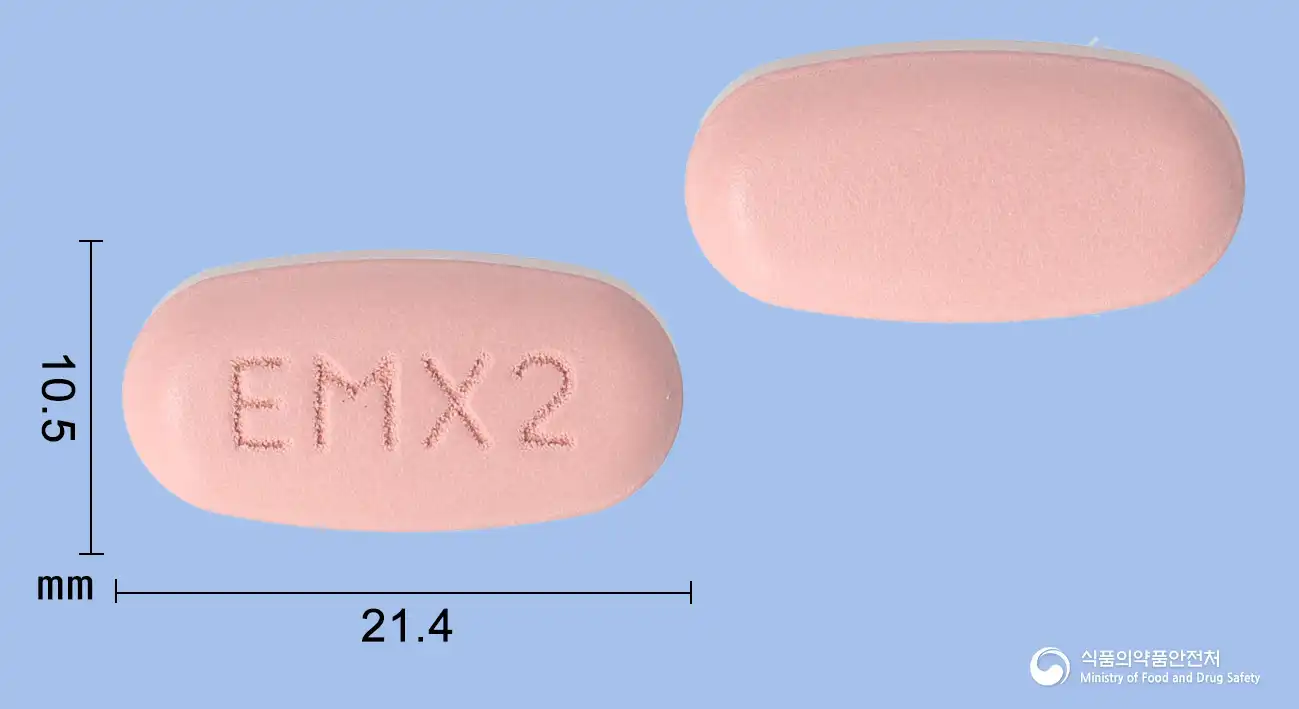 Combination
Empagliflozin L-Proline 31.38mg · Metformin Hydrochloride 1000mg
Tablet · Prescription medication · Combination
Jongkundang Co., Ltd.
Even with the same ingredient, the dose and directions can differ by strength and dosage form. Talk to a doctor or pharmacist before switching from a medication you are already taking.
No questions yet.
For anything that needs medical judgment, consult a doctor or pharmacist.
This drug information is based on data provided by the Korea Ministry of Food and Drug Safety.
Consult a doctor or pharmacist for accurate dosage, administration, and usage instructions.