
 한국어
한국어 English
 日本語
日本語 中文(简体)
Dosage form image
Viewing nowCombinationPosidiam Extended-Release Tablet 5/1000 mg
Dapagliflozin citric acid 7.35mg · Metformin Hydrochloride 1000mg
Tablet · Prescription medication · Combination
Kukje Pharmaceutical Co., Ltd.
MFDS item code 202107223 · Approved 2021.10.29
Effect on blood sugar control in type 2 diabetes and prevention of cardiovascular events
This drug helps improve blood sugar control in adults with type 2 diabetes when dapagliflozin and metformin are administered together. It can be used in conjunction with diet and exercise therapy and is suitable when blood sugar is not adequately controlled. Caution is needed regarding the cardiovascular effects of dapagliflozin, especially in patients with pre-existing cardiovascular diseases or risk factors, thus professional guidance is recommended. This drug effectively improves blood sugar control in patients with type 2 diabetes.
This medication is typically administered once daily with the evening meal. The maximum dosage is 10 mg of dapagliflozin/2000 mg of extended-release metformin once daily, taking 2 tablets of 5 mg/1000 mg. For patients with no previous experience with diabetes medication treatment, the initial regimen is to take 1 tablet of 5 mg/500 mg or 10 mg/500 mg once daily. To minimize gastrointestinal side effects from metformin, dosage should be adjusted gradually.
This drug is used for the treatment of diabetes and should not be administered to patients with poor kidney function or certain severe diseases. This drug can rarely cause a serious metabolic complication known as lactic acidosis, therefore if symptoms or risk factors are present, you should consult your doctor immediately. Additionally, this drug carries a risk of hypoglycemia when used together with insulin or sulfonylurea medications, so blood sugar levels should be monitored closely. For elderly patients with decreased kidney function or those with low fluid volume, kidney function and fluid status should be evaluated before administration, and regular monitoring is necessary during treatment. This drug may cause genital and urinary tract infections in some patients, so treatment should be sought immediately if related symptoms arise. During treatment, excessive alcohol consumption should be avoided, and it is safer not to use in patients with impaired liver function, pregnant women, or nursing mothers. Before and after surgeries or tests using iodinated contrast agents, this medication should be discontinued for a certain period, and it should be restarted only after confirming normal kidney function. This drug may reduce vitamin B12 levels, so regular checks of vitamin B12 levels are recommended during long-term use. In case of overdose, immediately visit a medical institution for appropriate treatment, and this drug's safety and effectiveness have not been established in children. During treatment, dizziness may occur when driving or operating machinery, so caution is necessary. Finally, this medication should be kept out of the reach of children and stored in its original container to prevent quality deterioration.
Severe lactic acidosis, severe hypoglycemia, acute kidney injury, lactic acidosis, ketoacidosis, urosepsis, pyelonephritis, severe allergic reactions, severe skin adverse reactions, serious neurological symptoms (Guillain-Barré syndrome, facial paralysis, peripheral neuropathy), acute cholecystitis, atrial fibrillation, cardiac disorders (atrial fibrillation), perineal necrosis, chest pain, headache (including severe headache), hypertension, edema (severe edema), injury, toxicity and procedure-related complications (fever
Not everyone experiences these, and they can vary from person to person.
This drug can be sensitive to air and moisture, so it should be kept in a tightly sealed container. It is preferable to store at room temperature, that is, between 1 and 30 degrees Celsius. Proper storage will help maintain the drug's effectiveness over time.
Dark pink, biconvex, egg-shaped film-coated tablet
30 tablets/bottle
Even with the same ingredient, strength, dosage form and how it is taken can differ.
Dapagliflozin citric acid 7.35mg · Metformin Hydrochloride 1000mg
Tablet · Prescription medication · Combination
Kukje Pharmaceutical Co., Ltd.
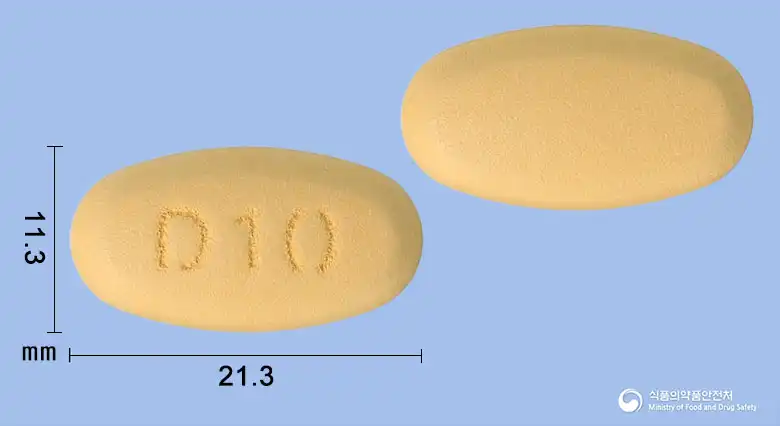 Combination
Dapagliflozin citric acid 14.7mg · Metformin Hydrochloride 1000mg
Tablet · Prescription medication · Combination
HK Inno.N Co., Ltd.
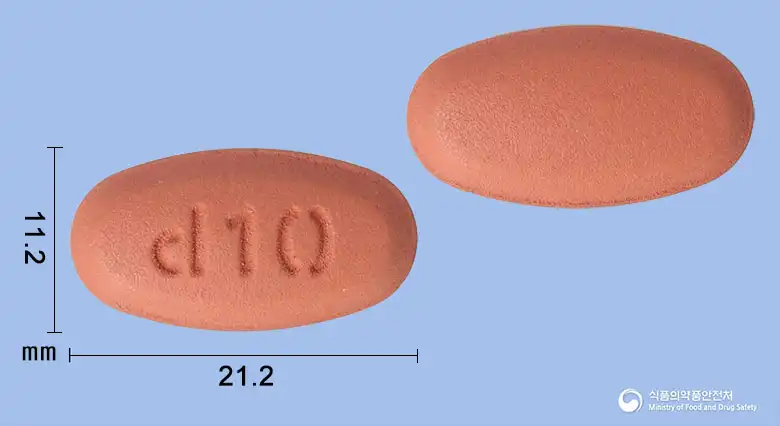 Combination
Dapagliflozin citric acid 7.35mg · Metformin Hydrochloride 1000mg
Tablet · Prescription medication · Combination
HK inno.N Co., Ltd.
Dapagliflozin citric acid 14.7mg · Metformin Hydrochloride 1000mg
Tablet · Prescription medication · Combination
Poonglim Pharmaceutical Co., Ltd.
Dapagliflozin citric acid 7.35mg · Metformin Hydrochloride 1000mg
Tablet · Prescription medication · Combination
Punglim Muhak Co., Ltd.
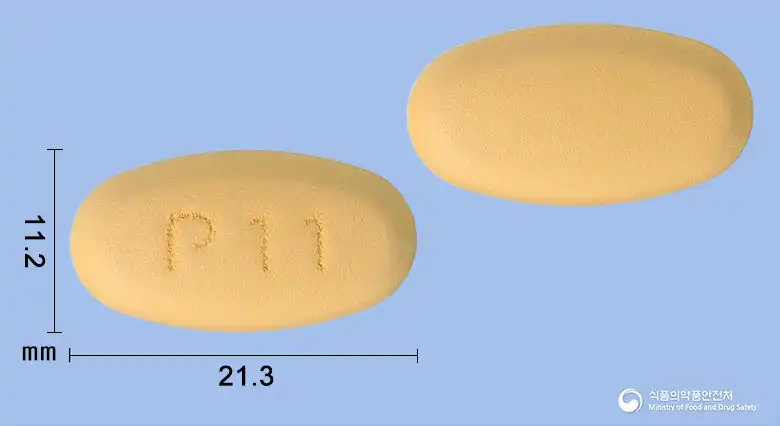 Combination
Dapagliflozin citric acid 14.7mg · Metformin Hydrochloride 1000mg
Tablet · Prescription medication · Combination
Korea Prime Pharmaceutical Co., Ltd.
Dapagliflozin citric acid 7.35mg · Metformin Hydrochloride 1000mg
Tablet · Prescription medication · Combination
Korea Prime Pharmaceutical Co., Ltd.
 Combination
Dapagliflozin citric acid 14.7mg · Metformin Hydrochloride 1000mg
Tablet · Prescription medication · Combination
KS Pharm Co., Ltd.
Even with the same ingredient, the dose and directions can differ by strength and dosage form. Talk to a doctor or pharmacist before switching from a medication you are already taking.
No questions yet.
For anything that needs medical judgment, consult a doctor or pharmacist.
This drug information is based on data provided by the Korea Ministry of Food and Drug Safety.
Consult a doctor or pharmacist for accurate dosage, administration, and usage instructions.