
 한국어
한국어 English
 日本語
日本語 中文(简体)
 Viewing nowCombination
Flogaduo Extended Release Tablet 10/1000 milligrams
Dapagliflozin citric acid 14.7mg · Metformin Hydrochloride 1000mg
Tablet · Prescription medication · Combination
NexPharm Korea Co., Ltd.
MFDS item code 202107220 · Approved 2021.10.29 · Insurance code 662504680
Effect of blood glucose control and prevention of cardiovascular events in type 2 diabetes
This medication helps control blood sugar levels in adults with type 2 diabetes by using dapagliflozin and metformin together. It is administered to patients who are also following dietary and exercise regimens, and is particularly effective when blood sugar is not sufficiently controlled. It can also be applied to diabetes patients with cardiovascular diseases or risk factors. However, it is important to refer to professional information for detailed information regarding the occurrence of cardiovascular events. This medication aids diabetes management by improving blood glucose control.
The dosage of this medication should be individualized based on the patient's current treatment regimen, efficacy, and tolerability, not exceeding the maximum recommended doses of dapagliflozin 10mg and extended-release metformin 2000mg. Generally, it is administered once daily with the evening meal. The maximum dosage is dapagliflozin 10mg/extended-release metformin 2000mg once daily, given as two tablets of 5mg/1000mg. It is used as initial therapy.
This medication is an anti-diabetic drug that helps control blood sugar levels and contains two components that work to lower blood sugar. While taking this medication, rare but serious metabolic complications known as lactic acidosis can occur, particularly in patients with poor kidney function or issues involving heart and liver function. Additionally, the risk of hypoglycemia may increase when used in conjunction with insulin or sulfonylureas, so close monitoring of blood sugar changes is necessary. This medication should not be administered to patients with moderate to severe kidney impairment, dehydration, acute infections, severe heart failure, or acute myocardial infarction. Patients scheduled for surgery or radiological contrast examinations should temporarily discontinue this medication and resume after confirming normal kidney function post-examination. Pregnant or breastfeeding women should not take this medication, and special caution is needed for children or elderly individuals aged 80 and over. This medication can cause a decrease in fluid volume or low blood pressure, so elderly patients or those on diuretics should frequently check their blood pressure and fluid status. During treatment, incidences of genital and urinary tract infections may increase, and immediate medical attention is necessary if symptoms of infection arise. Vitamin B12 levels may decrease, so regular testing of vitamin B12 levels is advisable during long-term use. Alcohol consumption can increase the risk of lactic acidosis, so it is safer to avoid drinking during treatment. Patients should be aware of symptoms related to hypoglycemia, lactic acidosis, and ketoacidosis while on this medication, and consult with medical professionals if any abnormal symptoms appear. Finally, this medication should not be used in children, pregnant women, or patients with severe kidney impairment, and because there are drug interactions, it is essential to inform healthcare providers about any other medications being taken.
Severe lactic acidosis (symptoms related to lactic acidosis: fatigue, myalgia, dyspnea, weakness, abdominal pain, hypothermia, hypotension, resistant bradyarrhythmias), severe allergic reactions (hives, severe swelling, chest tightness, difficulty breathing, cold sweat, pallor), severe dermatological reactions (severe rash with fever, blisters, skin peeling, pain in mouth/eye mucosa), respiratory issues (shortness of breath or difficulty breathing, asthma attacks, cough
Vulvovaginitis, balanitis, genital infections, urinary tract infections, fungal infections, hypoglycemia (when used with sulfonylureas or insulin), decreased fluid volume, thirst, dizziness, constipation, dry mouth, lower back pain, painful urination, polyuria, nocturia, vulvar itching, genital itching, elevated hematocrit, increased serum creatinine, dyslipidemia, weight loss, headache, paresthesia, tremor, upper abdominal pain, dyspepsia, abdominal discomfort, diarrhea, hypersensitivity
Not everyone experiences these, and they can vary from person to person.
This medication should be stored in a sealed container to protect it from exposure to air and moisture. It is important to maintain a storage temperature between 1 and 30 degrees Celsius.
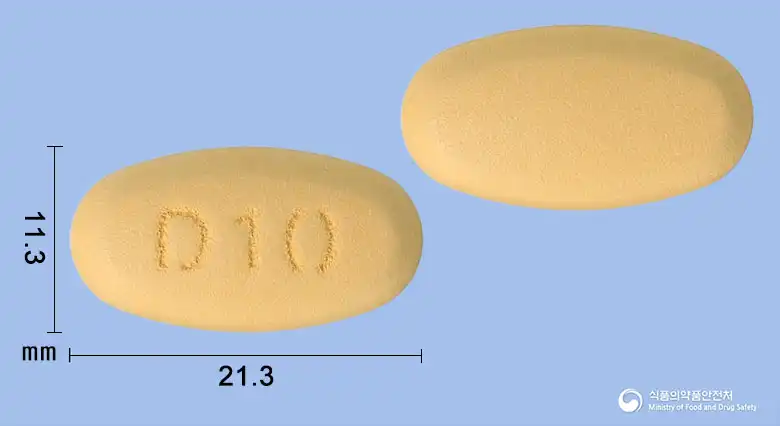
Yellow, oval, film-coated tablet with a biconvex shape
30 tablets/bottle
Even with the same ingredient, strength, dosage form and how it is taken can differ.
Viewing nowCombinationDapagliflozin citric acid 14.7mg · Metformin Hydrochloride 1000mg
Tablet · Prescription medication · Combination
NexPharm Korea Co., Ltd.
 Combination
Dapagliflozin citric acid 14.7mg · Metformin Hydrochloride 1000mg
Tablet · Prescription medication · Combination
HK Inno.N Co., Ltd.
 Combination
Dapagliflozin citric acid 7.35mg · Metformin Hydrochloride 1000mg
Tablet · Prescription medication · Combination
HK inno.N Co., Ltd.
Dapagliflozin citric acid 14.7mg · Metformin Hydrochloride 1000mg
Tablet · Prescription medication · Combination
Poonglim Pharmaceutical Co., Ltd.
Dapagliflozin citric acid 7.35mg · Metformin Hydrochloride 1000mg
Tablet · Prescription medication · Combination
Punglim Muhak Co., Ltd.
 Combination
Dapagliflozin citric acid 14.7mg · Metformin Hydrochloride 1000mg
Tablet · Prescription medication · Combination
Korea Prime Pharmaceutical Co., Ltd.
Dapagliflozin citric acid 7.35mg · Metformin Hydrochloride 1000mg
Tablet · Prescription medication · Combination
Korea Prime Pharmaceutical Co., Ltd.
 Combination
Dapagliflozin citric acid 14.7mg · Metformin Hydrochloride 1000mg
Tablet · Prescription medication · Combination
KS Pharm Co., Ltd.
Even with the same ingredient, the dose and directions can differ by strength and dosage form. Talk to a doctor or pharmacist before switching from a medication you are already taking.
No questions yet.
For anything that needs medical judgment, consult a doctor or pharmacist.
This drug information is based on data provided by the Korea Ministry of Food and Drug Safety.
Consult a doctor or pharmacist for accurate dosage, administration, and usage instructions.