
 한국어
 English
 日本語
 中文(简体)
Dosage form image
Viewing nowCombinationK-Duo Extended-Release Tablet 5/1000 mg
Dapagliflozin citric acid 7.35mg · Metformin Hydrochloride 1000mg
Tablet · Prescription medication · Combination
KS Pharmaceutical Co., Ltd.
MFDS item code 202107218 · Approved 2021.10.29
Improvement of glycemic control in adults with type 2 diabetes mellitus
This medication is used to assist blood glucose control in adults with type 2 diabetes. The combination of dapagliflozin and metformin complements the effects of diet and exercise. Particularly, consultation with a specialist is necessary before use for patients whose blood glucose is insufficiently controlled and who have cardiovascular diseases or risk factors. This medication is used to improve blood glucose control and assist in diabetes management.
The dosage of this medicine should be individualized based on the patient's current treatment regimen, efficacy, and tolerability, without exceeding the maximum recommended doses of dapagliflozin 10mg and extended-release metformin 2000mg. This medicine is generally administered once daily with the evening meal. The maximum dose of this medicine is dapagliflozin 10mg/extended-release metformin 2000mg once daily, administered as two 5mg/1000mg tablets. Patients with no prior experience with antidiabetic drug therapy who have difficulty achieving adequate glycemic control with monotherapy: When used as initial therapy in patients with no prior experience with antidiabetic drug therapy, the recommended starting dose of this medicine is one 5mg/500mg or 10mg/500mg tablet once daily. The dose should be titrated gradually to reduce the gastrointestinal adverse effects of metformin. For patients being treated with metformin, the recommended dose of dapagliflozin is 10mg once daily, and the dose of this medicine should provide the patient's current dose of metformin or the nearest appropriate therapeutic dose. When switching from immediate-release to extended-release metformin, glycemic control should be closely monitored and the dose adjusted appropriately. For patients switching from combination therapy with dapagliflozin and metformin to this medicine, the dose of this medicine may be started at the doses of dapagliflozin and metformin previously being taken. When switching from immediate-release to extended-release metformin, glycemic control should be closely monitored and the dose adjusted appropriately. When this medicine is used in combination with insulin or an insulin secretagogue such as a sulfonylurea, a lower dose of insulin or the insulin secretagogue may be considered to reduce the risk of hypoglycemia. The safety and efficacy of this medicine have not been specifically evaluated in patients switching to it from other glucose-lowering agents. Since any change may result in changes in glycemic control, any changes in the treatment of patients with type 2 diabetes should be made under close monitoring. This medicine must be swallowed whole and must never be crushed, cut, or chewed. Occasionally, inactive ingredients in this medicine may be excreted in the stool as a soft, hydrated mass resembling a tablet. Renal impairment No dosage adjustment is required for patients with mild renal impairment. For patients with an estimated glomerular filtration rate (eGFR) of 45 mL/min/1.73 m2 or more and less than 60 mL/min/1.73 m2 who do not have other conditions that may increase the risk of lactic acidosis, the starting dose of metformin hydrochloride, a component of this medicine, is 500mg once daily, and the maximum daily dose is 1000mg. Administration of this medicine is not recommended in patients with an eGFR below 45 mL/min/1.73m2. If the estimated glomerular filtration rate (eGFR) falls below 45 mL/min/1.73m2, this medicine should be discontinued immediately. Renal function should be assessed every 3~6 months. Older adults Since metformin is excreted through the kidneys and renal function is more likely to decline in older adults, this medicine should be used with caution as age increases (see Precautions for Use, 9. Administration to Older Adults, Patient section).
This medication is used for the treatment of diabetes and should not be taken if kidney function is poor or if there is an acute illness. This medication can very rarely cause severe side effects called lactic acidosis, which can be life-threatening, so immediate consultation with a doctor is required if symptoms appear. Caution is needed when taken with insulin or sulfonylureas due to the risk of hypoglycemia. This medication should not be administered to patients with decreased kidney function, dehydration, severe infections, cardiovascular problems, or liver dysfunction. It is also safe for pregnant or breastfeeding women not to take this medication. In the elderly, kidney function may decline, so kidney function should be regularly monitored before and during treatment. During treatment with this medication, symptoms of reduced fluid volume or low blood pressure may occur, thus blood pressure and fluid status should be regularly checked. This medication may increase the risk of genital infections or urinary tract infections, so immediate treatment is necessary if symptoms of infection arise. Vitamin B12 levels may decrease, so monitoring Vitamin B12 status through blood tests is advised during long-term use. Alcohol consumption may increase the risk of side effects of this medication, so excessive drinking should be avoided. In case of surgery or radioactive iodine contrast examinations, this medication should be discontinued for a certain period, and resumed only after confirming that kidney function is normal. Patients should be aware of symptoms of hypoglycemia, lactic acidosis, and ketoacidosis during treatment; any abnormal symptoms should be reported to a doctor immediately. The safety and efficacy of this medication have not been established in children, so it is not used in this population. During medication use, dizziness may occur while driving or operating machinery, so caution is advised. This medication should be stored out of the reach of children, and kept in its original container to maintain quality.
Not everyone experiences these, and they can vary from person to person.
This medication should be stored in a tightly sealed container to protect it from air and moisture, and it is safely stored at a temperature between 1°C and 30°C.
Dark pink, double convex, egg-shaped film-coated tablet
30 tablets/bottle
Even with the same ingredient, strength, dosage form and how it is taken can differ.
Dapagliflozin citric acid 7.35mg · Metformin Hydrochloride 1000mg
Tablet · Prescription medication · Combination
KS Pharmaceutical Co., Ltd.
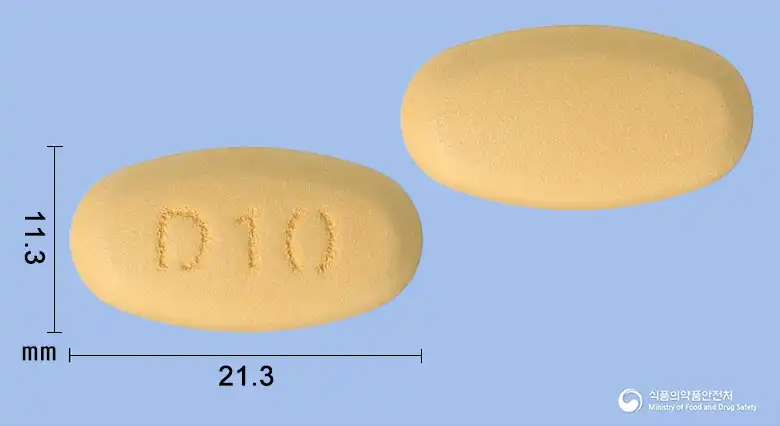 Combination
Dapagliflozin citric acid 14.7mg · Metformin Hydrochloride 1000mg
Tablet · Prescription medication · Combination
HK Inno.N Co., Ltd.
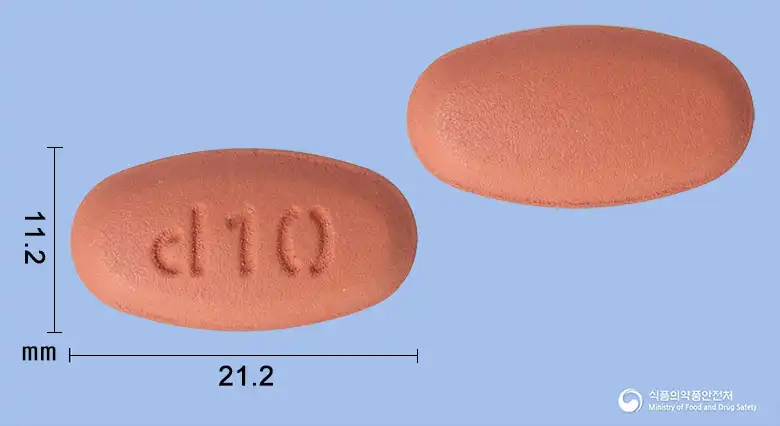 Combination
Dapagliflozin citric acid 7.35mg · Metformin Hydrochloride 1000mg
Tablet · Prescription medication · Combination
HK inno.N Co., Ltd.
Dapagliflozin citric acid 14.7mg · Metformin Hydrochloride 1000mg
Tablet · Prescription medication · Combination
Poonglim Pharmaceutical Co., Ltd.
Dapagliflozin citric acid 7.35mg · Metformin Hydrochloride 1000mg
Tablet · Prescription medication · Combination
Punglim Muhak Co., Ltd.
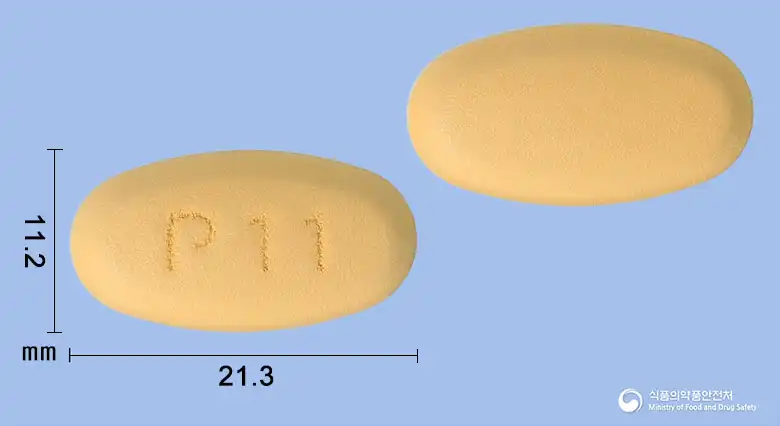 Combination
Dapagliflozin citric acid 14.7mg · Metformin Hydrochloride 1000mg
Tablet · Prescription medication · Combination
Korea Prime Pharmaceutical Co., Ltd.
Dapagliflozin citric acid 7.35mg · Metformin Hydrochloride 1000mg
Tablet · Prescription medication · Combination
Korea Prime Pharmaceutical Co., Ltd.
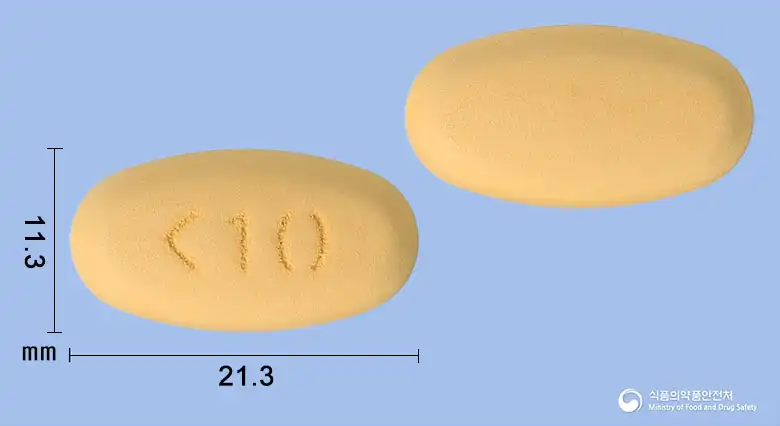 Combination
Dapagliflozin citric acid 14.7mg · Metformin Hydrochloride 1000mg
Tablet · Prescription medication · Combination
KS Pharm Co., Ltd.
Even with the same ingredient, the dose and directions can differ by strength and dosage form. Talk to a doctor or pharmacist before switching from a medication you are already taking.
No questions yet.
For anything that needs medical judgment, consult a doctor or pharmacist.
This drug information is based on data provided by the Korea Ministry of Food and Drug Safety.
Consult a doctor or pharmacist for accurate dosage, administration, and usage instructions.