
 한국어
한국어 English
 日本語
日本語 中文(简体)
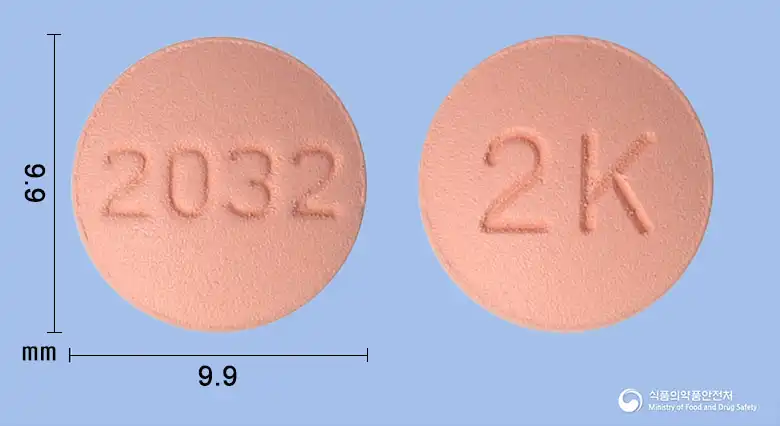 Viewing nowCombination
Rosucande Tablets 20/32 Milligrams
Rosuvastatin Calcium 20.8mg · Candesartan Cilexetil 32mg
Tablet · Prescription medication · Combination
Gunil Biopharm Co., Ltd.
MFDS item code 202107116 · Approved 2021.10.25 · Insurance code 073000750
(Hypertension, heart failure) improvement and (hypercholesterolemia, cardiovascular disease risk) suppression effect
This medication is used for patients who need to take two components, Candesartan Cilexetil and Rosuvastatin together. Candesartan Cilexetil is primarily used for treating essential hypertension and heart failure. It is especially effective in patients with reduced left ventricular function where monotherapy with ACE inhibitors is insufficient or poorly tolerated. Rosuvastatin helps treat hypercholesterolemia and dyslipidemia. It is used as an adjunct when controlled by diet and exercise is not sufficient, reducing the risk of cardiovascular diseases and slowing down the progression of atherosclerosis. It is also used for certain types of familial hypercholesterolemia and dysbetalipoproteinemia. The combination of both components actively manages cardiovascular health by improving blood pressure and serum lipid levels.
This medication is for adults only, and the dosage should be individualized based on the efficacy and tolerability of Candesartan Cilexetil/Rosuvastatin for each patient. ○ Candesartan Cilexetil 1. Essential Hypertension 1) Adults: It is recommended to take Candesartan Cilexetil 8 to 16 mg orally once daily for initial and maintenance doses. If blood pressure is not sufficiently controlled after 4 weeks on 16 mg once daily, the dose may be increased up to a maximum of 32 mg once daily. If blood pressure remains uncontrolled at this dosage, other therapeutic approaches should be considered. Maximum effect is observed within 4 weeks of treatment initiation. 2) Elderly: No need for adjustment of the initial dose. 3) Patients with reduced intravascular effective blood volume: In patients at high risk of hypotension due to reduced effective blood volume, an initial dose of 4 mg should be given with caution. 4) Patients with renal impairment: The initial dose for patients with renal impairment, including those on dialysis, is 4 mg, with dose adjustments based on patient response. Experience is limited for patients with severe or end-stage renal impairment (creatinine clearance < 15 mL/min). 5) Patients with liver impairment: The initial dose for patients with mild to moderate liver impairment is 2 mg once daily, adjusted according to patient response. No experience with severe liver impairment. 6) Pediatric: Safety and efficacy in adolescents and children under 18 years of age have not been established. 2. Heart Failure 1) Adults: An initial dose of 4 mg once daily is recommended. The dose may be doubled at intervals of more than 2 weeks based on patient's tolerability, up to a maximum of 32 mg once daily. 2) Elderly, patients with reduced intravascular effective blood volume, patients with renal impairment, patients with mild to moderate liver impairment: No need for adjustment of the initial dose. 3) Pediatric: Safety and efficacy in adolescents and children under 18 years of age have not been established. ○ Rosuvastatin 1. Primary hypercholesterolemia (including heterozygous familial hypercholesterolemia type IIa), combined hyperlipidemia (type IIb), primary dysbetalipoproteinemia (type III) and homozygous familial hypercholesterolemia Patients receiving this medication should follow a standard cholesterol-lowering diet before and during treatment. The medication can be taken at any time of the day, regardless of meals. The initial dose is 5 mg once daily, and if more LDL-cholesterol reduction is required, it can be adjusted to a maintenance dose. The maintenance dose is 10 mg once a day, where most patients are controlled. The maintenance dose should be adjusted as needed based on LDL cholesterol levels, treatment goals, and patient response at intervals of 4 weeks or more, with a maximum dose of 20 mg once daily. 2. Elderly: No need for dosage adjustment. 3. Patients with renal impairment: No dosage adjustment is needed for patients with mild to moderate renal impairment. Not to be administered to patients with severe renal impairment. Special caution is required when administering 20 mg to patients with moderate renal impairment. 4. Patients with liver impairment: There was no increase in systemic exposure to Rosuvastatin in patients with a Child-Pugh score of 7 or below, but an increase was noted in patients with scores of 8 or 9. Liver function tests should be considered in these patients. There is no experience with administration in patients with a Child-Pugh score exceeding 9. This medication should not be administered to patients with active liver disease. 5. Ethnicity: Increased systemic exposure to this medication occurs in Asian patients; the recommended initial dose is 5 mg. Doses of 40 mg are contraindicated. 6. Patients prone to myopathy: The recommended initial dose is 5 mg for patients prone to myopathy. For some of these patients, the 40 mg dose is contraindicated. Patients taking Candesartan Cilexetil and Rosuvastatin in combination may switch to this medication (a combination product with the same amounts of individual active ingredients) for convenience.
○ Candesartan Cilexetil 6) Pediatric: Safety and efficacy in adolescents and children under 18 years of age have not been established.
This medication can cause serious harm to the fetus, especially during the second and third trimesters of pregnancy, so it must be discontinued immediately if pregnancy is confirmed. This medication should not be administered to patients with certain liver diseases, severe kidney impairment, myopathy, and hereditary angioedema. Careful monitoring is needed when administering to elderly patients, patients with hyperkalemia, and those with mild to moderate liver impairment; liver function and muscle condition should be regularly tested. The medication can cause serious muscle adverse effects such as myalgia, myopathy, and rarely, rhabdomyolysis, so consult a doctor immediately if symptoms like muscle pain or weakness occur. Additionally, as this medication can elevate liver enzyme levels, it is important to undergo liver function tests before and during treatment. It may result in drug interactions when combined with other antihypertensives or specific lipid-lowering agents, potassium-sparing diuretics, etc., and should be taken under a doctor's guidance. Pregnant or breastfeeding women should not use this medication; women of childbearing potential should use appropriate contraception. Safety and efficacy in children have not been established, so use is not recommended for this age group. In case of overdose, symptoms such as hypotension and dizziness may occur; immediate medical assistance should be sought, and there is no specific antidote. Caution should be exercised when driving or operating machinery as dizziness due to blood pressure lowering may occur. Finally, this medication should be stored out of reach of children, and it is safe not to transfer it from its original container to another container.
Hives, angioedema (swelling of the face, lips, tongue, throat), chest tightness, severe swelling (edema), difficulty breathing, cold sweat, pallor, severe rash with fever, blisters, skin peeling, pain in mucous membranes of mouth/eyes, shortness of breath, asthma attacks, respiratory difficulties with cough and fever, jaundice (yellowing of skin or eyes), extreme lethargy, sudden and severe headache, lightning headache, seizures, loss of consciousness.
Not everyone experiences these, and they can vary from person to person.
Store this medication in a sealed container away from air and moisture, preferably at room temperature between 1 degree and 30 degrees Celsius. Proper storage will safely maintain the medication's efficacy.
Pink round film-coated tablets
30 tablets/box [10 tablets/PTP x 3]
Even with the same ingredient, strength, dosage form and how it is taken can differ.
Viewing nowCombinationRosuvastatin Calcium 20.8mg · Candesartan Cilexetil 32mg
Tablet · Prescription medication · Combination
Gunil Biopharm Co., Ltd.
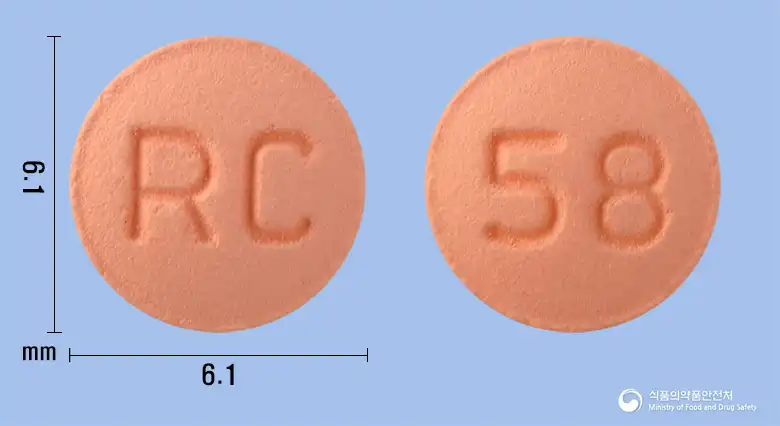 Combination
Rosuvastatin Calcium 5.2mg · Candesartan Cilexetil 8mg
Tablet · Prescription medication · Combination
AlboGen Korea Co., Ltd.
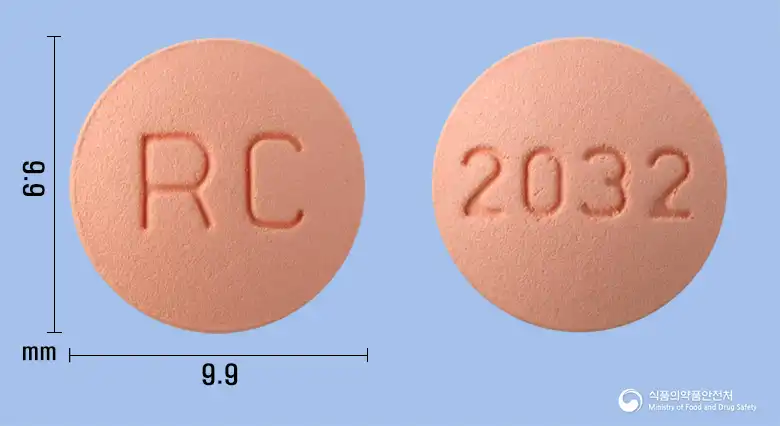 Combination
Rosuvastatin Calcium 20.8mg · Candesartan Cilexetil 32mg
Tablet · Prescription medication · Combination
Albogen Korea Co., Ltd.
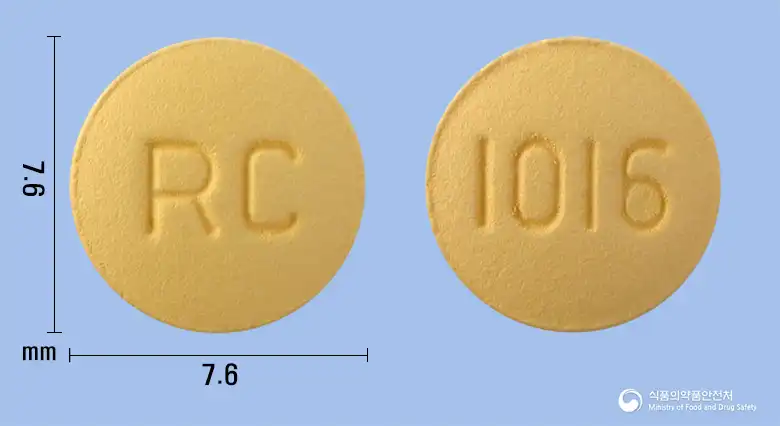 Combination
Rosuvastatin Calcium 10.4mg · Candesartan Cilexetil 16mg
Tablet · Prescription medication · Combination
Alvogen Korea Co., Ltd.
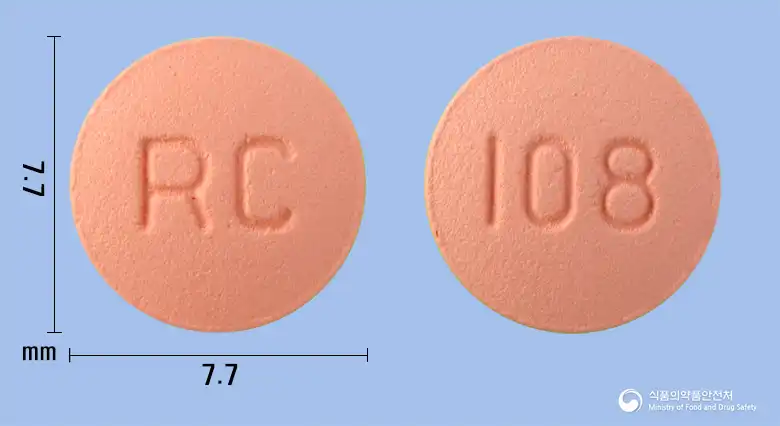 Combination
Rosuvastatin Calcium 10.4mg · Candesartan Cilexetil 8mg
Tablet · Prescription medication · Combination
Alvogen Korea Co., Ltd.
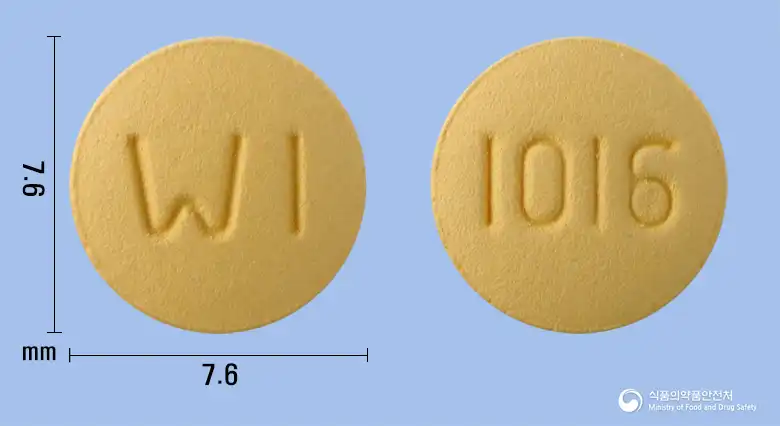 Combination
Rosuvastatin Calcium 10.4mg · Candesartan Cilexetil 16mg
Tablet · Prescription medication · Combination
Hanin Pharmaceutical Co., Ltd.
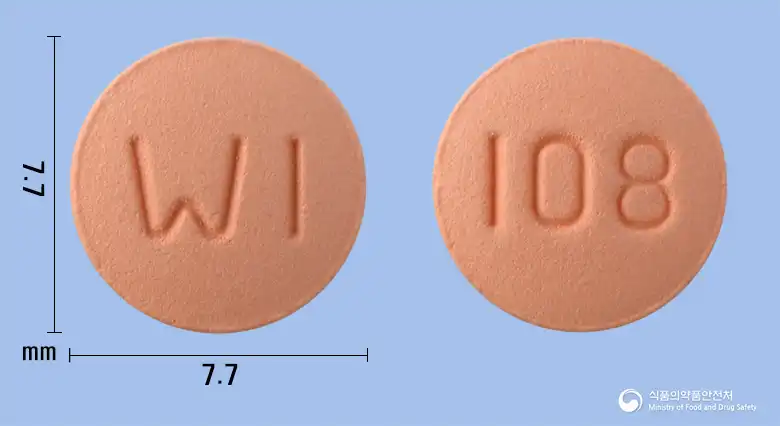 Combination
Rosuvastatin Calcium 10.4mg · Candesartan Cilexetil 8mg
Tablet · Prescription medication · Combination
Hanin Pharmaceutical Co., Ltd.
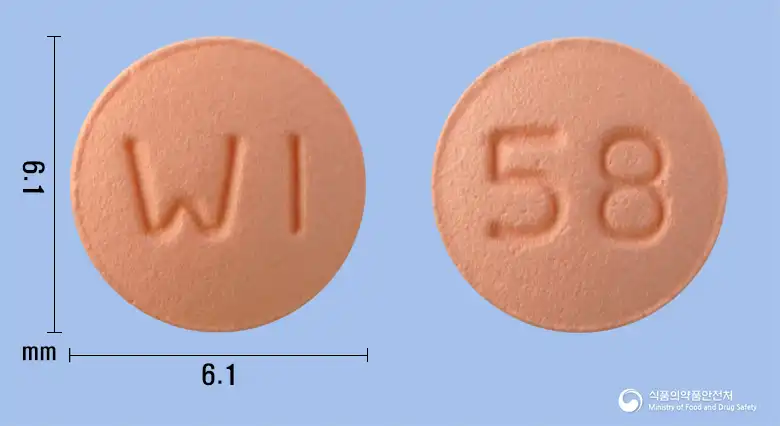 Combination
Rosuvastatin Calcium 5.2mg · Candesartan Cilexetil 8mg
Tablet · Prescription medication · Combination
Hanin Pharmaceutical Co., Ltd.
Even with the same ingredient, the dose and directions can differ by strength and dosage form. Talk to a doctor or pharmacist before switching from a medication you are already taking.
No questions yet.
For anything that needs medical judgment, consult a doctor or pharmacist.
This drug information is based on data provided by the Korea Ministry of Food and Drug Safety.
Consult a doctor or pharmacist for accurate dosage, administration, and usage instructions.