
 한국어
한국어 English
 日本語
日本語 中文(简体)
 Viewing nowCombination
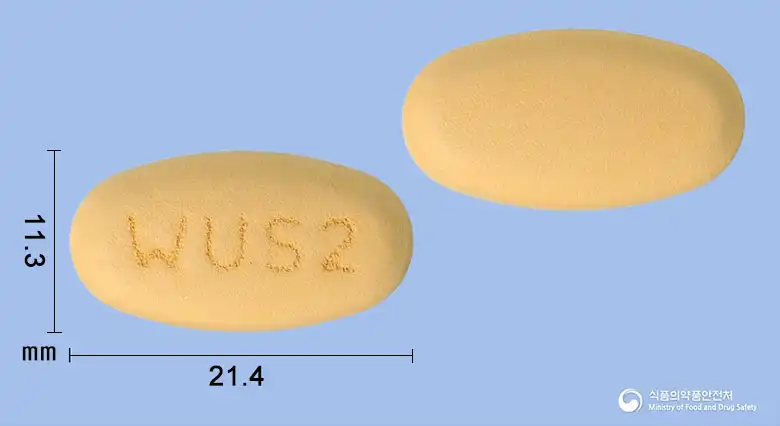
Posimet Extended Release Tablet 10/1000 mg
Dapagliflozin citric acid 14.7mg · Metformin Hydrochloride 1000mg
Tablet · Prescription medication · Combination
Withers Pharmaceuticals Co., Ltd.
MFDS item code 202107048 · Approved 2021.10.20 · Insurance code 660703750
Effectiveness in controlling blood sugar levels in type 2 diabetes and preventing cardiovascular events
This medication assists in improving blood sugar control in adult patients with type 2 diabetes through the combined administration of dapagliflozin and metformin, in conjunction with dietary and exercise therapy. It is specifically used for patients with type 2 diabetes who have inadequate blood sugar control and have cardiovascular disease or risk factors. For additional information related to the occurrence of cardiovascular events, reference to clinical trial information for professionals may be helpful. This medication improves blood sugar control and aids in cardiovascular health management.
This medication is generally administered once daily with the evening meal. The maximum dose is 10 mg of dapagliflozin / 2000 mg of extended-release metformin once daily, and it is administered as 2 tablets of 5 mg/1000 mg. When used as initial therapy in patients with no previous experience with diabetes medication, the recommended starting dose is 1 tablet of either 5 mg/500 mg or 10 mg/500 mg once daily. Gastrointestinal side effects of metformin
This medication can very rarely cause severe lactic acidosis, and caution is needed especially in patients with poor kidney function or those with serious infections, dehydration, etc. When used in conjunction with other diabetes medications, there may be an increased risk of hypoglycemia, so blood sugar levels should be closely monitored. Patients with allergies to this medication's main ingredients or additives, severe kidney impairment, acute myocardial infarction, or heart failure should not use this medication. Before and after tests using iodinated contrast agents, this medication should be temporarily discontinued and confirmed that kidney function is normal before resuming use. In patients with low fluid volume or decreased kidney function, their condition should be well evaluated before administration, and blood pressure and kidney function should be continuously monitored during administration. This medication can affect blood sugar control, so when used with insulin or sulfonylureas, dose adjustments may be necessary to prevent hypoglycemia. During treatment, symptoms such as genital infections, urinary tract infections, hypoglycemia, and dehydration may occur, so if any unusual symptoms arise, immediate consultation with healthcare professionals is advised. Women who are pregnant or may become pregnant, or are breastfeeding, should not use this medication. Elderly patients or those with reduced kidney function should have their doses carefully adjusted, and regular kidney function tests are necessary. In case of overdose, immediate visit to a medical institution for appropriate treatment is required, and if necessary, dialysis may be performed to eliminate the drug. Moreover, excessive alcohol consumption should be avoided while taking this medication, and care should be taken when driving or operating machinery as dizziness may occur.
Lactic acidosis, severe hypoglycemia, severe infections, acute myocardial infarction, acute renal failure, acute kidney injury, ketoacidosis, urosepsis, pyelonephritis, perineal necrosis, severe allergic reactions (hives, severe swelling, chest tightness, difficulty breathing, cold sweat, paleness), severe dermatological reactions (severe rash, blisters, skin peeling, pain in mouth/eyes with high fever), respiratory problems (shortness of breath or difficulty breathing,
Not everyone experiences these, and they can vary from person to person.
This medication should be stored in a tightly sealed container to prevent air and moisture ingress, and it is important to maintain a storage temperature between 1 to 30 degrees at room temperature. Proper storage will help maintain the medication's effectiveness longer.
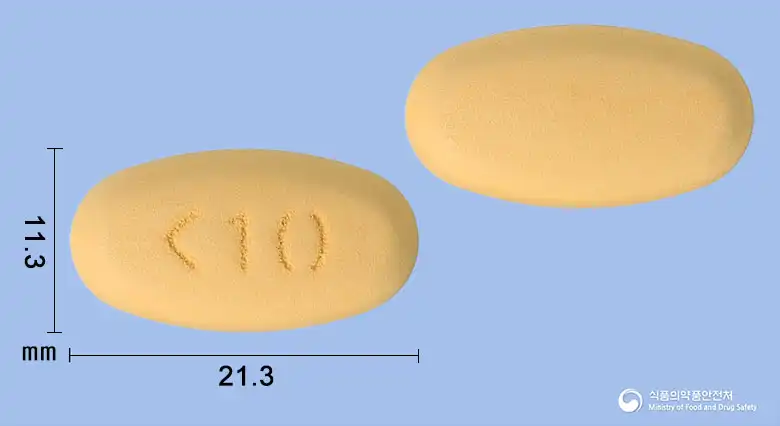
Yellow, film-coated, bilaterally convex egg-shaped tablet
30 tablets/bottle
Even with the same ingredient, strength, dosage form and how it is taken can differ.
Viewing nowCombinationDapagliflozin citric acid 14.7mg · Metformin Hydrochloride 1000mg
Tablet · Prescription medication · Combination
Withers Pharmaceuticals Co., Ltd.
 Combination
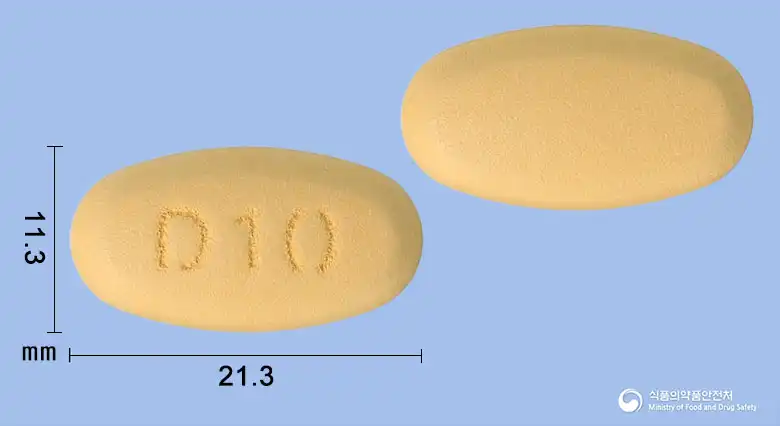
Dapagliflozin citric acid 14.7mg · Metformin Hydrochloride 1000mg
Tablet · Prescription medication · Combination
HK Inno.N Co., Ltd.
 Combination
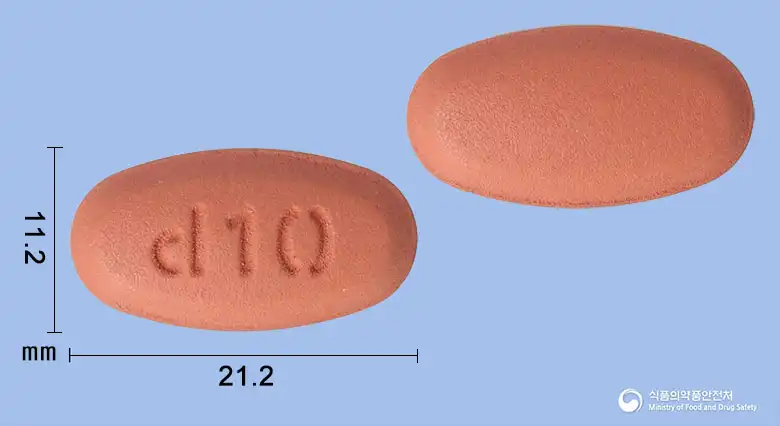
Dapagliflozin citric acid 7.35mg · Metformin Hydrochloride 1000mg
Tablet · Prescription medication · Combination
HK inno.N Co., Ltd.
Dapagliflozin citric acid 14.7mg · Metformin Hydrochloride 1000mg
Tablet · Prescription medication · Combination
Poonglim Pharmaceutical Co., Ltd.
Dapagliflozin citric acid 7.35mg · Metformin Hydrochloride 1000mg
Tablet · Prescription medication · Combination
Punglim Muhak Co., Ltd.
 Combination
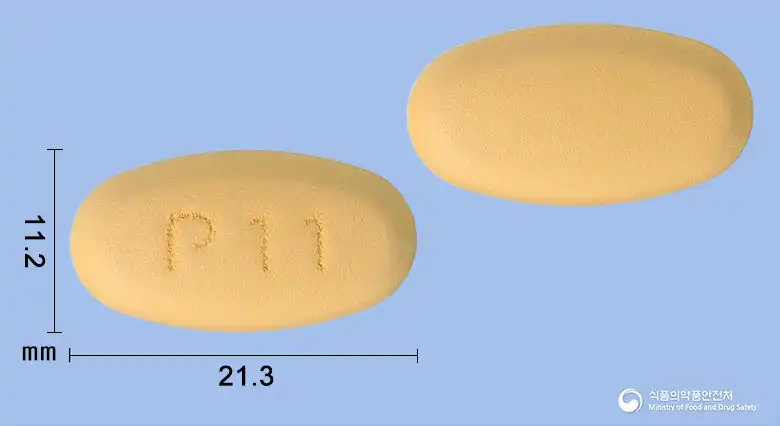
Dapagliflozin citric acid 14.7mg · Metformin Hydrochloride 1000mg
Tablet · Prescription medication · Combination
Korea Prime Pharmaceutical Co., Ltd.
Dapagliflozin citric acid 7.35mg · Metformin Hydrochloride 1000mg
Tablet · Prescription medication · Combination
Korea Prime Pharmaceutical Co., Ltd.
 Combination
Dapagliflozin citric acid 14.7mg · Metformin Hydrochloride 1000mg
Tablet · Prescription medication · Combination
KS Pharm Co., Ltd.
Even with the same ingredient, the dose and directions can differ by strength and dosage form. Talk to a doctor or pharmacist before switching from a medication you are already taking.
No questions yet.
For anything that needs medical judgment, consult a doctor or pharmacist.
This drug information is based on data provided by the Korea Ministry of Food and Drug Safety.
Consult a doctor or pharmacist for accurate dosage, administration, and usage instructions.