
 한국어
 English
 日本語
 中文(简体)
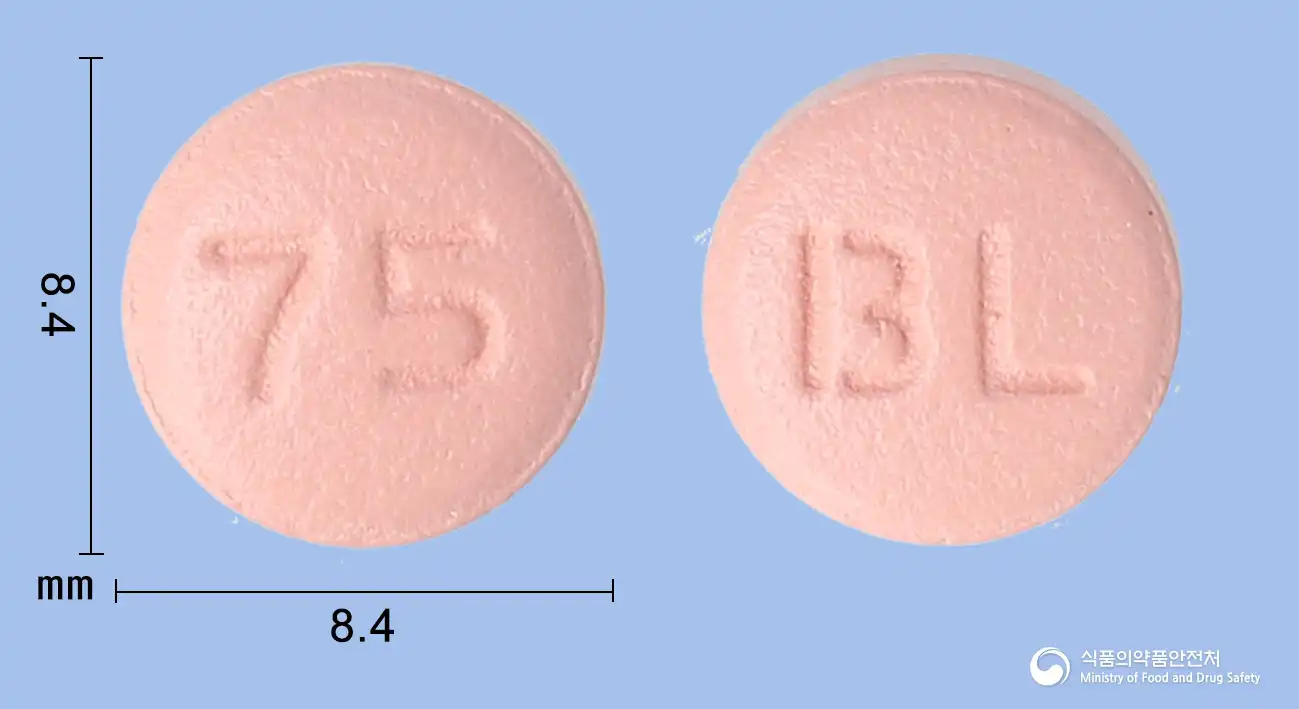 Viewing now
Biel Clovis Tablet (Clopidogrel Hydrogen Sulfate)
Clopidogrel Bisulfate 97.875mg
Tablet · Prescription medication
Seongyi Biopharmaceutical Co., Ltd.
MFDS item code 202107045 · Approved 2021.10.20 · Insurance code 072400320
Improvement of symptoms of atherosclerosis and acute coronary syndrome; prevention of thromboembolism in atrial fibrillation
This medicine is used to improve symptoms caused by atherosclerosis in adult patients with ischemic stroke, myocardial infarction, or peripheral artery disease. It also helps reduce risks associated with heart and cerebrovascular conditions and improves symptoms in patients undergoing treatment for acute coronary syndrome. In patients with atrial fibrillation who have a low risk of bleeding and vascular risk factors, it aids in reducing the risks of stroke and thromboembolism. In summary, this medication protects vascular health and effectively lowers the risk of recurrence of cardiovascular and cerebrovascular diseases, thus improving health.
○ Adults 1. In patients with ischemic stroke, myocardial infarction, or peripheral arterial disease, administer clopidogrel 75 mg orally once daily. 2. In patients with acute coronary syndrome (unstable angina or non-Q-wave myocardial infarction), on the day treatment with this medicine is initiated, start with a loading dose of 300 mg once daily, followed by a maintenance dose of 75 mg orally once daily. Aspirin 75 ~ 325 mg should be coadministered with this medicine once daily. 3. In patients with atrial fibrillation, administer this medicine 75 mg orally once daily. Aspirin 75 ~ 100 mg should be coadministered with this medicine once daily. ○ Patients with renal impairment : Treatment experience in patients with renal impairment is limited. ○ Patients with hepatic impairment : Treatment experience in patients with moderate hepatic disease and bleeding diathesis is limited. This medicine may be administered with or without food.
This medication inhibits platelet aggregation in the blood to prevent thrombus formation. Patients who have genetically diminished function of a specific enzyme (CYP2C19) may experience reduced effectiveness of this medication; in such cases, alternative treatments should be considered. Concomitant use of this medication with drugs that increase enzyme activity may enhance the risk of bleeding, so such combinations should be avoided. Patients with allergies to this medication or its components, those with bleeding disorders, severe liver damage, pregnant women, and those with lactose intolerance should not take this medication. Patients at high risk of bleeding or those scheduled for surgery should exercise caution when taking this medication and it is recommended to discontinue use 5-7 days prior to surgery. This medication may increase the risk of bleeding, so any bleeding symptoms should be reported to a physician immediately. Care should be taken as the risk of bleeding may be higher when used in combination with other antiplatelet agents, anticoagulants, non-steroidal anti-inflammatory drugs (NSAIDs), and selective serotonin reuptake inhibitors (SSRIs). Rarely, this medication may cause a serious blood disorder known as Thrombotic Thrombocytopenic Purpura (TTP), so patients should inform their healthcare professional immediately if they experience thrombocytopenia or signs of bleeding. During pregnancy, the risk to the fetus is low, but caution is warranted due to bleeding risks during delivery, and nursing mothers should consult a healthcare professional before use. Elderly patients or those with impaired renal or liver function may be at increased risk for bleeding and may require dose adjustments and close monitoring. In case of overdose, bleeding time may be prolonged and bleeding complications may occur, so adherence to prescribed dosage is crucial, and platelet transfusion may be necessary to reverse the effect if required. This medicine should be kept out of reach of children and should not be transferred to other containers.
Not everyone experiences these, and they can vary from person to person.
This medication must be stored in a tightly closed container to protect it from exposure to air and humidity. It is important to maintain storage temperatures between 1 and 30 degrees Celsius at room temperature.
Pink round film-coated tablet
30 tablets/bottle, 300 tablets/bottle
Even with the same ingredient, strength, dosage form and how it is taken can differ.
Viewing nowClopidogrel Bisulfate 97.875mg
Tablet · Prescription medication
Seongyi Biopharmaceutical Co., Ltd.
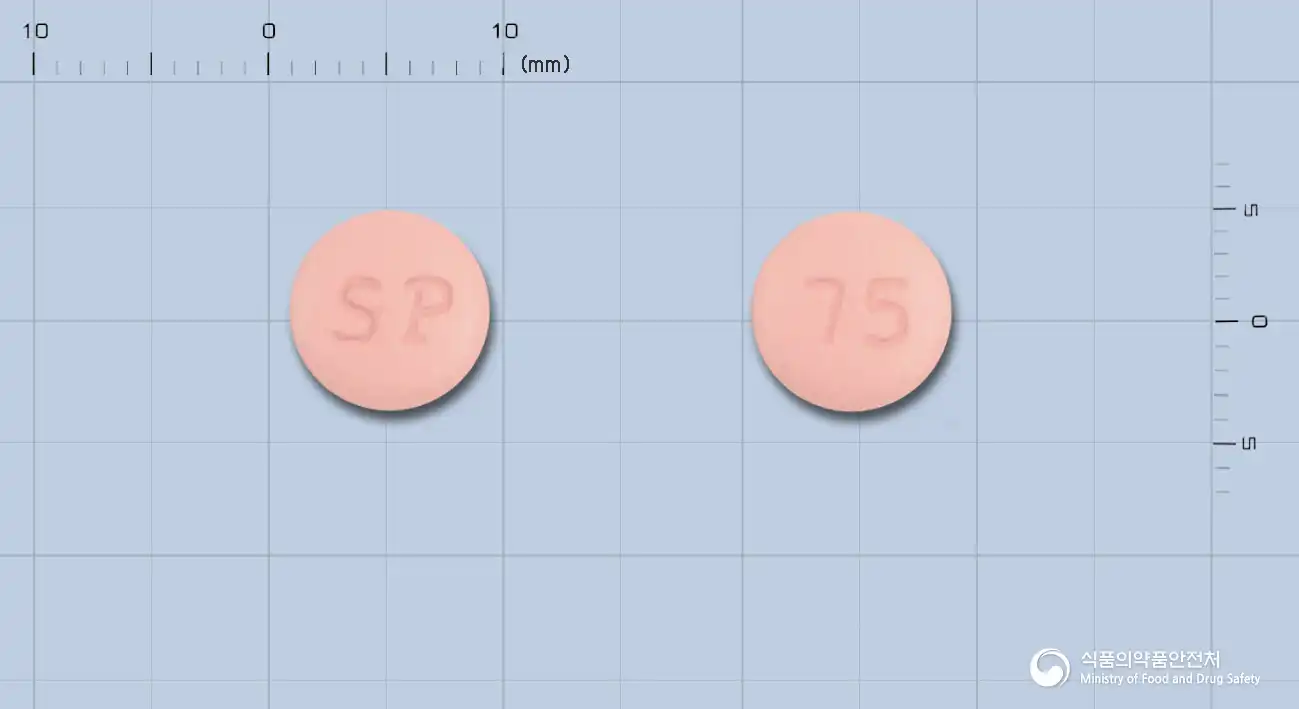
Clopidogrel Bisulfate 97.875mg
Tablet · Prescription medication
Shinpoong Pharmaceutical Co., Ltd.
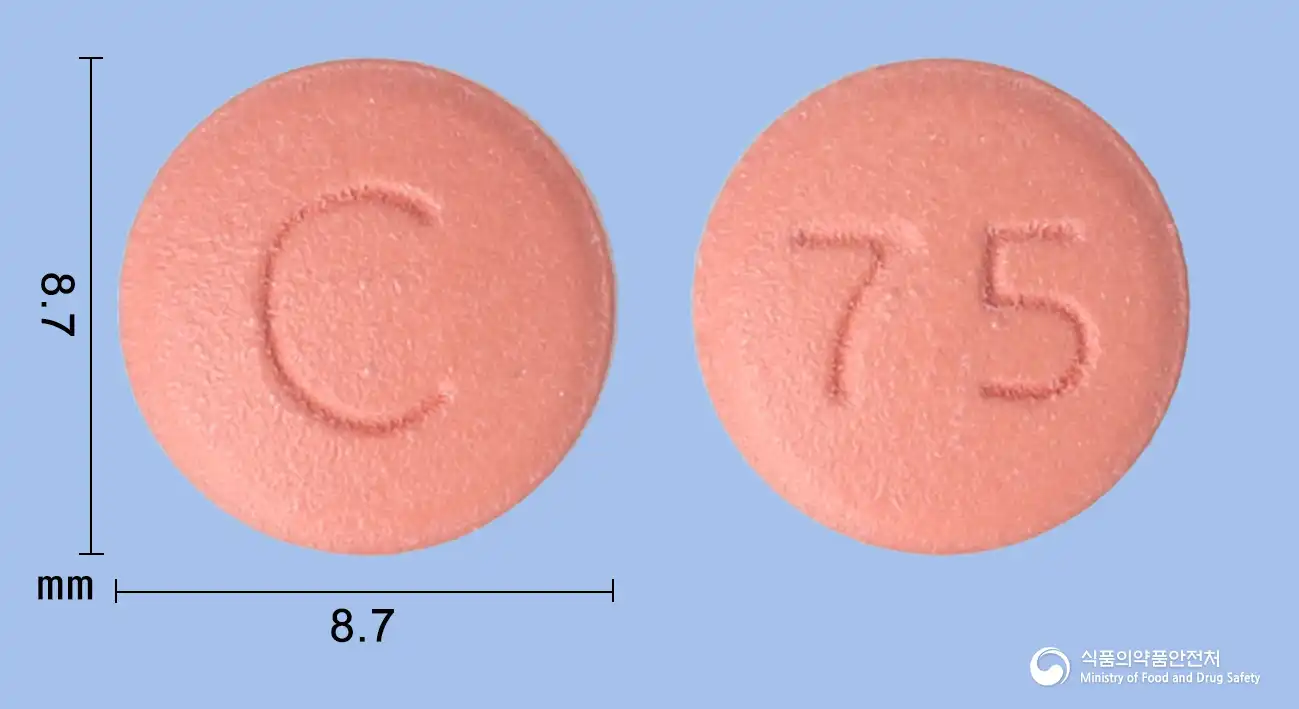
Clopidogrel Bisulfate 97.875mg
Tablet · Prescription medication
Dong-A ST Co., Ltd.
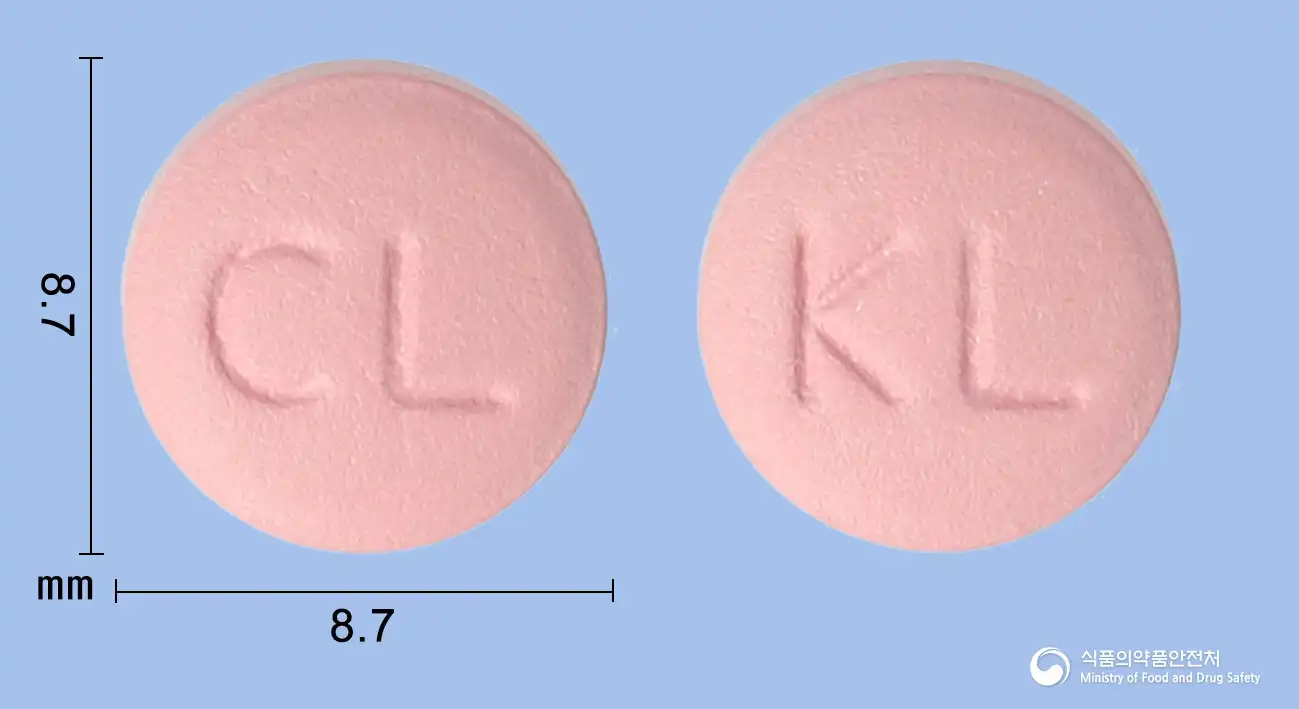
Clopidogrel Bisulfate 97.875mg
Tablet · Prescription medication
Kolon Pharmaceutical Co., Ltd.
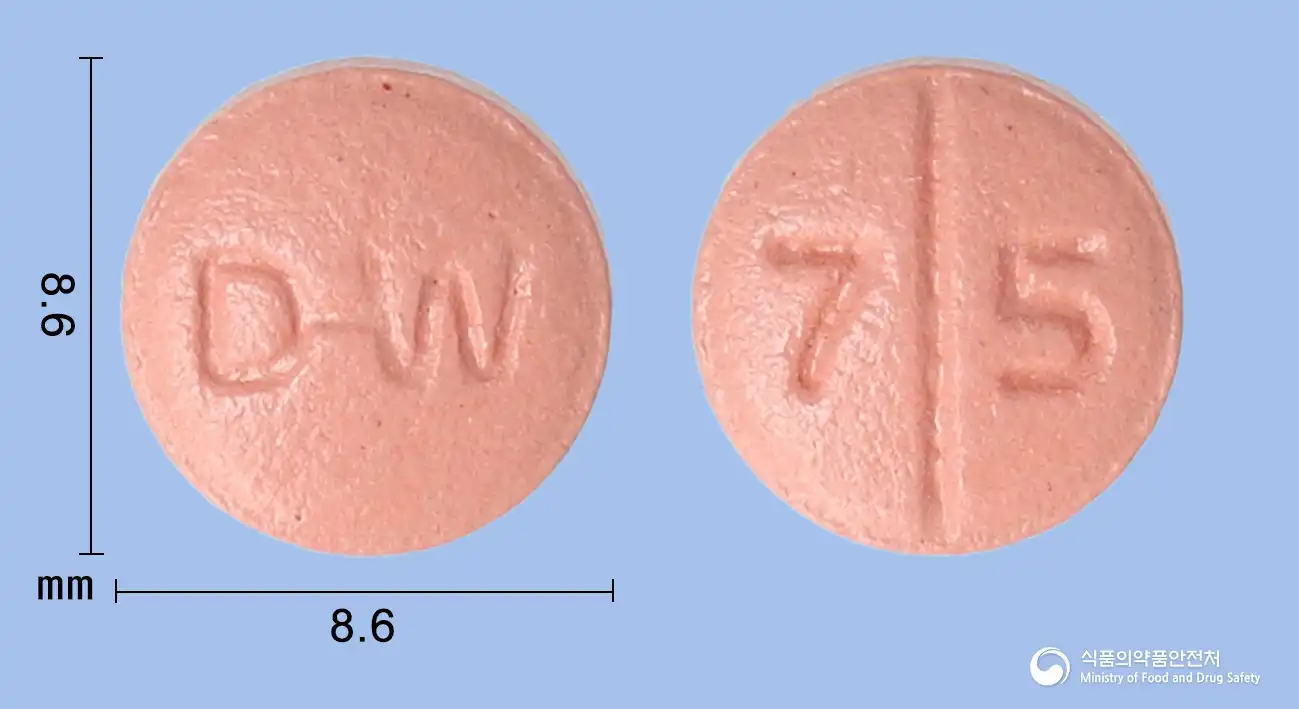
Clopidogrel Bisulfate 97.875mg
Tablet · Prescription medication
Dongwha Pharmaceutical Co., Ltd.
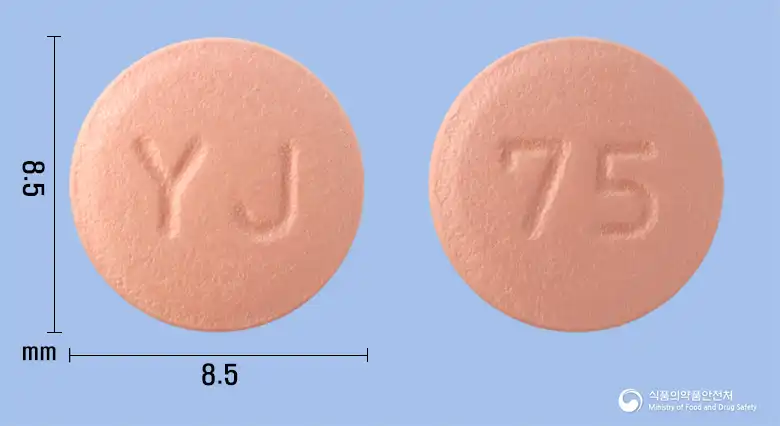
Clopidogrel Bisulfate 97.875mg
Tablet · Prescription medication
Youngjin Pharmaceutical Co., Ltd.
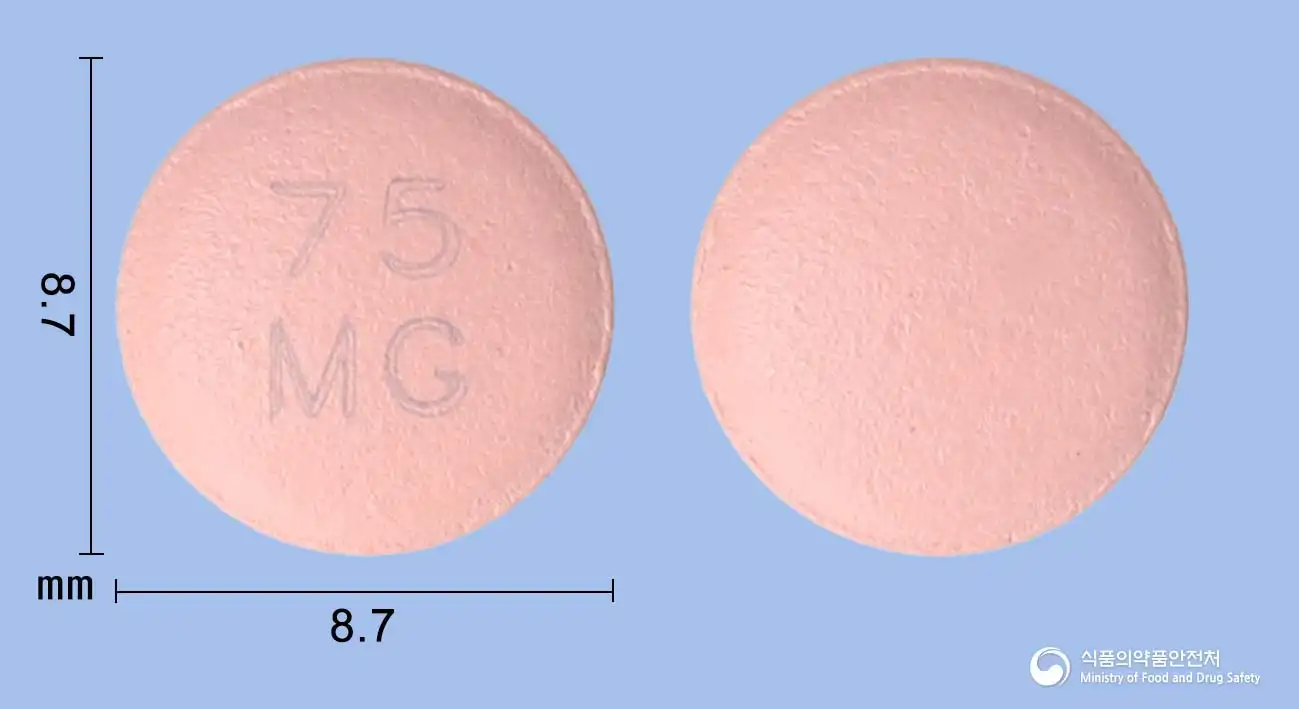
Clopidogrel Bisulfate 97.875mg
Tablet · Prescription medication
Albozen Korea Co., Ltd.
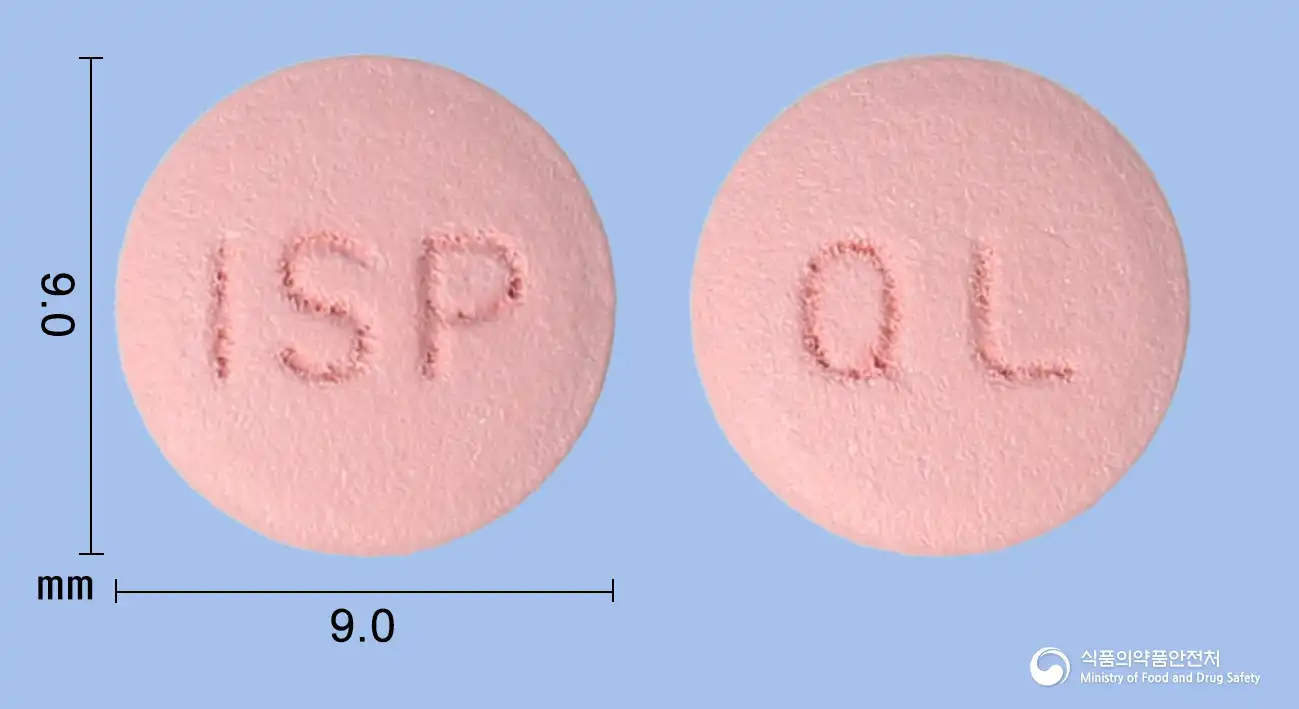
Clopidogrel Bisulfate 97.875mg
Tablet · Prescription medication
Ilsung IS Co., Ltd.
Even with the same ingredient, the dose and directions can differ by strength and dosage form. Talk to a doctor or pharmacist before switching from a medication you are already taking.
No questions yet.
For anything that needs medical judgment, consult a doctor or pharmacist.
This drug information is based on data provided by the Korea Ministry of Food and Drug Safety.
Consult a doctor or pharmacist for accurate dosage, administration, and usage instructions.