
 한국어
 English
 日本語
 中文(简体)
 Viewing now
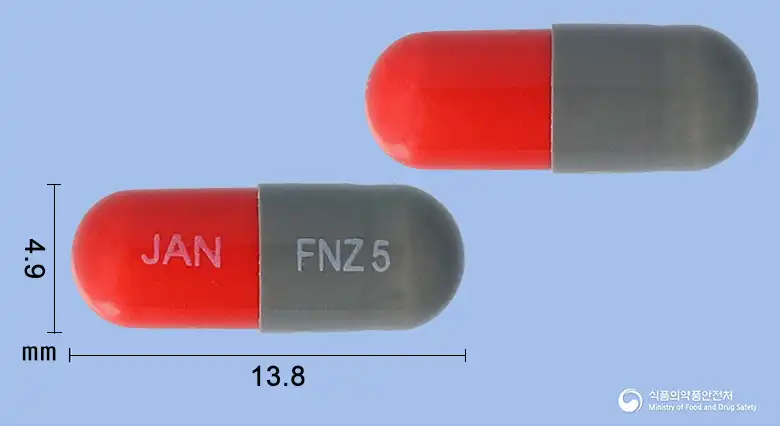
Ciberyum Capsule (Flunarizine Hydrochloride)
Flunarizine Hydrochloride 5.9mg
Hard capsule · Prescription medication
Korea Janssen Co., Ltd.
MFDS item code 202106982 · Approved 2021.10.18 · Insurance code 646902590
Treatment of severe, refractory migraine and dizziness caused by vestibular dysfunction
This medication is effective for symptoms such as severe refractory migraines and dizziness due to vestibular organ issues. It is primarily used to improve chronic migraines and dizziness caused by vestibular dysfunction.
1. Severe refractory migraine Initial dose: The initial dose of flunarizine is 10㎎ once daily in the evening for adults under 65 years of age (a single dose of 5㎎ for those aged 65 years and older). Discontinue treatment if depression, extrapyramidal symptoms, other severe adverse reactions occur, or if symptoms do not improve after 2 months of treatment. Maintenance dose: If maintenance therapy is needed, reduce the dose by administering a single dose of 10㎎ of this medicine every other day (a single dose of 5㎎ for those aged 65 years and older), or 10㎎ once daily for 5 days per week (a single dose of 5㎎ for those aged 65 years and older), with no doses on 2 days. In addition, for maintenance therapy to prevent migraine, discontinue treatment 6 months after the initial dose, even if migraine symptoms have not occurred. Restart treatment from the initial dose only if symptoms recur. 2. Dizziness due to functional disorders of the vestibular system: Use the same dosage and administration as for migraine, but the initial dose should not be continued beyond the period needed to control dizziness (generally 2 months). Also, discontinue treatment if there is no marked improvement in symptoms after 1 month of treatment for chronic dizziness or 2 months for paroxysmal dizziness. The dose may be adjusted according to age and symptoms.
This medication should not be administered to certain patients. For example, individuals allergic to this drug or its components, those with unresolved bleeding in the head, patients with acute myocardial infarction, individuals with Parkinson's disease, those with a history of depression or currently experiencing it, women who are pregnant or may become pregnant, and those with lactose intolerance or related genetic disorders should not take this medication. Patients with impaired liver function or elderly individuals need to exercise special caution when using this drug. Furthermore, this medication contains a dye called Yellow No. 4, which should also be approached carefully by those allergic to this component. Side effects such as drowsiness, depression, constipation, muscle pain, menstrual irregularities, weight gain, and others may occur with this medication. Rarely, symptoms like insomnia, anxiety, movement disorders, skin rashes, and indigestion have also been reported. If such symptoms occur, immediate consultation with a physician is advised. Especially, this medication can induce extrapyramidal symptoms which are motor function disorders or depressive symptoms, so patients should be closely monitored for any signs during treatment and discontinue use if symptoms arise. Fatigue may gradually increase while taking this medication, so caution is necessary. Additionally, due to the potential for drowsiness or weakness, it is advisable to avoid driving or operating hazardous machinery. This medication might require dose adjustment when taken with antihypertensive drugs, and caution is advised as taking it with alcohol or tranquilizers can enhance sedative effects. It is safest for pregnant or breastfeeding women not to use this medication, and if breastfeeding, it is preferable to discontinue breastfeeding while taking this medication. Safety for children has not been established, so it is recommended not to use it in children. In case of overdose, symptoms such as severe drowsiness, weakness, restlessness, and rapid heart rate may occur, and immediate medical attention is needed if these symptoms appear.
Not everyone experiences these, and they can vary from person to person.
This medication should be stored in a sealed container to prevent air and moisture from entering, and it is best to store it at room temperature between 1 to 30 degrees Celsius. Storing it this way will help maintain its effectiveness.
A hard capsule with a gray upper part and a red lower part containing a white to light yellow powder
30 capsules/bottle, 100 capsules/bottle
Even with the same ingredient, strength, dosage form and how it is taken can differ.
Viewing nowFlunarizine Hydrochloride 5.9mg
Hard capsule · Prescription medication
Korea Janssen Co., Ltd.
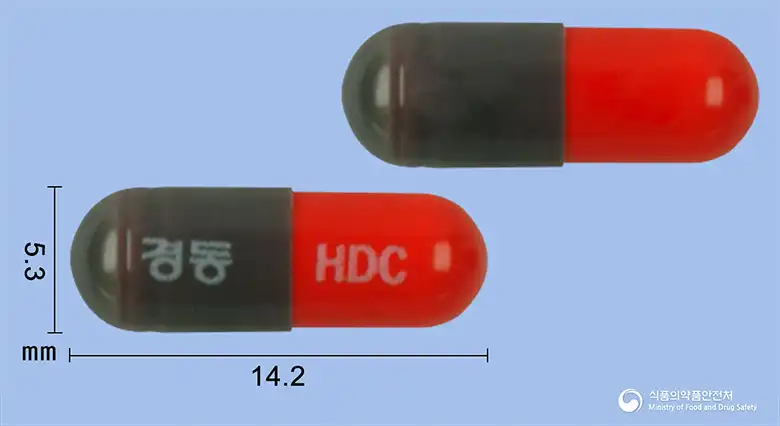
Flunarizine Hydrochloride 5.9mg
Hard capsule · Prescription medication
Kyungdong Pharmaceutical Co., Ltd.
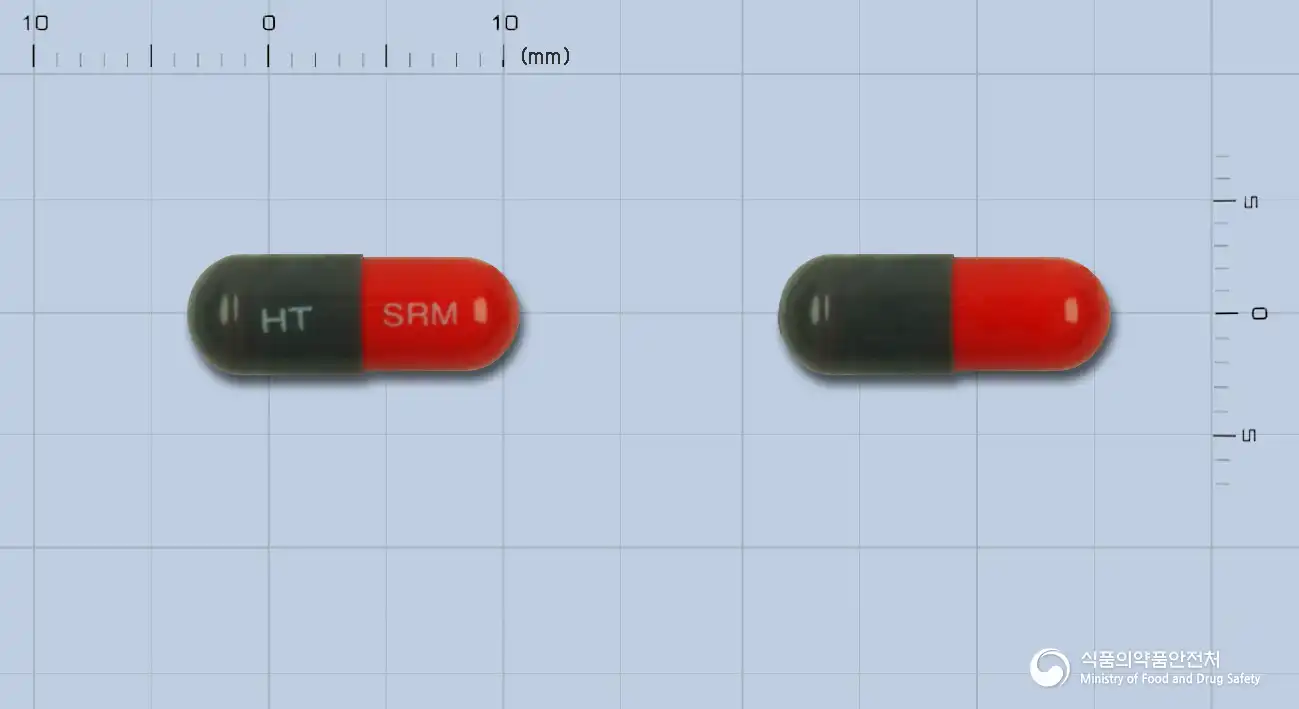
Flunarizine Hydrochloride 5.9mg
Hard capsule · Prescription medication
Korea Hutex Pharmaceutical Co., Ltd.
Even with the same ingredient, the dose and directions can differ by strength and dosage form. Talk to a doctor or pharmacist before switching from a medication you are already taking.
No questions yet.
For anything that needs medical judgment, consult a doctor or pharmacist.
This drug information is based on data provided by the Korea Ministry of Food and Drug Safety.
Consult a doctor or pharmacist for accurate dosage, administration, and usage instructions.