
 한국어
한국어 English
 日本語
日本語 中文(简体)
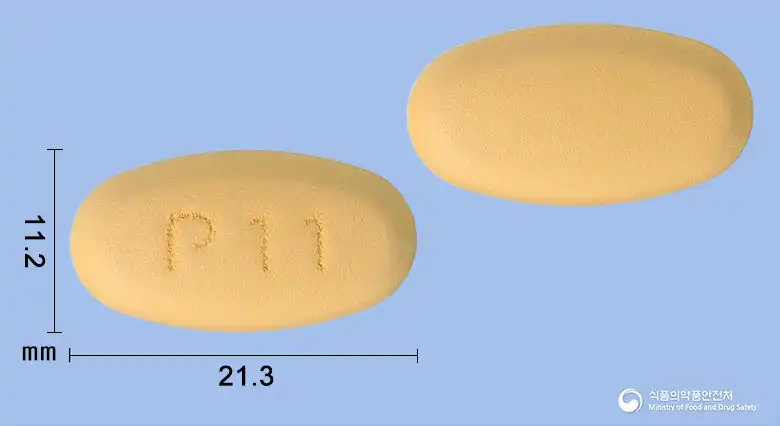 Viewing nowCombination
Foglomet SR Tablet 10/1000 mg
Dapagliflozin citric acid 14.7mg · Metformin Hydrochloride 1000mg
Tablet · Prescription medication · Combination
Korea Prime Pharmaceutical Co., Ltd.
MFDS item code 202106829 · Approved 2021.10.08
Effectiveness in blood glucose control in type 2 diabetes and prevention of cardiovascular events
This medication helps control blood glucose levels in adult patients with type 2 diabetes through a combination of dapagliflozin and metformin. When used alongside diet and exercise, it can effectively manage blood glucose levels. It can also be administered to patients with cardiovascular disease or risk factors among those whose blood glucose is not adequately controlled. However, it is advisable to refer to professional materials for detailed information related to cardiovascular events. This medication is used for the treatment of type 2 diabetes.
This medication is generally administered once daily with the evening meal. The maximum dosage is dapagliflozin 10mg / extended-release metformin 2000mg once daily, taking 2 tablets of 5mg/1000mg. If there has been no previous diabetes medication treatment, the initial regimen should be 1 tablet of 5mg/500mg or 10mg/500mg once daily. To reduce gastrointestinal side effects of metformin, the dosage should be adjusted gradually.
This medication is used for the treatment of diabetes and aids in blood glucose control. There is a risk of a rare side effect called severe lactic acidosis when taking this medication, so caution is needed. Lactic acidosis can result in excessive buildup of lactic acid in the body and lead to a dangerous state, with symptoms including fatigue, muscle pain, difficulty breathing, and abdominal pain. Additionally, when taken along with insulin or sulfonylureas, there is a risk of hypoglycemia, so blood glucose levels should be checked regularly. This medication should not be administered to patients with impaired kidney function, dehydration, severe infections, heart issues, or liver dysfunction. Specifically, before and after tests that use iodinated contrast agents, this medication should be temporarily discontinued due to potential strain on the kidneys and should be resumed only after normal kidney function is confirmed. Women who are pregnant or breastfeeding should not take this medication and should stop immediately if pregnancy is planned or confirmed. Elderly patients or those with reduced kidney function should have their dosage adjusted and monitor kidney function regularly, taking special care if dehydrated or at risk of low blood pressure. It is important to frequently check fluid status, blood pressure, and kidney function while on this medication. This medication may cause side effects such as genital and urinary tract infections, headache, dizziness, gastrointestinal disturbances, muscle pain, among others, and if any unusual symptoms arise, consult a physician. Additionally, vitamin B12 levels may decrease, so regular blood tests to monitor this are advisable. Excessive alcohol consumption can increase the risk of side effects from this medication, so avoiding drinking is recommended. This medication may interact with other diabetes medications, blood pressure medications, diuretics, etc., so if you are taking other medications, you must inform your doctor or pharmacist. In case of overdose, seek medical attention immediately for appropriate treatment, and dialysis may be helpful if necessary. This medication is not recommended for use in children as its safety and efficacy have not been established. Finally, this medication should be stored out of reach of children and kept in its original container to maintain quality.
Lactic acidosis, severe hypoglycemia, acute kidney injury, renal dysfunction, cardiovascular collapse (shock), acute myocardial infarction, sepsis, severe allergic reactions (hives, severe swelling, chest tightness, difficulty breathing, cold sweat, pallor), severe skin reactions (severe rash with fever, blisters, skin sloughing, pain in mouth/eye mucosa), breathing problems (shortness of breath or difficulty breathing, asthma attack, cough + fever accompanying respiratory distress
Hypoglycemia, dry mouth, dizziness, constipation, oral dryness, back pain, dysuria, polyuria, nocturia, vulvar itching, genital itching, increased hematocrit, initial decrease in kidney creatinine clearance, dyslipidemia, increased serum creatinine, increased blood urea, weight loss, tendinitis, arthralgia, myalgia, myofascial pain syndrome, osteoarthritis, osteochondritis, limb pain, periarticular inflammation, tendinitis, trigger finger, upper abdominal pain, gas
Not everyone experiences these, and they can vary from person to person.
This medication is sensitive to air and moisture, so it must be stored in a sealed container. It is important to maintain a temperature between 1–30 degrees Celsius to ensure the drug's effectiveness and prevent degradation.
Yellow, biconvex, egg-shaped film-coated tablet
30 tablets/bottle
Even with the same ingredient, strength, dosage form and how it is taken can differ.
Viewing nowCombinationDapagliflozin citric acid 14.7mg · Metformin Hydrochloride 1000mg
Tablet · Prescription medication · Combination
Korea Prime Pharmaceutical Co., Ltd.
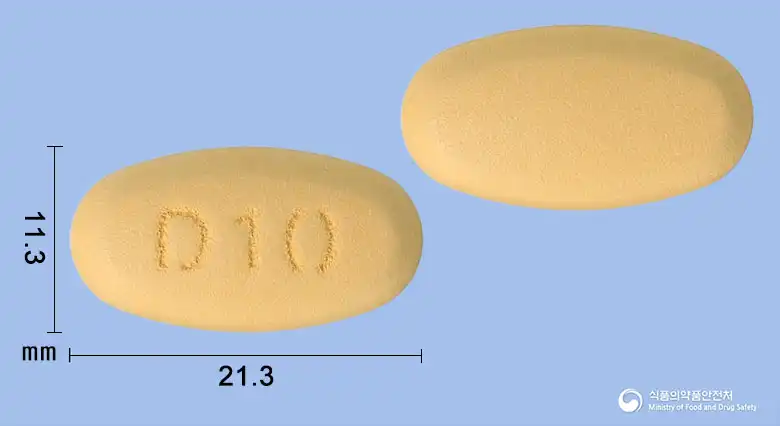 Combination
Dapagliflozin citric acid 14.7mg · Metformin Hydrochloride 1000mg
Tablet · Prescription medication · Combination
HK Inno.N Co., Ltd.
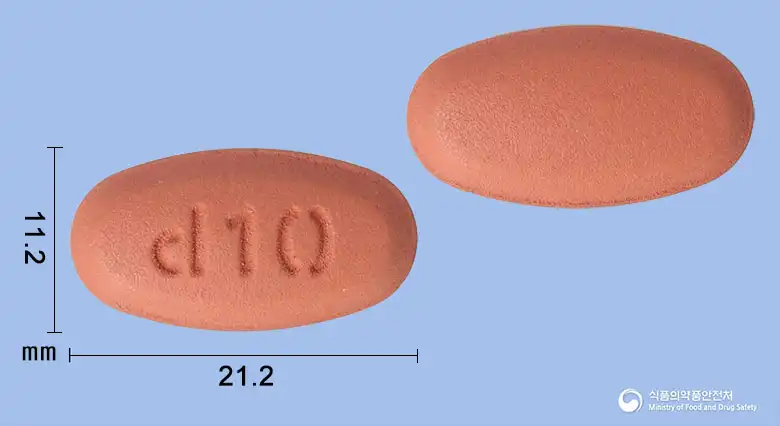 Combination
Dapagliflozin citric acid 7.35mg · Metformin Hydrochloride 1000mg
Tablet · Prescription medication · Combination
HK inno.N Co., Ltd.
Dapagliflozin citric acid 14.7mg · Metformin Hydrochloride 1000mg
Tablet · Prescription medication · Combination
Poonglim Pharmaceutical Co., Ltd.
Dapagliflozin citric acid 7.35mg · Metformin Hydrochloride 1000mg
Tablet · Prescription medication · Combination
Punglim Muhak Co., Ltd.
Dapagliflozin citric acid 7.35mg · Metformin Hydrochloride 1000mg
Tablet · Prescription medication · Combination
Korea Prime Pharmaceutical Co., Ltd.
 Combination
Dapagliflozin citric acid 14.7mg · Metformin Hydrochloride 1000mg
Tablet · Prescription medication · Combination
KS Pharm Co., Ltd.
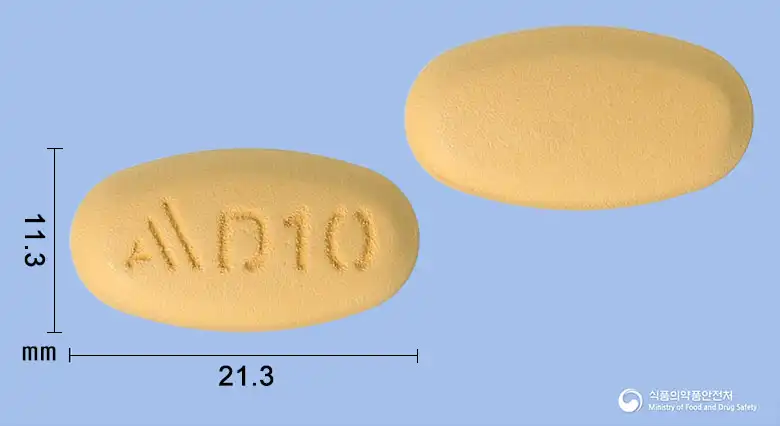 Combination
Dapagliflozin citric acid 14.7mg · Metformin Hydrochloride 1000mg
Tablet · Prescription medication · Combination
Aprogen Biosciences, Co., Ltd.
Even with the same ingredient, the dose and directions can differ by strength and dosage form. Talk to a doctor or pharmacist before switching from a medication you are already taking.
No questions yet.
For anything that needs medical judgment, consult a doctor or pharmacist.
This drug information is based on data provided by the Korea Ministry of Food and Drug Safety.
Consult a doctor or pharmacist for accurate dosage, administration, and usage instructions.