
 한국어
한국어 English
 日本語
日本語 中文(简体)
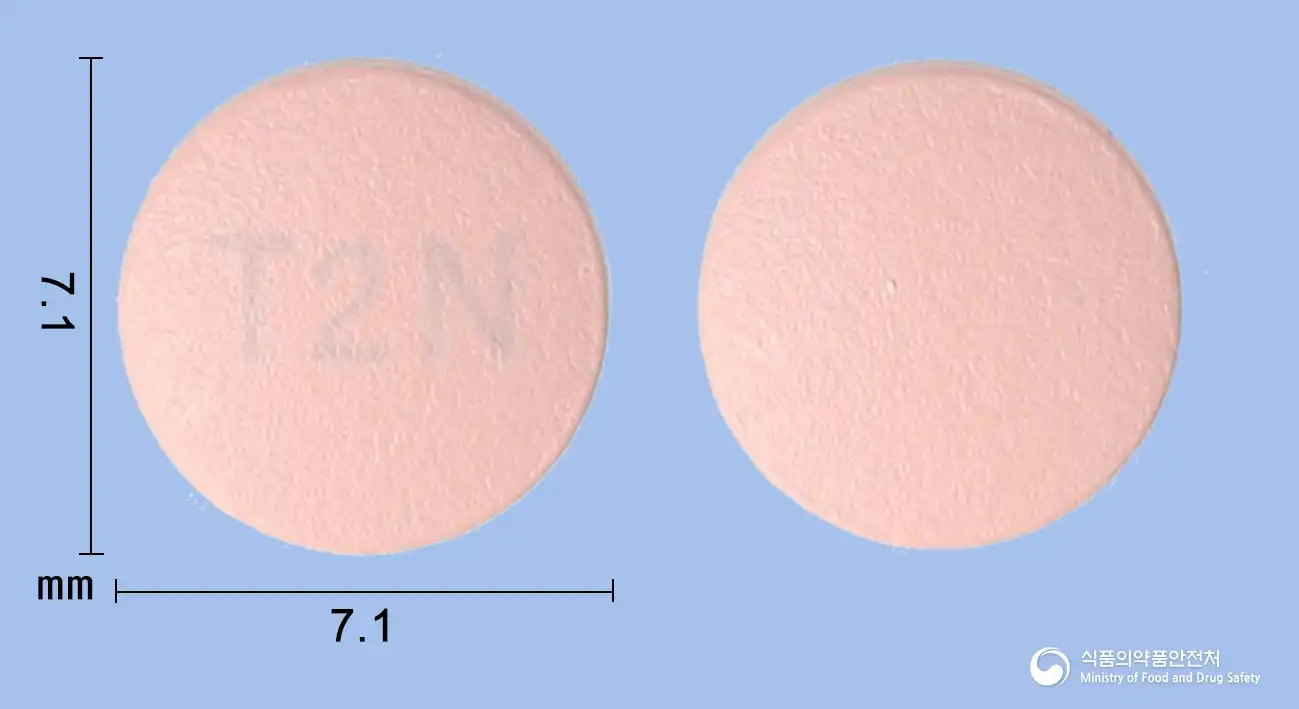 Viewing now
Tenilon Tablet 20 mg (Teneligliptin Hydrochloride Hydrate)
Teneligliptin Hydrochloride Hydrate 26mg
Tablet · Prescription medication
HanKuk Prime Pharm Co., Ltd.
MFDS item code 202106511 · Approved 2021.09.13 · Insurance code 663608480
Improvement of blood sugar control in type 2 diabetes
This medication is used to assist in blood sugar control for patients with type 2 diabetes in conjunction with dietary and exercise therapy. It can be administered alone or in combination with other medications, helping to effectively improve blood sugar levels.
The recommended dose of this medication for monotherapy or combination therapy is 20 mg once daily. It can be taken regardless of meals. No dosage adjustment is required for patients with renal impairment. No dosage adjustment is needed for patients with mild to moderate liver impairment.
This medication should not be used in patients with allergies to the active ingredient or any other components. It is unsuitable for patients with diabetic ketoacidosis, coma, or type 1 diabetes, as rapid blood sugar control with insulin is required. Patients with severe infections, before and after surgery, or severe trauma may require insulin treatment, so this medication should be used with caution. Safety has not been adequately confirmed in patients with severely impaired liver function, so caution is needed. Patients with heart failure, particularly severe heart failure, are not recommended to use this medication, and those with mild heart failure should also use it cautiously. Patients taking sulfonylureas or insulin should be careful as there is a risk of hypoglycemia. Patients with pituitary or adrenal insufficiency, those with poor nutritional status or irregular meals, those who undertake intense physical activity, and those with excessive alcohol intake are at a higher risk of hypoglycemia and should be cautious. Patients with a history of abdominal surgery or bowel obstruction should also be cautious when taking this medication. Patients at risk of QT interval prolongation due to heart conditions or hypokalemia may have a higher risk of side effects, so it's better to avoid administration. Acute pancreatitis symptoms may develop, so if severe abdominal pain or vomiting persists, medical attention should be sought immediately. During treatment with this medication, hypoglycemic symptoms may occur, so it is necessary to take appropriate measures such as consuming sugary foods. If bowel obstruction symptoms appear, the medication should be stopped immediately and medical consultation should be sought. If any abnormal symptoms occur, such as liver dysfunction or interstitial pneumonia, or skin rashes, immediate consultation with a specialist is required. If severe joint pain or blistering skin conditions arise during drug use, this medication should be discontinued, and consultation with a specialist is necessary. This medication increases the risk of hypoglycemia when taken with insulin or sulfonylureas, so proper understanding of hypoglycemic symptoms and countermeasures is essential. Caution should be exercised during activities requiring concentration, such as driving or working at heights, considering the risk of hypoglycemia. Pregnant women are advised not to use this medication, and nursing mothers should carefully consider whether to take it. In children, safety and efficacy have not been confirmed, so it is not recommended for use. Elderly patients may have reduced physical function, so they should be closely monitored while taking this medication. In cases of overdose, appropriate measures such as removing the drug from the gastrointestinal tract and closely monitoring conditions such as electrocardiograms are necessary.
Severe allergic reactions (hives, severe swelling, chest tightness, difficulty breathing, cold sweat, pallor), severe skin reactions (severe rash with high fever, blisters, peeling skin, pain in oral/eye mucosa), respiratory issues (shortness of breath or difficulty breathing, asthma attacks, respiratory issues accompanied by cough and fever), liver issues (jaundice) (yellowing of the skin or eyes, extreme fatigue), serious neurological symptoms
Not everyone experiences these, and they can vary from person to person.
This medication should be stored in a tightly sealed container to prevent exposure to air and moisture. It is important to maintain a storage temperature between 1 and 30 degrees Celsius to keep the effectiveness and safety of the drug well preserved.
Pink round film-coated tablet
30 tablets/bottle, 60 tablets/bottle
Even with the same ingredient, strength, dosage form and how it is taken can differ.
Viewing nowTeneligliptin Hydrochloride Hydrate 26mg
Tablet · Prescription medication
HanKuk Prime Pharm Co., Ltd.
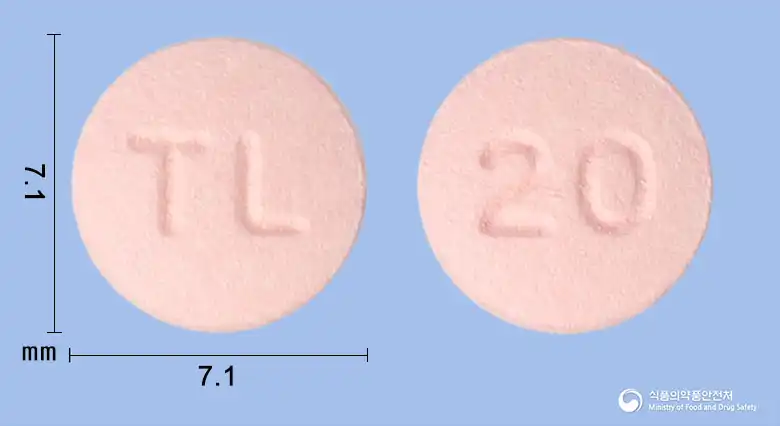
Teneligliptin Hydrochloride Hydrate 25.96mg
Tablet · Prescription medication
Kyungdong Pharmaceutical Co., Ltd.
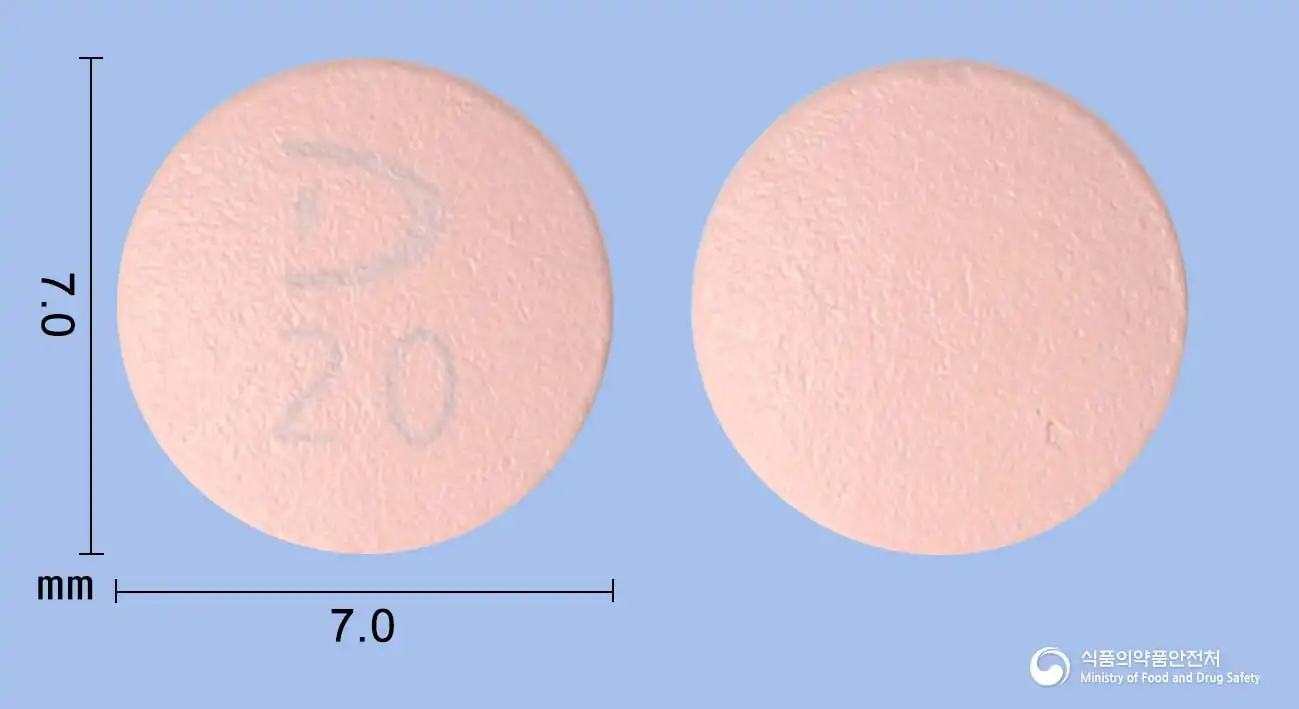
Teneligliptin Hydrochloride Hydrate 26mg
Tablet · Prescription medication
Darim Biotech Co., Ltd.
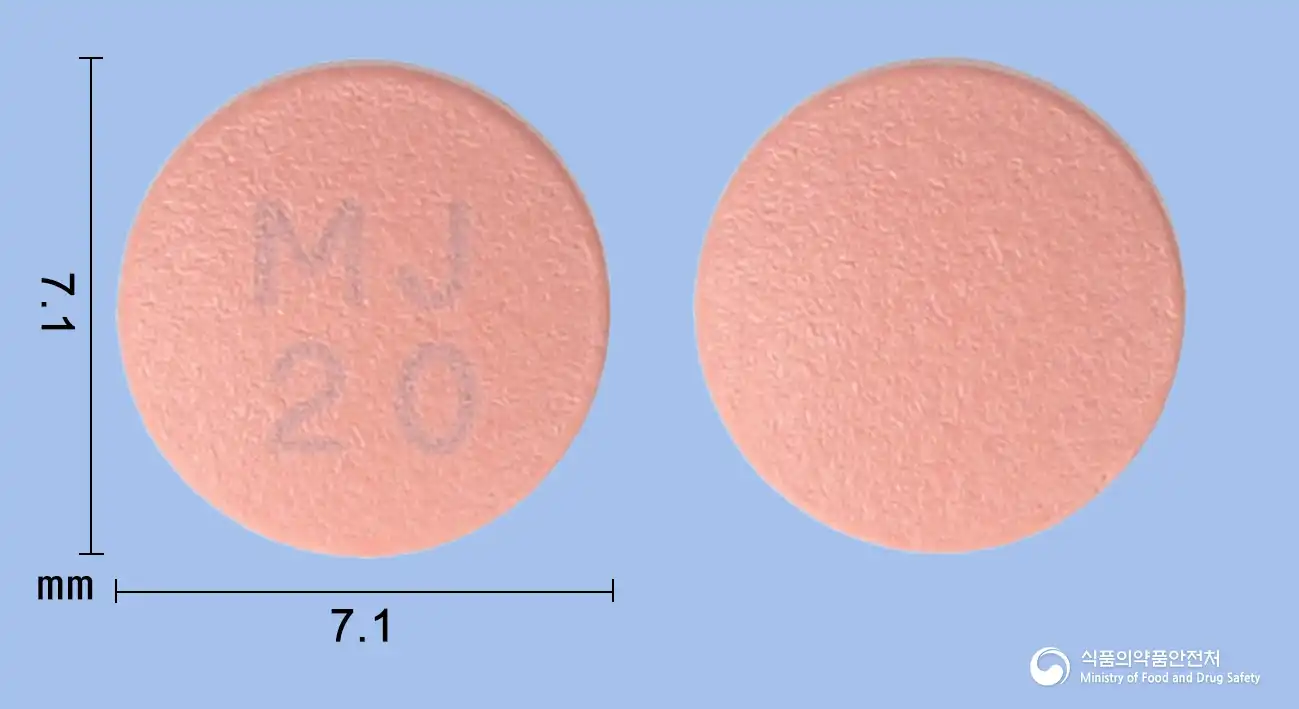
Teneligliptin Hydrochloride Hydrate 26mg
Tablet · Prescription medication
Mothers Pharmaceutical Co., Ltd.
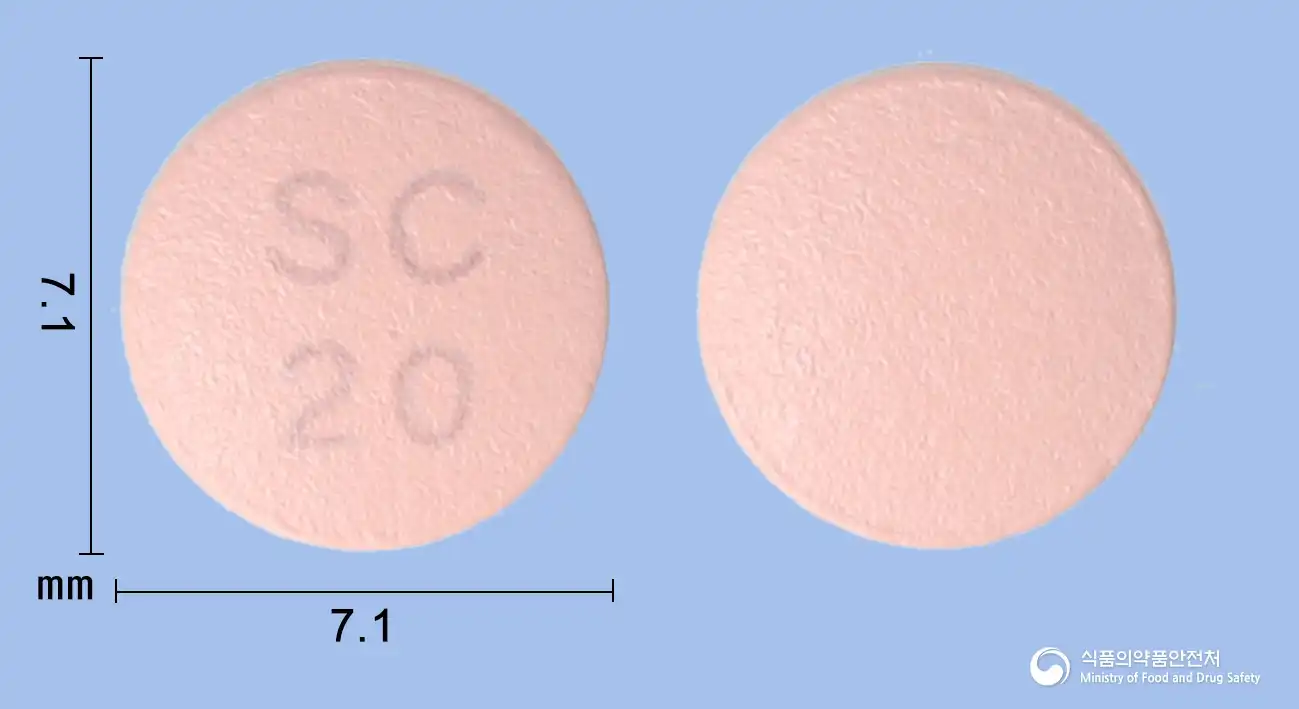
Teneligliptin Hydrochloride Hydrate 26mg
Tablet · Prescription medication
Samchundang Pharmaceutical Co., Ltd.
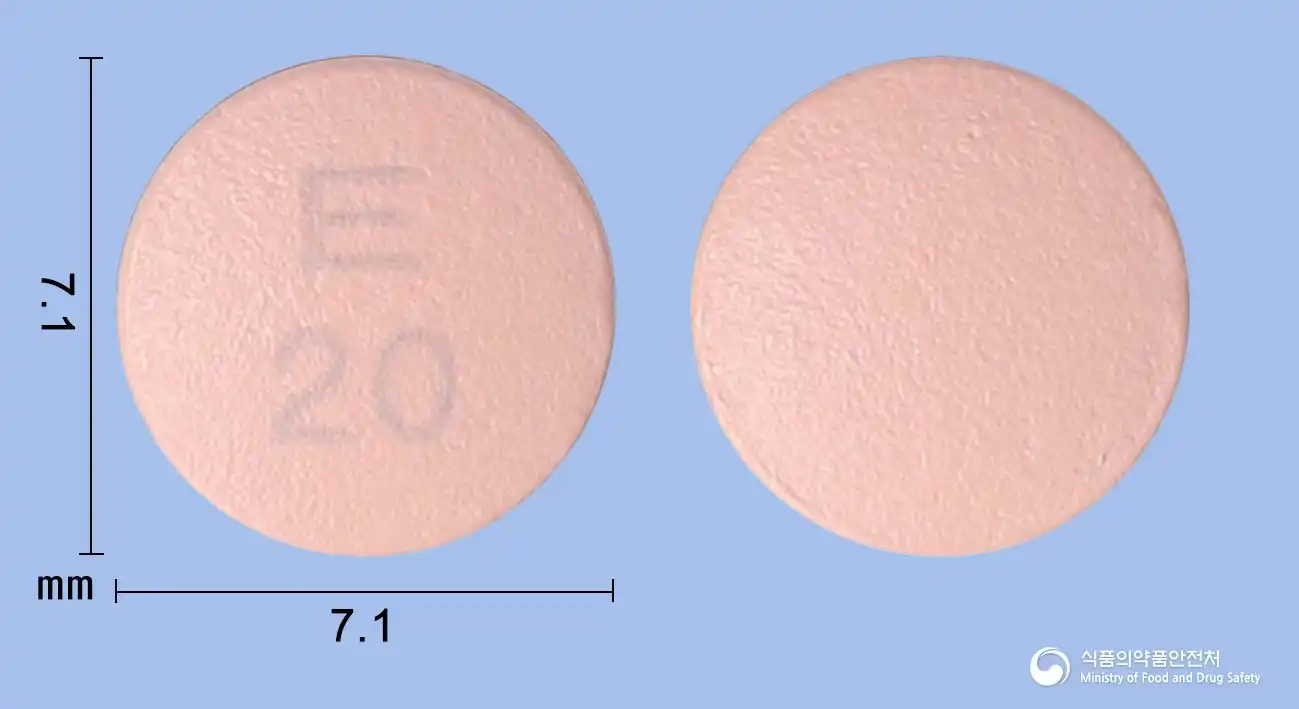
Teneligliptin Hydrochloride Hydrate 26mg
Tablet · Prescription medication
Dongkwang Pharmaceutical Co., Ltd.
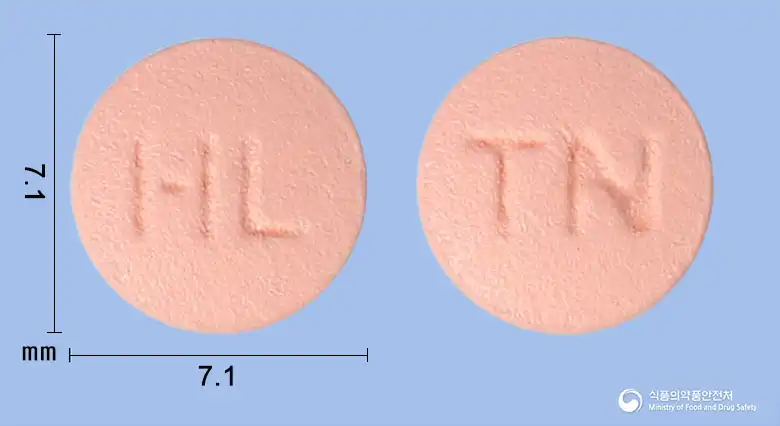
Teneligliptin Hydrochloride Hydrate 26mg
Tablet · Prescription medication
Hanlim Pharmaceutical Co., Ltd.
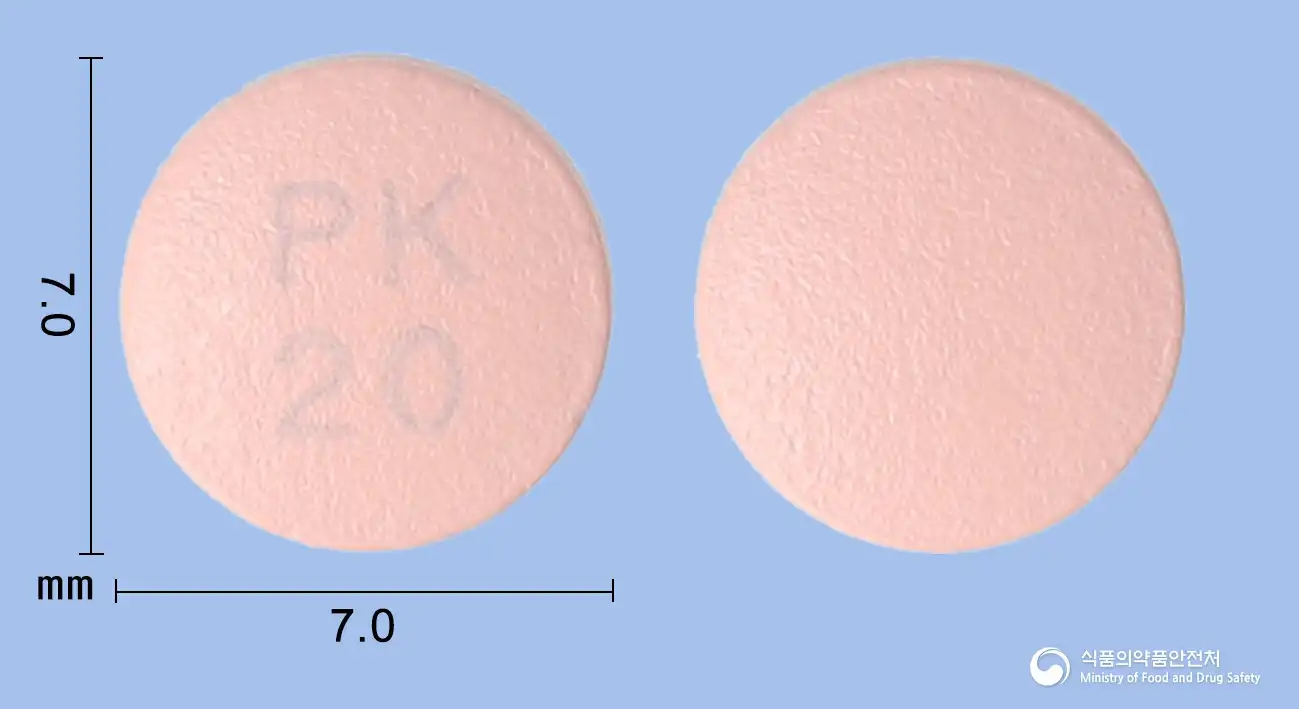
Teneligliptin Hydrochloride Hydrate 26mg
Tablet · Prescription medication
Korea PAVIS Pharmaceutical Co., Ltd.
Even with the same ingredient, the dose and directions can differ by strength and dosage form. Talk to a doctor or pharmacist before switching from a medication you are already taking.
No questions yet.
For anything that needs medical judgment, consult a doctor or pharmacist.
This drug information is based on data provided by the Korea Ministry of Food and Drug Safety.
Consult a doctor or pharmacist for accurate dosage, administration, and usage instructions.