
 한국어
한국어 English
 日本語
日本語 中文(简体)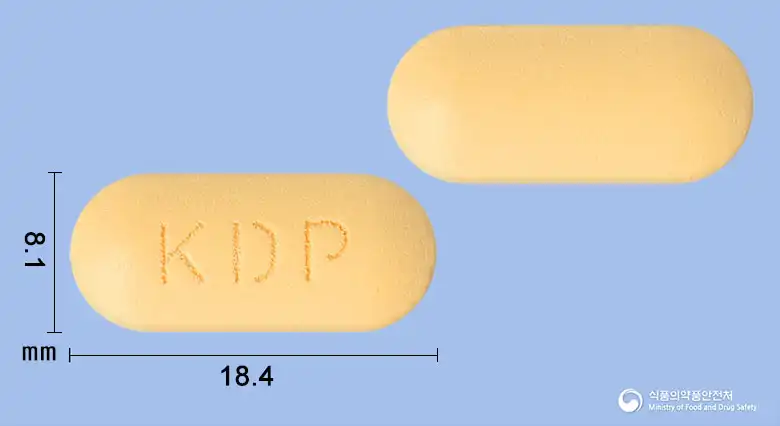
Summary
- Main use
- Relief of cold symptoms (runny nose, nasal congestion)
- Who takes it
- Adults · Children
- Adult dose
- Aged 15 years and older: 2 tablets taken 30 minutes after meals, three times a day
- Child dose
- Aged 7 to less than 15 years: 1 tablet taken 30 minutes after meals, three times a day
Ingredients
- Acetaminophen152mg / 1 tablet
- Chlorpheniramine Maleate1.25mg / 1 tablet
- Dextromethorphan Hydrobromide Hydrate8mg / 1 tablet
- Anhydrous Caffeine20mg / 1 tablet
- Pseudoephedrine Hydrochloride15mg / 1 tablet
- Guaifenesin21mg / 1 tablet
- Thiamine Nitrate50mg / 1 tablet
- Manufacturer
- 광동제약(주)
Efficacy & effects
Relief of cold symptoms (runny nose, nasal congestion)
- Runny nose
- nasal congestion
- sneezing
- sore throat
- cough
- phlegm
- chills
- fever
- headache
- joint pain
- muscle pain
View approved original textHide original text
This medication is used to effectively relieve the representative symptoms of a cold, including runny nose, nasal congestion, sneezing, sore throat, cough, phlegm, chills, fever, headache, joint pain, and muscle pain.
How to take
Adult dose
Aged 15 years and older: 2 tablets taken 30 minutes after meals, three times a day
Child dose
Aged 7 to less than 15 years: 1 tablet taken 30 minutes after meals, three times a day
Precautions
This medication may cause liver damage if taken by individuals who regularly consume more than three alcoholic beverages a day, so consultation with a doctor or pharmacist is necessary. The acetaminophen component included in this medication can rarely cause serious skin reactions; thus, if symptoms such as rash or itching appear, discontinue use immediately and consult a specialist. Since this medication contains acetaminophen, do not exceed the maximum daily dosage, and do not take it in combination with other products containing acetaminophen. Additionally, the pseudoephrine component in this medication can rarely cause severe skin adverse reactions, so if you experience fever or small blisters on the skin, stop taking it and consult a specialist. This medication should not be used by individuals with certain allergies or conditions, particularly those with drug hypersensitivity, asthma, kidney or liver disorders, high blood pressure, infants under 3 months old, or those with certain genetic lactose intolerance. Moreover, individuals taking antidepressants or MAO inhibitors should avoid this medication. While using this medication, it is advisable to avoid taking cough medications, other cold medications, antipyretic analgesics, sedatives, or antihistamines together. Children who have chickenpox or flu or are suspected of having these, individuals with specific allergic constitutions, or those with liver, kidney, heart, or thyroid diseases must consult a doctor or pharmacist before taking this medication. During use, if symptoms such as rash, itching, nausea, dizziness, shortness of breath, severe skin reactions, or signs of liver function abnormalities appear, stop taking the medication immediately and consult healthcare personnel. This medication must be taken according to the prescribed method and dosage, and long-term use should be avoided. Children should be supervised while taking this medication. During treatment, it is advisable to refrain from alcohol and to be cautious when driving or operating machinery as drowsiness may occur. Caution is required when taking this medication in conjunction with certain antibiotics such as flucloxacillin as metabolic acidosis may occur rarely.
Side effects and when to seek care immediately
Serious side effects
- Hives, severe swelling (edema), chest tightness, cold sweat, pallor → severe allergic reaction
- High fever accompanied by severe rash, blisters, skin peeling, mucosal pain in mouth/eyes → severe skin adverse reaction
- Shortness of breath or difficulty breathing, asthma attack, cough + respiratory difficulty with fever → respiratory issue
- Yellowing of skin or eyes (jaundice), extreme lethargy → liver abnormality (jaundice)
- Sudden and severe headache
Mild side effects
Rash, redness (hyperemia), itching, nausea, vomiting, loss of appetite, constipation, swelling (edema), urination difficulties, excessive thirst (persistent or severe), dizziness, anxiety, tremors, insomnia, high anion gap metabolic acidosis (HAGMA)
Not everyone experiences these, and they can vary from person to person.
Interactions
Drug interactions
Do not take this medication with MAO inhibitors (antidepressants, antipsychotics, mood stabilizers, antiparkinsonian drugs, etc.), antitussives and expectorants (cough and phlegm medications), other cold medications, antipyretic analgesics, sedatives, antihistamines (oral medications for rhinitis, motion sickness, allergies). Individuals who have stopped taking MAO inhibitors within the last two weeks should not take this medication. Barbiturate drugs, tricyclic antidepressants, and others.
Storage
This medication may be sensitive to air or moisture, so it must be stored in a tightly closed container. It is advisable to maintain a storage temperature between 1 degree and 30 degrees Celsius to preserve the effectiveness of the medication.
Appearance and packaging
Appearance
Yellow rectangular film-coated tablet
Package unit
10 tablets/box (10 tablets/PTP * 1)
Questions about this medicine
QWhat should I do if my stomach suddenly hurts badly after taking cold medicine?
Regarding pseudoephedrine, symptoms of ischemic colitis such as severe abdominal pain and rectal bleeding are listed in the instructions. If these symptoms occur, discontinue use immediately and consult your doctor or pharmacist.
Answers 1 · 2026.09.14
For anything that needs medical judgment, consult a doctor or pharmacist.