
 한국어
한국어 English
 日本語
日本語 中文(简体)
 Viewing now
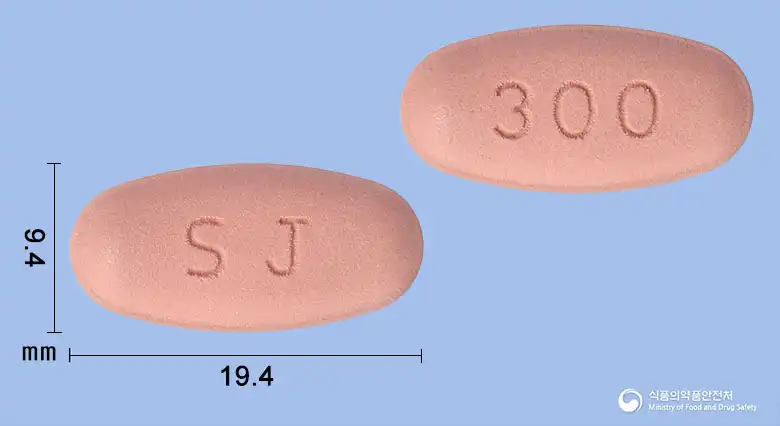
Plaris 300 mg Tablets (Clopidogrel Sulfate)
Clopidogrel Bisulfate 391.5mg
Tablet · Prescription medication
Samsin Pharmaceutical Co., Ltd.
MFDS item code 202105592 · Approved 2021.07.28 · Insurance code 647805230
Improvement of atherosclerotic symptoms such as ischemic stroke, myocardial infarction, and reduction of stroke risk
This medication is used to improve the symptoms of adult patients with atherosclerotic conditions such as ischemic stroke, myocardial infarction, or peripheral artery disease. It also helps prevent complications due to cardiovascular abnormalities after medical treatment or procedures in patients with acute coronary syndrome, such as unstable angina or non-Q-wave myocardial infarction. Additionally, it is effective in reducing the risk of stroke and other thrombotic risks in patients with atrial fibrillation who have a low risk of bleeding and for whom vitamin K antagonists are not suitable. In summary, this medication is used for improving vascular health, preventing cardiovascular abnormalities, and reducing the risk of stroke.
Clopidogrel 300 mg is used only as a loading dose. 1. For patients with ischemic stroke, myocardial infarction, or peripheral artery disease, 75 mg should be taken orally once daily. 2. For patients with acute coronary syndrome (unstable angina or non-Q-wave myocardial infarction), start with a loading dose of 300 mg on the day of initiation, then maintain with 75 mg orally once daily.
This medication may be less effective in individuals with genetically reduced CYP2C19 enzyme function; alternative treatment options should be considered in these cases. Co-administration of this drug and medications that increase CYP2C19 enzyme activity may increase drug concentration, leading to an increased risk of bleeding; thus, concurrent use should be avoided. This drug should not be administered to patients with a known allergy to this medication or its components, as well as patients with bleeding disorders, severe liver damage, nursing women, and certain genetically lactose intolerant patients. Caution is required for patients at high risk of bleeding or those planning surgery; if any bleeding symptoms occur, immediate consultation with medical staff is necessary. Especially when taken with anticoagulants like warfarin, the risk of bleeding may increase, so careful use is required. This medication inhibits platelet function and extends bleeding time, thus usage should be adjusted in situations where bleeding is a concern. While taking this medication, gastrointestinal bleeding, skin rash, and hematologic abnormalities may occur; any abnormal symptoms should be reported to medical personnel immediately. During pregnancy or breastfeeding, it is important to consult a physician regarding the use of this medication, particularly to consider the timing of discontinuation to mitigate bleeding risks around delivery. Elderly patients or those with impaired kidney and liver function require careful observation when taking this medication. In cases of overdose, the risk of bleeding may increase, so it is essential to adhere to prescribed doses and regimens; severe bleeding may require platelet transfusion or other treatment. This medication has not been sufficiently confirmed for safety and efficacy in children, so it is advisable not to use it in pediatric patients. This medication may interact with other drugs, so inform medical professionals of any other medications being taken.
Hives, severe swelling (edema), chest tightness, difficulty breathing, cold sweat, pallor, severe rash with fever, blisters, peeling skin, oral/ocular mucosal pain, shortness of breath or difficulty breathing, asthma attack, respiratory abnormalities accompanied by cough and fever, jaundice (yellowing of skin or eyes), extreme lethargy, sudden and severe headache, thunderclap headache, seizures, altered consciousness, visual disturbances, paralysis, urination
Not everyone experiences these, and they can vary from person to person.
This medication may be sensitive to air or moisture, so it should be stored in a tightly sealed container. It is advisable to maintain a storage temperature between 1 and 30 degrees Celsius to ensure the drug's effectiveness and safety.
Pink oval film-coated tablet
2 tablets/box [(1 tablet/PTP*2)]
Even with the same ingredient, strength, dosage form and how it is taken can differ.
Viewing nowClopidogrel Bisulfate 391.5mg
Tablet · Prescription medication
Samsin Pharmaceutical Co., Ltd.
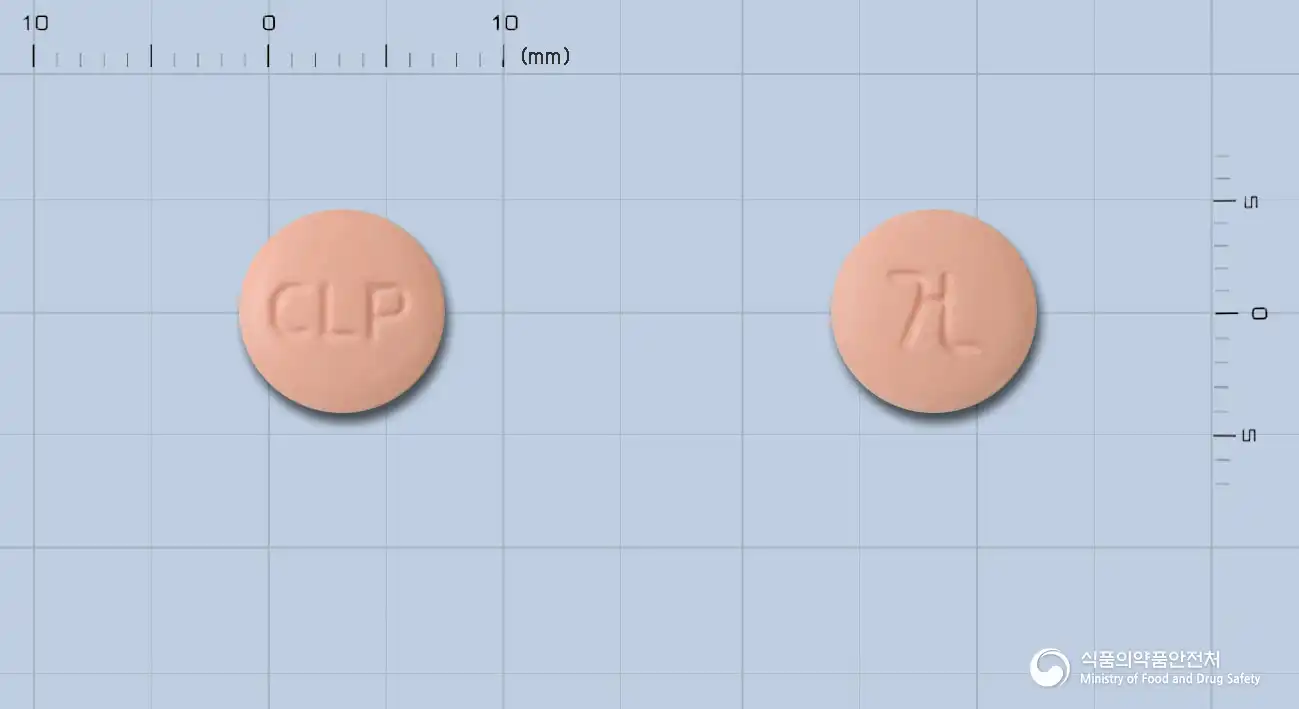
Clopidogrel Bisulfate 97.875mg
Tablet · Prescription medication
Geonil Pharmaceutical Co., Ltd.
Clopidogrel Bisulfate 97.875mg
Tablet · Prescription medication
Sama Pharmaceutical Co., Ltd.
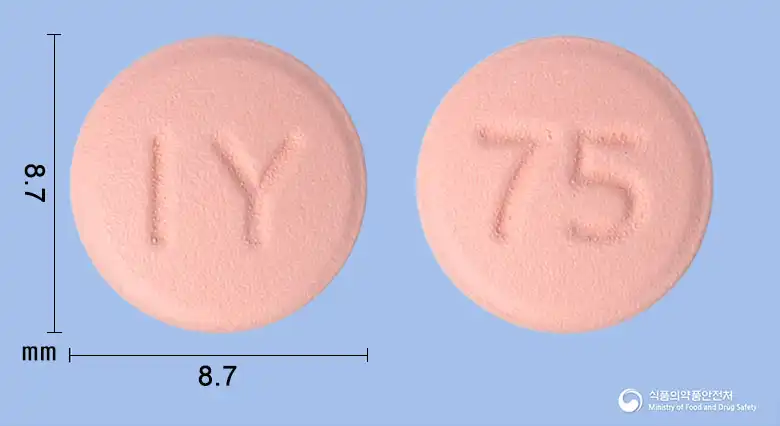
Clopidogrel Bisulfate 97.875mg
Tablet · Prescription medication
Il Yang Pharmaceutical Co., Ltd.
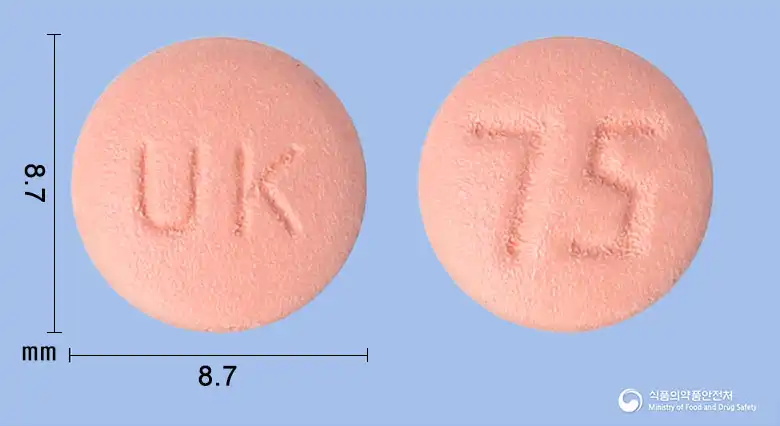
Clopidogrel Bisulfate 97.875mg
Tablet · Prescription medication
Korea Union Pharmaceutical Co., Ltd.
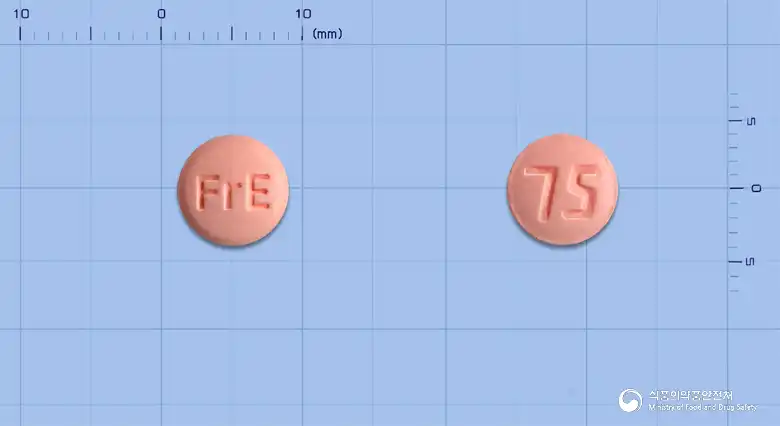
Clopidogrel Bisulfate 97.875mg
Tablet · Prescription medication
(Co., Ltd.) Korea Pharma
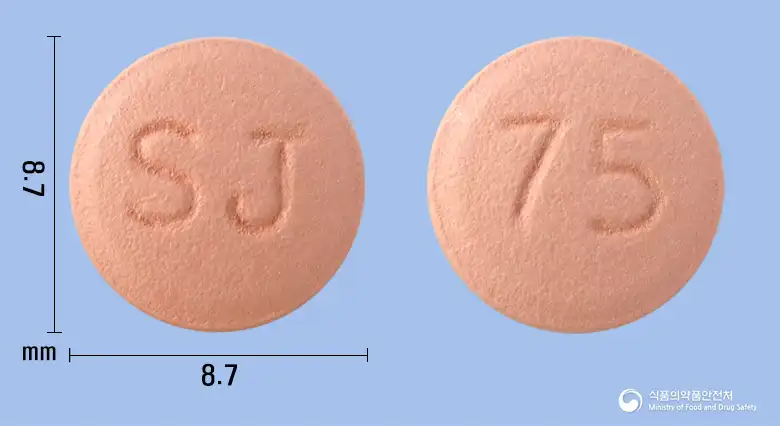
Clopidogrel Bisulfate 97.875mg
Tablet · Prescription medication
Samjin Pharmaceutical Co., Ltd.
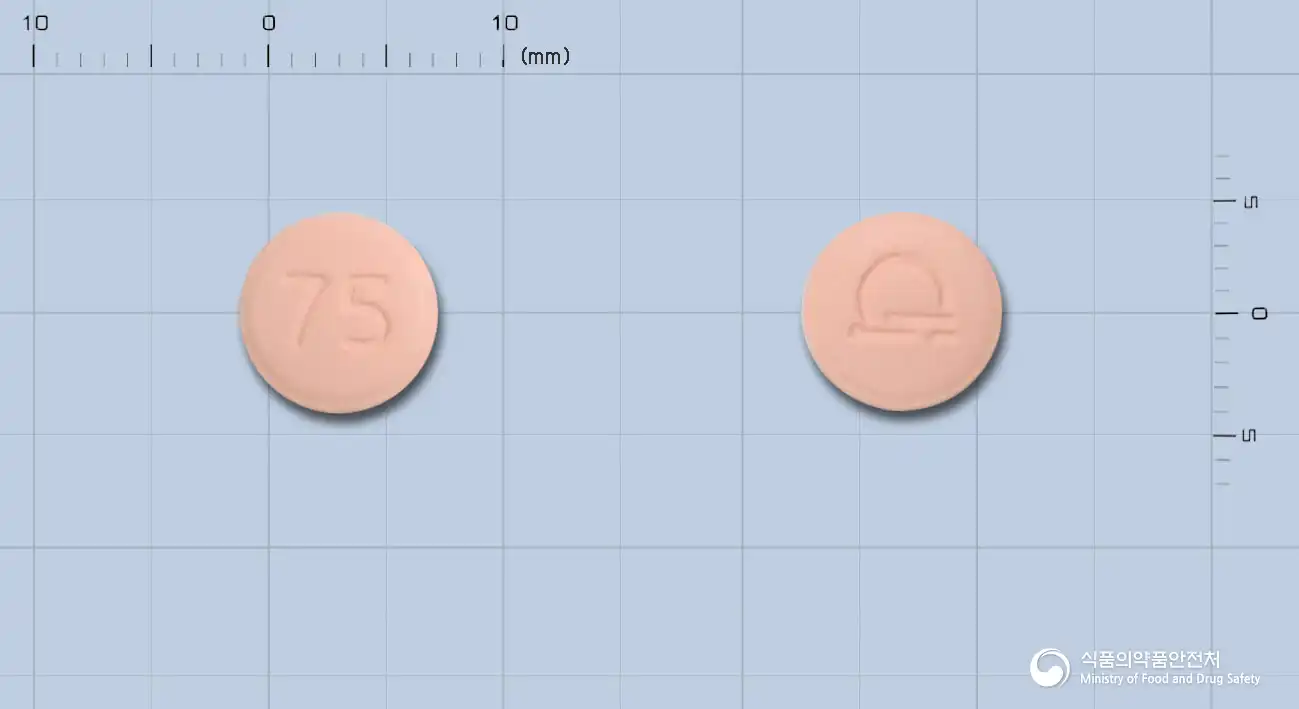
Clopidogrel Bisulfate 97.875mg
Tablet · Prescription medication
Daewon Pharmaceutical Co., Ltd.
Even with the same ingredient, the dose and directions can differ by strength and dosage form. Talk to a doctor or pharmacist before switching from a medication you are already taking.
No questions yet.
For anything that needs medical judgment, consult a doctor or pharmacist.
This drug information is based on data provided by the Korea Ministry of Food and Drug Safety.
Consult a doctor or pharmacist for accurate dosage, administration, and usage instructions.