
 한국어
한국어 English
 日本語
日本語 中文(简体)
 Viewing now
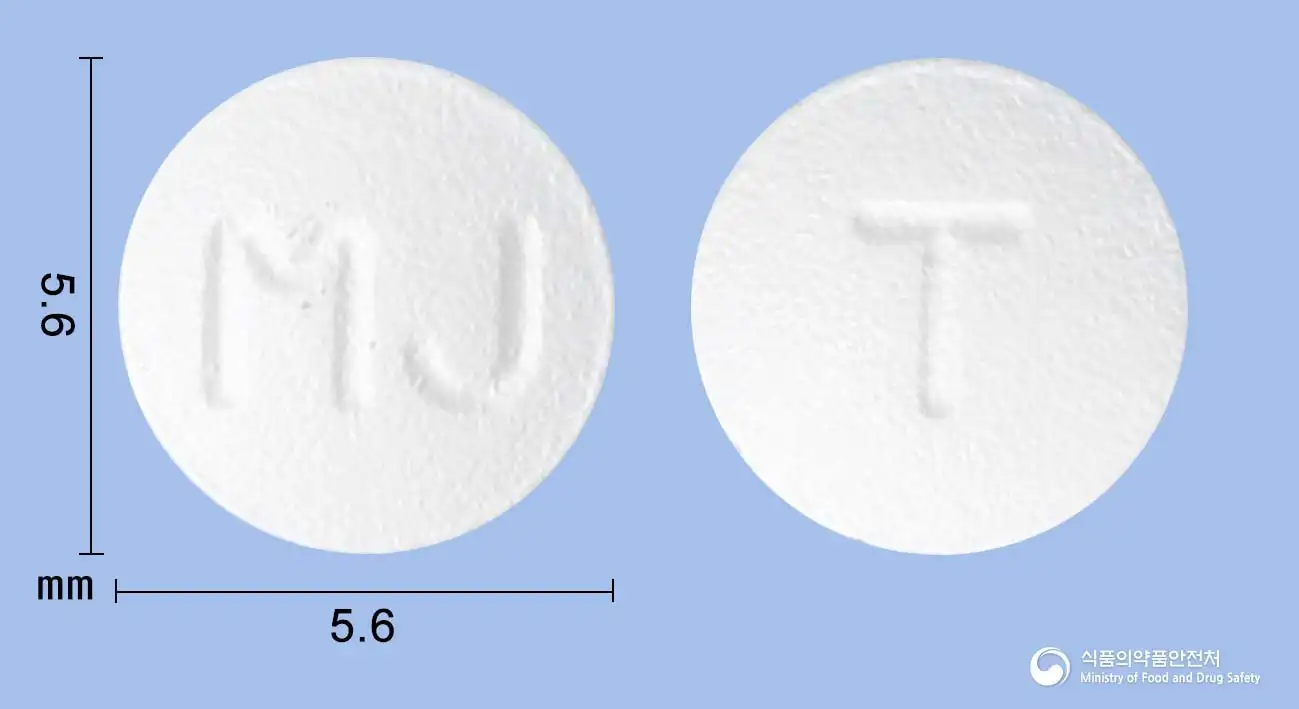
Pitavastatin Calcium Tablet 1mg (Pitavastatin Calcium)
Pitavastatin Calcium 1mg
Tablet · Prescription medication
Mothers Pharmaceutical Co., Ltd.
MFDS item code 202105501 · Approved 2021.07.22 · Insurance code 622804640
Improvement of cholesterol in hypercholesterolemia (primary, familial) and dyslipidemia
This medication helps improve blood cholesterol levels in patients with primary hypercholesterolemia and mixed dyslipidemia. It particularly helps to lower total cholesterol, LDL-cholesterol, Apo-B protein, and triglyceride levels to reduce the risk of cardiovascular disease, and increases HDL-cholesterol levels to help maintain a healthy lipid balance. It is also used in pediatric patients aged 10 to 16 with heterozygous familial hypercholesterolemia, effectively lowering total cholesterol and LDL-cholesterol levels to manage the risk of early cardiovascular disease. This medication supports efficient cholesterol management in patients as an adjunct to dietary modification. Thus, it is an important therapeutic agent for improving blood lipid abnormalities in patients with hypercholesterolemia.
For adults, the usual starting dose is 1 to 2mg of Pitavastatin Calcium taken once daily. If the LDL-cholesterol lowering effect is not sufficient, the dose may be increased up to a maximum of 4mg per day. The dosage should be appropriately adjusted every four weeks or more based on the LDL-cholesterol levels, therapeutic goals, and patient response.
For pediatric patients diagnosed with heterozygous familial hypercholesterolemia (ages 10 to 16), the recommended dose is 1mg of Pitavastatin Calcium taken once daily. If the LDL-cholesterol lowering effect is insufficient, the daily maximum may be adjusted to 2mg.
This medication should not be used in patients with specific health conditions. For example, it should not be administered to individuals with allergies to any of its ingredients, active liver disease, persistent unexplained increases in liver enzyme levels, severe liver dysfunction or bile duct obstruction, those currently taking cyclosporine, patients with myopathy, pregnant or potentially pregnant women, lactating women, and individuals with certain genetic disorders such as lactose intolerance. Furthermore, it should be used with caution in patients with renal impairment or a history of liver disease, those who consume alcohol excessively, elderly patients, children, patients with hypothyroidism, and those with genetic muscle disorders. Particular attention is required when taken with fibrates or niacin due to an increased risk of muscle damage and renal impairment. Muscle pain, weakness, abdominal pain, rashes, itching, headache, myalgia, stiffness, drowsiness, insomnia, heaviness, dizziness, dry mouth, dyspepsia, abdominal bloating, constipation, stomatitis, vomiting, loss of appetite, glossitis, nausea, gastrointestinal discomfort, diarrhea, elevated blood pressure, chest discomfort, weakness, thrombocytopenia, increased frequency of urination, increased BUN, elevated serum creatinine, decreased aldosterone, increased aldosterone, increased adrenocorticotropic hormone, increased cortisol may occur while taking this medication. If such symptoms arise, consult a doctor immediately, and discontinuation of the medication may be necessary. Since this medication is used for treating hypercholesterolemia, a thorough examination should confirm the diagnosis before administration, and non-pharmacologic treatments such as dietary and exercise therapy must also be considered. Regular monitoring of blood lipid levels and liver function tests during treatment is essential to assess efficacy and monitor for adverse reactions. This medication may increase the risk of developing diabetes in some patients; therefore, patients with risk factors for diabetes should regularly check their blood glucose levels. This medication can interact with other medications, so caution is necessary when taken with cyclosporine, fibrates, niacin, erythromycin, etc., and discontinuation may be needed based on subjective symptoms or test results. Elderly individuals and children may be at higher risk for adverse reactions; thus, dose adjustment and careful observation are required. Women who are pregnant or breastfeeding should not take this medication and should also avoid it if planning to become pregnant. Finally, this medication should be kept out of reach of children and stored safely in its original container.
Hives, severe swelling, angioedema, rhabdomyolysis, acute renal failure, myopathy, liver dysfunction, jaundice, thrombocytopenia, severe allergic reactions, liver abnormalities (jaundice), severe swelling or urinary disturbances, chest tightness, difficulty breathing, respiratory issues, severe skin adverse reactions, severe neurological symptoms, severe swelling accompanied by elevated blood pressure, rapid deterioration of kidney function, muscle pain and weakness, elevated CPK
Not everyone experiences these, and they can vary from person to person.
This medication is sensitive to light and should be stored in a light-resistant container. Additionally, it must be stored at room temperature between 1 to 30 degrees Celsius to maintain its efficacy.
White circular film-coated tablets
30 tablets/bottle, 100 tablets/bottle
Even with the same ingredient, strength, dosage form and how it is taken can differ.
Viewing nowPitavastatin Calcium 1mg
Tablet · Prescription medication
Mothers Pharmaceutical Co., Ltd.
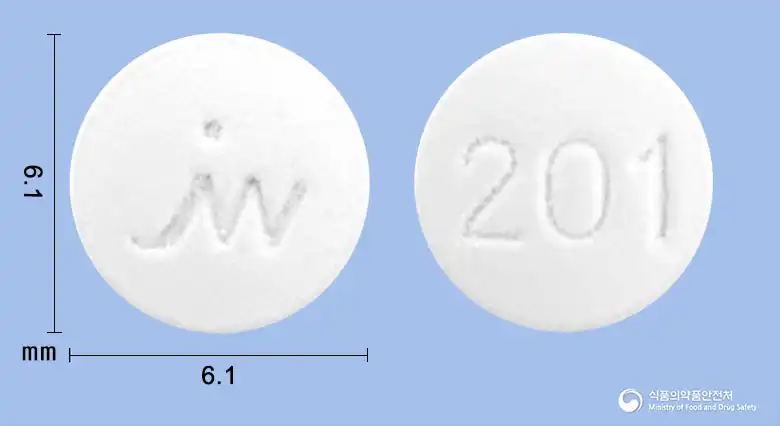
Pitavastatin Calcium Hydrate 1mg
Tablet · Prescription medication
JW Pharmaceutical Corporation

Pitavastatin Calcium Hydrate 2mg
Tablet · Prescription medication
JW Pharmaceutical Corporation
Pitavastatin Calcium 2mg
Tablet · Prescription medication
Youngjin Pharmaceutical Co., Ltd.

Pitavastatin Calcium 2mg
Tablet · Prescription medication
Samchundang Pharmaceutical Co., Ltd.

Pitavastatin Calcium 2mg
Tablet · Prescription medication
Daewon Pharmaceutical Co., Ltd.

Pitavastatin Calcium 2mg
Tablet · Prescription medication
Samnam Pharmaceutical Co., Ltd.

Pitavastatin Calcium 2mg
Tablet · Prescription medication
Seoul Pharmaceutical Co., Ltd.
Even with the same ingredient, the dose and directions can differ by strength and dosage form. Talk to a doctor or pharmacist before switching from a medication you are already taking.
No questions yet.
For anything that needs medical judgment, consult a doctor or pharmacist.
This drug information is based on data provided by the Korea Ministry of Food and Drug Safety.
Consult a doctor or pharmacist for accurate dosage, administration, and usage instructions.