
 한국어
한국어 English
 日本語
日本語 中文(简体)
Dosage form image
Viewing nowCombinationAnapergia Tablet 5/160/10 mg
Amlodipine Besylate · Valsartan +1 more
Prescription medication · Combination
Aju Pharmaceuticals Co., Ltd.
MFDS item code 202105303 · Approved 2021.07.12
This product's status changed to Approval withdrawn on 2023.09.14. It may no longer be sold, so consult a doctor or pharmacist before taking it.
Reduction of essential hypertension and cardiovascular disease risk, improvement of dyslipidemia
This medication is used for patients who require the combined administration of amlodipine/valsartan and atorvastatin. The amlodipine/valsartan combination helps lower blood pressure effectively in patients with essential hypertension who have difficulty managing blood pressure with monotherapy. Meanwhile, atorvastatin reduces the risk of various cardiovascular diseases and is effective for treating hyperlipidemia. It particularly reduces the risk of myocardial infarction, stroke, and vascular interventions in patients with risk factors for coronary heart disease or those with type 2 diabetes, as well as lowers the risk of angina and hospitalizations due to congestive heart failure. Additionally, it is used to improve cholesterol and triglyceride levels in patients with dyslipidemia. Thus, this medication aids in managing blood pressure, cardiovascular diseases, and lipid disorders simultaneously.
This medication is taken once daily at a time that is as uniform as possible each day (e.g., in the morning) with water. For those receiving combined therapy with amlodipine/valsartan, it should be administered as follows if blood pressure is not adequately controlled by monotherapy: - 5/80 mg: Administered to patients whose blood pressure is not sufficiently regulated with either amlodipine 5 mg or valsartan 80 mg as monotherapy. - 5/160 mg:
This medication may cause severe harm to the fetus and newborn if taken during the second and third trimesters of pregnancy; therefore, It must be stopped immediately upon confirmation of pregnancy. In cases where muscle-related diseases are suspected or muscle enzyme levels are elevated, it may be necessary to stop taking atorvastatin, one of the components of this medication. Patients with hypersensitivity or certain liver or kidney diseases, as well as pregnant or breastfeeding women, should not take this medication. Patients with low body sodium or fluids may experience hypotension, so their condition should be carefully assessed before administration, and they should follow their doctor's instructions. Patients with high potassium levels in the blood should exercise caution when taking this medication with drugs that increase potassium, and regular blood tests should be conducted. Patients with poor kidney function, kidney transplant patients, or those who have had heart failure or myocardial infarction should take special care when taking this medication. This medication requires dose adjustments in patients with impaired liver function, and immediate consultation with a physician is needed if symptoms of liver function abnormality appear. During treatment, dizziness or fatigue may occur, so caution should be exercised while driving or operating machinery. If symptoms such as muscle pain, weakness, or fever appear during treatment, notify a physician immediately and undergo muscle enzyme testing if necessary. Since there may be interactions with other medications, it is essential to inform the physician or pharmacist of any other medications being taken. Pregnant or breastfeeding women should not take this medication, and women of childbearing age should use appropriate contraceptive methods. Children or patients under 18 years of age should ideally avoid its use since safety and efficacy have not been established. Elderly patients may react more sensitively to this medication, so caution should be taken to start with a lower dose and gradually increase it. It is essential to have regular liver and kidney function tests following administration, and seek immediate consultation with a specialist if any abnormal symptoms occur.
Hives, severe swelling (angioedema), chest tightness, difficulty breathing, cold sweats, pallor, severe rash with high fever, blisters, skin peeling, oral/ocular mucosal pain, shortness of breath or difficulty breathing, asthma attack, respiratory abnormalities accompanied by cough and fever, yellowing of the skin or eyes (jaundice), profound lethargy, sudden and severe headache, thunderclap headache, seizures, confusion, vision changes, paralysis,
Eye abnormalities (dry eyes, visual impairment, diplopia), nausea, headache, dizziness, drowsiness, orthostatic dizziness, sensory abnormalities, lightheadedness, tinnitus, tachycardia, palpitations, fainting, orthostatic hypotension, hypotension, cough, throat and larynx pain, diarrhea, abdominal pain, constipation, dry mouth, rash, erythema, sweating, itching, joint swelling, back pain, arthritis, muscle cramps, lethargy, polyuria, polyuria, erectile dysfunction, edema, facial swelling,
Not everyone experiences these, and they can vary from person to person.
This medication should be stored in a tightly sealed container to protect it from air and moisture. It is best to maintain a storage temperature between 1 to 30 degrees Celsius.
Light yellowish-brown oval film-coated tablet
30 tablets/bottle, 100 tablets/bottle
Even with the same ingredient, strength, dosage form and how it is taken can differ.
Amlodipine Besylate · Valsartan +1 more
Prescription medication · Combination
Aju Pharmaceuticals Co., Ltd.
Amlodipine Besylate 6.94mg · Valsartan 80mg +1 more
Tablet · Prescription medication · Combination
HK Inno.N Co., Ltd.
Amlodipine Besylate 6.94mg · Valsartan 80mg +1 more
Tablet · Prescription medication · Combination
HK inno.N Co., Ltd.
Amlodipine Besylate 6.94mg · Valsartan 160mg +1 more
Tablet · Prescription medication · Combination
HK inno.N Co., Ltd.
Amlodipine Besylate 6.94mg · Valsartan 160mg +1 more
Tablet · Prescription medication · Combination
HK inno.N Co., Ltd.
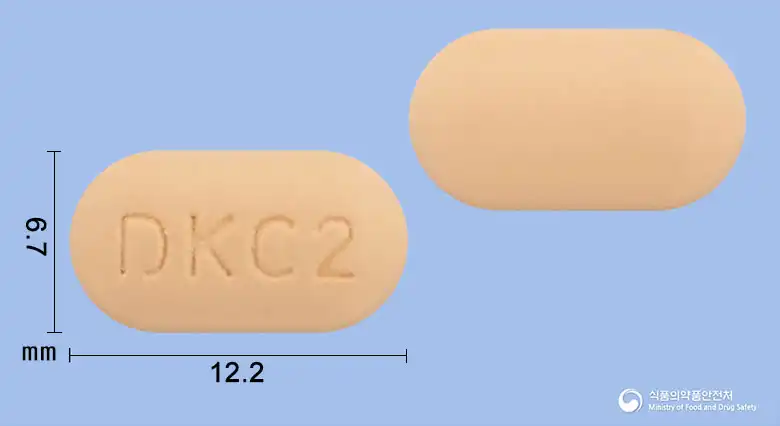 Combination
Amlodipine Besylate 6.94mg · Valsartan 80mg +1 more
Tablet · Prescription medication · Combination
Dongu Bio Pharmaceutical Co., Ltd.
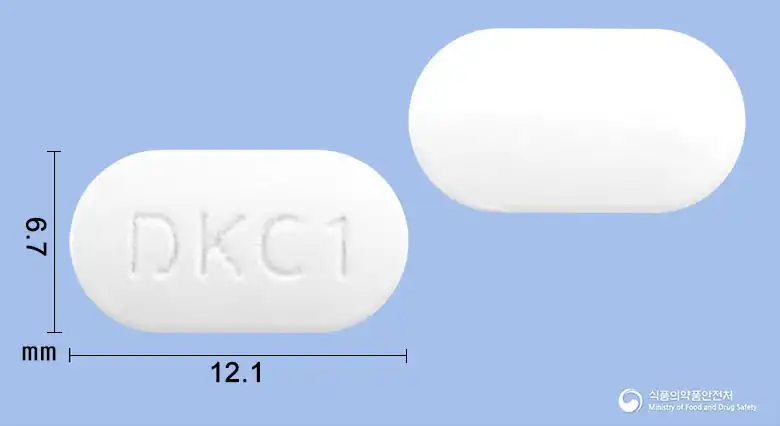 Combination
Amlodipine Besylate 6.94mg · Valsartan 80mg +1 more
Tablet · Prescription medication · Combination
Donggu Bio Pharmaceutical Co., Ltd.
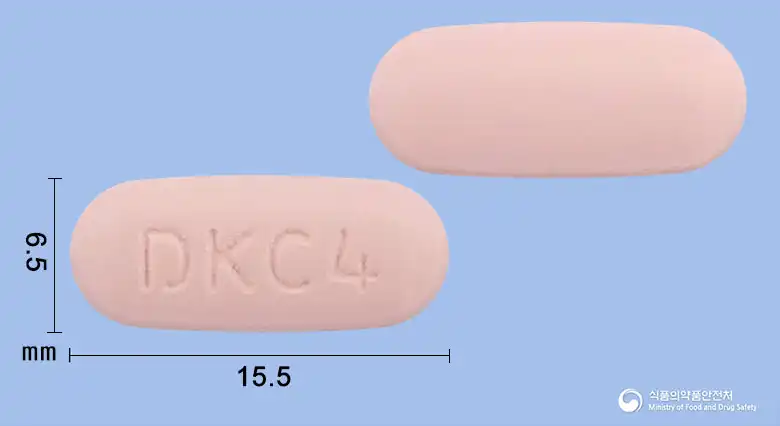 Combination
Amlodipine Besylate 6.94mg · Valsartan 160mg +1 more
Tablet · Prescription medication · Combination
Donggu Bio Pharmaceutical Co., Ltd.
Even with the same ingredient, the dose and directions can differ by strength and dosage form. Talk to a doctor or pharmacist before switching from a medication you are already taking.
No questions yet.
For anything that needs medical judgment, consult a doctor or pharmacist.
This drug information is based on data provided by the Korea Ministry of Food and Drug Safety.
Consult a doctor or pharmacist for accurate dosage, administration, and usage instructions.