
 한국어
한국어 English
 日本語
日本語 中文(简体)
Dosage form image
Viewing nowBastia 23 mg (Donepezil Hydrochloride)
Donepezil Hydrochloride Hydrate 24mg
Tablet · Prescription medication
(Co., Ltd.) Korea Pharma
MFDS item code 202103492 · Approved 2021.04.29
Treatment of moderate to severe Alzheimer's dementia symptoms
This medication is used to treat moderate to severe Alzheimer's dementia symptoms. It is prescribed to help alleviate cognitive decline and memory loss in patients, and to assist in maintaining daily living abilities. Additionally, it contributes to improvements in behavior and social function, thereby helping to enhance the quality of life for the patient.
This medication is taken once daily just before bedtime and can be taken without regard to food. The initial recommended dosage of Donepezil Hydrochloride is 5 mg once daily. This medication reaches a steady state after 15 days of administration and should be taken at 5 mg for 4-6 weeks. After evaluating the clinical response, the dosage can be increased to 10 mg. If increasing to 10 mg daily, observe for gastrointestinal adverse reactions.
This medication is a drug containing Donepezil Hydrochloride, used for the treatment of Alzheimer's dementia symptoms. This medication should not be administered to certain patients. For example, patients with allergies to this medication or its components, pregnant women or women who may become pregnant, and patients with genetic issues such as lactose intolerance should not take this medication. Patients with heart diseases or who are taking non-steroidal anti-inflammatory drugs, patients with a history of asthma or obstructive pulmonary diseases, patients with extrapyramidal disorders such as Parkinson's Disease, and patients allergic to the yellow dye No. 4 contained in this medication should use it cautiously. This medication may cause a slow or irregular heartbeat and can lead to various severe side effects such as peptic ulcers, gastrointestinal bleeding, liver dysfunction, cerebrovascular issues, and muscle problems. If these symptoms occur, immediate consultation with a physician is necessary. Furthermore, while taking this medication, side effects like nausea, vomiting, diarrhea, loss of appetite, dizziness, insomnia, headache, and fatigue may occur, most of which are transient and mild. This medication is approved for use only in patients with Alzheimer's dementia and should not be used for other types of dementia or memory disorders. Treatment should be conducted under the supervision of an experienced physician, and discontinuation should be considered if there is no effect. Patients with heart diseases or electrolyte imbalances are at risk of arrhythmias and may require an electrocardiogram. Additionally, patients with gastrointestinal issues should be cautious of symptom exacerbation. This medication may affect driving or operating machinery, so caution is required at the beginning of treatment or when changing dosages. Women who are pregnant or breastfeeding should avoid taking this medication unless absolutely necessary and should consult a specialist. This medication may interact with multiple drugs, so if taking other medications, it is imperative to inform a physician or pharmacist. In cases of overdose, symptoms such as nausea, vomiting, bradycardia, hypotension, and respiratory depression may occur, and immediate emergency treatment is required; atropine may be used as an antidote. Finally, this medication should be kept out of reach of children and should not be transferred to another container for safety.
Not everyone experiences these, and they can vary from person to person.
This medication should be stored in a well-closed container that is airtight, at a temperature between 1 degrees to 30 degrees Celsius at room temperature. This storage will help maintain the medication's effectiveness over time.
Red, biconvex, round film-coated tablet
30 tablets/bottle
Even with the same ingredient, strength, dosage form and how it is taken can differ.
Donepezil Hydrochloride Hydrate 24mg
Tablet · Prescription medication
(Co., Ltd.) Korea Pharma
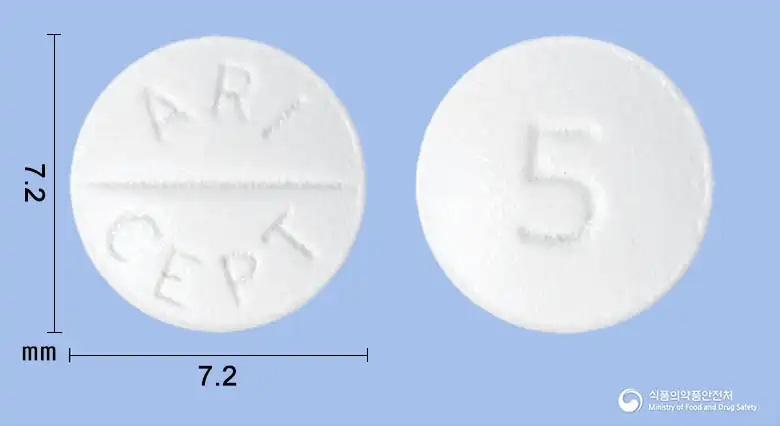
Donepezil Hydrochloride 5mg
Tablet · Prescription medication
HanDoc Co., Ltd.
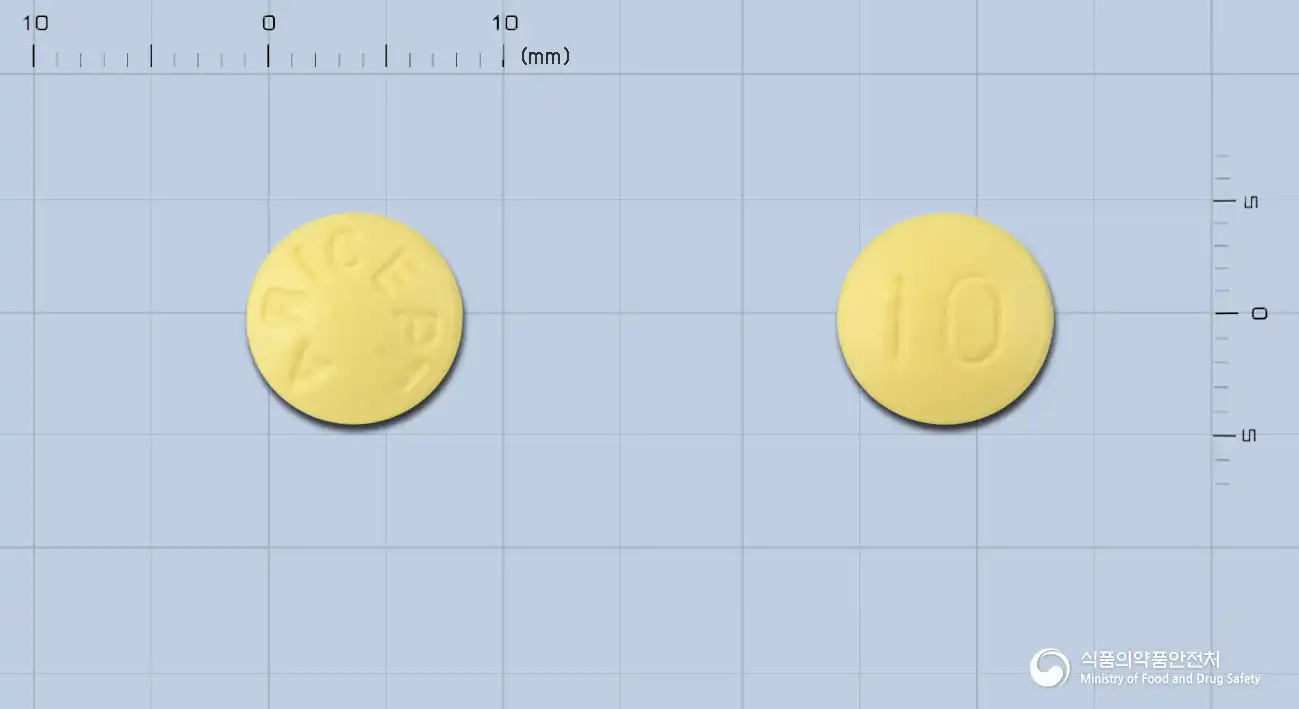
Donepezil Hydrochloride 10mg
Tablet · Prescription medication
Hanmi Pharmaceutical Co., Ltd.
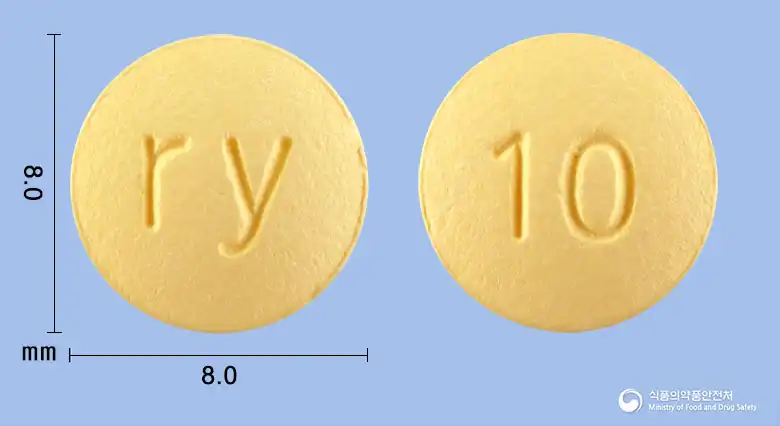
Donepezil Hydrochloride Hydrate 10.43mg
Tablet · Prescription medication
IYun Pharmaceuticals Co., Ltd.
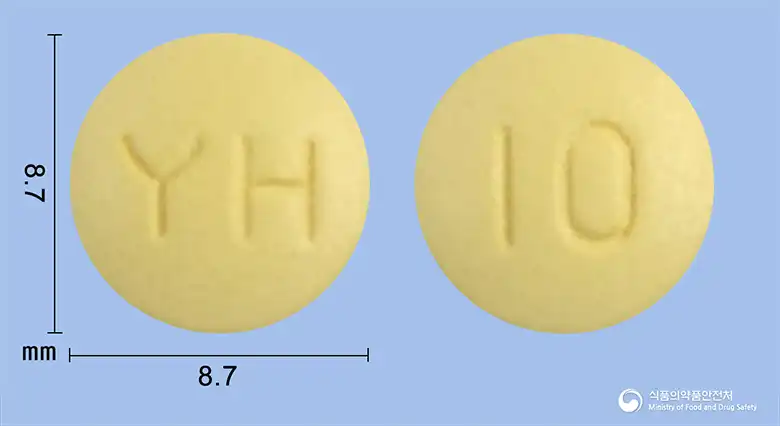
Donepezil Hydrochloride Hydrate 10.43mg
Tablet · Prescription medication
Yuhan Corporation
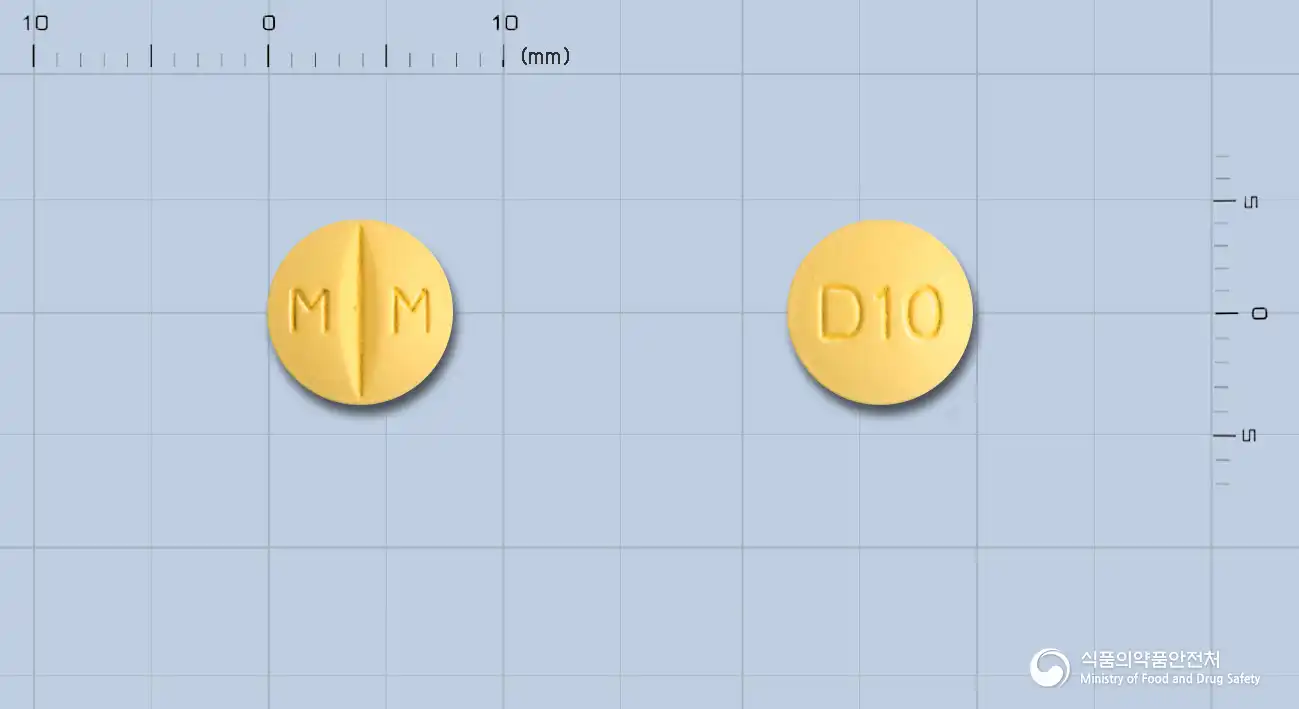
Donepezil Hydrochloride Hydrate 10.43mg
Tablet · Prescription medication
Myungmoon Pharmaceutical Co., Ltd.
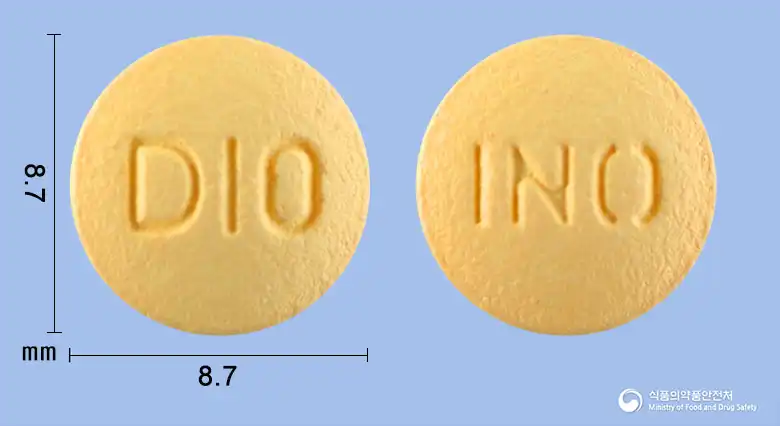
Donepezil Hydrochloride Hydrate 10.43mg
Tablet · Prescription medication
HK inno.N Co., Ltd.
Donepezil Hydrochloride 10mg
Tablet · Prescription medication
Celltrion Pharmaceutical Co., Ltd.
Even with the same ingredient, the dose and directions can differ by strength and dosage form. Talk to a doctor or pharmacist before switching from a medication you are already taking.
No questions yet.
For anything that needs medical judgment, consult a doctor or pharmacist.
This drug information is based on data provided by the Korea Ministry of Food and Drug Safety.
Consult a doctor or pharmacist for accurate dosage, administration, and usage instructions.