
 한국어
 English
 日本語
 中文(简体)
 Viewing now
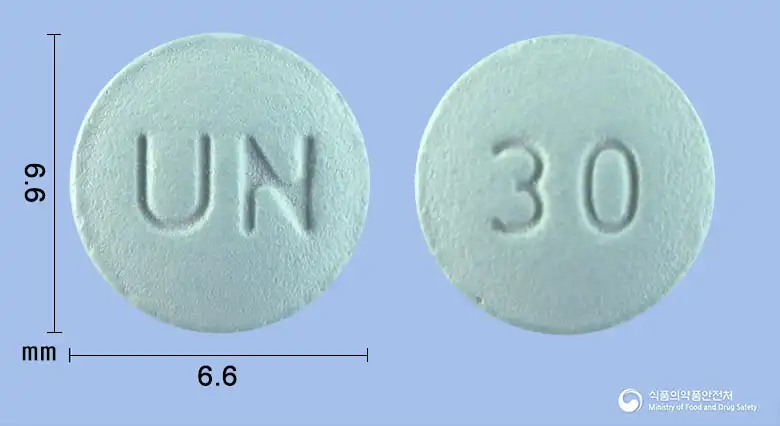
Etoxicib 30 mg Tablet
Etoricoxib 30mg
Tablet · Prescription medication
Korea Union Pharmaceutical Co., Ltd.
MFDS item code 202103413 · Approved 2021.04.27 · Insurance code 665508350
Relief of symptoms of osteoarthritis (degenerative arthritis)
This medication is used to relieve pain and inflammation caused by osteoarthritis, also known as degenerative joint disease. It acts primarily as a selective COX-2 inhibitor, reducing inflammatory responses, alleviating pain, and improving joint function. However, it is essential to evaluate the overall risk for each patient when administering this medication, and it is important to carefully review the precautions for use. By managing this medication cautiously, osteoarthritis symptoms can be effectively alleviated.
The potential risks and benefits of this medication and alternative treatments should be considered before treatment is started. As cardiovascular risk increases with higher doses and longer exposure, use this medication for the shortest possible duration. Adverse reactions such as hypertension, congestive heart failure, and edema may occur during treatment. Reassess at least monthly whether treatment should be continued based on symptom relief and the patient's response to treatment. This medication may be taken with or without food. Adults: The recommended dose is 30 mg once daily. Do not exceed 30mg per day. If there is no therapeutic benefit at the recommended dose, discontinue this medication and consider an appropriate alternative treatment. Patients with hepatic impairment: No dosage adjustment is necessary in patients with mild or moderate hepatic impairment (Child-Pugh score 5-9). However, use caution because experience with this medication in patients with moderate hepatic impairment is limited. Do not use this medication in patients with severe hepatic impairment (Child-Pugh score >9), as there is no experience with its use in these patients. Patients with renal impairment: No dosage adjustment is necessary in patients with mild or moderate renal impairment (creatinine clearance of 30 mL/min or greater). Do not use this medication in patients with severe renal impairment (creatinine clearance below 30 mL/min). Elderly patients: No dosage adjustment is necessary in elderly patients.
This medication can increase the risk of gastrointestinal bleeding if taken by individuals who consume more than three alcoholic beverages per day; therefore, it is essential to consult with a physician or pharmacist. This medication can lead to cardiovascular problems, potentially increasing the risk of serious cardiovascular diseases such as myocardial infarction or stroke. In particular, patients with a history of cardiovascular disease or risk factors should use the minimum effective dose for the shortest possible duration. It may also affect the gastrointestinal tract, causing severe gastrointestinal issues such as gastric ulcers, bleeding, or perforation, so patients should promptly report symptoms like epigastric pain, indigestion, black stools, or vomiting blood to medical personnel. This medication should not be administered to patients with certain diseases or conditions, including individuals with uncontrolled hypertension, severe heart failure, significantly impaired liver or kidney function, or pregnant or breastfeeding women. Patients with weak liver or kidney function, asthma, hypertension, the elderly, etc., should use this medication with extra caution and undergo regular health checks. While on this medication, regular monitoring of blood pressure, liver function, kidney function, and blood tests is necessary to detect and address any adverse reactions promptly. This medication may interact with other drugs; therefore, it is important to consult a physician when taking it alongside anticoagulants, diuretics, antihypertensives, certain antibiotics, oral contraceptives, etc. Pregnant women or those who might become pregnant should not take this medication, and its use should be stopped immediately if pregnancy is confirmed. The safety and efficacy of this medication in children have not been established, and older adults may be more sensitive to its effects, necessitating additional caution. In case of overdose, symptoms such as lethargy, drowsiness, nausea, vomiting, abdominal pain may occur, and severe cases may lead to renal failure or respiratory depression, requiring immediate medical intervention. Keep this medication out of reach of children and avoid transferring it to other containers. If dizziness or drowsiness occurs during treatment, it is advisable to avoid driving or operating machinery.
Not everyone experiences these, and they can vary from person to person.
Store this medication in a tightly sealed container to protect it from exposure to air or moisture, and keep it at room temperature between 1 to 30 degrees Celsius. This way, the effectiveness of the medication can be maintained for a longer period.
Greenish-blue, round, biconvex film-coated tablet
30 tablets/box [(10 tablets/PTP×3)]
Even with the same ingredient, strength, dosage form and how it is taken can differ.
Viewing nowEtoricoxib 30mg
Tablet · Prescription medication
Korea Union Pharmaceutical Co., Ltd.
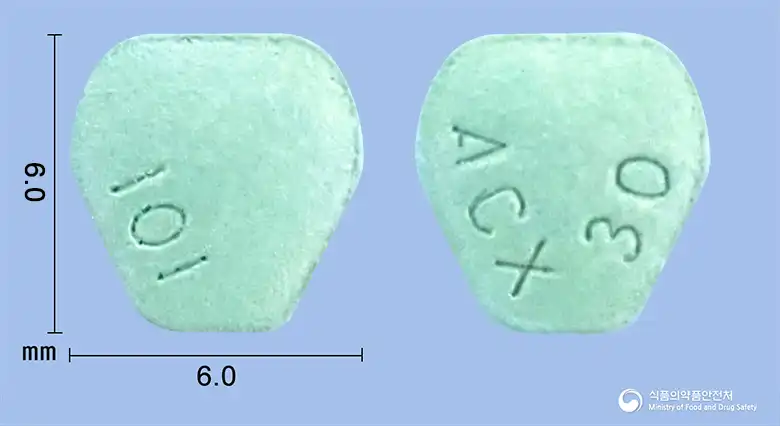
Etoricoxib 30mg
Tablet · Prescription medication
Korea Organon Co., Ltd.
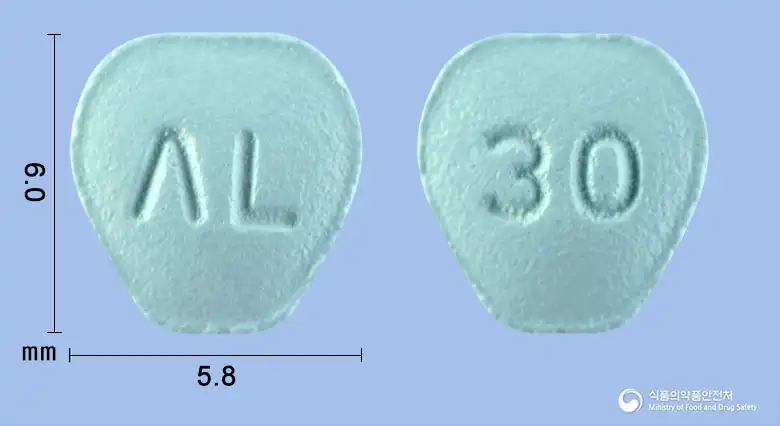
Etoricoxib 30mg
Tablet · Prescription medication
Alcoc Pharmaceutical Co., Ltd.
Etoricoxib 30mg
Tablet · Prescription medication
Boryung Co., Ltd.
Etoricoxib 30mg
Tablet · Prescription medication
IYON Pharmaceutical Co., Ltd.
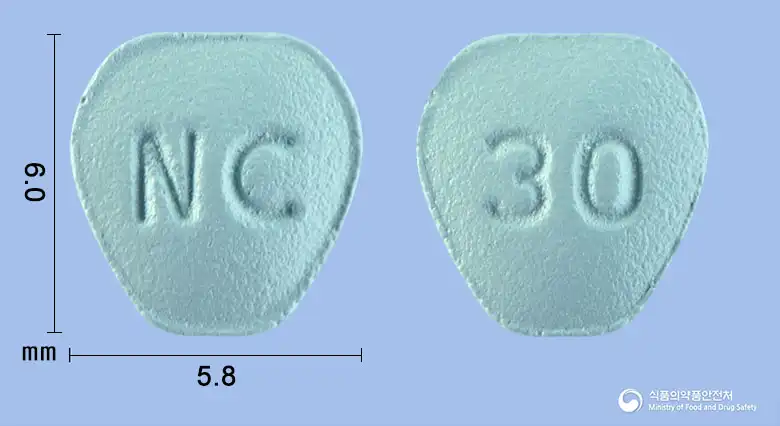
Etoricoxib 30mg
Tablet · Prescription medication
Samil Pharmaceutical Co., Ltd.
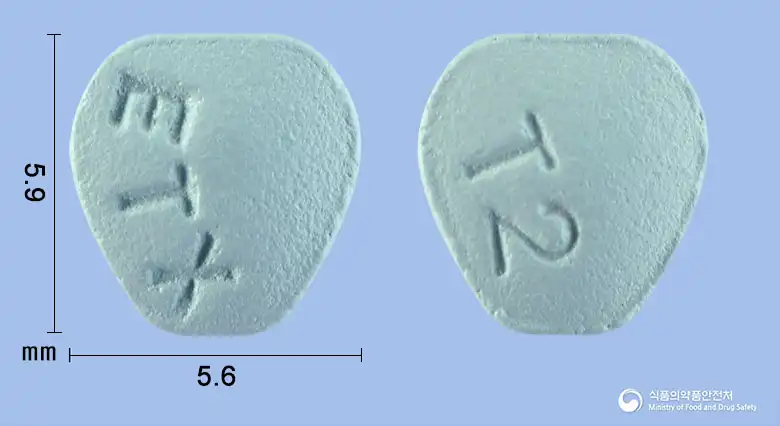
Etoricoxib 30mg
Tablet · Prescription medication
Teragen Etex Co., Ltd.
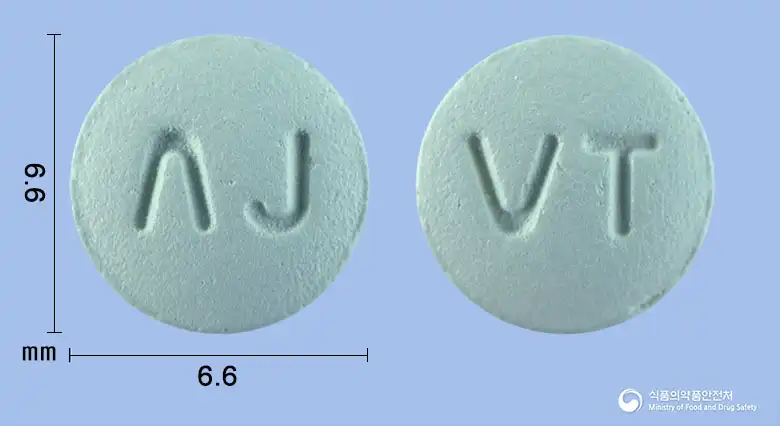
Etoricoxib 30mg
Tablet · Prescription medication
Aju Pharmaceuticals Co., Ltd.
Even with the same ingredient, the dose and directions can differ by strength and dosage form. Talk to a doctor or pharmacist before switching from a medication you are already taking.
No questions yet.
For anything that needs medical judgment, consult a doctor or pharmacist.
This drug information is based on data provided by the Korea Ministry of Food and Drug Safety.
Consult a doctor or pharmacist for accurate dosage, administration, and usage instructions.