
 한국어
한국어 English
 日本語
日本語 中文(简体)
 Viewing now
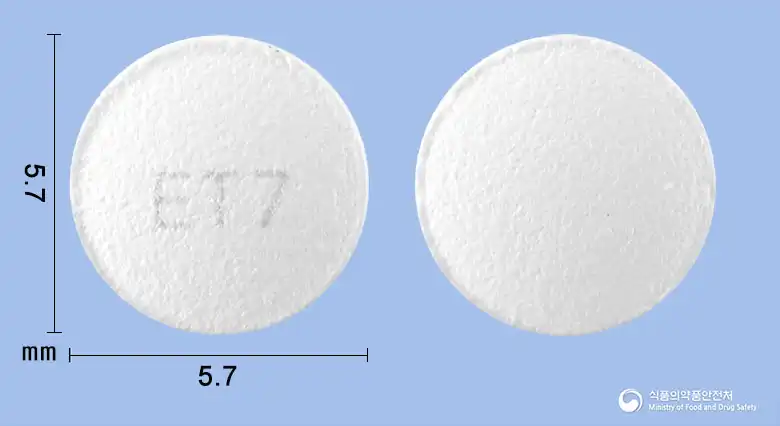
Pitasthan Tablet 1 mg (Pitavastatin Calcium Hydrate)
Pitavastatin Calcium Hydrate 1.102mg
Tablet · Prescription medication
GL Pharma Co., Ltd.
MFDS item code 202102918 · Approved 2021.04.05 · Insurance code 649702670
Cholesterol improvement treatment for hypercholesterolemia (primary, familial) and dyslipidemia
This medication is used as an adjunct to dietary therapy to lower total cholesterol, LDL-cholesterol, apo-B protein, and triglyceride levels in patients with primary hypercholesterolemia and mixed dyslipidemia, while increasing the good cholesterol known as HDL-cholesterol. It is particularly applicable to pediatric patients aged 10 to 16 years with heterozygous familial hypercholesterolemia, helping to safely manage high cholesterol levels. The drug is more effective in patients with a family history or risk factors for early cardiovascular disease, thus playing an important role in improving cardiovascular health. Overall, this treatment is used to improve blood lipid levels and reduce the risk of cardiovascular disease occurrence.
For adults, the usual initial dosage is 1 to 2 mg of Pitavastatin Calcium once daily. If the LDL-cholesterol reduction effect is insufficient, the dose may be increased to a maximum of 4 mg per day. The dosage should be adjusted based on LDL-cholesterol levels, treatment goals, and patient response at intervals of 4 weeks or more.
For pediatric patients (10 to 16 years) with heterozygous familial hypercholesterolemia, take 1 mg of Pitavastatin Calcium once daily. If the LDL-cholesterol reduction effect is insufficient, the dose may be increased to a maximum of 2 mg per day.
This medication should not be administered to patients with known allergies to certain ingredients. Patients with active liver disease or persistently elevated liver function test results should also avoid this medication. Patients with severe liver disorders or biliary obstruction should not be given this drug, nor should it be used in patients taking cyclosporine. Individuals with myopathy, pregnant women, women who may become pregnant, and nursing mothers should not use this medication. It should also not be administered to patients with genetic issues such as lactose intolerance. Patients with impaired renal function or a history of liver disorders should use this medication with caution. In particular, co-administration with fibrates or niacin should be avoided due to the risk of muscle damage and worsening renal function. Caution is also advised when used in elderly or pediatric patients, particularly in cases of myasthenia. Unusual symptoms such as muscle pain, weakness, abdominal pain, rash, itching, etc. may occur while taking this medication, so it is essential to consult a doctor immediately if any symptoms arise. Regular liver function tests should be performed, and if liver abnormalities are found, the treatment should be discontinued. This medication can cause serious muscle damage known as rhabdomyolysis; therefore, if muscle-related symptoms arise, stop taking it immediately. There are many drug interactions, particularly with cyclosporine, fibrates, niacin, erythromycin, etc., thus increasing the risk of renal function deterioration and muscle damage; caution should be exercised. Pregnant women or those who may become pregnant should not use this medication, and it should be discontinued immediately if pregnancy is confirmed during treatment. In children, this medication should be administered with great care only under the guidance of a specialist for the treatment of familial hypercholesterolemia, and safety in children under the age of 10 has not been established. This medication should be kept out of the reach of children, stored in its original container to prevent misuse or degradation in quality.
Abdominal pain, fatigue, itching, rash, muscle pain, headache, weakness, dry mouth, indigestion, abdominal bloating, constipation, stomatitis, vomiting, loss of appetite, glossitis, nausea, gastric discomfort, diarrhea, thrombocytopenia, granulocytopenia, leukopenia, eosinophilia, leukocytosis, globulin elevation, palpitations, skin tenderness, flushing, arthralgia, edema, blurred vision, photophobia, hearing loss, hematuria, increased uric acid levels, and elevated serum potassium and phosphorus.
Not everyone experiences these, and they can vary from person to person.
This medication should be stored in a tightly closed container that protects from light, and it is safe to keep at room temperature between 1 to 30 degrees Celsius. Storing it this way can maintain the drug's effectiveness and prevent degradation.
White round film-coated tablet
Bottle - 30 tablets/bottle, Bottle - 100 tablets/bottle
Even with the same ingredient, strength, dosage form and how it is taken can differ.
Viewing nowPitavastatin Calcium Hydrate 1.102mg
Tablet · Prescription medication
GL Pharma Co., Ltd.
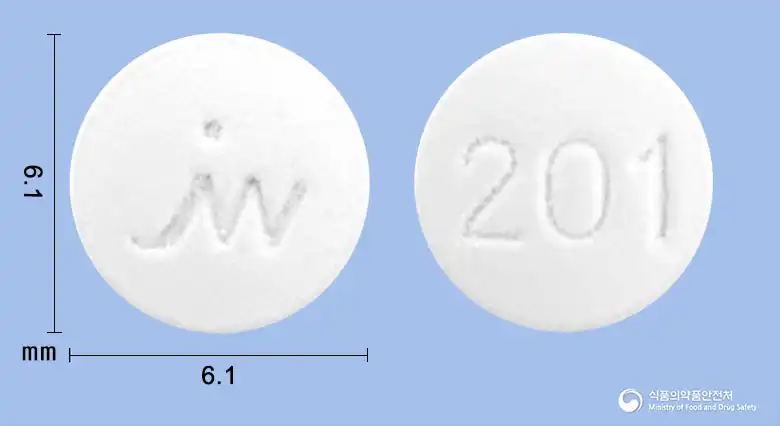
Pitavastatin Calcium Hydrate 1mg
Tablet · Prescription medication
JW Pharmaceutical Corporation
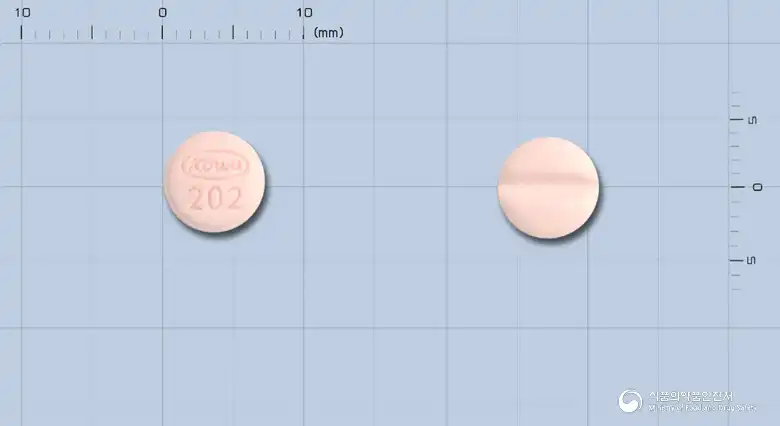
Pitavastatin Calcium Hydrate 2mg
Tablet · Prescription medication
JW Pharmaceutical Corporation
Pitavastatin Calcium 2mg
Tablet · Prescription medication
Youngjin Pharmaceutical Co., Ltd.
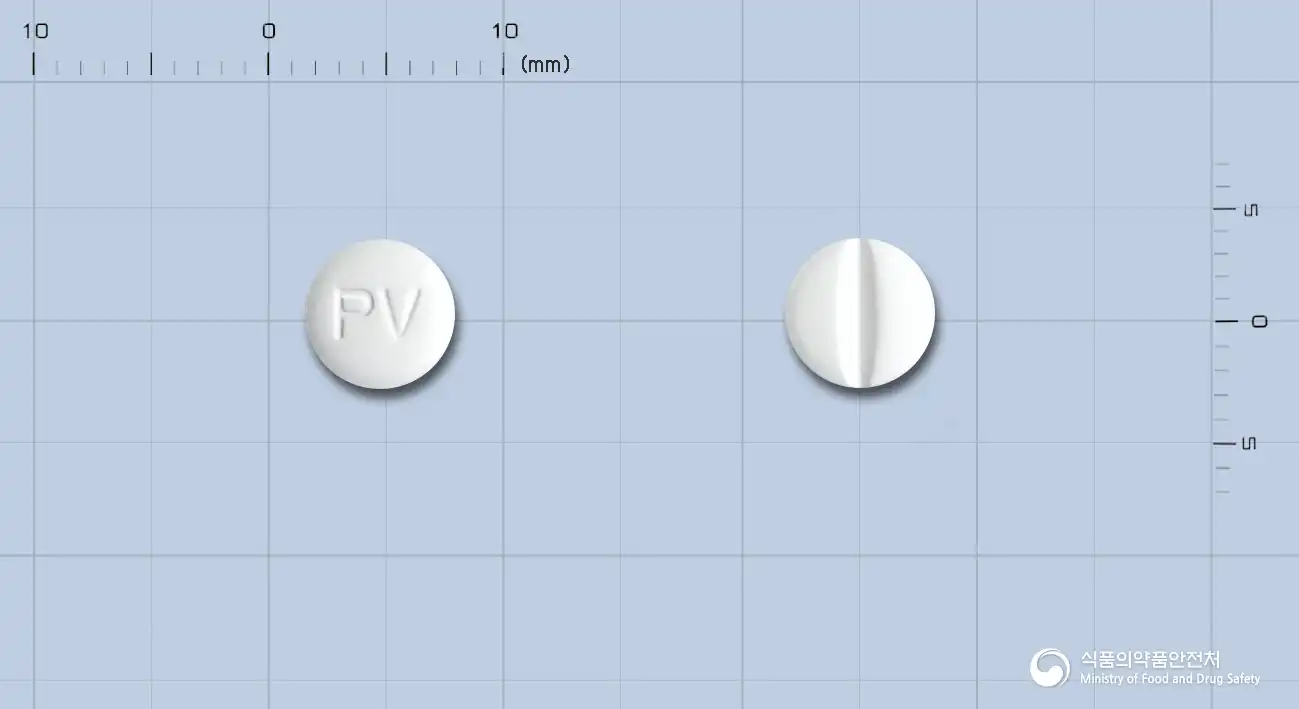
Pitavastatin Calcium 2mg
Tablet · Prescription medication
Samchundang Pharmaceutical Co., Ltd.
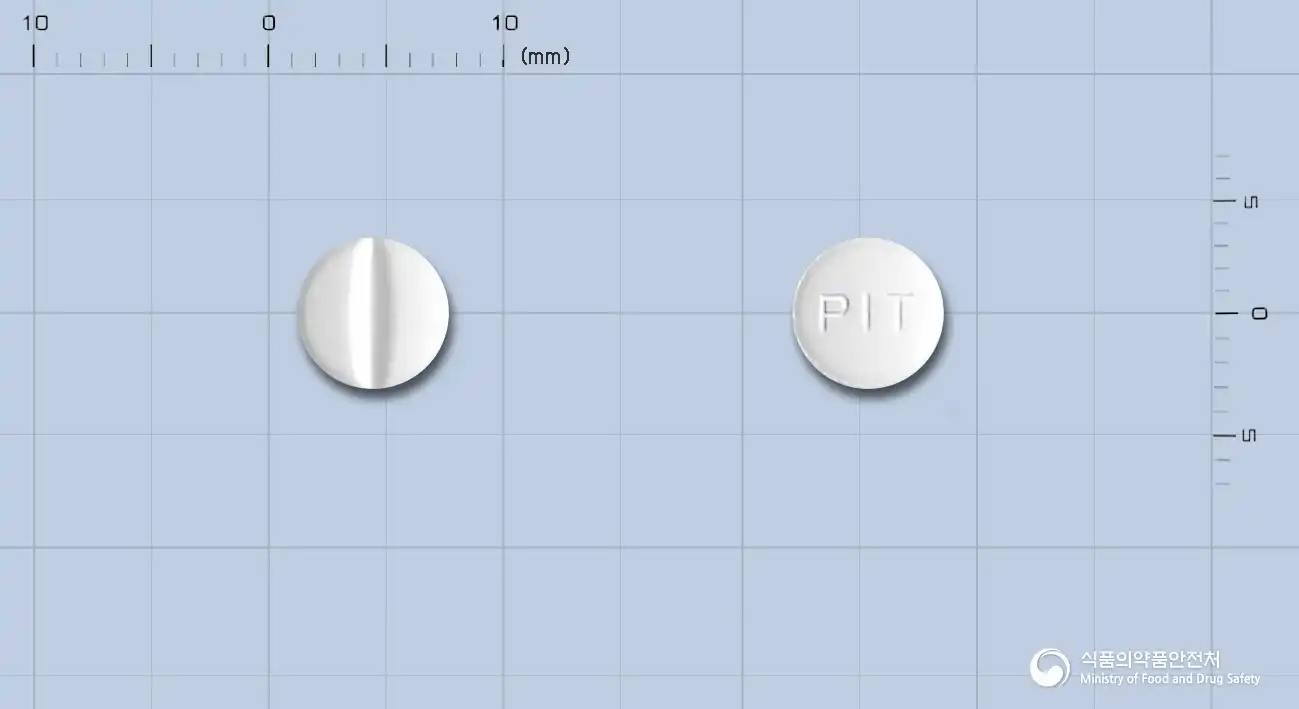
Pitavastatin Calcium 2mg
Tablet · Prescription medication
Daewon Pharmaceutical Co., Ltd.
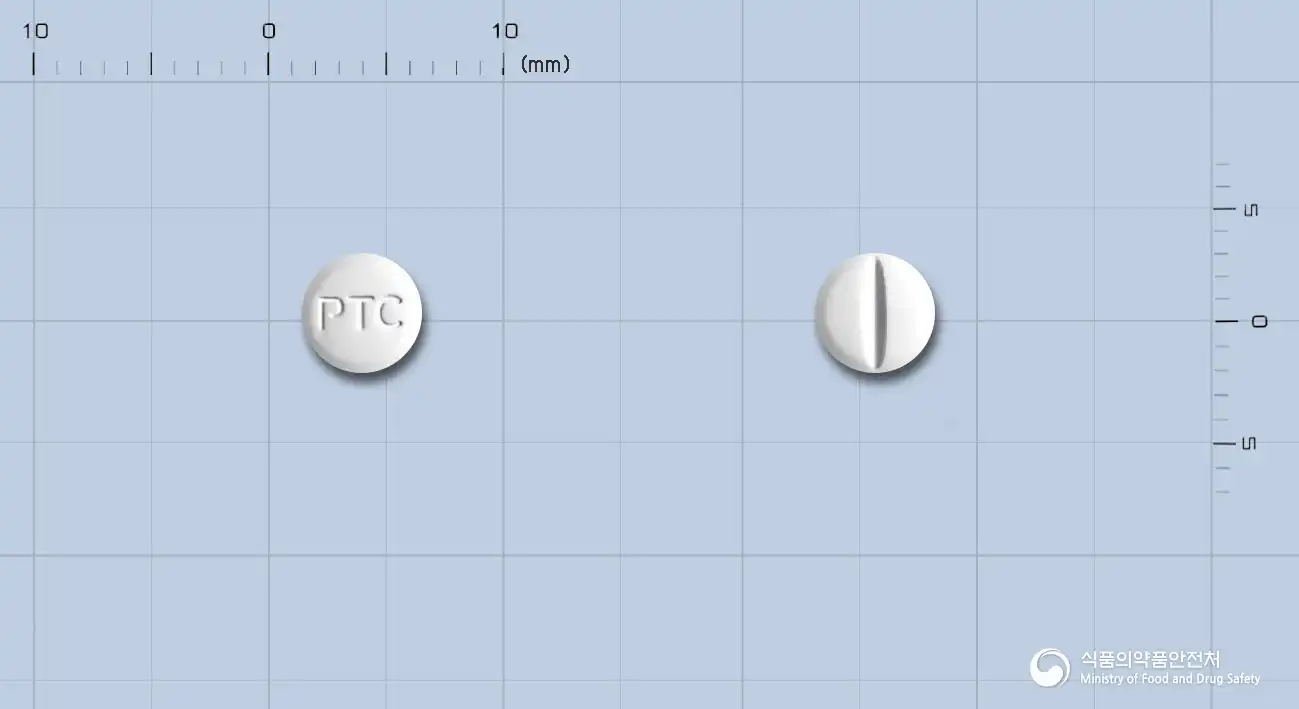
Pitavastatin Calcium 2mg
Tablet · Prescription medication
Samnam Pharmaceutical Co., Ltd.
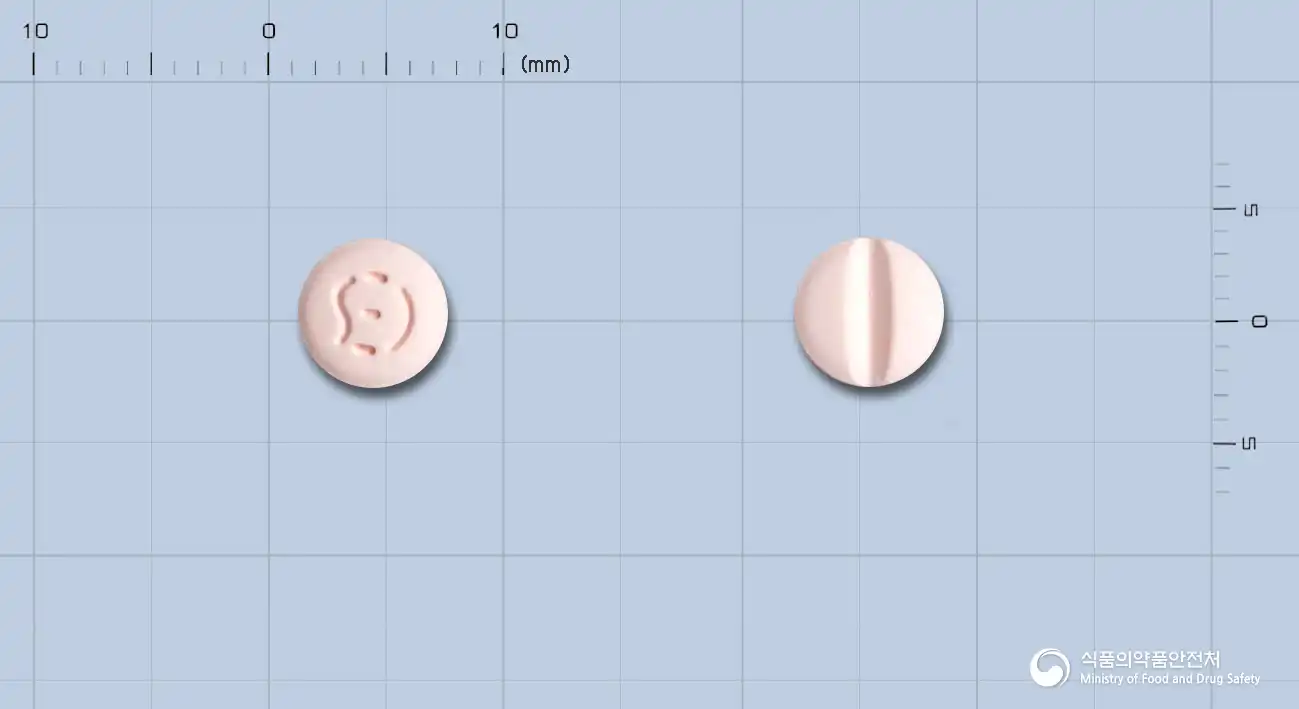
Pitavastatin Calcium 2mg
Tablet · Prescription medication
Seoul Pharmaceutical Co., Ltd.
Even with the same ingredient, the dose and directions can differ by strength and dosage form. Talk to a doctor or pharmacist before switching from a medication you are already taking.
No questions yet.
For anything that needs medical judgment, consult a doctor or pharmacist.
This drug information is based on data provided by the Korea Ministry of Food and Drug Safety.
Consult a doctor or pharmacist for accurate dosage, administration, and usage instructions.