
 한국어
 English
 日本語
 中文(简体)
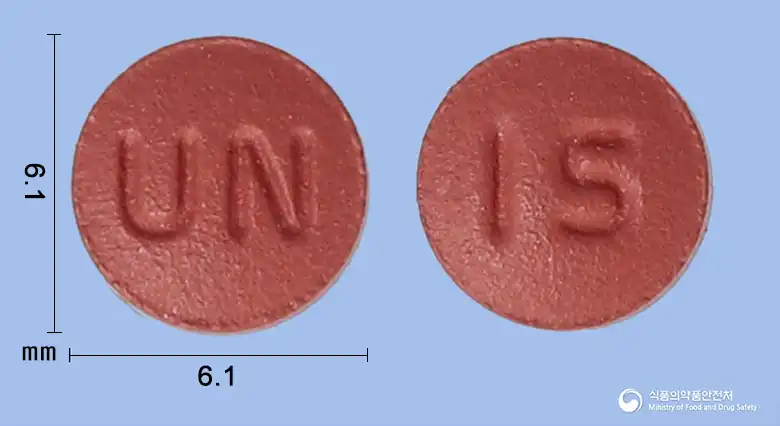 Viewing now
Rivoraxaban Tablet 15 mg (Rivaroxaban)
Rivaroxaban 15mg
Tablet · Prescription medication
Korea Union Pharmaceutical Co., Ltd.
MFDS item code 202102755 · Approved 2021.03.30
Prevention of stroke and systemic embolism in atrial fibrillation; treatment of venous thromboembolism and pulmonary embolism; prevention of recurrence and postoperative prevention
This medication is used to reduce the risk of stroke and systemic embolism in patients with non-valvular atrial fibrillation and to treat and reduce the risk of recurrence of deep vein thrombosis and pulmonary embolism. In addition, it helps prevent venous thromboembolism in adult patients after major orthopedic surgery of the lower limbs. Therefore, it is effectively used for the prevention and treatment of thrombotic diseases.
This medicine 10 mg may be taken with or without food, while 15 mg and 20 mg should be taken with food. 1. Adults 1) Reduction of the risk of stroke and systemic embolism in patients with nonvalvular atrial fibrillation The recommended dose of this medicine is 20 mg once daily. The recommended dose for patients with moderate renal impairment (creatinine clearance 30-49 mL/min) is 15 mg once daily. The maximum daily dose of this medicine is 20 mg. There is limited experience with coadministration of rivaroxaban 15mg once daily [10mg once daily for patients with moderate renal impairment (creatinine clearance 30-49 mL/min)] and a P2Y12 inhibitor for up to 12 months in patients with nonvalvular atrial fibrillation who have undergone percutaneous coronary intervention (PCI) with stent placement. (See '12. Clinical Trial Information') 2) Treatment of deep vein thrombosis and pulmonary embolism/Reduction of the risk of recurrence of deep vein thrombosis and pulmonary embolism The recommended initial dose of this medicine for the treatment of acute deep vein thrombosis and pulmonary embolism is 15 mg twice daily for the first 3 weeks. Thereafter, the recommended maintenance dose for the treatment of deep vein thrombosis and pulmonary embolism and the recommended dose for reducing the risk of recurrence are 20 mg once daily. After completing treatment (at least 6 months) for deep vein thrombosis or pulmonary embolism, the recommended dose for extended treatment to reduce the risk of recurrence is 10mg once daily. The duration of treatment and dose should be determined following an individual assessment of the risk of recurrence of deep vein thrombosis and pulmonary embolism relative to the risk of bleeding. Treatment period Dosing frequency Daily dose Treatment of deep vein thrombosis or pulmonary embolism and reduction of the risk of recurrence Days 1-21 15mg twice daily 30mg From day 22 20mg once daily 20mg Reduction of the risk of recurrence of deep vein thrombosis or pulmonary embolism After at least 6 months of treatment 10mg once daily 10mg The maximum daily dose of this medicine is 30 mg during the first 3 weeks of treatment and 20 mg thereafter. 3) Prevention of venous thromboembolism in adult patients undergoing major orthopedic surgery of the lower limbs (knee or hip replacement) The recommended dose of this medicine is 10 mg once daily. The first dose should be started 6~10 hours after surgery, once hemostasis has been confirmed. The duration of treatment depends on each patient's risk of venous thromboembolism according to the type of surgery; a treatment duration of 5 weeks is recommended for patients undergoing hip replacement and 2 weeks for patients undergoing knee replacement. 4) If you forget to take this medicine If you forget to take this medicine, take the missed dose as follows. ① Patients taking 15 mg twice daily: Take this medicine immediately; in this case, 2 tablets of 15 mg may be taken at once. Starting the next day, continue taking 15 mg twice daily. ② Patients taking 10, 15, or 20 mg once daily: Take the missed dose immediately. Starting the next day, continue taking 1 tablet once daily. The daily dose must not be doubled to make up for a missed dose. 2. Switching medications 1) Switching from a vitamin K antagonist to this medicine ① Reduction of the risk of stroke and systemic embolism in patients with nonvalvular atrial fibrillation Discontinue vitamin K antagonist therapy and start taking this medicine when the international normalized ratio (INR, International Normalized Ratio) is ≤ 3.0. ② Treatment of deep vein thrombosis and pulmonary embolism/Reduction of the risk of recurrence of deep vein thrombosis and pulmonary embolism Discontinue vitamin K antagonist therapy and start taking this medicine when the INR is ≤ 2.5. Regardless of the dose, the INR value will be falsely elevated after taking this medicine. INR should not be used because it is not suitable for measuring the anticoagulant activity of this medicine. 2) Switching from this medicine to a vitamin K antagonist Inadequate anticoagulation may occur while switching from this medicine to a vitamin K antagonist. Adequate anticoagulation must be maintained continuously when switching to another anticoagulant. Note that this medicine may affect INR elevation. Patients switching from this medicine to a vitamin K antagonist should receive both medicines until the INR is ≥2.0. During the first 2 days after switching, administer the standard dose of the vitamin K antagonist, and thereafter administer a dose based on INR testing. However, in patients receiving this medicine together with a vitamin K antagonist, INR testing should not be performed until 24 hours after taking this medicine. Once this medicine is discontinued, INR testing may be performed 24 hours after the last dose. 3) Switching from a parenteral anticoagulant to this medicine In patients receiving a parenteral anticoagulant, start this medicine 0~2 hours before the next scheduled dose of the parenteral agent (e.g., low molecular weight heparin), or when a continuously administered parenteral agent (e.g., intravenous unfractionated heparin) is discontinued. 4) Switching from this medicine to a parenteral anticoagulant Discontinue this medicine and start the parenteral anticoagulant at the time the next dose of this medicine would have been due. 3. Patients with renal impairment No dose adjustment is necessary in patients with mild renal impairment with creatinine clearance 50-80 mL/min. Limited clinical experience in patients with severe renal impairment (creatinine clearance 15-29 mL/min) indicates that blood concentrations of this medicine increased significantly; therefore, this medicine should be administered with caution. Use of this medicine is not recommended in patients with severe renal impairment and creatinine clearance below 15 mL/min because there is no clinical experience in these patients. 1) Reduction of the risk of stroke and systemic embolism in patients with nonvalvular atrial fibrillation The recommended dose in patients with moderate renal impairment (creatinine clearance 30-49 mL/min) and severe renal impairment (creatinine clearance 15-29 mL/min) is 15 mg once daily. 2) Treatment of deep vein thrombosis and pulmonary embolism / Reduction of the risk of recurrence of deep vein thrombosis and pulmonary embolism / Prevention of venous thromboembolism in adult patients undergoing major orthopedic surgery of the lower limbs (knee or hip replacement) No dose adjustment is necessary in patients with moderate renal impairment (creatinine clearance 30-49 mL/min). 4. Patients with hepatic impairment Avoid administering this medicine to patients with liver disease associated with coagulopathy and to patients with moderate (Child Pugh B) or severe (Child Pugh C) hepatic impairment. Increased exposure to this medicine and an increased risk of bleeding may occur in these patients. 5. Patients who cannot swallow tablets, Immediately before use, this medicine may be crushed and mixed with a liquid such as water or applesauce for oral administration. This medicine may also be crushed and administered with a small amount of water through a gastrointestinal tube. Before administering this medicine through a gastrointestinal tube, confirm that the tube is properly positioned, and flush the tube with water after administration.
This medication is used to prevent or treat thrombosis by inhibiting excessive blood clotting. During treatment, bleeding may occur, so care must be taken to monitor for signs of bleeding. If severe bleeding occurs, the medication should be stopped immediately, and a doctor should be consulted. This medication should not be administered to patients with certain bleeding disorders, liver disease, or those who are pregnant or nursing. Patients with genetic issues such as lactose intolerance should also avoid taking it. Caution is required in patients with a history of gastrointestinal ulcers, cerebral hemorrhage, vascular anomalies, recent surgeries, or injuries due to the increased bleeding risk. The risk of bleeding may increase when used concomitantly with other anticoagulants or certain antifungal medications. In patients with impaired kidney function or diseases with a high bleeding risk, this medication should be used with caution. This medication may cause various adverse reactions including bleeding, anemia, gastrointestinal discomfort, skin rash, etc., and if any symptoms occur, medical personnel should be notified immediately. In particular, if serious skin reactions or agranulocytosis develop, the medication should be stopped immediately. Elderly patients may experience increased blood concentration, which raises the bleeding risk, although separate dose adjustments are generally not needed. Women who are pregnant or nursing should not take this medication, and those planning to become pregnant should consult with a healthcare professional. Prior to any surgery or invasive procedure, this medication should be discontinued for a certain period, and in situations with a high risk of bleeding, guidance from healthcare personnel should be followed. Care should be taken while driving or operating machinery due to the potential for drowsiness or fainting. In the case of an overdose, the risk of bleeding may significantly increase, requiring immediate emergency treatment, and special treatment may be necessary as the drug is not removed through dialysis. It is important to always monitor for signs of bleeding and abnormal symptoms during the treatment with this medication and to consult with the doctor to use it safely.
Hemorrhage, anemia, thrombocytosis, tachycardia, ocular hemorrhage, gingival bleeding, gastrointestinal bleeding, abdominal pain, dyspepsia, nausea, constipation, diarrhea, vomiting, dry mouth, fever, peripheral edema, generalized weakness and energy loss, discomfort, localized edema, liver dysfunction, jaundice, allergic reactions, allergic dermatitis, post-treatment bleeding, bruising, wound discharge, pseudoaneurysm, increased transaminases, elevated serum bilirubin, increased alkaline phosphatase, increased LDH, increased lipase, increased amylase, increased transferase, increased bilirubin conjugates, limb pain, hemorrhagic arthropathy, muscle bleeding, dizziness, headache, intracranial and cerebral hemorrhage, syncope, genitourinary bleeding, renal impairment, non-bleeding, hemoptysis, itching, rash, petechiae, skin and subcutaneous bleeding, urticaria, hypotension, hematoma, angioedema, allergic edema, anaphylactic shock, cholestasis, hepatitis, thrombocytopenia, agranulocytosis, Stevens-Johnson syndrome, toxic epidermal necrolysis, drug reactions accompanied by eosinophilia and systemic symptoms, eosinophilic pneumonia, anticoagulant-related kidney disease, severe uterine hemorrhage, syncope, drowsiness
Not everyone experiences these, and they can vary from person to person.
Store this medication in a sealed container to protect it from air and moisture. It is best to maintain the storage temperature between 1 to 30 degrees Celsius at room temperature. This way, the effectiveness and safety of the medication can be preserved for a longer period.
Red round film-coated tablet
30 tablets/box [(10 tablets/PTP×3)]
Even with the same ingredient, strength, dosage form and how it is taken can differ.
Viewing nowRivaroxaban 15mg
Tablet · Prescription medication
Korea Union Pharmaceutical Co., Ltd.
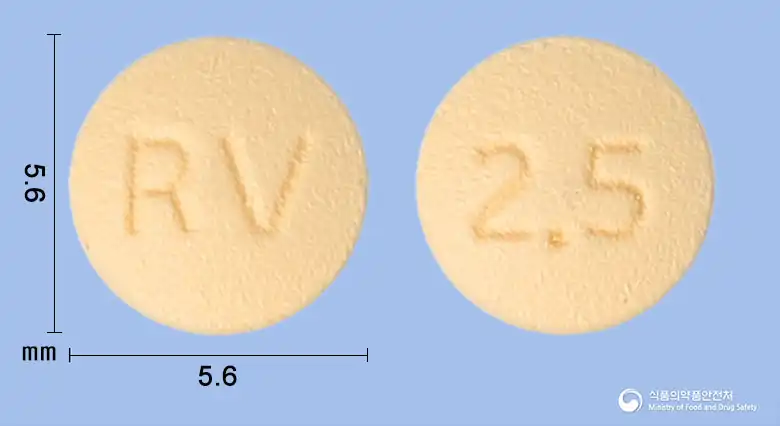
Rivaroxaban 2.5mg
Tablet · Prescription medication
Hanmi Pharmaceutical Co., Ltd.
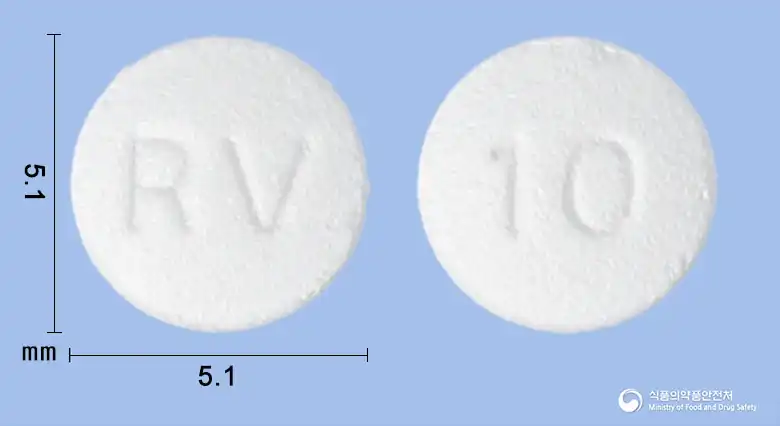
Rivaroxaban 10mg
Tablet · Prescription medication
Hanmi Pharmaceutical Co., Ltd.
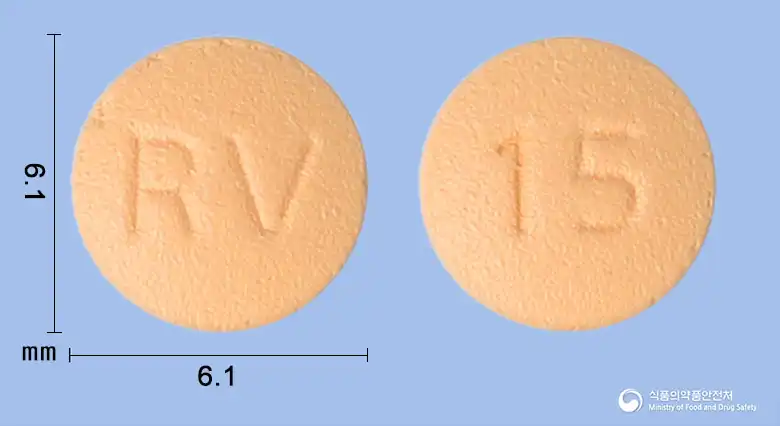
Rivaroxaban 15mg
Tablet · Prescription medication
Hanmi Pharmaceutical Co., Ltd.
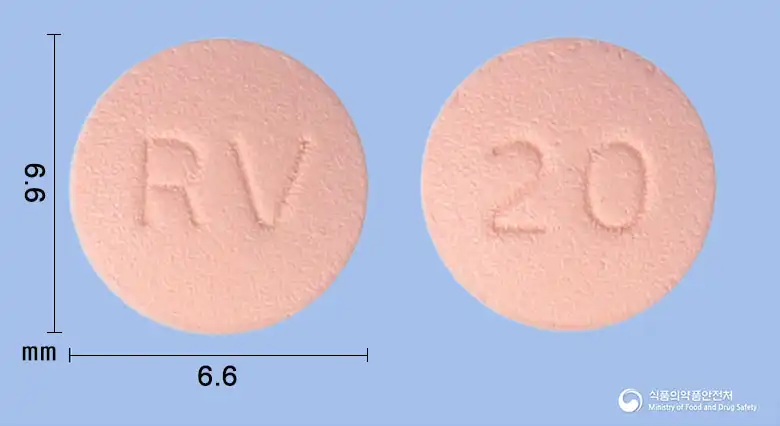
Rivaroxaban 20mg
Tablet · Prescription medication
Hanmi Pharmaceutical Co., Ltd.
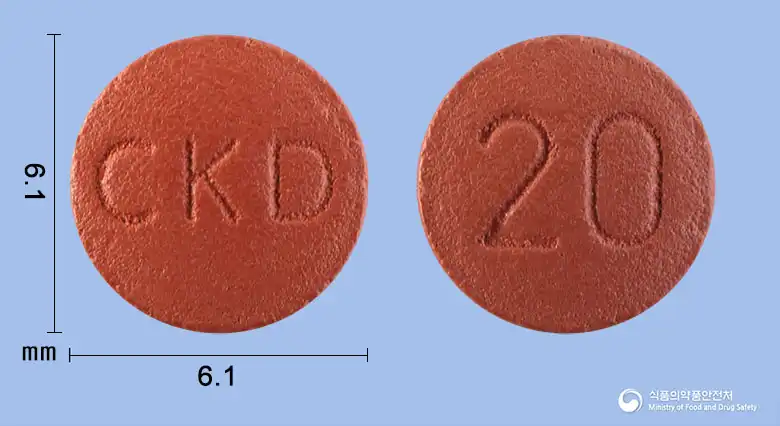
Rivaroxaban 20mg
Tablet · Prescription medication
Jongkundang Co., Ltd.
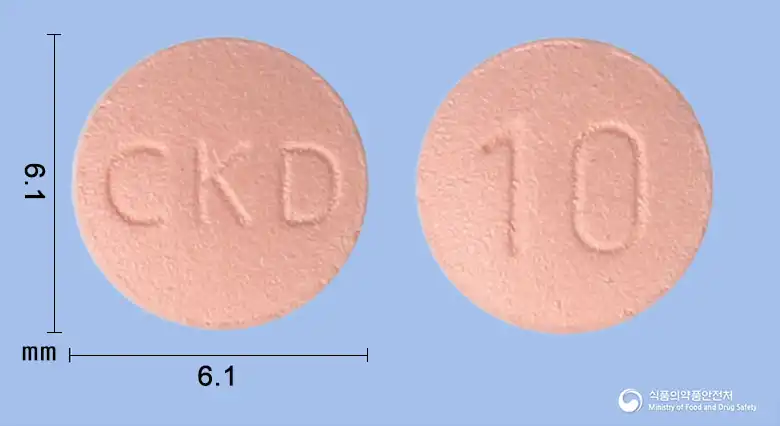
Rivaroxaban 10mg
Tablet · Prescription medication
Jongkundang Co., Ltd.
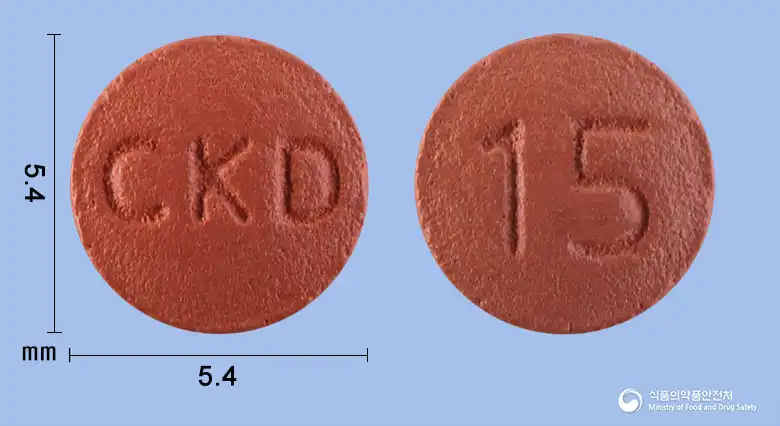
Rivaroxaban 15mg
Tablet · Prescription medication
Jongkundang Co., Ltd.
Even with the same ingredient, the dose and directions can differ by strength and dosage form. Talk to a doctor or pharmacist before switching from a medication you are already taking.
No questions yet.
For anything that needs medical judgment, consult a doctor or pharmacist.
This drug information is based on data provided by the Korea Ministry of Food and Drug Safety.
Consult a doctor or pharmacist for accurate dosage, administration, and usage instructions.