
 한국어
 English
 日本語
 中文(简体)
Dosage form image
Viewing nowEmpa Tablets 25 mg (Empagliflozin)
Empagliflozin 25mg
Tablet · Prescription medication
Daewon Pharmaceutical Co., Ltd.
MFDS item code 202102098 · Approved 2021.03.05
This product's status changed to Approval withdrawn on 2025.03.20. It may no longer be sold, so consult a doctor or pharmacist before taking it.
Improvement of glycemic control in adults with type 2 diabetes
This medication is used to help control blood sugar levels in patients with type 2 diabetes when used in conjunction with diet and exercise. It can be used alone but may also be combined with other diabetes medications such as metformin, pioglitazone, sulfonylureas, insulin, or DPP-4 inhibitors to enhance blood sugar control. It is particularly prescribed as combination therapy for patients who find blood sugar control difficult. Additionally, caution is required for patients with type 2 diabetes who have cardiovascular disease, and it is important to seek guidance from a professional. This medication helps effectively improve blood sugar levels.
The recommended dose of this drug is 10 mg once daily for monotherapy and as add-on combination therapy with other glucose-lowering agents, such as insulin. If 10 mg of this drug is well tolerated but additional glycemic control is needed, the dose may be increased to 25 mg once daily. When this drug is administered concomitantly with a sulfonylurea or insulin, a reduction in the dose of the sulfonylurea or insulin may be considered to reduce the risk of hypoglycemia This drug may be taken with or without food. Swallow the tablet whole. If you miss a dose, take it as soon as you remember. Do not take a double dose on the same day. No dose adjustment is necessary for patients with mild renal impairment. Treatment with this drug should not be initiated in patients with an estimated glomerular filtration rate (eGFR) < 60 ml/min/1.73m2 [or CrCl < 60 ml/min]. In patients who tolerate this drug well but have a persistent eGFR < 60ml/min/1.73m2 [or CrCl < 60 ml/min], the dose should be adjusted to or maintained at 10 mg once daily. This drug should be discontinued if the eGFR decreases to < 45 ml/min/1.73m2 [or CrCl < 45 ml/min]. Do not use this drug in patients with end-stage renal disease (ESRD) or who are on dialysis, as efficacy is not expected. No dose adjustment is necessary for patients with mild or moderate hepatic impairment. Use of this drug is not recommended in patients with severe hepatic impairment, as it has not been studied in this population. No dose adjustment based on age is necessary. Renal function and the risk of volume depletion should be considered in patients aged 75 years and older. Initiation of this drug is not recommended in adults aged 85 years and older because clinical experience is limited
This medication should not be used in certain patients. For example, individuals with allergic reactions to the active ingredient or components of this medication should not take it. Additionally, it is not to be used in patients with type 1 diabetes or diabetic ketoacidosis. Patients with severely impaired kidney function, specifically those with a glomerular filtration rate below 30 mL/min/1.73m² or those undergoing dialysis for end-stage renal disease, should also avoid this medication. This medication contains lactose, so individuals with genetic conditions such as lactose intolerance or galactose intolerance should also refrain from taking it. In patients with some degree of kidney impairment, the medication should be administered cautiously. Treatment should not commence if the glomerular filtration rate is below 60 mL/min/1.73m² at the start of therapy, and dosing adjustments or discontinuation should be made if kidney function continues to decline during treatment. This medication is not expected to be effective in patients with end-stage renal disease or those undergoing dialysis. Regular kidney function tests prior to and during treatment are recommended, as this medication can affect kidney function. In patients with heart failure, particularly those with mild to moderate cases, caution should be exercised in usage, and it is not recommended for patients with severe heart failure. When used in conjunction with drugs like insulin or sulfonylureas, there may be an increased risk of hypoglycemia, and dose adjustments for those medications may be necessary. Various adverse reactions may occur while using this medication. The most common side effect is hypoglycemia, particularly when used in combination with insulin or sulfonylureas, increasing the risk. Genital infections, urinary tract infections, and symptoms of increased urination are also frequently reported. Symptoms of dehydration or hypotension due to decreased circulating volume may arise, necessitating caution especially in elderly patients or those with cardiovascular disease. Rarely, serious side effects such as ketoacidosis, liver damage, and perineal necrosis have been reported, so if symptoms occur, immediate consultation with medical personnel is required. This medication increases glucose excretion in the body, aiding in blood sugar control; however, this may lead to increased urination and electrolyte imbalances. Therefore, it is important to periodically check fluid status and consider temporarily halting treatment in cases of significant fluid loss. Furthermore, glucose may be detected in urine tests while taking this medication. The safety of this medication has not been completely established during pregnancy, so it is advisable to avoid use during this time, and treatment should be discontinued upon confirmation of pregnancy. When breastfeeding, it is recommended to discontinue nursing, as this medication may potentially pass into breast milk. This medication is not used in children under 18 years of age, as its safety and effectiveness have not been established. No specific toxic symptoms have been reported in cases of overdose; however, appropriate treatment may be required based on the patient's condition. This medication should be stored out of reach of children, and transferring it to another container is not advisable as it may affect quality. Lastly, this medication may interact with other drugs, so particularly when taking diuretics or insulin medications, it may be necessary to consult a physician or pharmacist for dose adjustments. Caution should also be exercised when driving or operating machinery, considering the risk of hypoglycemia.
Not everyone experiences these, and they can vary from person to person.
This medication may be sensitive to air and moisture, so it should be stored in a tightly sealed container. The recommended storage temperature is between 1°C and 30°C, which helps maintain the drug's efficacy and safety.
Pale yellow, biconvex oval film-coated tablet
10 tablets/box [10 tablets/PTP x 1], 30 tablets/box [10 tablets/PTP x 3], 30 tablets/bottle
Even with the same ingredient, strength, dosage form and how it is taken can differ.
Empagliflozin 25mg
Tablet · Prescription medication
Daewon Pharmaceutical Co., Ltd.
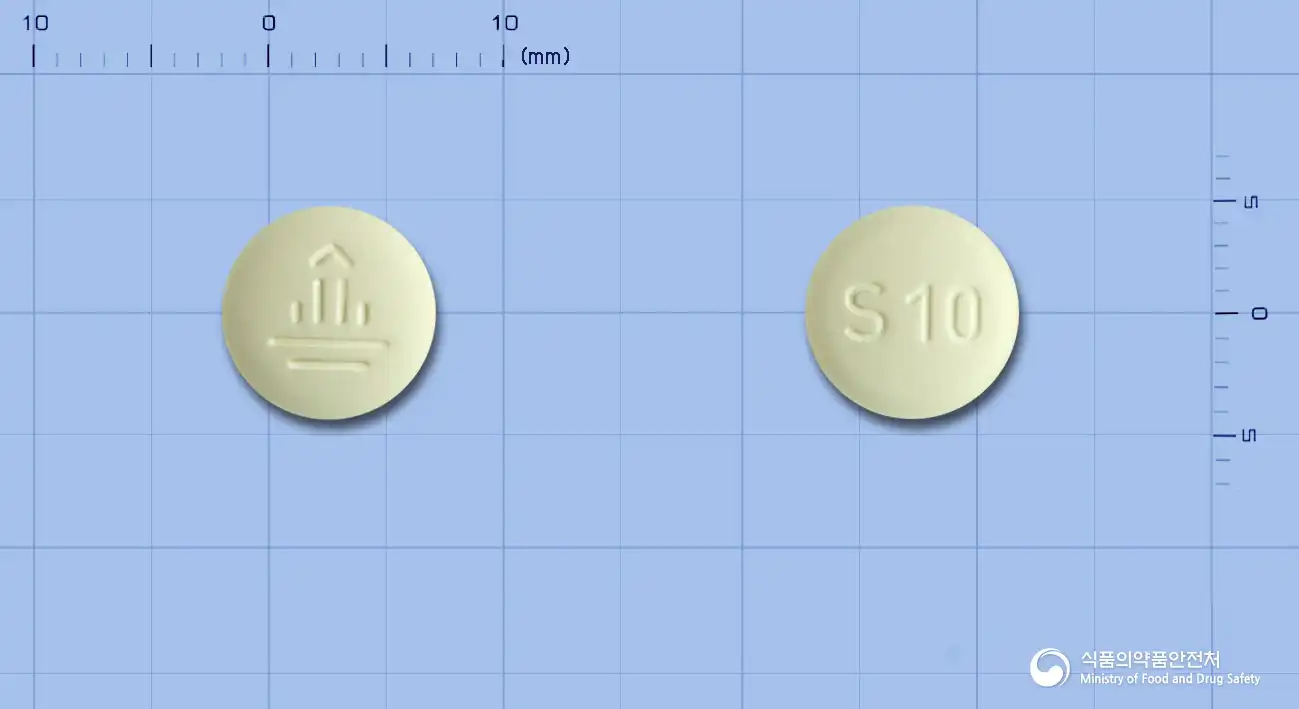
Empagliflozin 10mg
Tablet · Prescription medication
Boehringer Ingelheim Korea Co., Ltd.
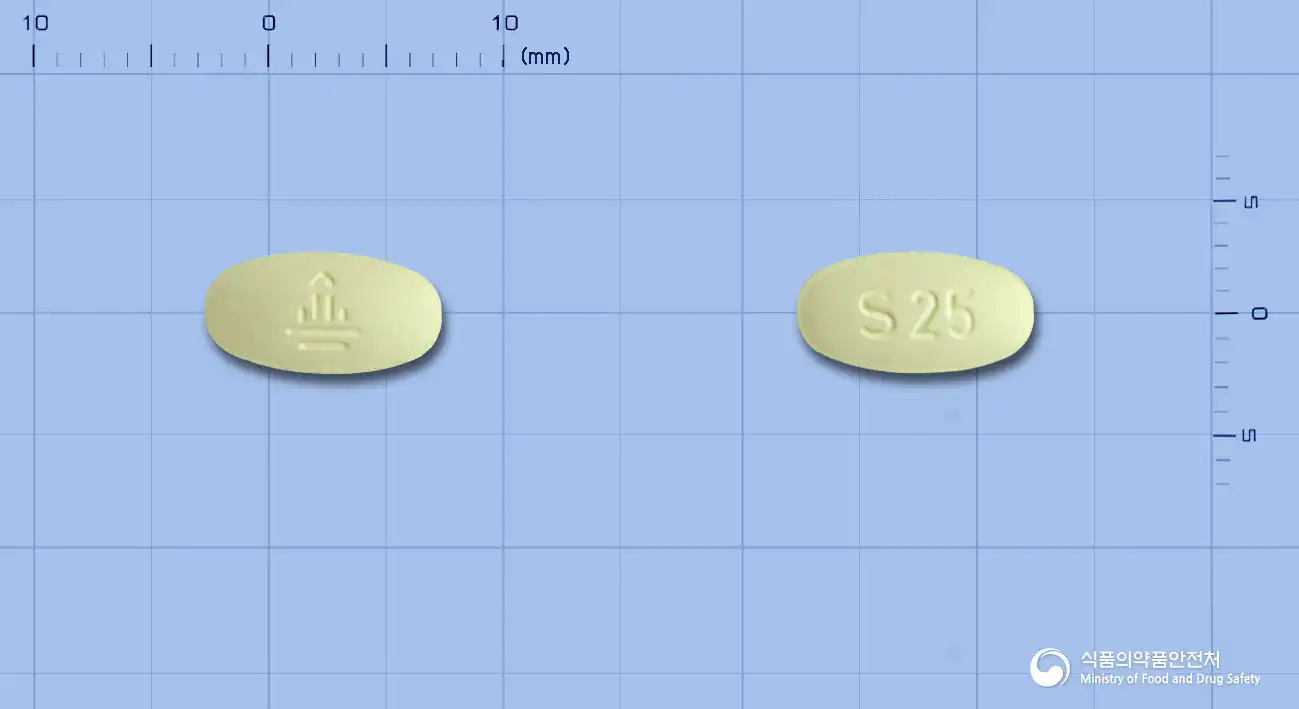
Empagliflozin 25mg
Tablet · Prescription medication
Boehringer Ingelheim Korea Co., Ltd.
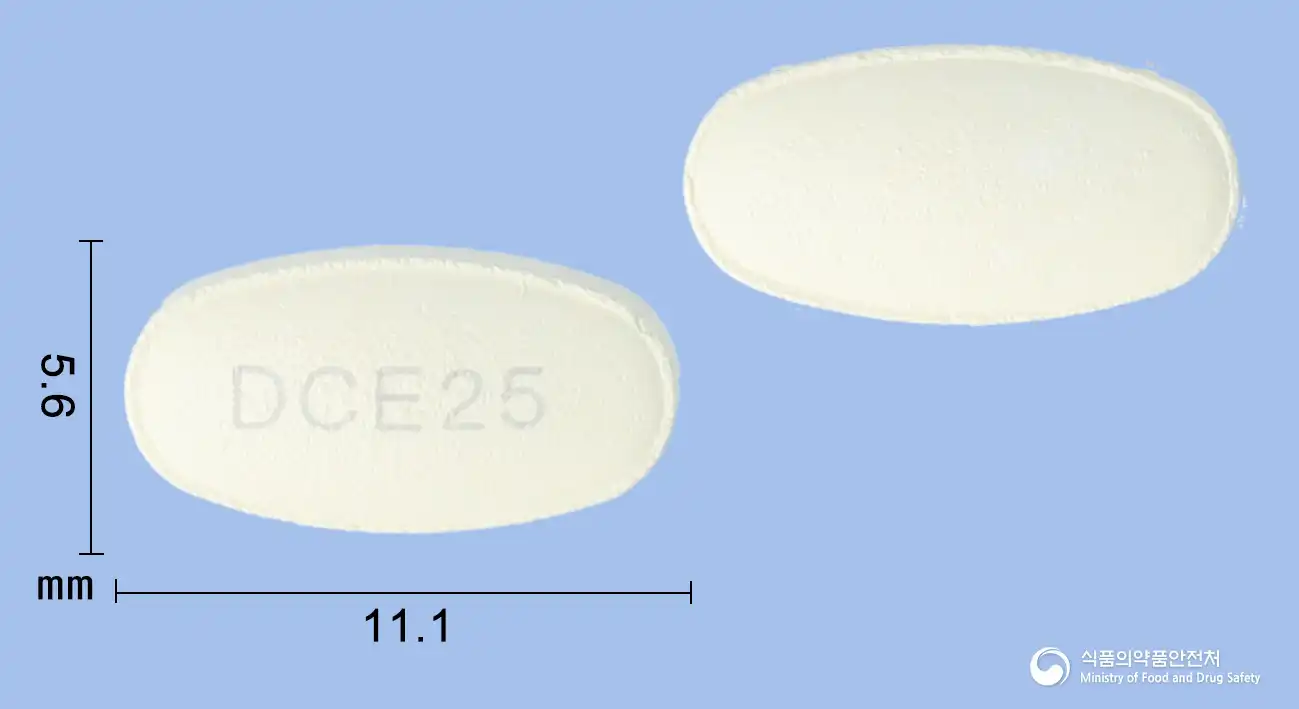
Empagliflozin 25mg
Tablet · Prescription medication
Donggu Bio Pharmaceutical Co., Ltd.
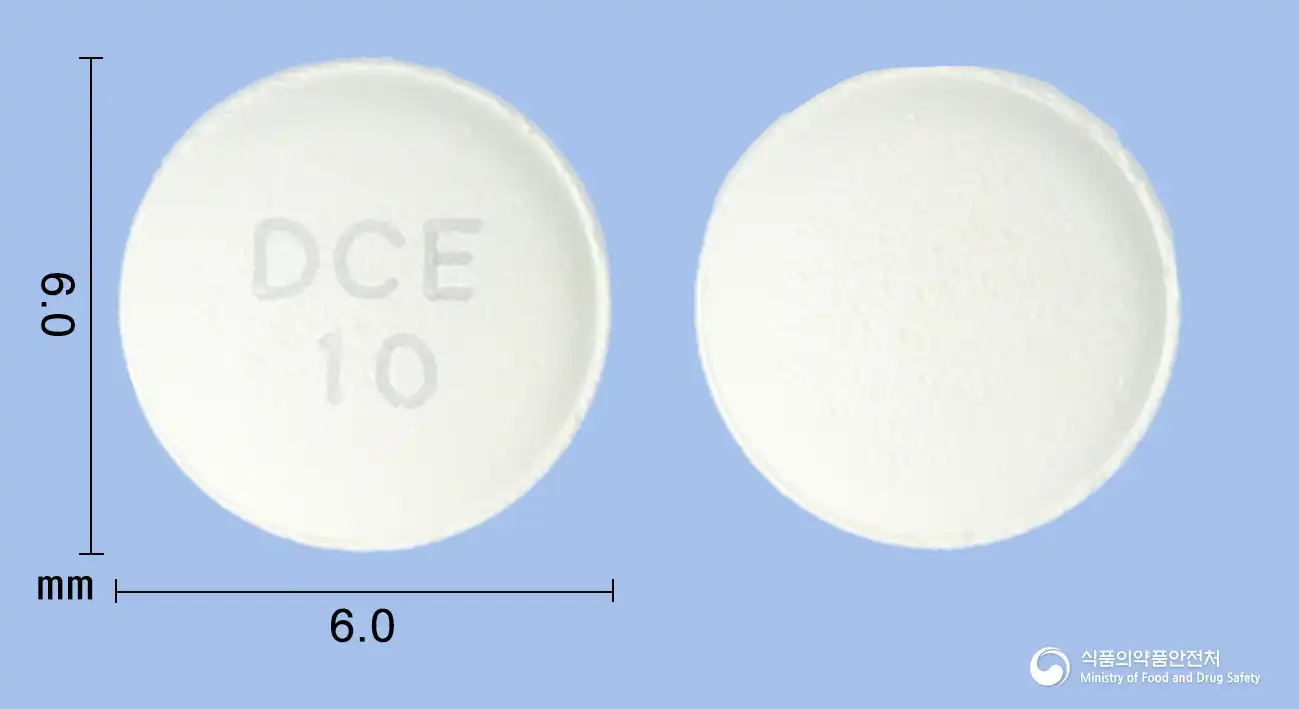
Empagliflozin 10mg
Tablet · Prescription medication
Dong Gu Bio Pharmaceutical Co., Ltd.
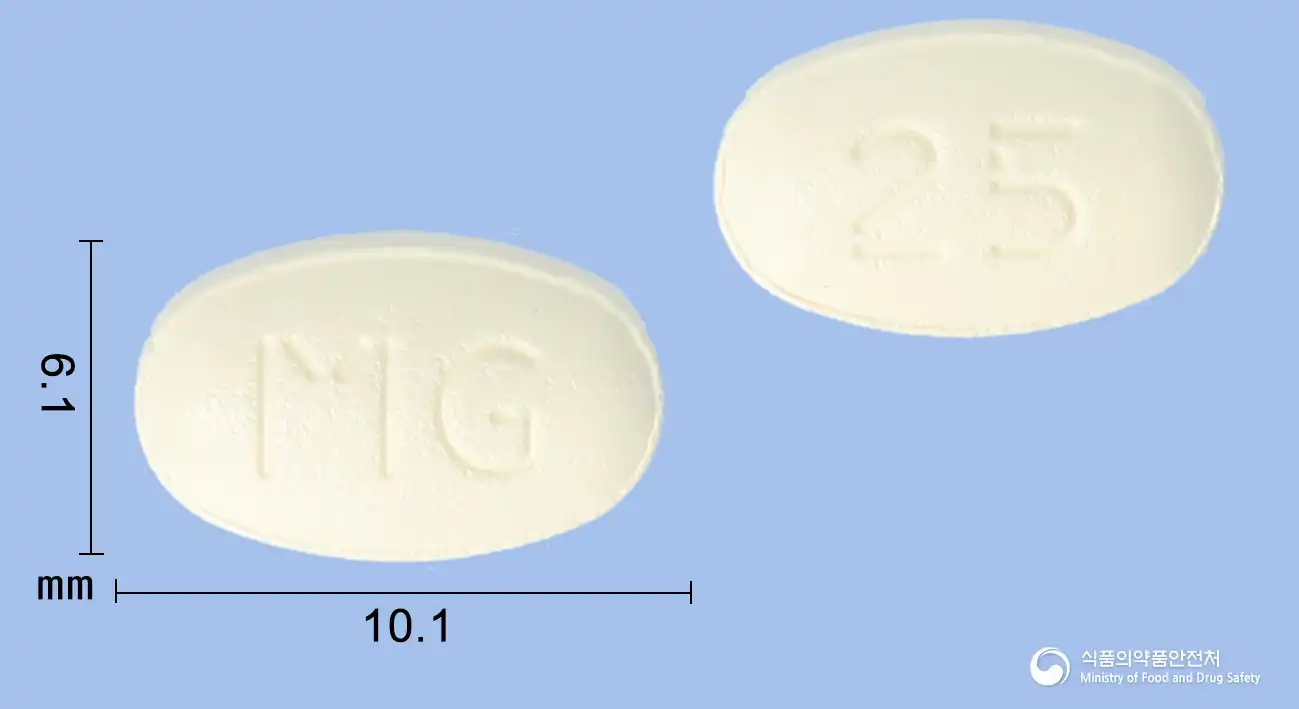
Empagliflozin 25mg
Tablet · Prescription medication
Korea Prime Pharmaceuticals Co., Ltd.
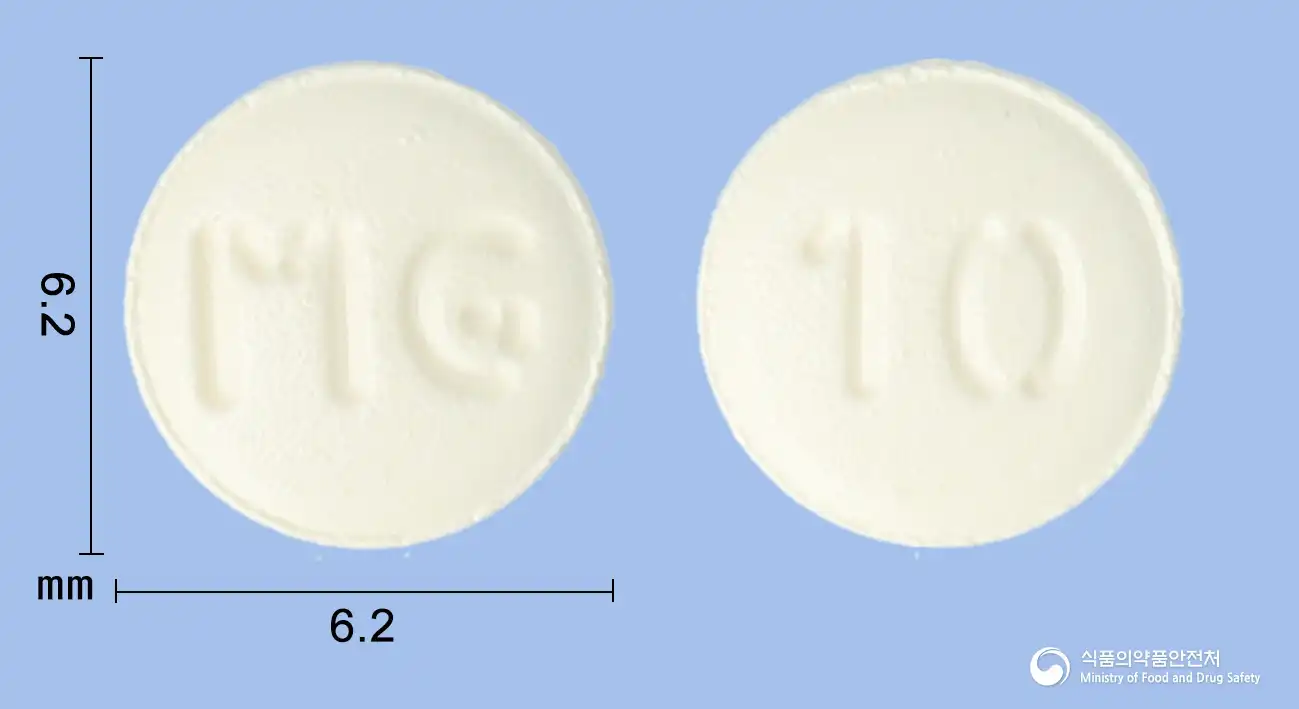
Empagliflozin 10mg
Tablet · Prescription medication
Korea Prime Pharmaceutical Co., Ltd.
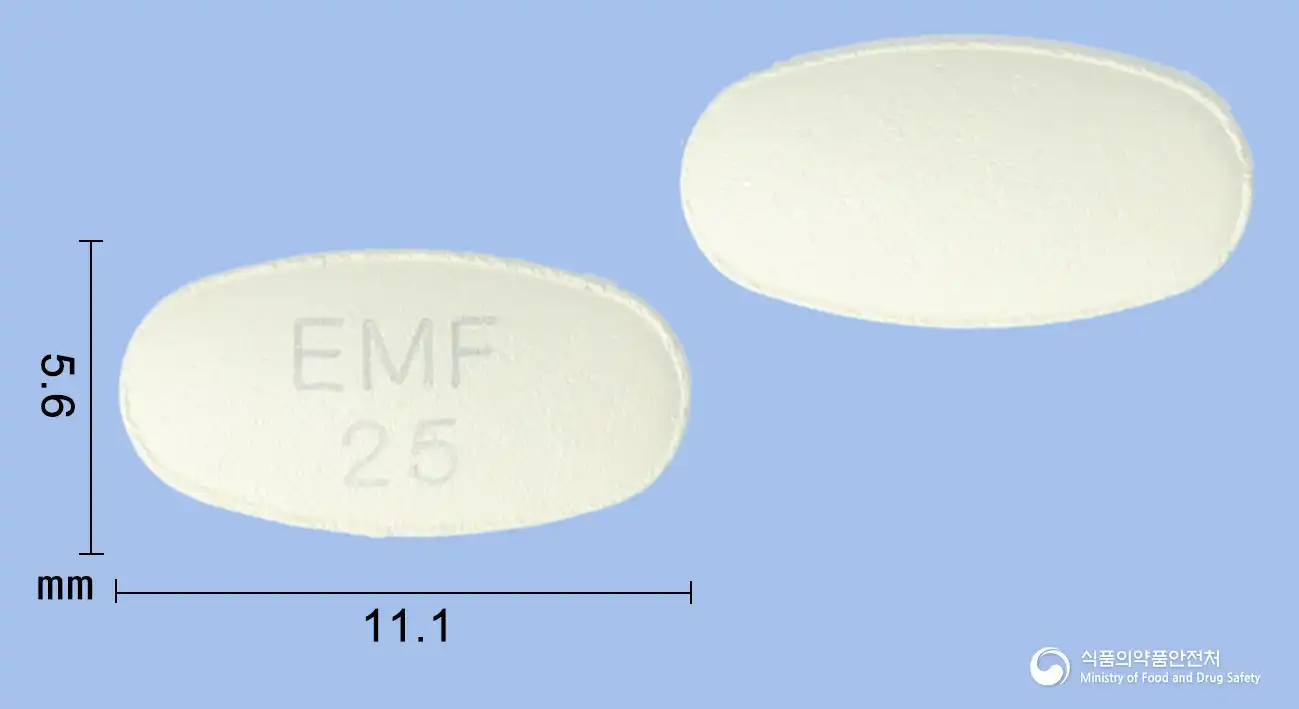
Empagliflozin 25mg
Tablet · Prescription medication
Kips Biopharma Co., Ltd.
Even with the same ingredient, the dose and directions can differ by strength and dosage form. Talk to a doctor or pharmacist before switching from a medication you are already taking.
No questions yet.
For anything that needs medical judgment, consult a doctor or pharmacist.
This drug information is based on data provided by the Korea Ministry of Food and Drug Safety.
Consult a doctor or pharmacist for accurate dosage, administration, and usage instructions.