
 한국어
한국어 English
 日本語
日本語 中文(简体)
 Viewing now
Empagliflozin 10 mg Tablet
Empagliflozin 10mg
Tablet · Prescription medication
Keeps Biopharma Co., Ltd.
MFDS item code 202102097 · Approved 2021.03.05 · Insurance code 693202680
Blood sugar control in type 2 diabetes and prevention of cardiovascular events
This medication is used in conjunction with diet and exercise therapy to help control blood sugar levels in adults with type 2 diabetes. It can be administered as monotherapy, and if blood sugar control is insufficient, it may be combined with metformin, pioglitazone, sulfonylureas, insulin, or the DPP-4 inhibitor linagliptin. It is particularly effective as a combination therapy in patients who have no prior experience with diabetes medication. Additionally, caution should be exercised regarding the occurrence of cardiovascular events in type 2 diabetes patients with cardiovascular disease, and guidance from a professional should be sought. This medication effectively improves blood sugar control.
The recommended dosage is 10 mg once daily as monotherapy or in combination with other antidiabetic agents such as insulin. If there is good tolerance and additional blood sugar control is needed, the dosage may be increased to 25 mg once daily. This medication can be taken with or without food. Tablets should be swallowed whole. If a dose is missed, take it as soon as remembered, but do not double the dosage for that day.
This medication should not be administered to individuals with allergies to the active ingredient or any components. It should not be used in patients with type 1 diabetes or diabetic ketoacidosis. The use of this medication is not recommended for individuals with severely impaired renal function, end-stage renal disease, or those undergoing dialysis. Additionally, it should not be taken by individuals with lactose intolerance or genetic disorders related to lactose. In patients with mildly impaired renal function, this medication should be administered with caution, and the dosage may need to be adjusted or the medication discontinued according to renal function. The medication is not effective in patients with end-stage renal disease or those undergoing dialysis. It should be used cautiously in patients with mild to moderate heart failure, and it is not recommended for those with severe heart failure. There may be a risk of hypoglycemia when taken with insulin or sulfonylureas, thus dosage adjustments may be necessary. While taking this medication, side effects such as hypoglycemia, genital infections, increased urination, urinary tract infections, and decreased fluid volume may occur, thus caution is advised. The risk of hypoglycemia may increase, especially when taken with sulfonylureas or insulin. Genital infections are more common in females, and there may be increased urination. Symptoms of low blood pressure or dehydration due to fluid volume loss may occur, warranting caution in elderly patients or those with low blood pressure. Serious metabolic disturbances such as ketoacidosis may develop, and patients should immediately notify healthcare providers if symptoms appear. The administration of this medication may be temporarily suspended in cases of acute illness or surgery leading to instability in bodily conditions. Liver damage is a possibility, so caution is advised in patients with liver dysfunction. Elderly patients are at greater risk for fluid volume loss, hence careful administration is necessary, and its use is not recommended in those aged 85 years and older. This medication may lead to severe urinary infections, such as urosepsis or pyelonephritis, thus immediate treatment is necessary if infection symptoms present themselves. The risk of genital fungal infections may also increase, and appropriate treatment is needed for related symptoms. Additionally, this medication may show a positive response in urine glucose tests, necessitating careful interpretation of test results. Caution is advised when driving or operating machinery, especially when taken with insulin or sulfonylureas due to the risk of hypoglycemia. Patients with diabetes should pay attention to foot care in daily life, as there is a rare increased risk of limb amputation. Pregnant women should avoid taking this medication, and it should be discontinued if pregnancy is confirmed. Breastfeeding mothers should also stop breastfeeding while on this medication. Safety and effectiveness in children under 18 years have not been established, so it should not be used. No specific toxic reactions have been reported in case of overdose, but appropriate treatment is necessary based on the condition of the patient. This medication should be kept out of reach of children and should not be transferred to another container.
Not everyone experiences these, and they can vary from person to person.
This medication should be stored in a tightly sealed container to prevent exposure to air or moisture. The storage temperature should be kept between 1 degree to 30 degrees Celsius, and it is advisable to avoid extremely hot or extremely cold places.
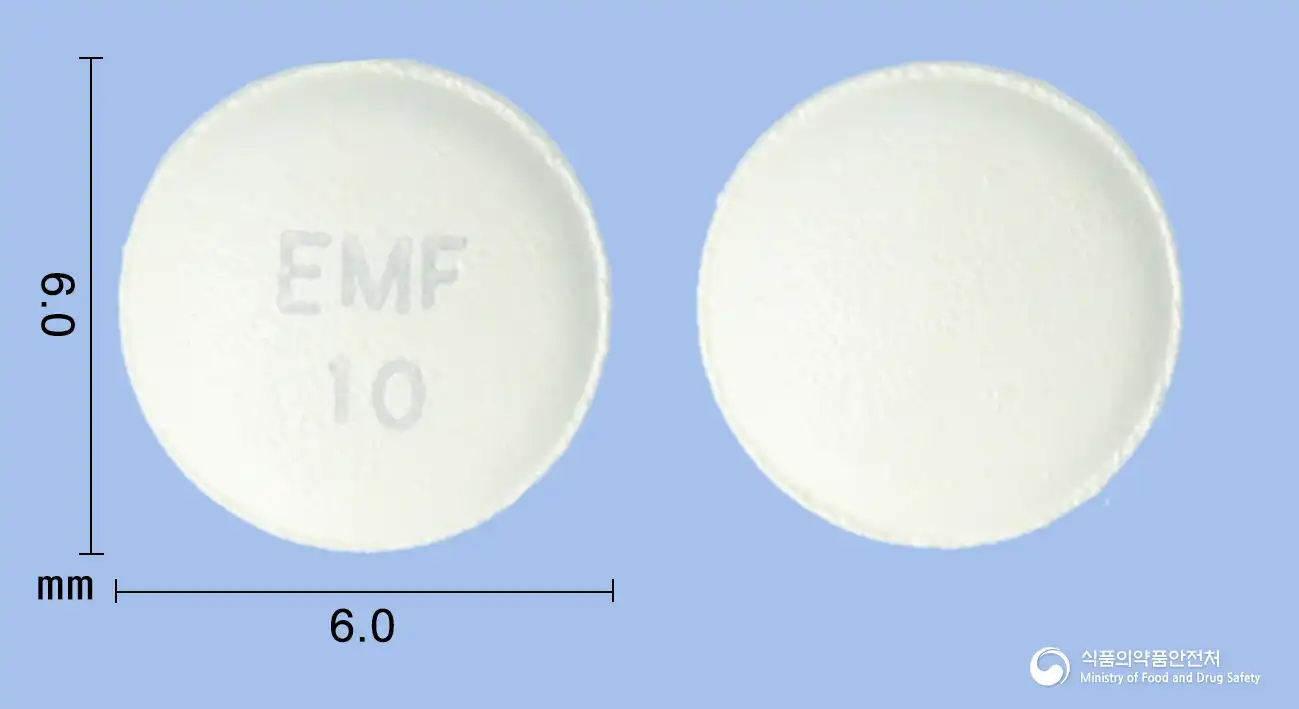
Light yellow, round, biconvex, film-coated tablet
30 tablets/bottle
Even with the same ingredient, strength, dosage form and how it is taken can differ.
Viewing nowEmpagliflozin 10mg
Tablet · Prescription medication
Keeps Biopharma Co., Ltd.
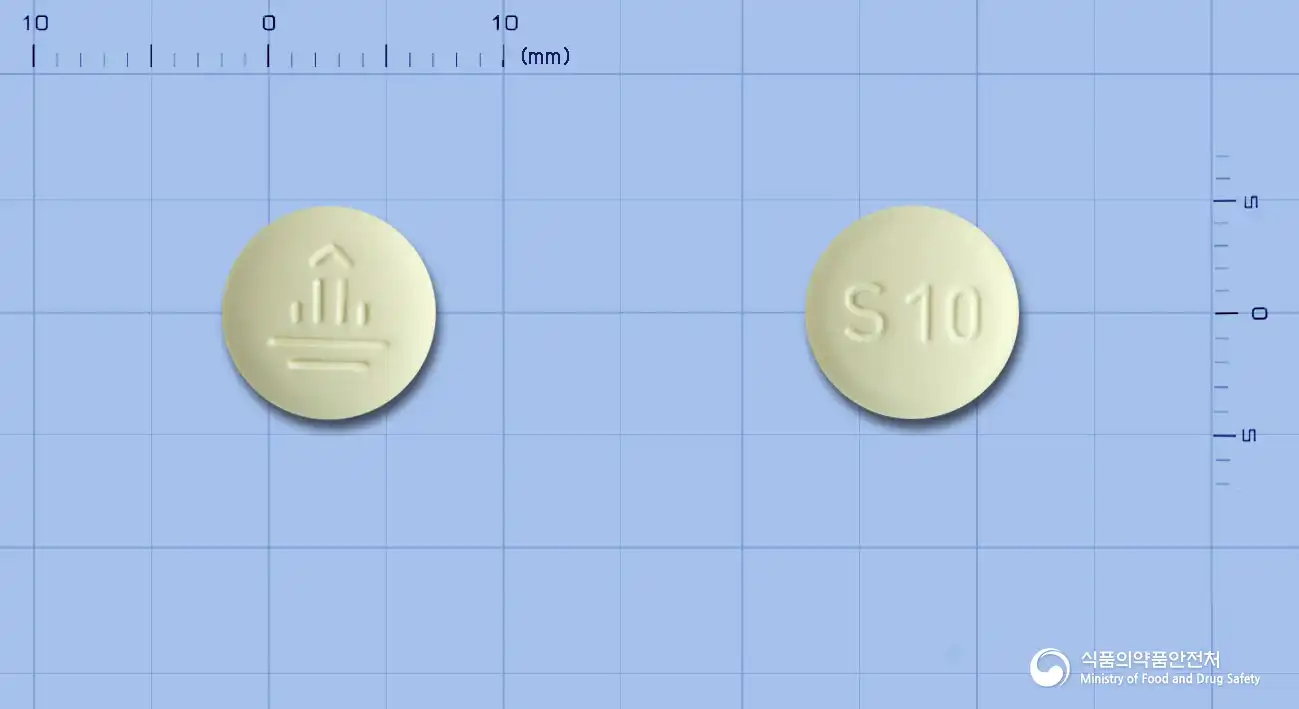
Empagliflozin 10mg
Tablet · Prescription medication
Boehringer Ingelheim Korea Co., Ltd.
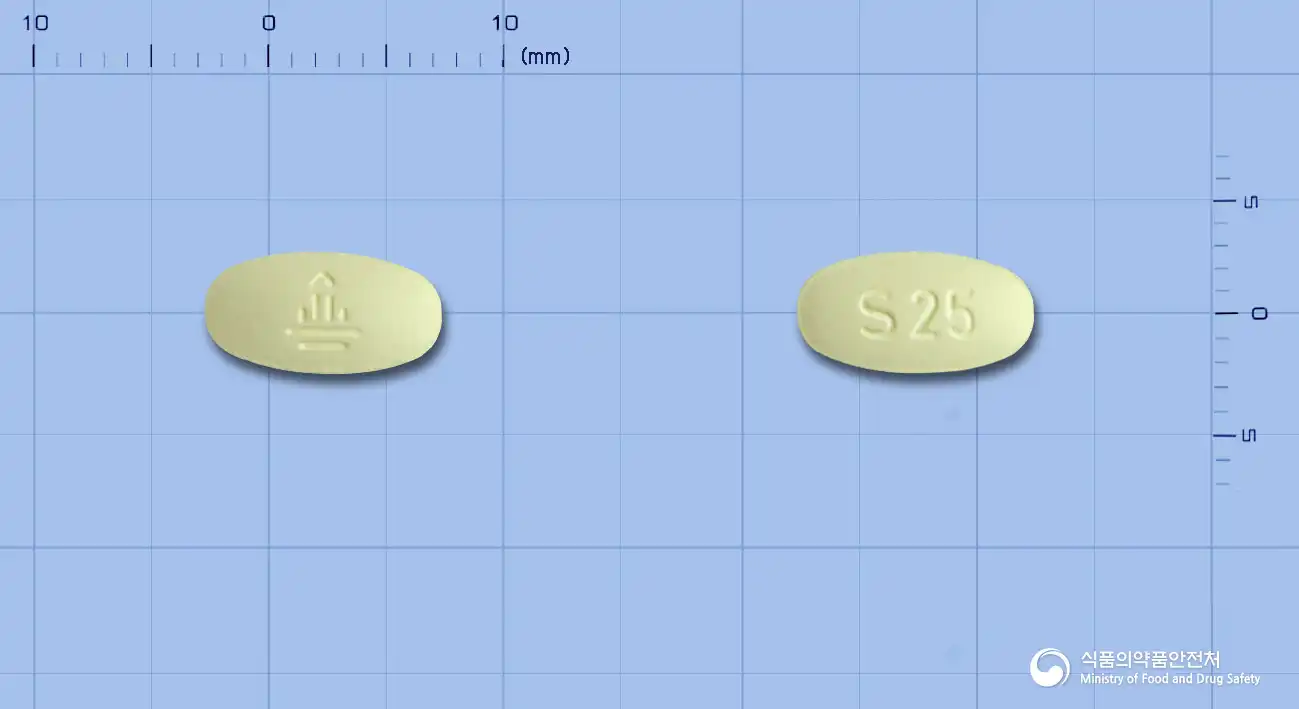
Empagliflozin 25mg
Tablet · Prescription medication
Boehringer Ingelheim Korea Co., Ltd.
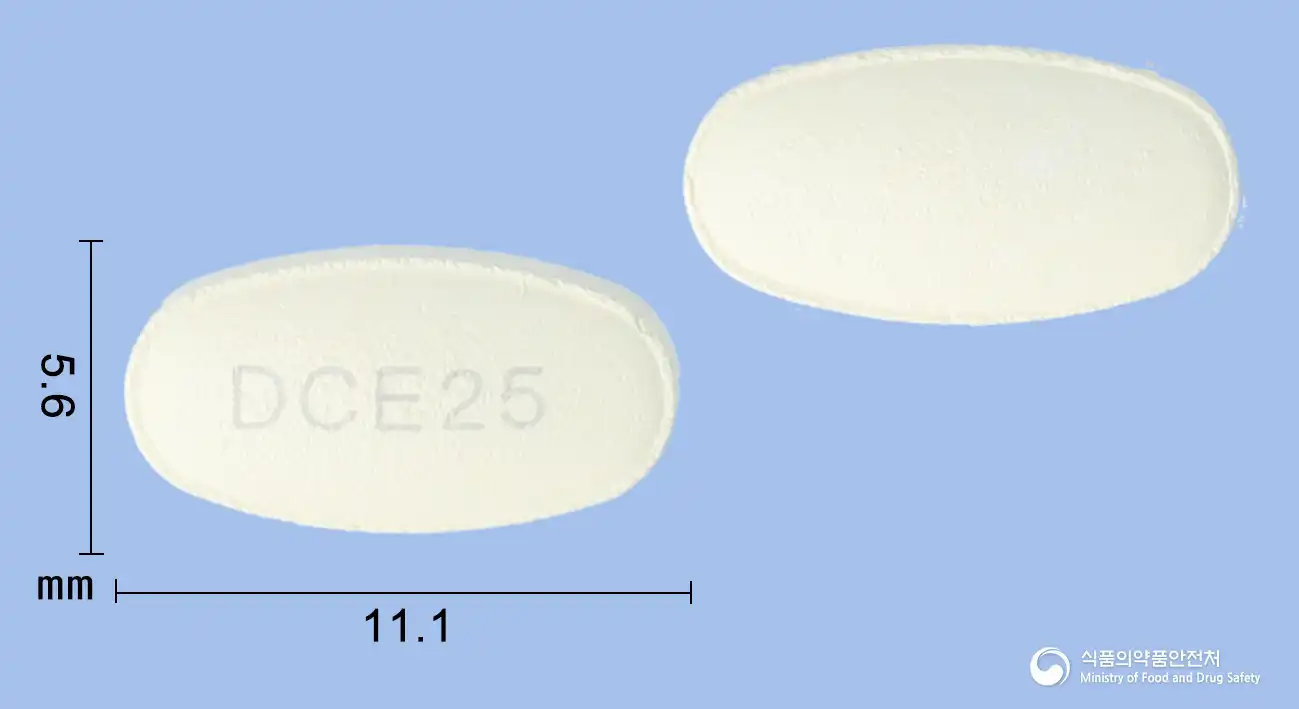
Empagliflozin 25mg
Tablet · Prescription medication
Donggu Bio Pharmaceutical Co., Ltd.
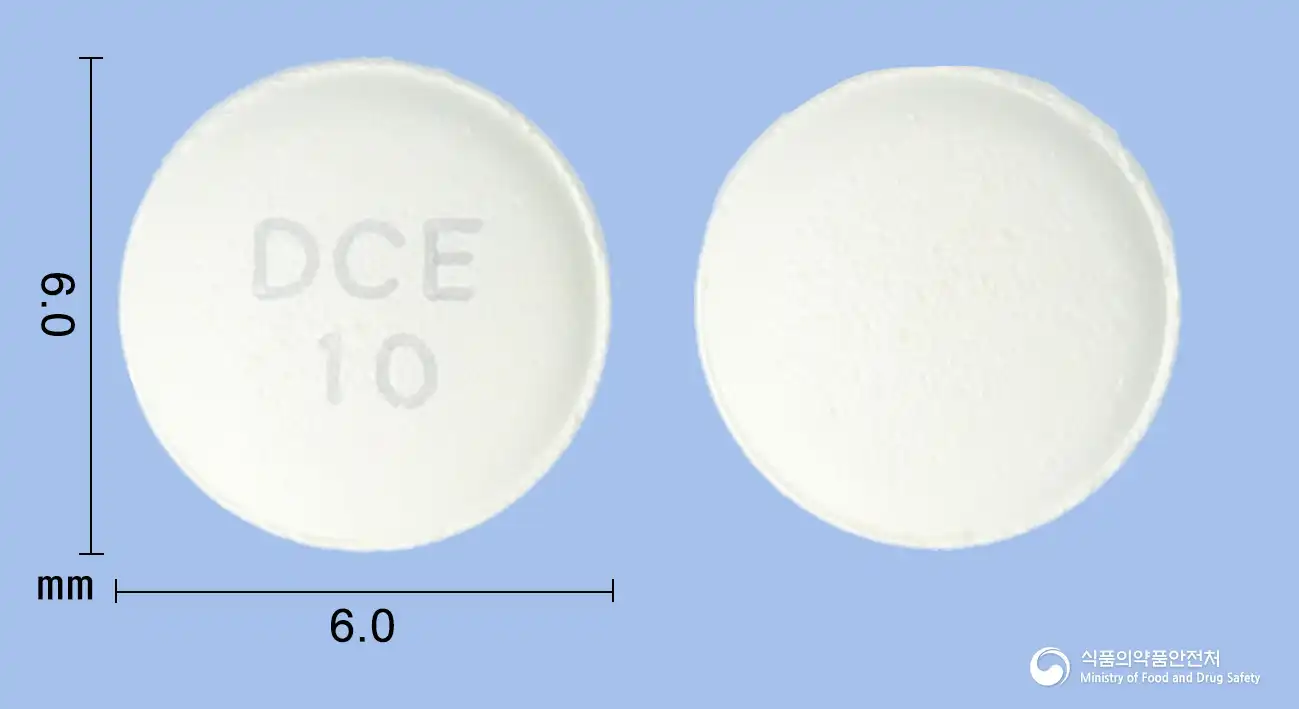
Empagliflozin 10mg
Tablet · Prescription medication
Dong Gu Bio Pharmaceutical Co., Ltd.
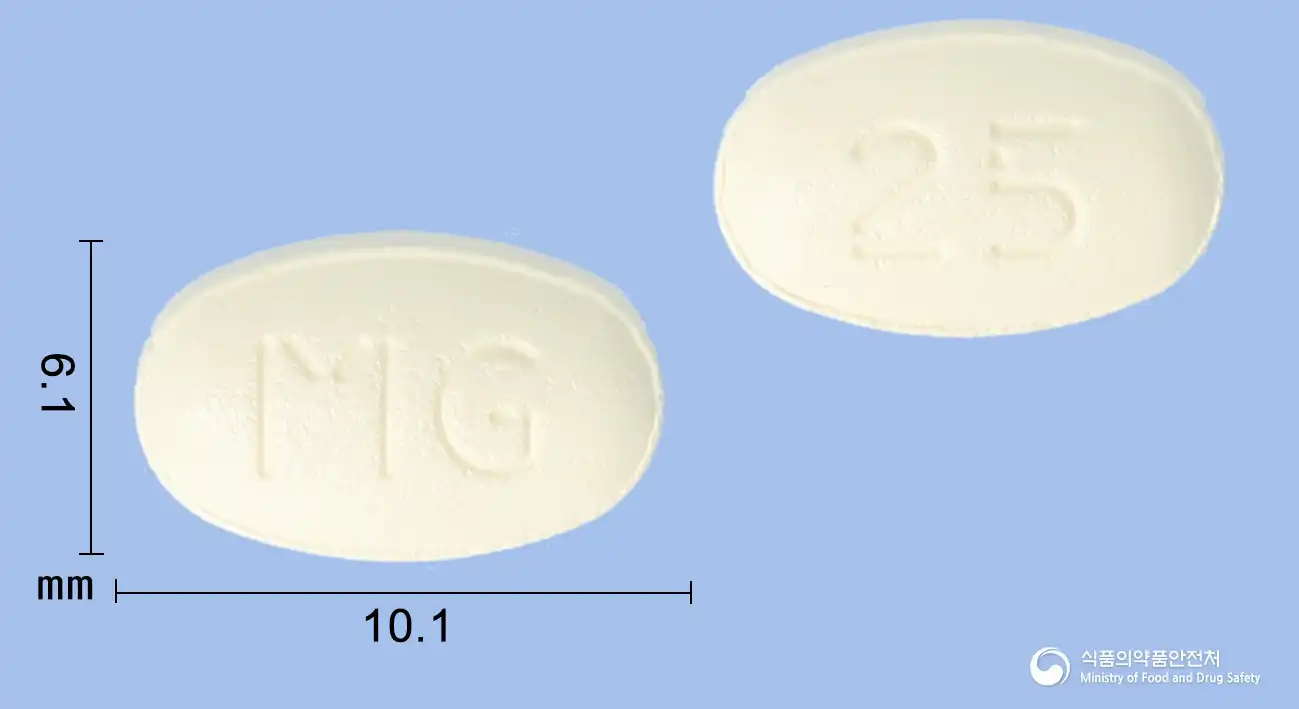
Empagliflozin 25mg
Tablet · Prescription medication
Korea Prime Pharmaceuticals Co., Ltd.
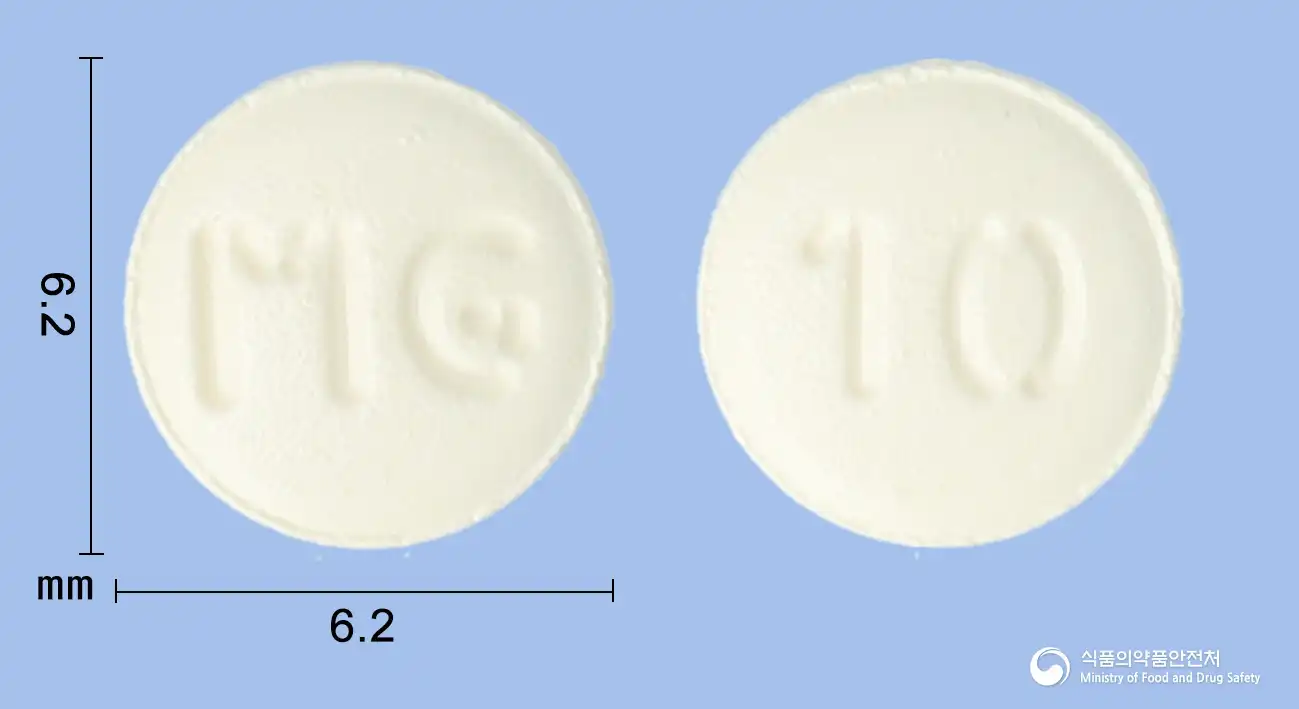
Empagliflozin 10mg
Tablet · Prescription medication
Korea Prime Pharmaceutical Co., Ltd.
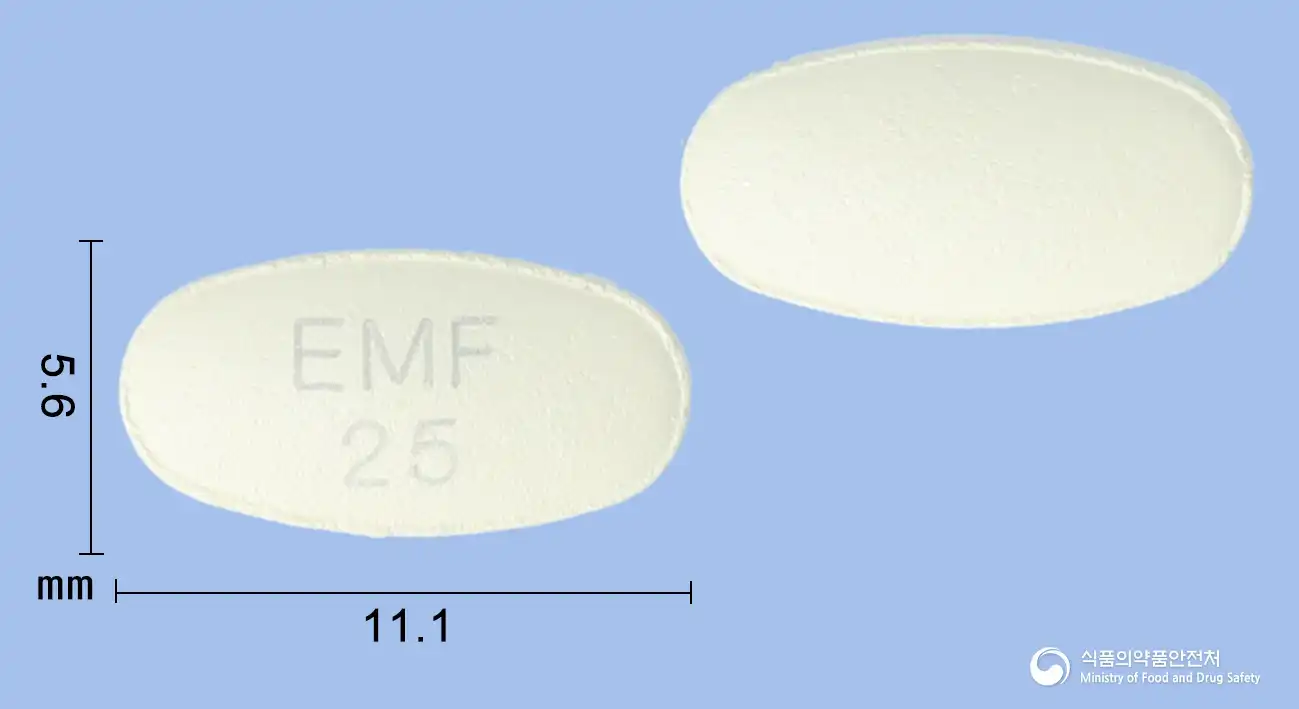
Empagliflozin 25mg
Tablet · Prescription medication
Kips Biopharma Co., Ltd.
Even with the same ingredient, the dose and directions can differ by strength and dosage form. Talk to a doctor or pharmacist before switching from a medication you are already taking.
No questions yet.
For anything that needs medical judgment, consult a doctor or pharmacist.
This drug information is based on data provided by the Korea Ministry of Food and Drug Safety.
Consult a doctor or pharmacist for accurate dosage, administration, and usage instructions.