
 한국어
한국어 English
 日本語
日本語 中文(简体)
 Viewing nowCombination
Intojet Tablet 10/40 mg
Atorvastatin Calcium Trihydrate 43.4mg · Ezetimibe 10mg
Tablet · Prescription medication · Combination
IntroBio Pharma Co., Ltd.
MFDS item code 202101489 · Approved 2021.02.18
Improvement of lipids through reduction of cholesterol and increase of HDL in primary hypercholesterolemia (homozygous familial) and dyslipidemia
This medication is used to reduce total cholesterol, LDL cholesterol, apolipoprotein B, triglyceride, and non-HDL cholesterol levels, and to increase HDL cholesterol levels in patients with primary hypercholesterolemia, including both familial and non-familial dyslipidemia. Additionally, in patients with homozygous familial hypercholesterolemia, it may serve as an adjunct to other lipid-lowering treatments or can be used alone when alternative therapies are not appropriate. This medication is to be used along with an appropriate diet, and it is essential to administer it when diet alone is insufficient for management. Before treatment, alternative causes of dyslipidemia must be identified and managed appropriately, and patients' lipid levels should be monitored regularly. This medication can help reduce the risk of atherosclerotic vascular disease associated with hypercholesterolemia. Therefore, it is effectively used for the treatment of hypercholesterolemia.
This medication should be taken once daily, regardless of meals. For primary hypercholesterolemia, the dosage range is 10/10 mg to 10/80 mg once daily, with an initial dose of either 10/10 mg or 10/20 mg recommended. For patients requiring more significant (over 55%) reduction in LDL cholesterol, an initial dose of 10/40 mg once daily is recommended. After starting treatment or adjusting the dosage, lipid levels should be monitored at intervals of more than 2 weeks.
This medication can cause a rare side effect known as rhabdomyolysis, which can affect the muscles. This poses the risk of rapid deterioration of kidney function; thus, patients should inform their physician immediately if they experience severe muscle pain or weakness. In particular, patients at risk due to severe infections, hypotension, major surgery, trauma, metabolic disorders, endocrine problems, electrolyte imbalances, or uncontrolled seizures may need to temporarily suspend or discontinue the use of this medication. Patients allergic to any ingredient in this medication, those with severe liver impairment, those with muscle diseases, pregnant women or those who may become pregnant, nursing mothers, individuals taking certain antiviral medications, and those with lactose intolerance should not take this medication. Patients with a history of alcohol dependence or liver disease, significant liver dysfunction, impaired kidney function, hypothyroidism, a family history of muscle diseases, or previous experiences of muscle toxicity with similar medications, as well as elderly patients over 70 years of age, should use this medication with caution. This medication may cause side effects such as muscle pain, abdominal pain, or increased liver enzymes, and regular liver function and muscle-related tests should be conducted. If symptoms are severe or test results are abnormally high, discontinuation of the drug may be necessary. Furthermore, this medication may affect liver function, so liver function tests must be conducted before and during treatment, and administration should stop immediately if symptoms of liver damage appear. Pregnant or nursing women should not take this medication, and women of childbearing age should use appropriate contraception while taking it. Safety and efficacy in children have not been established, so it is not recommended, and caution is needed in elderly individuals due to the risk of myopathy. This medication may interact with various drugs, and if other medications are being taken, it is essential to consult with a physician or pharmacist, especially when combined with certain antibiotics, antivirals, antifungals, or immunosuppressants. In case of overdose, there is no specific antidote; therefore, symptomatic treatment and supportive care may be necessary, along with monitoring liver function and muscle enzyme levels. Lastly, dizziness may occur while taking this medication, so caution should be exercised when driving or operating machinery.
Hives, severe swelling (edema), chest tightness, difficulty breathing, cold sweats, pallor, severe rash with high fever, blisters, peeling skin, pain in mucous membranes of the mouth/eyes, shortness of breath or difficulty breathing, asthma attacks, respiratory issues accompanied by cough and fever, yellowing of the skin or eyes (jaundice), extreme fatigue, sudden and severe headache, lightning-like headache, seizures, confusion, visual disturbances, paralysis, urination issues
Not everyone experiences these, and they can vary from person to person.
This medication may be sensitive to air and moisture, hence it should be stored in a tightly closed container. It is crucial to maintain the storage temperature between 1 degree and 30 degrees Celsius to safely preserve the efficacy of the medication over time.
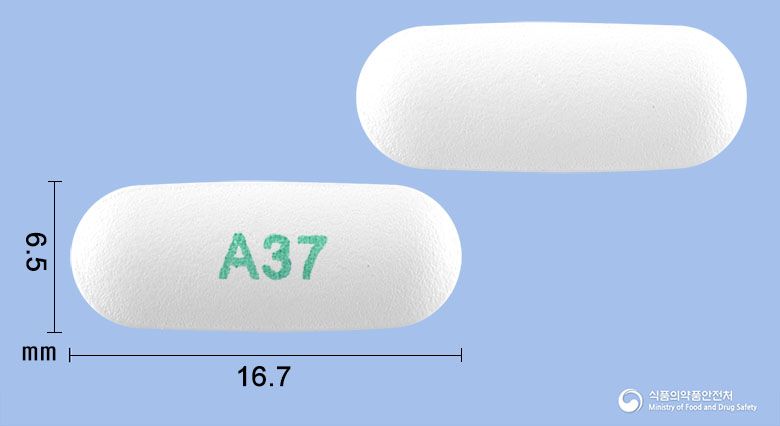
White or whitish oblong film-coated tablet
Alu-Alu - 30 tablets/box [10 tablets/Alu-Alu*3], bottle - 30 tablets/bottle
Even with the same ingredient, strength, dosage form and how it is taken can differ.
Viewing nowCombinationAtorvastatin Calcium Trihydrate 43.4mg · Ezetimibe 10mg
Tablet · Prescription medication · Combination
IntroBio Pharma Co., Ltd.
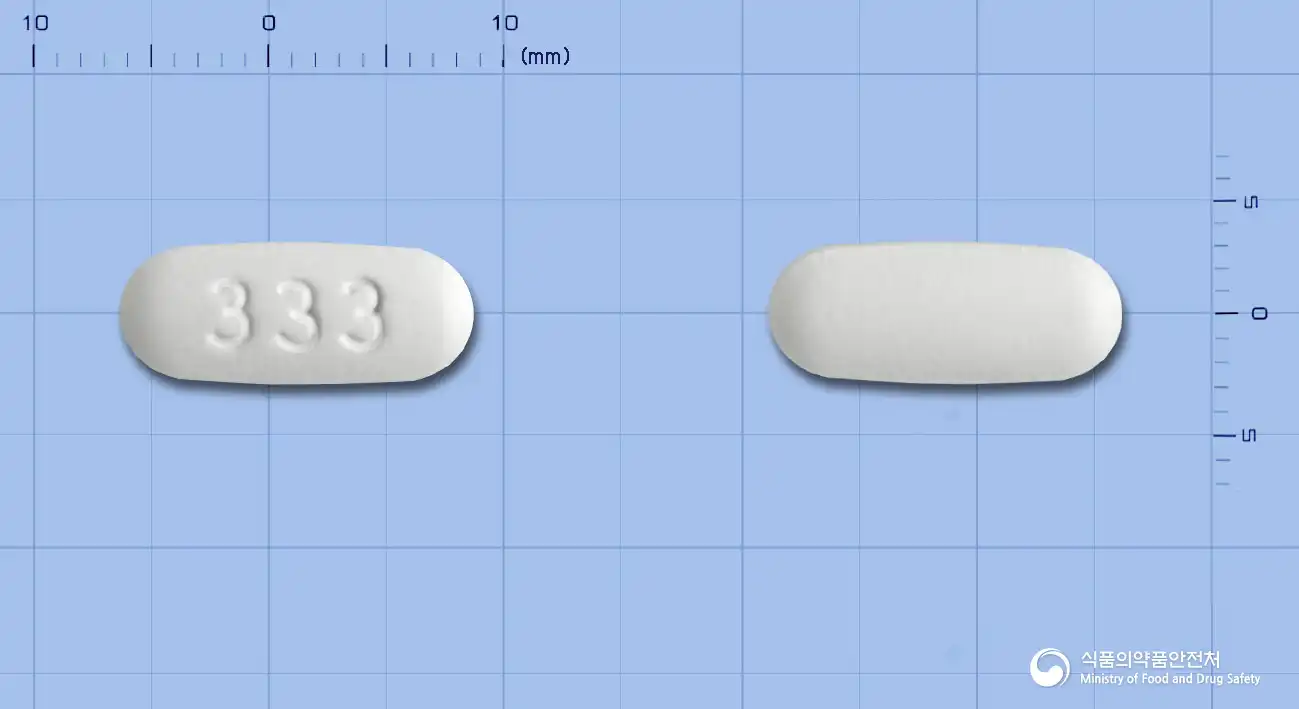 Combination
Ezetimibe 10mg · Atorvastatin Calcium Trihydrate 21.7mg
Tablet · Prescription medication · Combination
Korea Organon Co., Ltd.
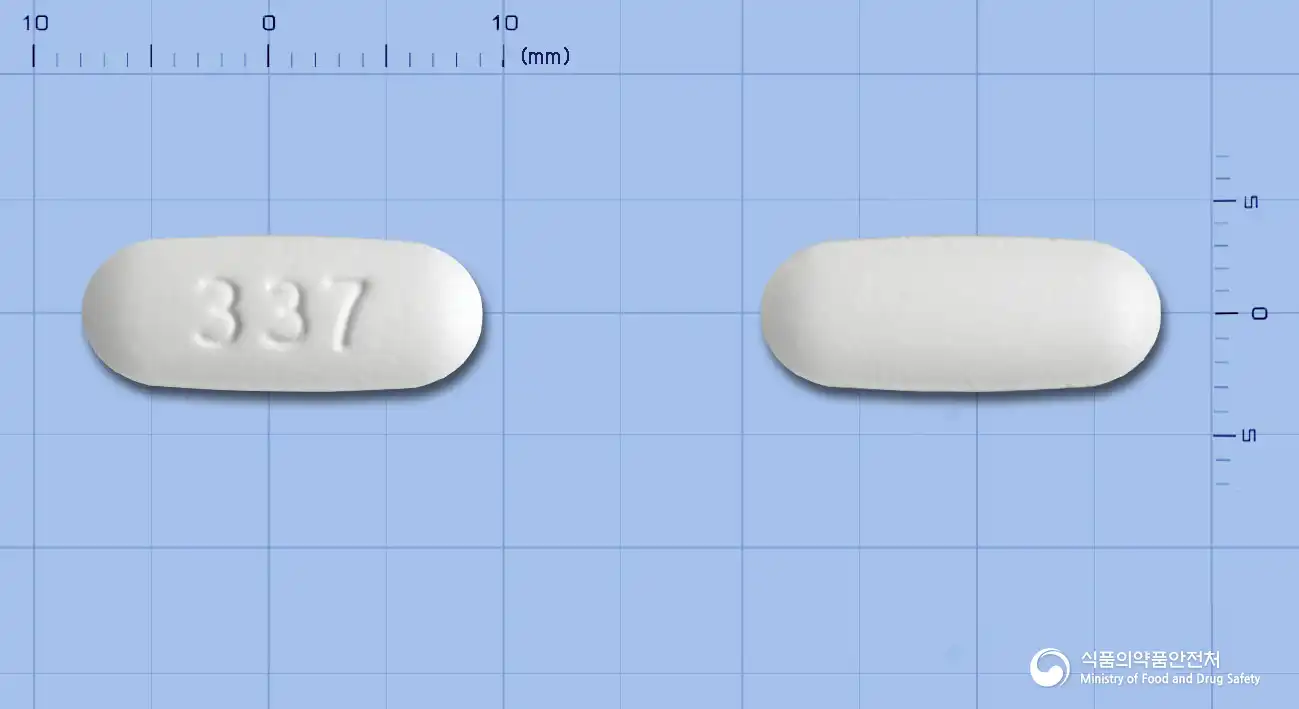 Combination
Ezetimibe 10mg · Atorvastatin Calcium Trihydrate 43.4mg
Tablet · Prescription medication · Combination
Korea Organon Co., Ltd.
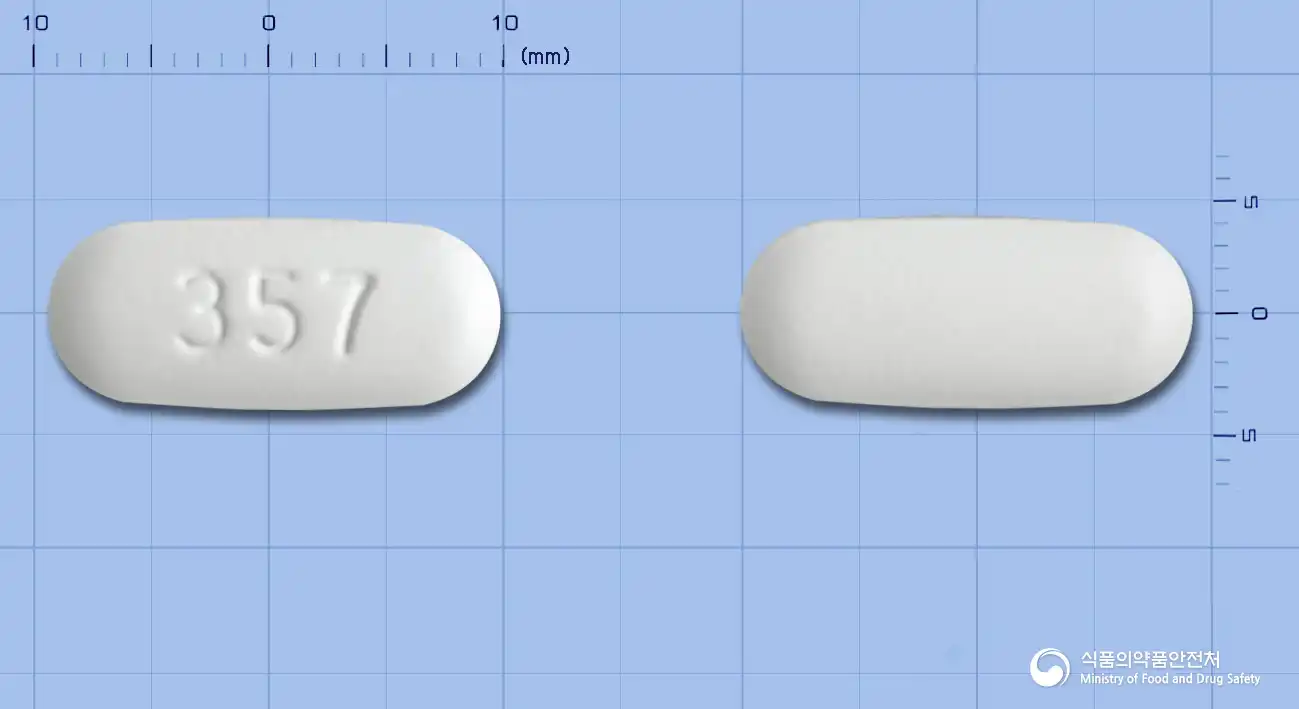 Combination
Ezetimibe 10mg · Atorvastatin Calcium Trihydrate 86.8mg
Tablet · Prescription medication · Combination
Korea Organon Co., Ltd.
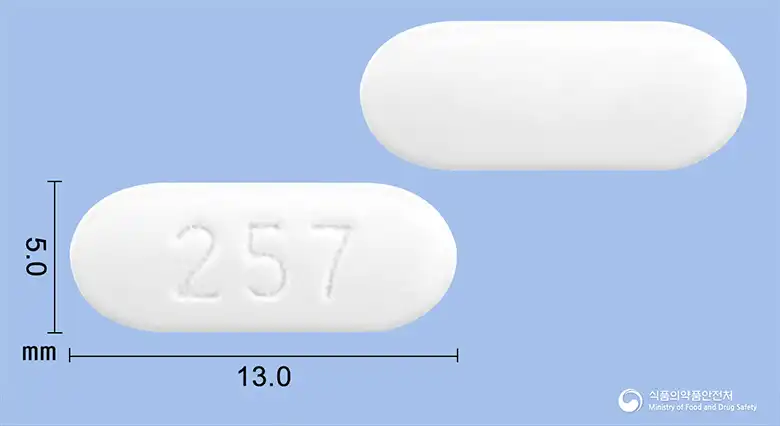 Combination
Ezetimibe 10mg · Atorvastatin Calcium Trihydrate 10.9mg
Tablet · Prescription medication · Combination
Korea Organon Co., Ltd.
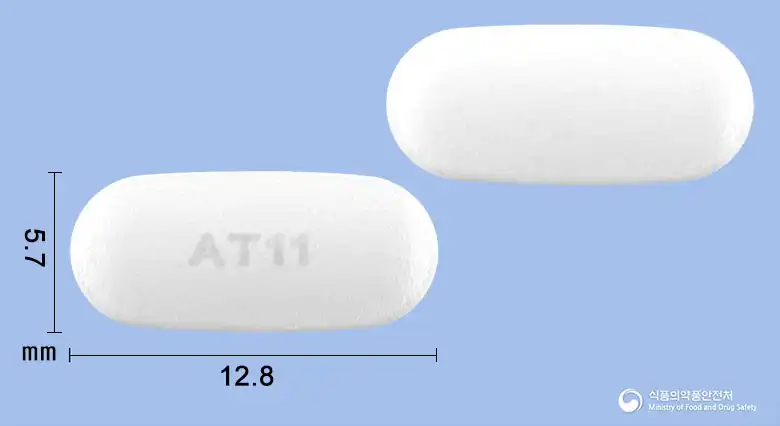 Combination
Atorvastatin Calcium 10.85mg · Ezetimibe 10mg
Tablet · Prescription medication · Combination
Korea HuTex Pharmaceutical Co., Ltd.
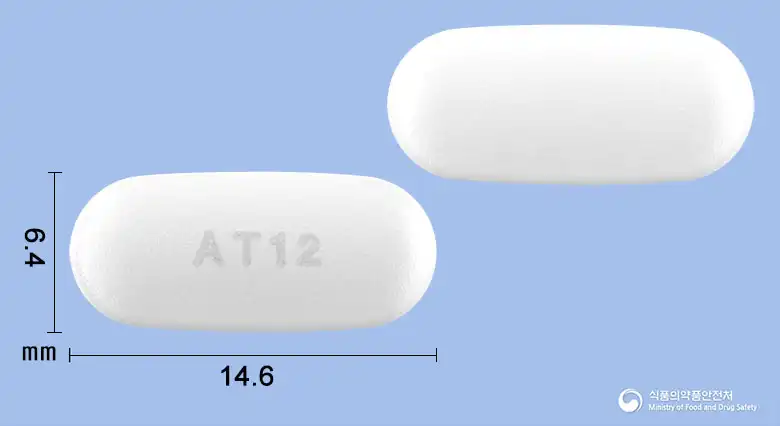 Combination
Atorvastatin Calcium 21.7mg · Ezetimibe 10mg
Tablet · Prescription medication · Combination
Korea HuTex Pharmaceutical Co., Ltd.
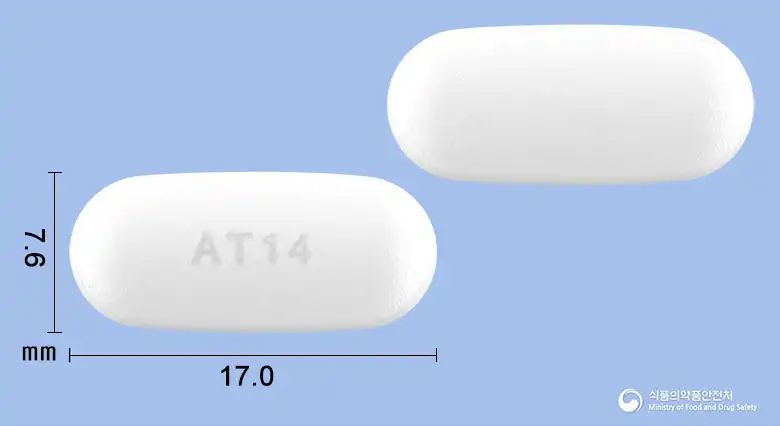 Combination
Atorvastatin Calcium 43.4mg · Ezetimibe 10mg
Tablet · Prescription medication · Combination
Korea HuTex Pharmaceutical Co., Ltd.
Even with the same ingredient, the dose and directions can differ by strength and dosage form. Talk to a doctor or pharmacist before switching from a medication you are already taking.
No questions yet.
For anything that needs medical judgment, consult a doctor or pharmacist.
This drug information is based on data provided by the Korea Ministry of Food and Drug Safety.
Consult a doctor or pharmacist for accurate dosage, administration, and usage instructions.