
 한국어
 English
 日本語
 中文(简体)
 Viewing now
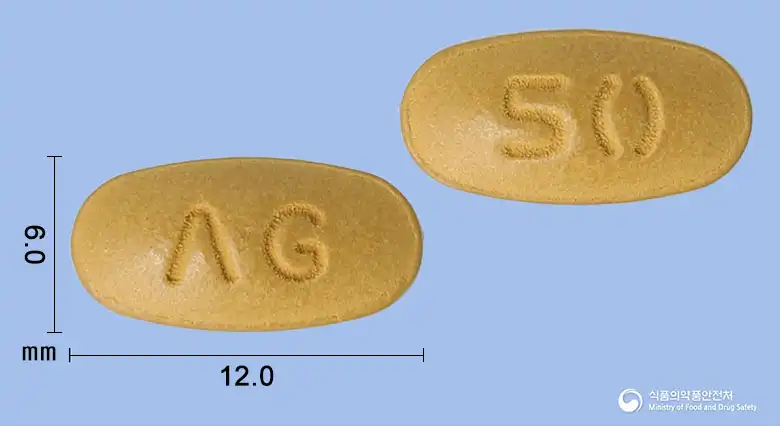
Aimiga Sustained Release Tablet 50mg (Mirabegron)
Mirabegron 50mg
Tablet · Prescription medication
AhnGook Pharmaceutical Co., Ltd.
MFDS item code 202101472 · Approved 2021.02.18 · Insurance code 650205840
Treatment of overactive bladder symptoms (urgency, frequency, etc.)
This medication is used effectively to treat symptoms of urgency, frequency, and urge incontinence that may occur in patients with overactive bladder.
Adults (including elderly patients): The recommended dose is 50mg orally once daily. This medicine may be taken with or without food. Swallow it with water; do not chew or crush it. The following table shows the recommended daily doses for patients with renal or hepatic impairment, with or without strong CYP3A inhibitors (see “Precautions for Use, 5) Drug Interactions”). Mild renal impairment(1): without strong CYP3A inhibitors 50 mg, with strong CYP3A inhibitors 25 mg Moderate renal impairment(1): without strong CYP3A inhibitors 50 mg, with strong CYP3A inhibitors 25 mg Severe renal impairment(1): without strong CYP3A inhibitors 25 mg, with strong CYP3A inhibitors Not recommended Mild hepatic impairment(2): without strong CYP3A inhibitors 50 mg, with strong CYP3A inhibitors 25 mg Moderate hepatic impairment(2): without strong CYP3A inhibitors 25 mg, with strong CYP3A inhibitors Not recommended (1) Mild: GFR 60~89 mL/min/1.73m2; moderate: GFR 30~59 mL/min/1.73m2; severe: GFR 15~29 mL/min/1.73m2. (2) Mild: Child-Pugh Class A; moderate: Child-Pugh Class B. (3) For strong CYP3A inhibitors, see “5) Drug Interactions”.
This medication should not be used in certain patients. Patients who are allergic to the active ingredient or other components of this medication, those with uncontrolled severe hypertension, and those with serious heart conditions should avoid taking this medication as it may worsen their symptoms. Additionally, patients with heart conditions that cause prolonged QT intervals or those taking medications that may prolong the QT interval should exercise caution when using this medication. Patients with end-stage renal disease or severe liver dysfunction are not recommended to take this medication. It is particularly advisable for patients with severe renal or hepatic impairment who are taking strong CYP3A4 enzyme inhibitors to avoid this medication. Patients with bladder outlet obstruction or those taking other medications for the treatment of overactive bladder should also be cautious when using this medication. Furthermore, this medication contains specific pigments, so patients who are allergic to those pigments should take it carefully. The most common side effects when taking this medication are tachycardia and urinary tract infections. Most side effects are mild to moderate, and there have been rare reports of severe cardiac issues such as atrial fibrillation. In Asian patients, dry mouth is a common side effect, which is relatively less frequent compared to other treatments. Blood pressure may increase during the course of treatment, so it is important for patients with hypertension to regularly monitor their blood pressure. The heart rate may also increase slightly, and these changes will return to normal after discontinuation of the medication. Pregnant women or women who may become pregnant should avoid taking this medication, and nursing mothers should also refrain from using it for safety's sake. Safety and efficacy have not been established in children under 19 years of age. In case of overdose, increased heart rate and palpitations may occur, and in such cases, medical attention should be sought immediately, with monitoring of blood pressure and heart condition. This medication may interact with various other medications, so if other medications are being taken, it is essential to consult with a doctor or pharmacist. Particularly, caution is needed when used in conjunction with medications affecting CYP3A4 and CYP2D6 enzymes. This medication does not significantly affect driving or machine operation ability, but patients should be cautious as this can vary by individual. Lastly, this medication should be kept out of reach of children and stored in its original container to maintain its quality.
tachycardia, urinary tract infection, atrial fibrillation, palpitations, increased blood pressure, dyspepsia, gastritis, lip swelling, urticaria, rash, maculopapular rash, papular rash, itching, leukocytoclastic vasculitis, purpura, joint swelling, vulvar itching, cystitis, increased γ-GTP, increased SGOT, increased SGPT, dry mouth, urinary retention, nausea, constipation, diarrhea, angioedema, insomnia, confusion, dizziness, headache, pyuria, bladder stone, kidney stone, urinary stricture, hematuria, malignant neoplasm of male genital organs, bladder carcinoma, malignant lymphoma, rectal carcinoma, diabetes mellitus, worsening diabetes, cataract, glaucoma, cerebellar ataxia, spinal canal stenosis, fracture, hypertension, hypotension, pneumonia, lung disease, peripheral edema, urinary disorders, urinary incontinence, difficulty urinating, frequency of urination, reduced urine flow, chest pain, facial swelling, bladder discomfort, abnormal urination, back pain, weakness, changes in temperature sensation, generalized edema, abdominal pain, colitis, glossitis, gastroesophageal reflux, gastroenteritis, dry lips, periodontal destruction, thirst, dry eye, unspecified lipid metabolism disorder, weight loss, abnormal semen, testicular pain, epididymitis, loss of ejaculation function, inguinal hernia, prostatic hyperplasia, visual disturbances, upper respiratory infection, pharyngitis, dyspnea, skeletal pain, fibromyalgia, arthropathy, orthostatic hypotension, erectile dysfunction, reduced libido, decreased appetite, cholelithiasis, fatty liver, acute urticaria, skin discoloration
Not everyone experiences these, and they can vary from person to person.
This medication must be stored in a tightly sealed container to prevent exposure to air or moisture. Additionally, it is advisable to store the medication at a normal room temperature between 1°C to 30°C, avoiding extremely hot or cold places.
Yellow oval-shaped film-coated sustained release tablet
PTP - 90 tablets/box [10 tablets/PTP X 9], bottle - 30 tablets/bottle, bottle - 100 tablets/bottle
Even with the same ingredient, strength, dosage form and how it is taken can differ.
Viewing nowMirabegron 50mg
Tablet · Prescription medication
AhnGook Pharmaceutical Co., Ltd.
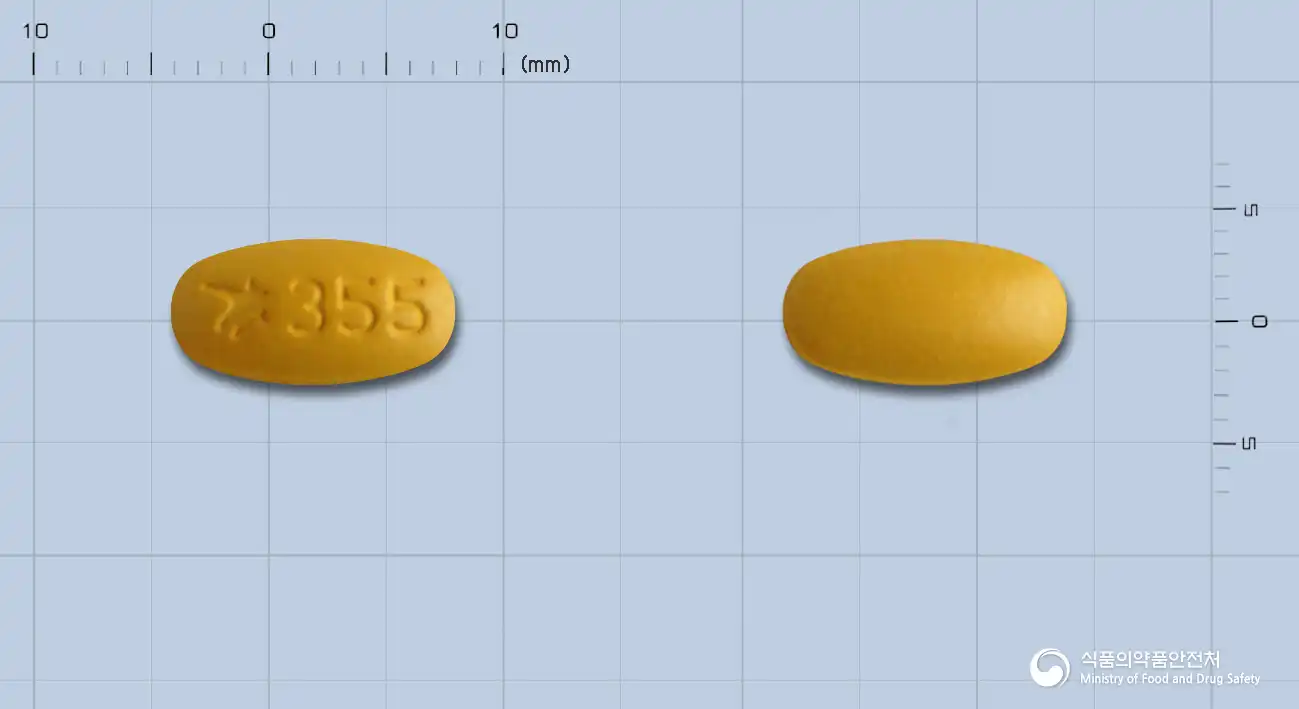
Mirabegron 50mg
Tablet · Prescription medication
Korea Astellas Pharma Co., Ltd.
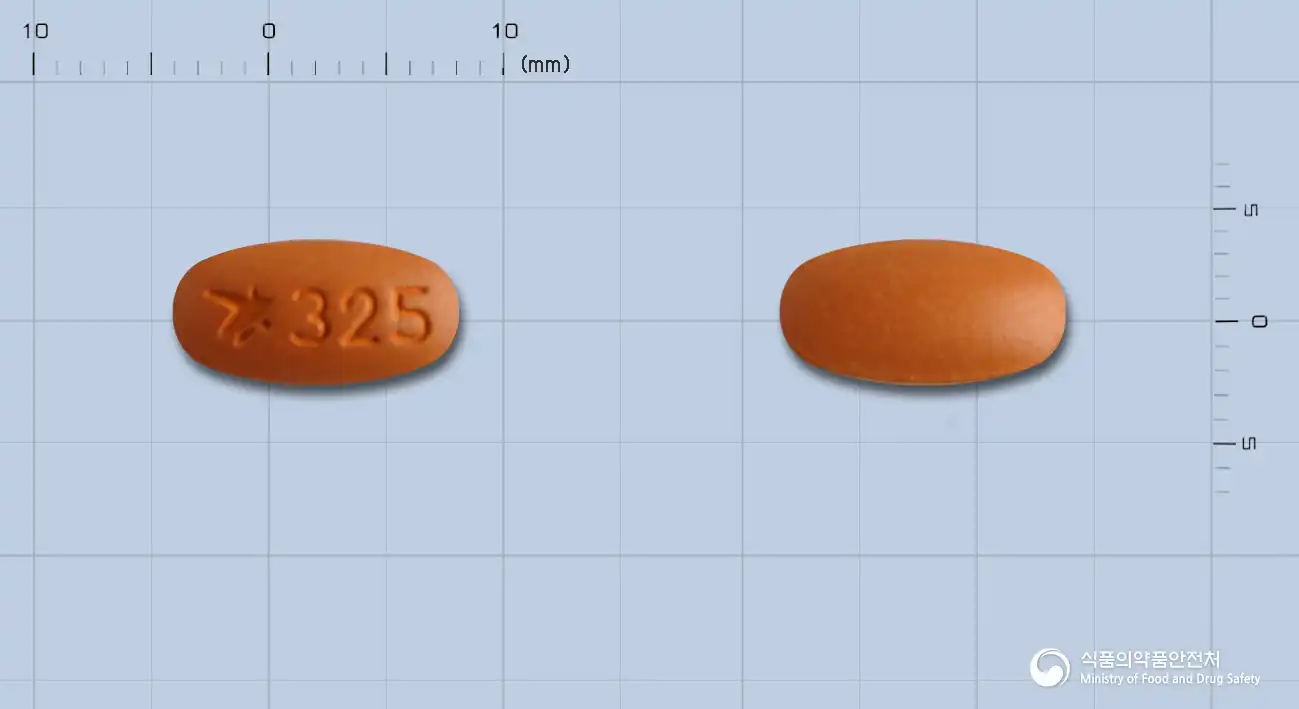
Mirabegron 25mg
Tablet · Prescription medication
Korea Astellas Pharma Co., Ltd.
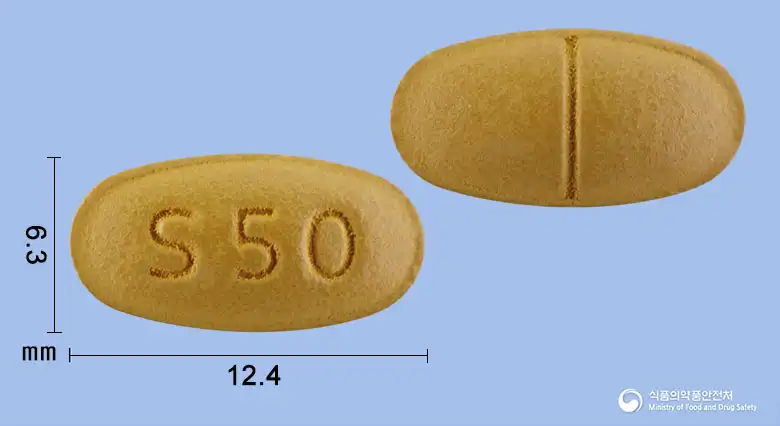
Mirabegron 50mg
Tablet · Prescription medication
Jongkundang Co., Ltd.
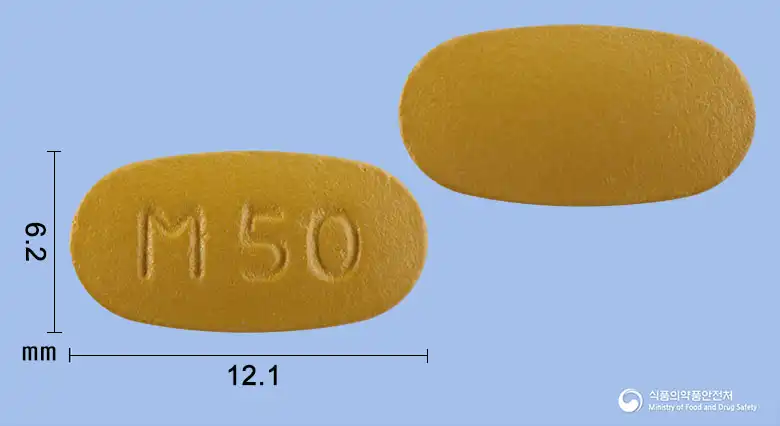
Mirabegron 50mg
Tablet · Prescription medication
Hanmi Pharmaceutical Co., Ltd.
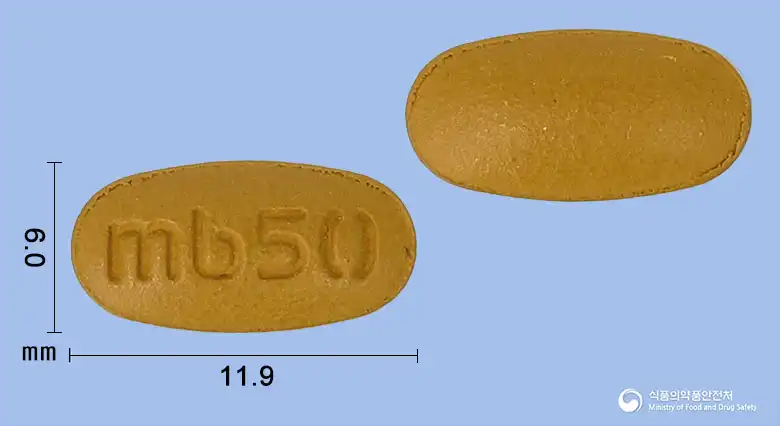
Mirabegron 50mg
Tablet · Prescription medication
Genewon Science Co., Ltd.
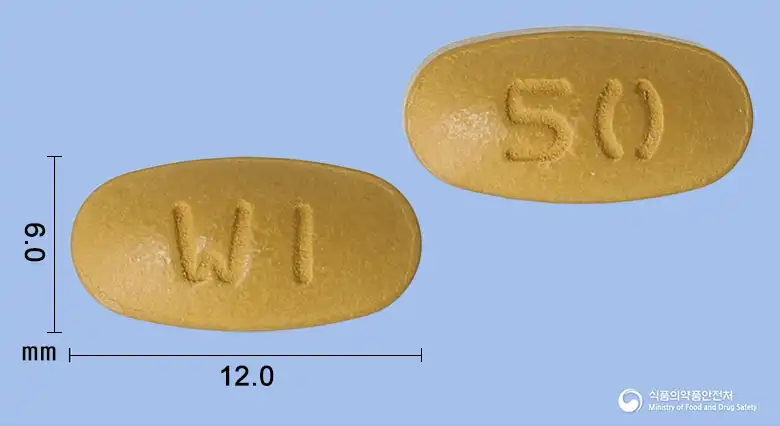
Mirabegron 50mg
Tablet · Prescription medication
Hanin Pharmaceutical Co., Ltd.
Mirabegron 50mg
Tablet · Prescription medication
Daewoong Pharmaceutical Co., Ltd.
Even with the same ingredient, the dose and directions can differ by strength and dosage form. Talk to a doctor or pharmacist before switching from a medication you are already taking.
No questions yet.
For anything that needs medical judgment, consult a doctor or pharmacist.
This drug information is based on data provided by the Korea Ministry of Food and Drug Safety.
Consult a doctor or pharmacist for accurate dosage, administration, and usage instructions.