
 한국어
 English
 日本語
 中文(简体)
 Viewing now
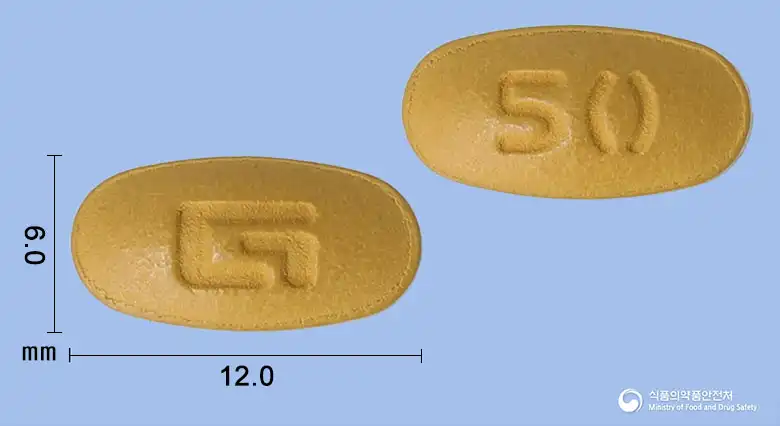
Vemigran Extended Release Tablet 50 mg (Mirabegron)
Mirabegron 50mg
Tablet · Prescription medication
Dongkwang Pharmaceutical Co., Ltd.
MFDS item code 202101452 · Approved 2021.02.18 · Insurance code 645907200
Treatment of symptoms of overactive bladder (urgency, frequency, etc.)
This medication is used to treat symptoms such as urgency, frequency, and urgency incontinence that may occur in adult patients with overactive bladder. These symptoms include a sudden urge to urinate and frequent urination, and this medication can effectively improve the symptoms. It helps enhance the quality of life of patients and reduce discomfort in daily activities.
In adults (including elderly patients), the recommended dose is 50 mg orally once daily. This medicine may be taken with or without food. It should be swallowed with water and must not be chewed or crushed. The following table shows the recommended daily doses for patients with renal or hepatic impairment, with or without a strong CYP3A inhibitor (see “5) Drug Interactions” under Precautions for Use). Category / Severity / Strong CYP3A inhibitor(3), inhibitor absent / Strong CYP3A inhibitor(3), inhibitor present Renal impairment(1) / Mild / 50 mg / 25 mg Renal impairment(1) / Moderate / 50 mg / 25 mg Renal impairment(1) / Severe / 25 mg / Not recommended Hepatic impairment(2) / Mild / 50 mg / 25 mg Hepatic impairment(2) / Moderate / 25 mg / Not recommended (1) Mild: GFR 60~89 mL/min/1.73m2; moderate: GFR 30~59 mL/min/1.73m2; severe: GFR 15~29 mL/min/1.73m2. (2) Mild: Child-Pugh Class A; moderate: Child-Pugh Class B. (3) See “5) Drug Interactions” for strong CYP3A inhibitors.
This medication should not be used in certain patients. First, patients who have an allergic reaction to the active ingredient or any other components of this medication should not take it. Furthermore, patients with uncontrolled severe hypertension or serious heart diseases should avoid taking this medication as their symptoms may worsen. This medication should be used cautiously in some patients. For instance, patients with congenital or acquired abnormalities in cardiac electrical signals, such as QT prolongation, need to be careful. It is not recommended for patients with end-stage renal disease or severe liver impairment. Moreover, this medication may interact with certain enzyme inhibitors, so patients with severe renal impairment or moderate liver impairment taking strong CYP3A4 inhibitors should avoid this medication. Patients with bladder outlet obstruction or those taking other medications for overactive bladder should also be cautious. This medication contains specific dyes, so patients who are allergic to these dyes should use it carefully. This medication may slightly increase heart rate and blood pressure, so especially hypertensive patients should regularly monitor their blood pressure. Any changes in heart rate or blood pressure typically recover upon discontinuation of the medication. Pregnant women or women who may become pregnant are advised not to take this medication, and breastfeeding women should also avoid it. The safety and efficacy in children and adolescents (under 19 years old) have not been established. In case of overdose, symptoms such as palpitations or increased heart rate may occur, and if such symptoms arise, immediate consultation with healthcare professionals is required. This medication may interact with other drugs, so patients with liver and renal function impairment should consult with their physician. Additionally, this medication should be kept out of reach of children, stored safely, and should not be transferred to another container. Finally, while this medication is known not to significantly affect driving or operating machinery, caution is still needed as individuals may respond differently.
Not everyone experiences these, and they can vary from person to person.
This medication should be stored in a tightly sealed container to prevent exposure to air or moisture. The storage temperature should be maintained at room temperature between 1 degree and 30 degrees Celsius.
Yellow oval film-coated extended-release tablet
PTP - 90 tablets/box [10 tablets/PTP X 9], Bottle - 30 tablets/bottle
Even with the same ingredient, strength, dosage form and how it is taken can differ.
Viewing nowMirabegron 50mg
Tablet · Prescription medication
Dongkwang Pharmaceutical Co., Ltd.
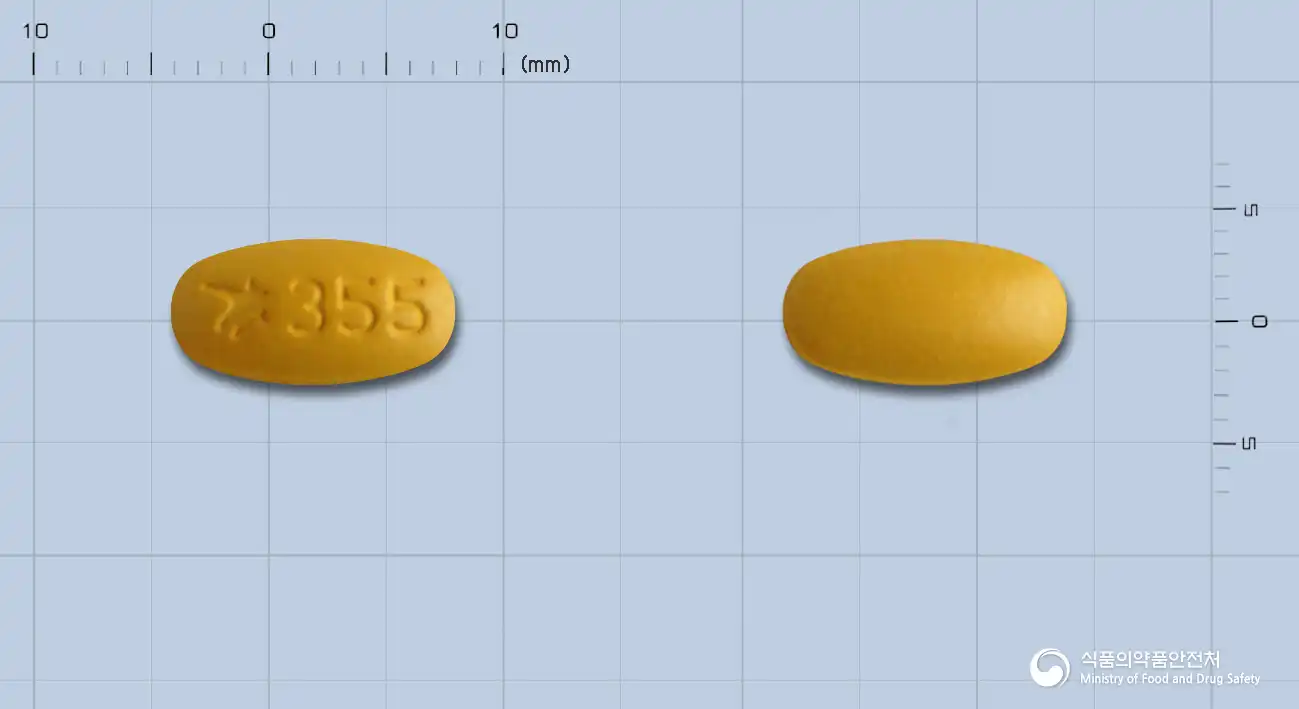
Mirabegron 50mg
Tablet · Prescription medication
Korea Astellas Pharma Co., Ltd.
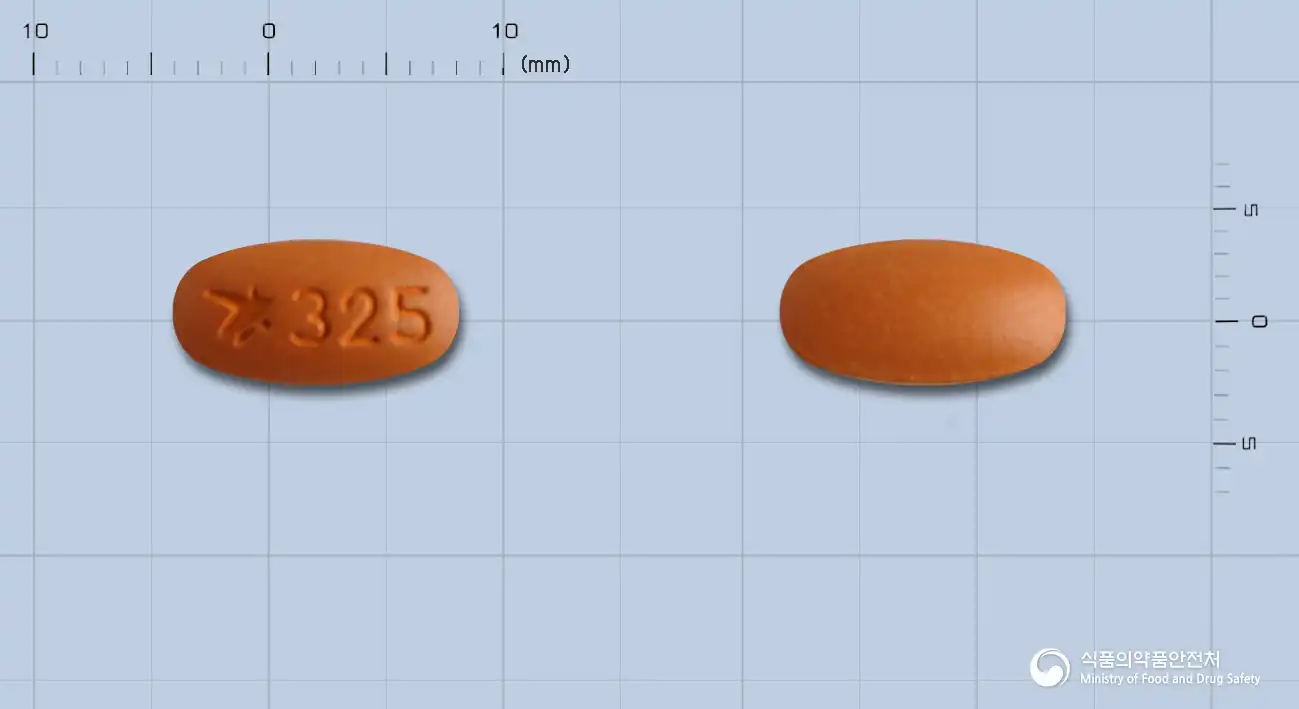
Mirabegron 25mg
Tablet · Prescription medication
Korea Astellas Pharma Co., Ltd.
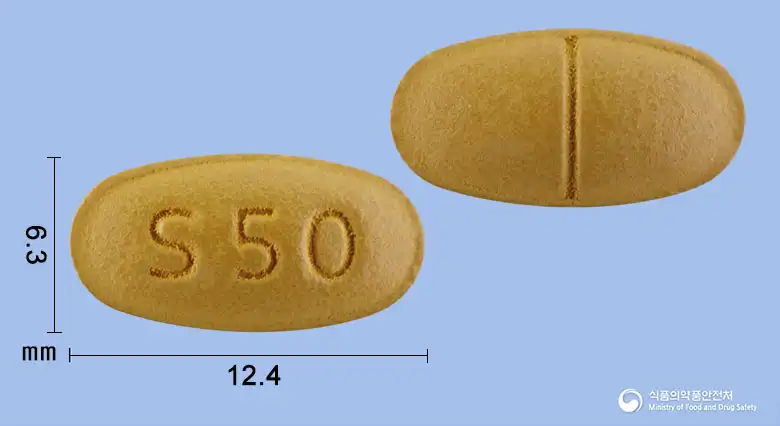
Mirabegron 50mg
Tablet · Prescription medication
Jongkundang Co., Ltd.
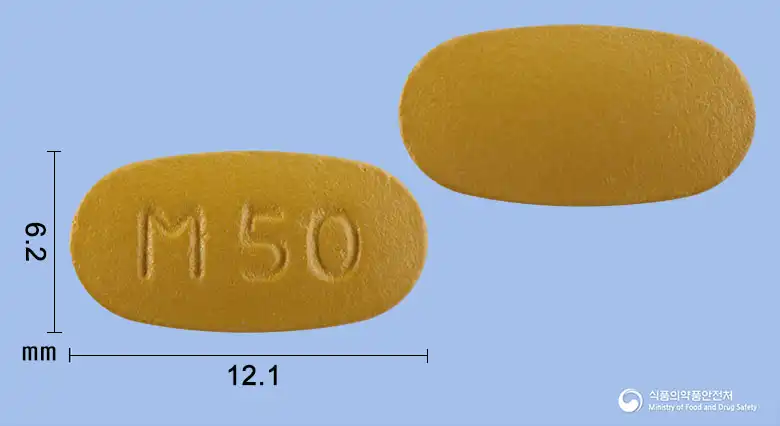
Mirabegron 50mg
Tablet · Prescription medication
Hanmi Pharmaceutical Co., Ltd.
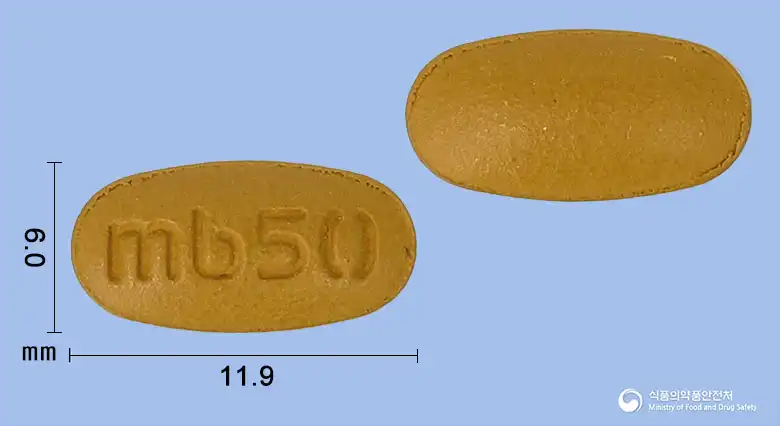
Mirabegron 50mg
Tablet · Prescription medication
Genewon Science Co., Ltd.
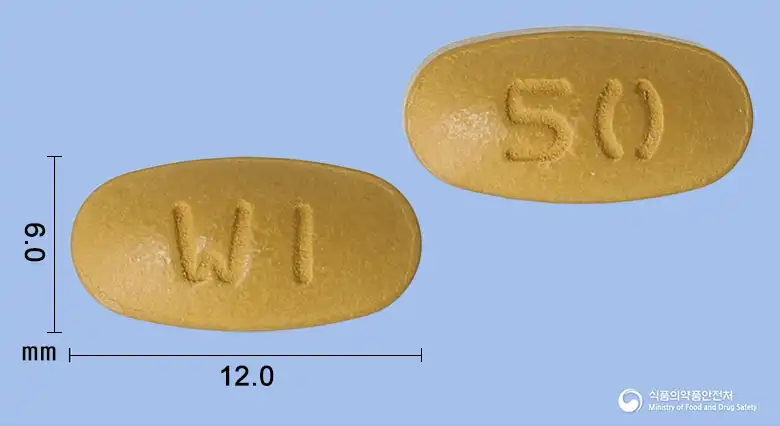
Mirabegron 50mg
Tablet · Prescription medication
Hanin Pharmaceutical Co., Ltd.
Mirabegron 50mg
Tablet · Prescription medication
Daewoong Pharmaceutical Co., Ltd.
Even with the same ingredient, the dose and directions can differ by strength and dosage form. Talk to a doctor or pharmacist before switching from a medication you are already taking.
No questions yet.
For anything that needs medical judgment, consult a doctor or pharmacist.
This drug information is based on data provided by the Korea Ministry of Food and Drug Safety.
Consult a doctor or pharmacist for accurate dosage, administration, and usage instructions.