
 한국어
 English
 日本語
 中文(简体)
 Viewing now
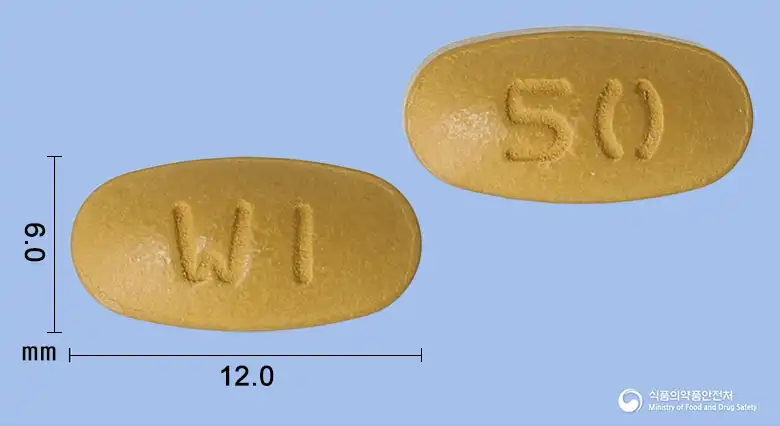
BEMIGAR Extended Release Tablet 50 mg (Mirabegron)
Mirabegron 50mg
Tablet · Prescription medication
Hanin Pharmaceutical Co., Ltd.
MFDS item code 202101444 · Approved 2021.02.18 · Insurance code 657203770
Treatment of symptoms of overactive bladder (urgency, frequency, etc.)
This medication is used to treat symptoms such as urgency, frequency, and urge incontinence that frequently occur in adult patients with overactive bladder. These symptoms can cause inconvenience in the patient's daily life, and this medication helps alleviate the symptoms, improving their quality of life. Therefore, this medication is effective in improving symptoms of overactive bladder.
The recommended dose for adults (including elderly patients) is 50 mg orally once daily. This medicine may be taken with or without food. Swallow it with water; do not chew or crush it. Recommended daily doses for patients with renal or hepatic impairment, with or without strong CYP3A inhibitors Renal impairment(1), mild: without an inhibitor, 50 mg; with an inhibitor, 25 mg Renal impairment(1), moderate: without an inhibitor, 50 mg; with an inhibitor, 25 mg Renal impairment(1), severe: without an inhibitor, 25 mg; use with an inhibitor is not recommended Hepatic impairment(2), mild: without an inhibitor, 50 mg; with an inhibitor, 25 mg Hepatic impairment(2), moderate: without an inhibitor, 25 mg; use with an inhibitor is not recommended (1) Mild: GFR 60~89 mL/min/1.73m2; moderate: GFR 30~59 mL/min/1.73m2; severe: GFR 15~29 mL/min/1.73m2. (2) Mild: Child-Pugh Class A; moderate: Child-Pugh Class B. (3) See “5) Drug Interactions” for strong CYP3A inhibitors.
This medication should not be used in certain patients. First, patients who are allergic to the active ingredient or any other components of this medication should not take it. Second, patients with severely high and uncontrolled hypertension should also not use this medication. Third, patients with severe heart conditions may experience worsening symptoms when taking this medication, so caution is required. This medication should be used cautiously in some patients. For instance, patients with congenital or acquired prolonged QT interval should be careful when taking this medication, as it can affect cardiac rhythm. Additionally, this medication is not recommended for patients with severely impaired renal function or severely damaged liver function. Patients with severe renal impairment or moderate liver impairment who are on strong CYP3A4 enzyme inhibitors should avoid using this medication. Patients with bladder outlet obstruction or those taking specific medications for overactive bladder should also use this medication with caution. Lastly, this medication contains yellow dye, so caution is needed for patients who are allergic to this ingredient. Common side effects that may occur while taking this medication include tachycardia and urinary tract infections. Other reported symptoms include dyspepsia, rash, itching, joint edema, and various others. Rarely, arrhythmia such as atrial fibrillation can occur, so any unusual symptoms should be promptly consulted with a healthcare provider. This medication may slightly increase heart rate and blood pressure, so hypertensive patients should monitor their blood pressure regularly while taking it. Patients with a history of prolonged QT interval or those on medications that prolong QT interval need cardiac monitoring. Patients with bladder outlet obstruction or those undergoing treatment for overactive bladder should be cautious as issues such as urinary retention may arise. This medication can interact with multiple drugs, so if you are taking other medications, it is essential to consult with a physician or pharmacist. Caution is required when used in conjunction with medications that affect CYP3A4 and CYP2D6 enzymes, and dosage adjustments may be necessary when combined with certain antibiotics or antifungals. Moreover, this medication may have side effects related to increased heart rate, so the impacts of drug interactions should also be considered. Pregnant women or women of childbearing potential should not take this medication. Breastfeeding women should also avoid using this medication as it may be excreted in breast milk. Safety and efficacy in children under 19 years have not yet been established, so this medication should not be used in this age group. In cases of overdose, symptoms such as increased heart rate, palpitations, and elevated blood pressure may occur, and immediate medical attention is required. In cases of overdose, monitoring of heart rate, blood pressure, and electrocardiogram is necessary, and symptomatic treatment should be provided according to symptoms. This medication should be stored out of reach of children, and it is important not to transfer it to another container to maintain its quality.
Not everyone experiences these, and they can vary from person to person.
This medication should be stored in a tightly closed container to protect it from air or moisture and should ideally be kept at room temperature, between 1 degree and 30 degrees Celsius. Storing it this way will help maintain the effectiveness of the medication for a longer time.
Yellow oval film-coated extended-release tablet
Bottle - 30 tablets/bottle, Bottle - 100 tablets/bottle
Even with the same ingredient, strength, dosage form and how it is taken can differ.
Viewing nowMirabegron 50mg
Tablet · Prescription medication
Hanin Pharmaceutical Co., Ltd.
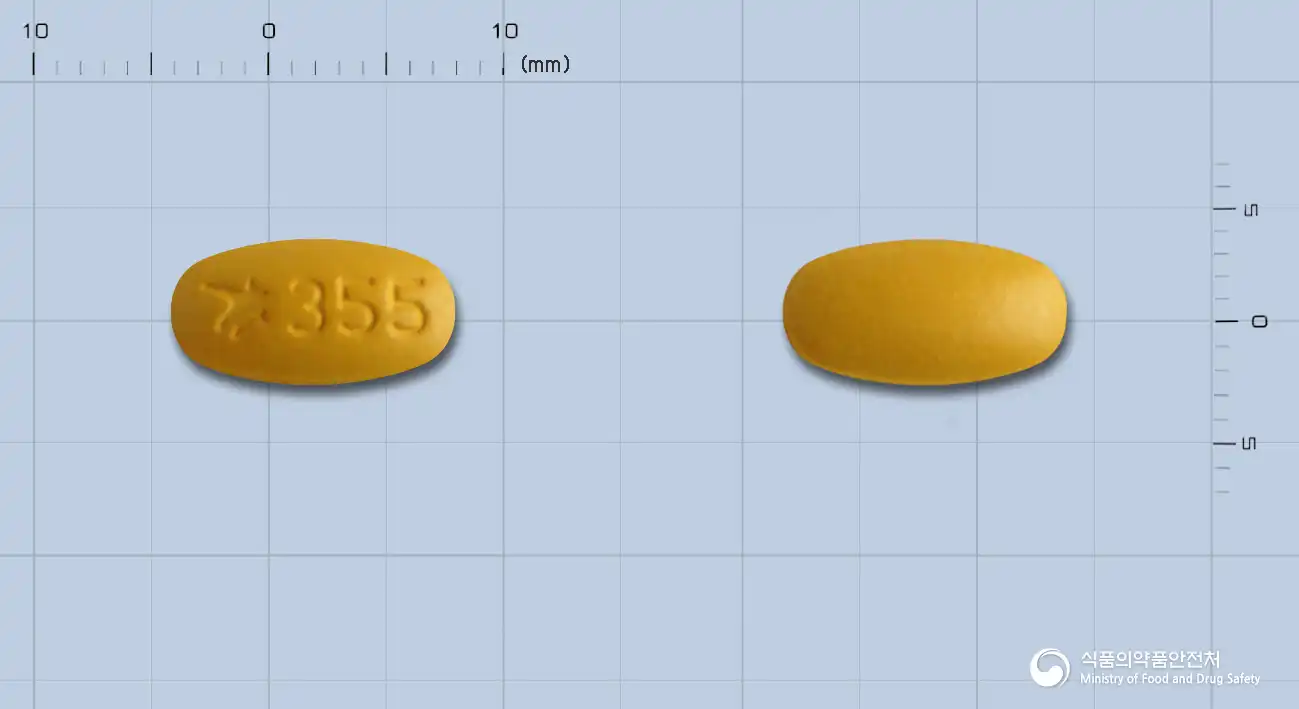
Mirabegron 50mg
Tablet · Prescription medication
Korea Astellas Pharma Co., Ltd.
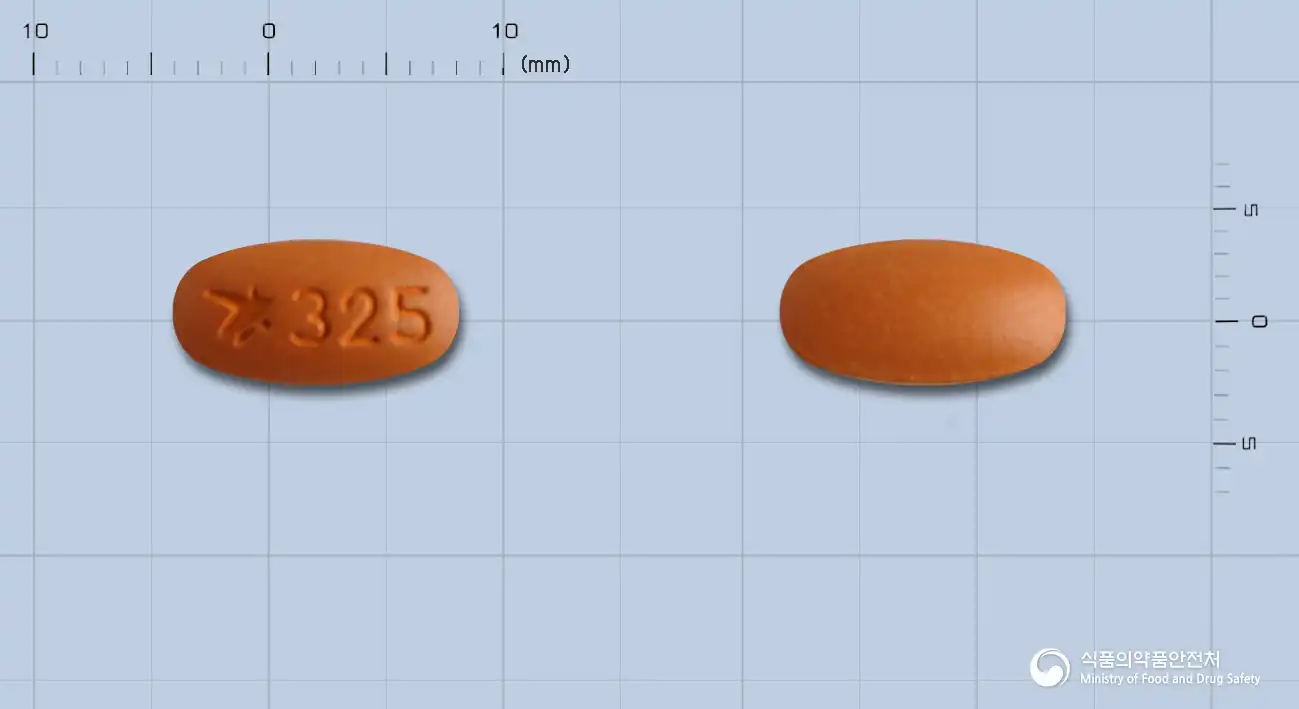
Mirabegron 25mg
Tablet · Prescription medication
Korea Astellas Pharma Co., Ltd.
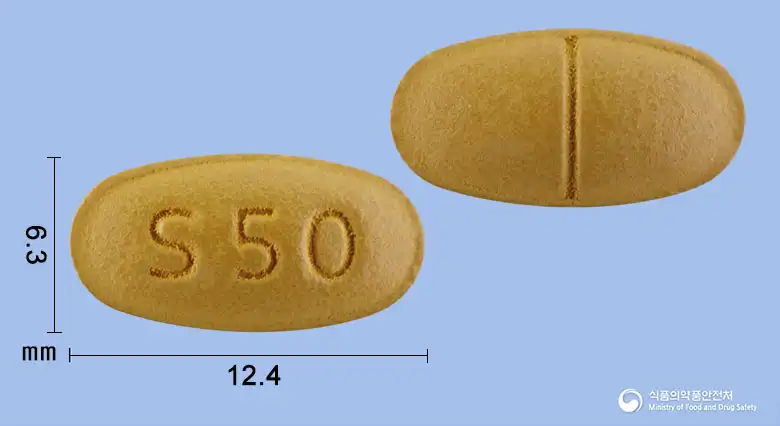
Mirabegron 50mg
Tablet · Prescription medication
Jongkundang Co., Ltd.
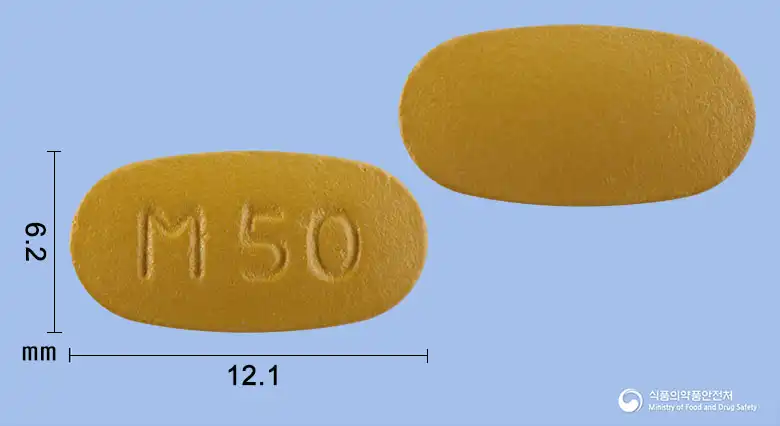
Mirabegron 50mg
Tablet · Prescription medication
Hanmi Pharmaceutical Co., Ltd.
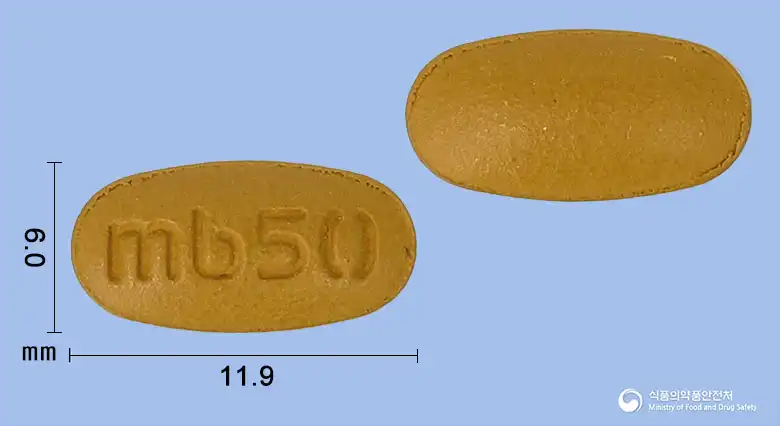
Mirabegron 50mg
Tablet · Prescription medication
Genewon Science Co., Ltd.
Mirabegron 50mg
Tablet · Prescription medication
Daewoong Pharmaceutical Co., Ltd.
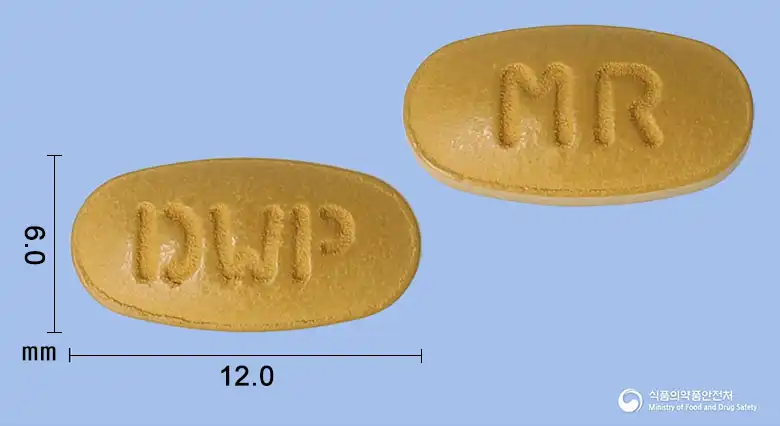
Mirabegron 50mg
Tablet · Prescription medication
Daewon Pharmaceutical Co., Ltd.
Even with the same ingredient, the dose and directions can differ by strength and dosage form. Talk to a doctor or pharmacist before switching from a medication you are already taking.
No questions yet.
For anything that needs medical judgment, consult a doctor or pharmacist.
This drug information is based on data provided by the Korea Ministry of Food and Drug Safety.
Consult a doctor or pharmacist for accurate dosage, administration, and usage instructions.