
 한국어
 English
 日本語
 中文(简体)
 Viewing now
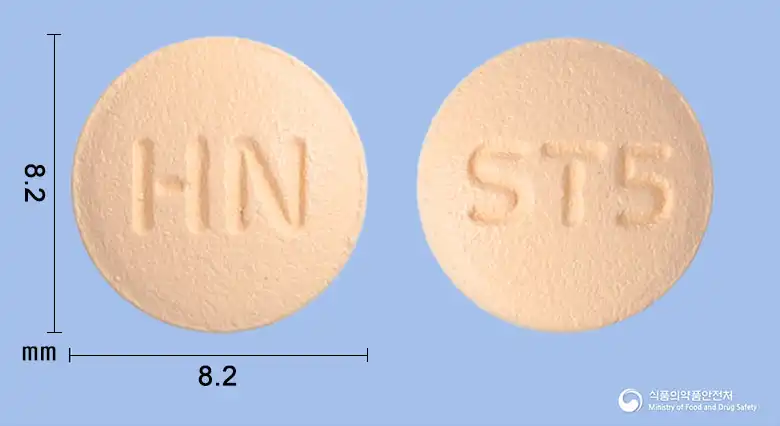
Sitagliptin 50 mg Tablet (Sitagliptin Hydrochloride Hydrate)
Sitagliptin Hydrochloride Hydrate 56.7mg
Tablet · Prescription medication
Hana Pharmaceutical Co., Ltd.
MFDS item code 202101404 · Approved 2021.02.18 · Insurance code 657807910
Improvement of glycemic control in type 2 diabetes mellitus
This medicine is used with diet and exercise to help patients with type 2 diabetes control their blood sugar. It can be administered alone for patients beginning treatment, and when monotherapy does not sufficiently control blood sugar, it is used in combination with metformin. Additionally, it can be added to treatment when sufficient control is difficult with sulfonylurea, thiazolidinedione, or insulin monotherapy. This drug enhances therapeutic effects even when blood sugar control is inadequate despite combination therapy with multiple medications. It is flexibly used in various cases to improve blood sugar control.
This drug is administered once daily at a dose of 100 mg as monotherapy or combination therapy, and the maximum daily dose is 100 mg. This drug may be taken without regard to meals. When this drug is coadministered with a sulfonylurea or insulin, a reduction in the dose of the sulfonylurea or insulin may be considered to reduce the risk of sulfonylurea- or insulin-induced hypoglycemia (see Precautions for Use, 5. General Precautions). Patients with renal impairment Since dosage adjustment is required according to renal function, assessment of renal function is recommended before treatment with this drug and periodically thereafter. 1. No dosage adjustment is necessary in patients with mild renal impairment (glomerular filtration rate [eGFR] ≥ 60 mL/min/1.73 m2 and < 90 mL/min/1.73 m2). 2. No dosage adjustment is necessary in patients with moderate renal impairment (glomerular filtration rate [eGFR] ≥ 45 mL/min/1.73 m2 and < 60 mL/min/1.73 m2). 3. In patients with moderate renal impairment (glomerular filtration rate [eGFR] ≥ 30 mL/min/1.73 m2 and < 45 mL/min/1.73 m2), administer 50 mg once daily. 4. In patients with severe renal impairment (glomerular filtration rate [eGFR] ≥ 15 mL/min/1.73 m2 and < 30 mL/min/1.73 m2) or end-stage renal disease (ESRD) requiring hemodialysis or peritoneal dialysis (glomerular filtration rate [eGFR] < 15 mL/min/1.73 m2), administer 25 mg once daily. This drug may be administered regardless of the timing of dialysis.
This medicine may cause severe hypersensitivity reactions after administration, so if allergic symptoms occur, discontinue use immediately. Consult a physician immediately if symptoms of pancreatitis appear while taking the medication, and discontinue use if necessary. Patients with type 1 diabetes or hypersensitivity to any component of this drug should not take it. Patients with decreased kidney function need to adjust the dosage, so consult a physician. When used in combination with other hypoglycemic agents, caution is needed due to the risk of hypoglycemia, and dosage adjustments of other medications may be necessary. Prolonged use may lead to adverse reactions such as arthralgia, skin rash, and blistering skin diseases, so inform a physician if symptoms occur. Pregnant or breastfeeding women are advised to avoid taking this medication. Elderly patients should undergo regular kidney function tests as kidney function may decline. In case of overdose, immediate medical attention is required, and some removal may be possible through hemodialysis. This drug has little effect on cardiovascular safety, but it is important to consult healthcare professionals if adverse reactions occur.
Not everyone experiences these, and they can vary from person to person.
This medicine should be stored in a tightly sealed container to prevent air or moisture from entering and should be kept at room temperature between 1 and 30 degrees Celsius. This helps maintain the efficacy of the drug and prevents degradation.
A light apricot-colored, biconvex round film-coated tablet
28 tablets/box [14 tablets/PTPX2]
Even with the same ingredient, strength, dosage form and how it is taken can differ.
Viewing nowSitagliptin Hydrochloride Hydrate 56.7mg
Tablet · Prescription medication
Hana Pharmaceutical Co., Ltd.
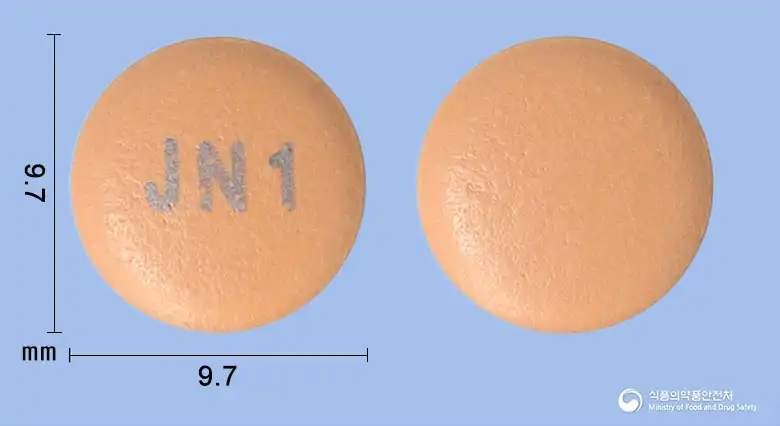
Sitagliptin Hydrochloride Hydrate 113.4mg
Tablet · Prescription medication
Daewon Pharmaceutical Co., Ltd.
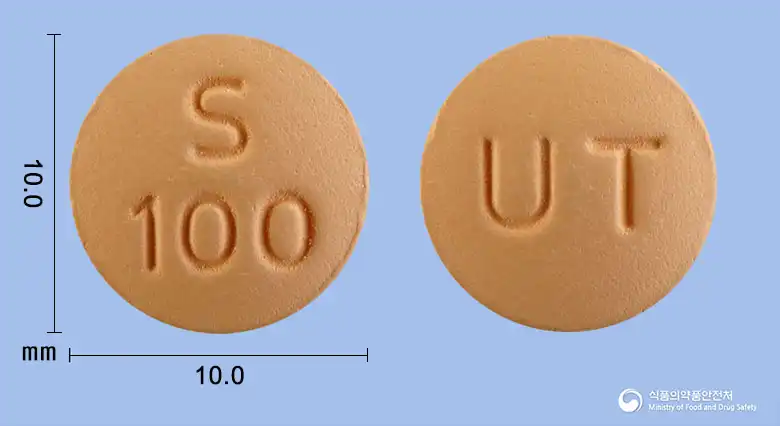
Sitagliptin Hydrochloride Hydrate 113.4mg
Tablet · Prescription medication
Korea United Pharm., Co., Ltd.
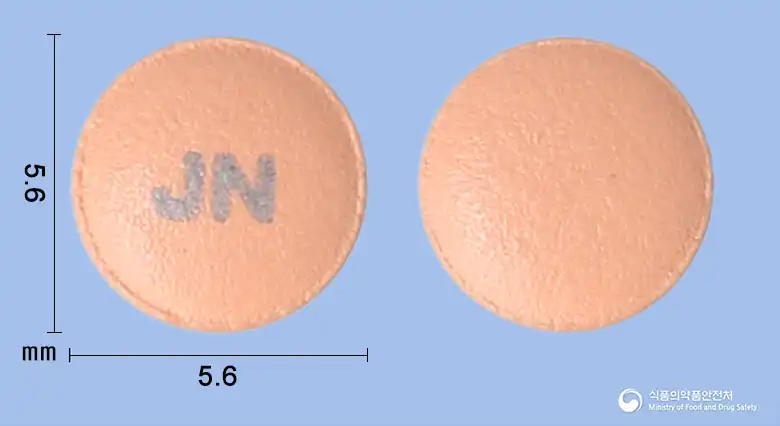
Sitagliptin Hydrochloride Hydrate 128.5mg
Tablet · Prescription medication
Daewon Pharmaceutical Co., Ltd.
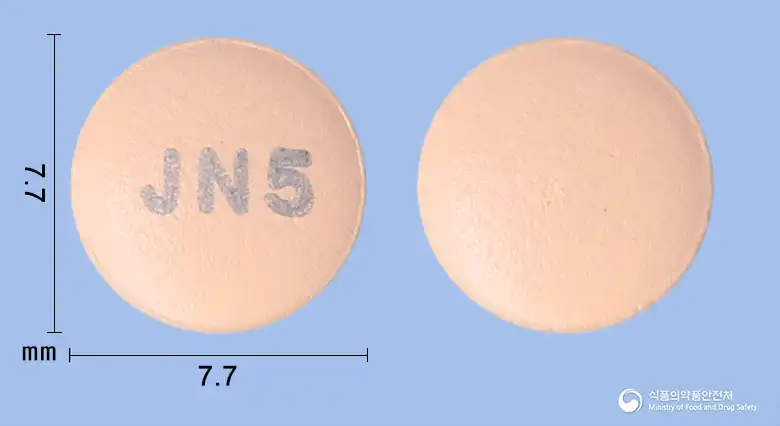
Sitagliptin Hydrochloride Hydrate 128.5mg
Tablet · Prescription medication
Daewon Pharmaceutical Co., Ltd.
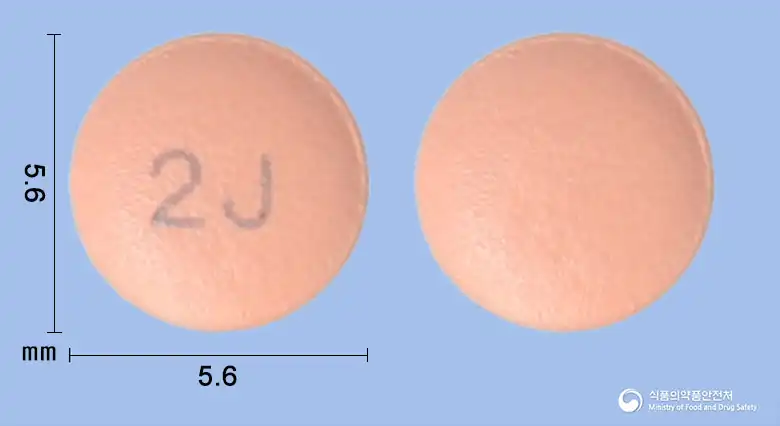
Sitagliptin Hydrochloride Hydrate 28.35mg
Tablet · Prescription medication
Daewoong Bio Co., Ltd.
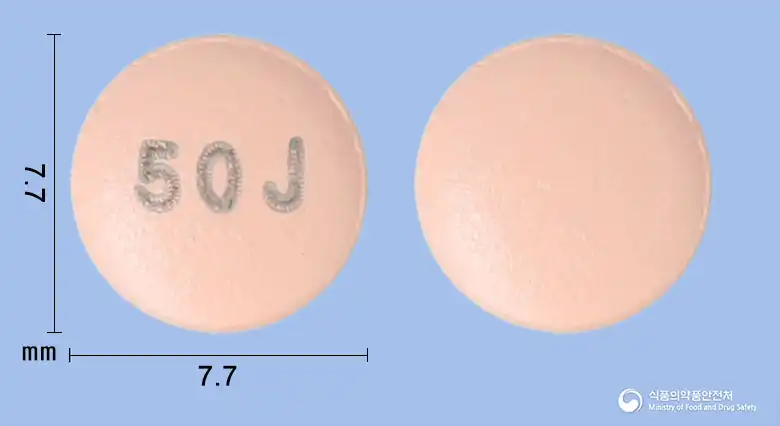
Sitagliptin Hydrochloride Hydrate 56.7mg
Tablet · Prescription medication
Daewoong Bio Co., Ltd.
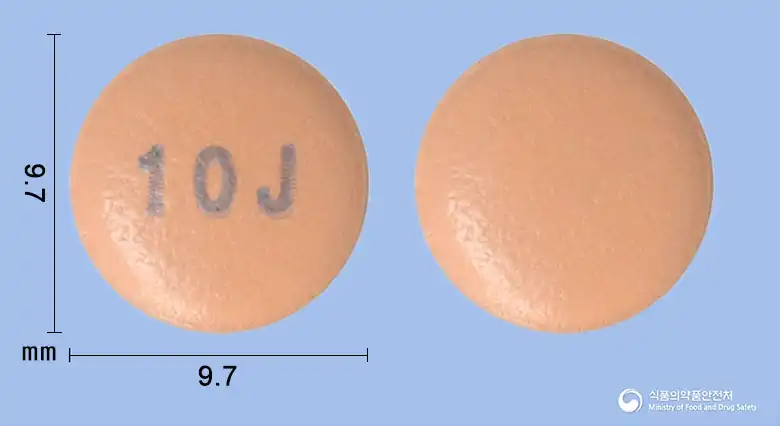
Sitagliptin Hydrochloride Hydrate 113.4mg
Tablet · Prescription medication
Daewoong Bio Co., Ltd.
Even with the same ingredient, the dose and directions can differ by strength and dosage form. Talk to a doctor or pharmacist before switching from a medication you are already taking.
No questions yet.
For anything that needs medical judgment, consult a doctor or pharmacist.
This drug information is based on data provided by the Korea Ministry of Food and Drug Safety.
Consult a doctor or pharmacist for accurate dosage, administration, and usage instructions.