
 한국어
한국어 English
 日本語
日本語 中文(简体)
Dosage form image
Viewing nowDonggwang Pitavastatin Tablet 1 Milligram (Pitavastatin Calcium)
Pitavastatin Calcium 1mg
Tablet · Prescription medication
Donggwang Pharmaceutical Co., Ltd.
MFDS item code 202100046 · Approved 2021.01.05
This product's status changed to Expired on 2026.01.05. It may no longer be sold, so consult a doctor or pharmacist before taking it.
Improvement of hypercholesterolemia and dyslipidemia
This medication is used as an adjunct to diet to lower elevated total cholesterol, LDL cholesterol, apolipoprotein B, and triglycerides in patients with primary hypercholesterolemia and mixed dyslipidemia. It also helps effectively control cholesterol levels when used alongside diet in pediatric patients aged 10 to 16 with heterozygous familial hypercholesterolemia who have high LDL cholesterol levels. It is particularly useful for patients at high risk for cardiovascular disease and aids in improving blood lipids.
In adults, the usual starting dose of pitavastatin calcium is 1 to 2 milligrams once daily. If the LDL cholesterol lowering effect is insufficient, the dose may be increased to a maximum of 4 milligrams daily. The dosage should be appropriately adjusted every 4 weeks or longer intervals based on LDL cholesterol levels, treatment goals, and patient response.
Pediatric patients with heterozygous familial hypercholesterolemia (ages 10 to 16) should take 1 milligram of pitavastatin calcium once daily. If LDL cholesterol lowering effect is insufficient, a maximum of 2 milligrams per day may be increased.
This medication should not be used in patients allergic to certain components or with impaired liver function. Patients with active liver disease or persistently elevated liver enzyme levels, severe liver impairment, or bile flow problems should not take this medication. Also, patients taking cyclosporine, those with muscle disorders, pregnant or potentially pregnant women, and breastfeeding women should not use this medication. Patients with genetic issues sensitive to lactose should also avoid this medication. Patients with renal impairment or a history of liver impairment, as well as those who consume excessive alcohol, should use this medication with caution. In particular, caution is needed when co-administered with fibrates or niacin due to an increased risk of muscle damage. Elderly patients and children also require special attention when using this medication. If symptoms such as muscle pain, weakness, abdominal pain, rash, or itching occur while taking this medication, consultation with a physician should occur immediately. Liver function abnormalities may arise, so regular liver function tests should be conducted before and during treatment. Rarer side effects such as thrombocytopenia, liver dysfunction, renal function abnormalities, or neurological symptoms can occur, hence careful monitoring is necessary. This medication is prescribed for hypercholesterolemia treatment; therefore, it is preferable to try dietary and exercise interventions thoroughly before administration. While taking this medication, blood lipid levels should be monitored regularly to assess treatment effectiveness, and discontinuation should occur if ineffective. Since this medication is mainly metabolized in the liver, dosage adjustments are necessary for liver impaired patients, and careful attention is required for muscle-related side effects when increasing the dose. Interactions may occur between this medication and others, particularly when co-administered with cyclosporine, fibrates, niacin, or erythromycin, so caution is warranted. Pregnant or breastfeeding women should not take this medication, and potentially pregnant women must confirm their pregnancy status before use. Children should only be carefully administered under a physician's guidance for familial hypercholesterolemia, with close monitoring of physical activity levels and muscle condition. This medication should be kept out of reach of children and stored in its original container to maintain quality.
Hives, angioedema, rhabdomyolysis, myopathy, liver dysfunction, jaundice, thrombocytopenia, severe allergic reactions, significant edema or urinary abnormalities, serious neurological symptoms, acute renal failure, interstitial lung disease, difficulty breathing, severe skin adverse reactions, serious allergic reactions, liver abnormalities (jaundice), edema with increased blood pressure, acute worsening of renal function, seizures, visual disturbances, paralysis
Not everyone experiences these, and they can vary from person to person.
This medication may be sensitive to light, so it should be stored in a container that blocks light. Additionally, it is recommended to store the medication at room temperature between 1 to 30 degrees Celsius. This storage helps to maintain the drug's efficacy and safety.
White round film-coated tablet
30 tablets/bottle, 100 tablets/bottle
Even with the same ingredient, strength, dosage form and how it is taken can differ.
Pitavastatin Calcium 1mg
Tablet · Prescription medication
Donggwang Pharmaceutical Co., Ltd.
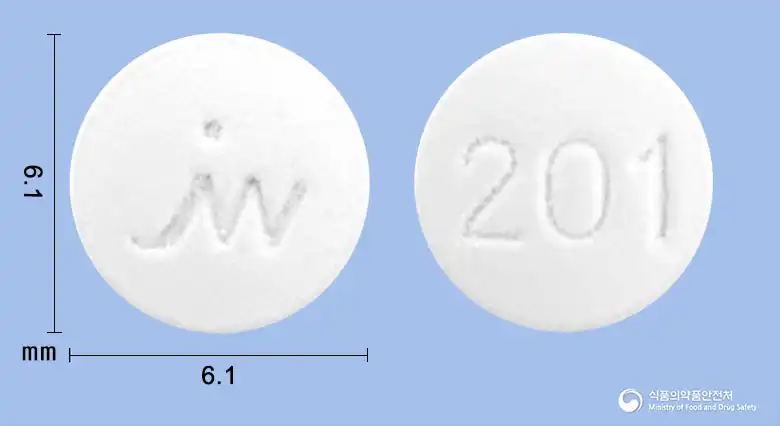
Pitavastatin Calcium Hydrate 1mg
Tablet · Prescription medication
JW Pharmaceutical Corporation

Pitavastatin Calcium Hydrate 2mg
Tablet · Prescription medication
JW Pharmaceutical Corporation
Pitavastatin Calcium 2mg
Tablet · Prescription medication
Youngjin Pharmaceutical Co., Ltd.

Pitavastatin Calcium 2mg
Tablet · Prescription medication
Samchundang Pharmaceutical Co., Ltd.
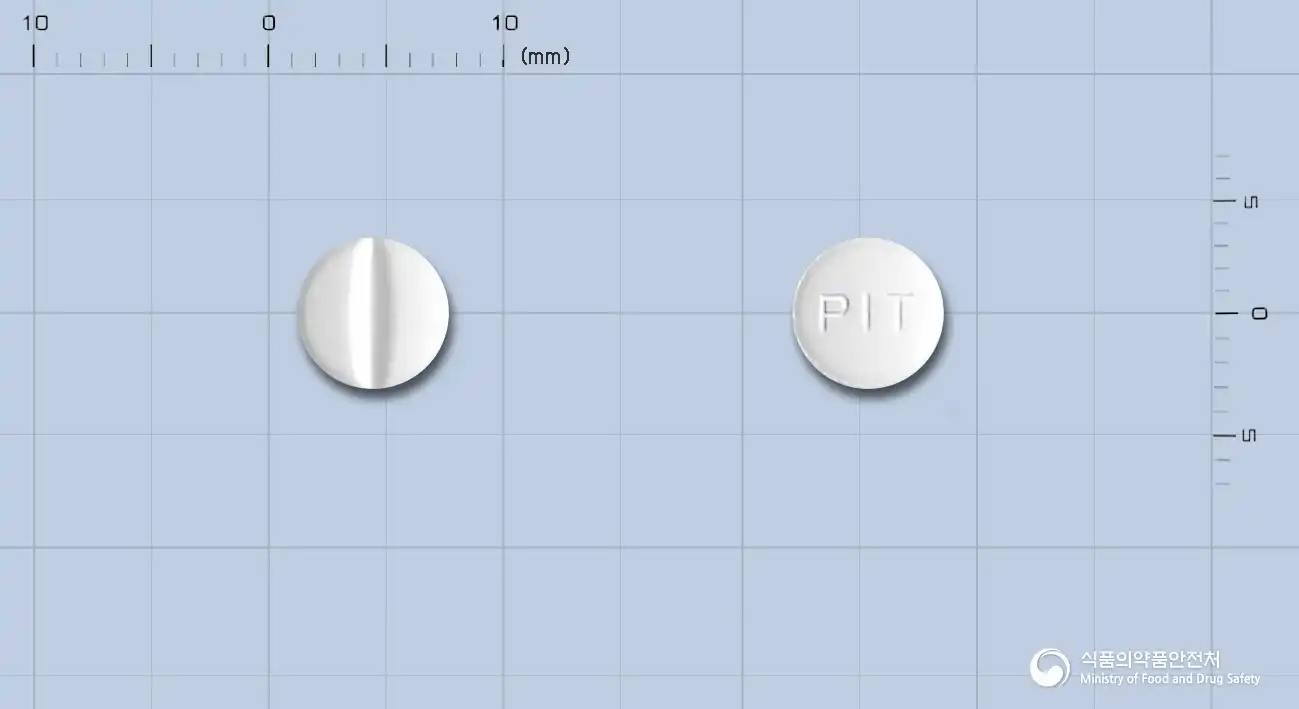
Pitavastatin Calcium 2mg
Tablet · Prescription medication
Daewon Pharmaceutical Co., Ltd.
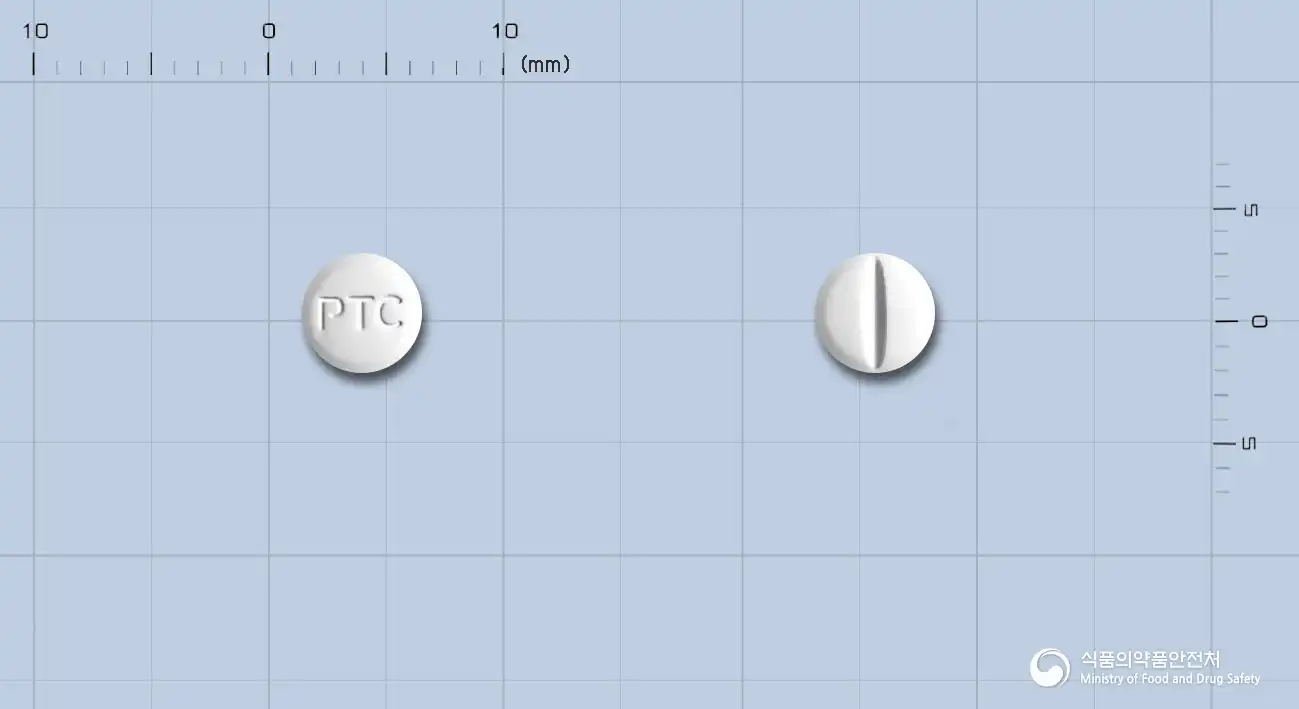
Pitavastatin Calcium 2mg
Tablet · Prescription medication
Samnam Pharmaceutical Co., Ltd.

Pitavastatin Calcium 2mg
Tablet · Prescription medication
Seoul Pharmaceutical Co., Ltd.
Even with the same ingredient, the dose and directions can differ by strength and dosage form. Talk to a doctor or pharmacist before switching from a medication you are already taking.
No questions yet.
For anything that needs medical judgment, consult a doctor or pharmacist.
This drug information is based on data provided by the Korea Ministry of Food and Drug Safety.
Consult a doctor or pharmacist for accurate dosage, administration, and usage instructions.