
 한국어
 English
 日本語
 中文(简体)
 Viewing now
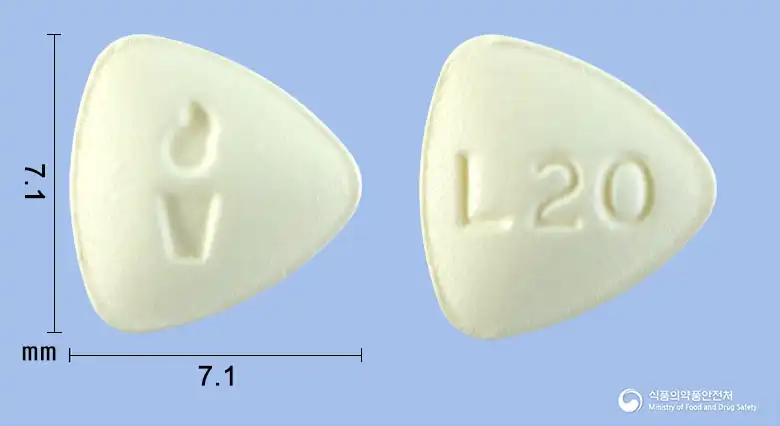
Leflunomide 20 mg (Leflunomide)
Leflunomide 20mg
Tablet · Prescription medication
Samil Pharmaceutical Co., Ltd.
MFDS item code 202009078 · Approved 2020.12.22 · Insurance code 643903830
Treatment of rheumatoid arthritis in adults; relief of symptoms of active psoriatic arthritis
This drug is used for the treatment of rheumatoid arthritis in adult patients, relieving the signs and symptoms of arthritis. It also inhibits structural damage such as joint space narrowing and erosion observed on X-rays, and helps improve impaired physical function due to rheumatoid arthritis. Additionally, it is used to relieve the signs and symptoms of active psoriatic arthritis. This drug can be used in conjunction with aspirin, non-steroidal anti-inflammatory drugs, and low-dose corticosteroids, but use with some other medications may not have been sufficiently studied. Therefore, it is used effectively in the treatment of rheumatoid arthritis and active psoriatic arthritis.
1. Loading dose Given the long half-life of this medicine and the recommended 24-hour dosing interval, treatment is generally initiated with a loading dose to achieve steady-state plasma concentrations more rapidly. Administer 100mg once daily for 3 days as the loading dose. In patients with rheumatoid arthritis, omitting the loading dose may reduce the risk of adverse reactions (see section 5. General Precautions, item 9)). 2. Maintenance dose For patients with rheumatoid arthritis, administer 20mg daily as the maintenance dose. Some patients experienced adverse reactions such as hair loss, weight loss, and increased liver enzyme levels when treated with 25mg daily. Therefore, the maintenance dose should not exceed 20mg daily; in patients with poor clinical tolerability, the maintenance dose may be reduced to 10mg daily. For patients with psoriatic arthritis, administer 20mg daily as the maintenance dose. Monitor liver enzyme levels; dose adjustment may be necessary. (See Warning - Hepatotoxicity.) Because the half-life of the active metabolite of this medicine is prolonged, it may take several weeks for metabolite levels to decrease. Therefore, carefully monitor patients after reducing the dose.
This medication can remain in the body for a long time, so side effects may continue after stopping it. If severe side effects occur or if rapid removal of this drug is necessary, a special medication should be administered for prompt elimination. It may exert strain on the liver, so it is recommended that patients with liver dysfunction or a history of liver disease do not use this medication. Frequent liver function tests should be conducted before and at the start of treatment, and if liver enzyme levels increase, the dose should be reduced or the medication should be discontinued. Careful observation is required when using other medications that may affect the liver, particularly when used in conjunction with certain chemotherapy agents or immunosuppressants. Patients with lung issues or a history of pneumonia or interstitial pneumonia should consult a doctor before using this drug and may need a chest X-ray if necessary. Because it can suppress immune function, it is safe for patients with severe infections or bone marrow dysfunction not to use it. Serious allergic reactions or ulcers may occur on the skin, so if any skin anomalies arise, the medication should be discontinued immediately, and a doctor should be consulted. This drug can pose significant risks to the fetus, so it should not be used during pregnancy or by women who may become pregnant, and immediate consultation with a doctor is advised if pregnancy occurs during treatment. It is also recommended that breastfeeding women do not take this medication. Regular blood tests and liver function tests should be conducted during treatment, especially monthly for the first 6 months. If serious side effects occur, the medication should be stopped, and appropriate treatment should be administered, and a drug elimination process may be required if necessary. Potential interactions with other medications may exist, so if you are taking other drugs, be sure to inform your doctor or pharmacist. Overdose may lead to diarrhea, abdominal pain, blood abnormalities, etc., so it is crucial to adhere to the prescribed dose and seek medical attention promptly in case of overdose. This drug has not been confirmed as safe for children; therefore, it is preferable that it not be administered to those under 18 years of age. Elderly patients may use this drug without special dose adjustment, although caution may be required depending on their condition. Regular monitoring of health status and following the doctor’s instructions for treatment is essential during the use of this medication.
Not everyone experiences these, and they can vary from person to person.
This drug is sensitive to light and should be stored in a container that blocks light. It must also be kept in a sealed container to avoid contact with air, and it is important to maintain storage temperatures below 25 degrees.
Pale yellow triangular film-coated tablet
30 tablets/bottle
Even with the same ingredient, strength, dosage form and how it is taken can differ.
Viewing nowLeflunomide 20mg
Tablet · Prescription medication
Samil Pharmaceutical Co., Ltd.
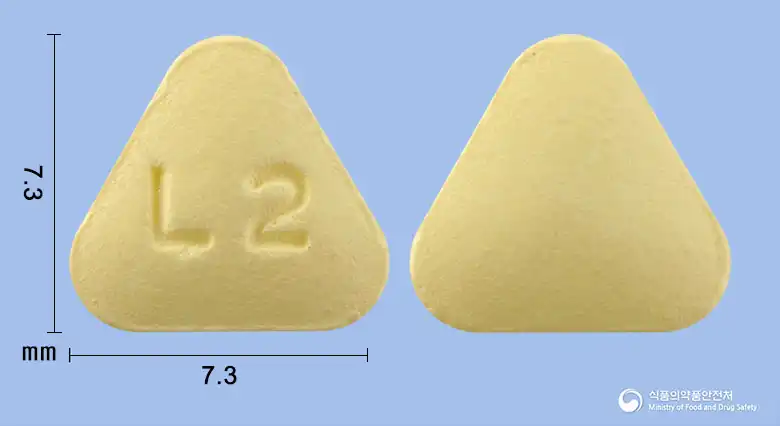
Leflunomide 20mg
Tablet · Prescription medication
Celltrion Pharma, Inc.

Leflunomide 20mg
Tablet · Prescription medication
KPM Pharmaceutical Co., Ltd.
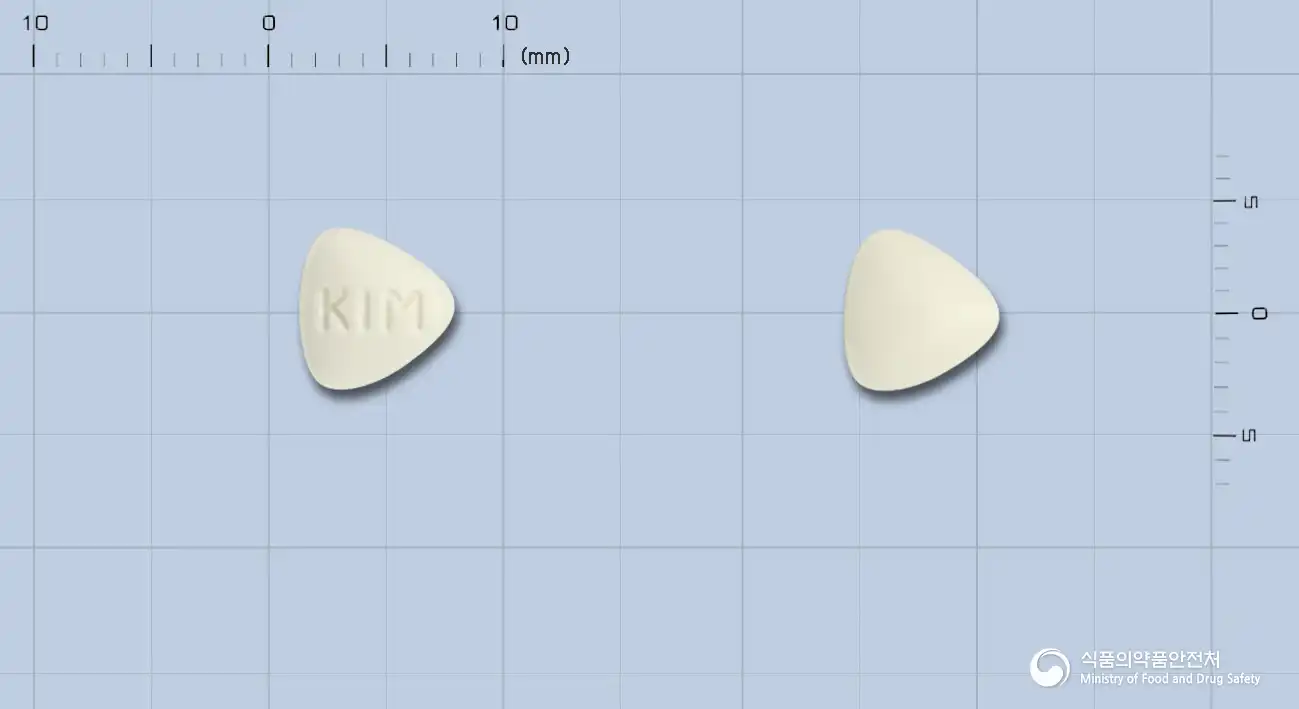
Leflunomide 20mg
Tablet · Prescription medication
Kims Pharmaceutical Co., Ltd.
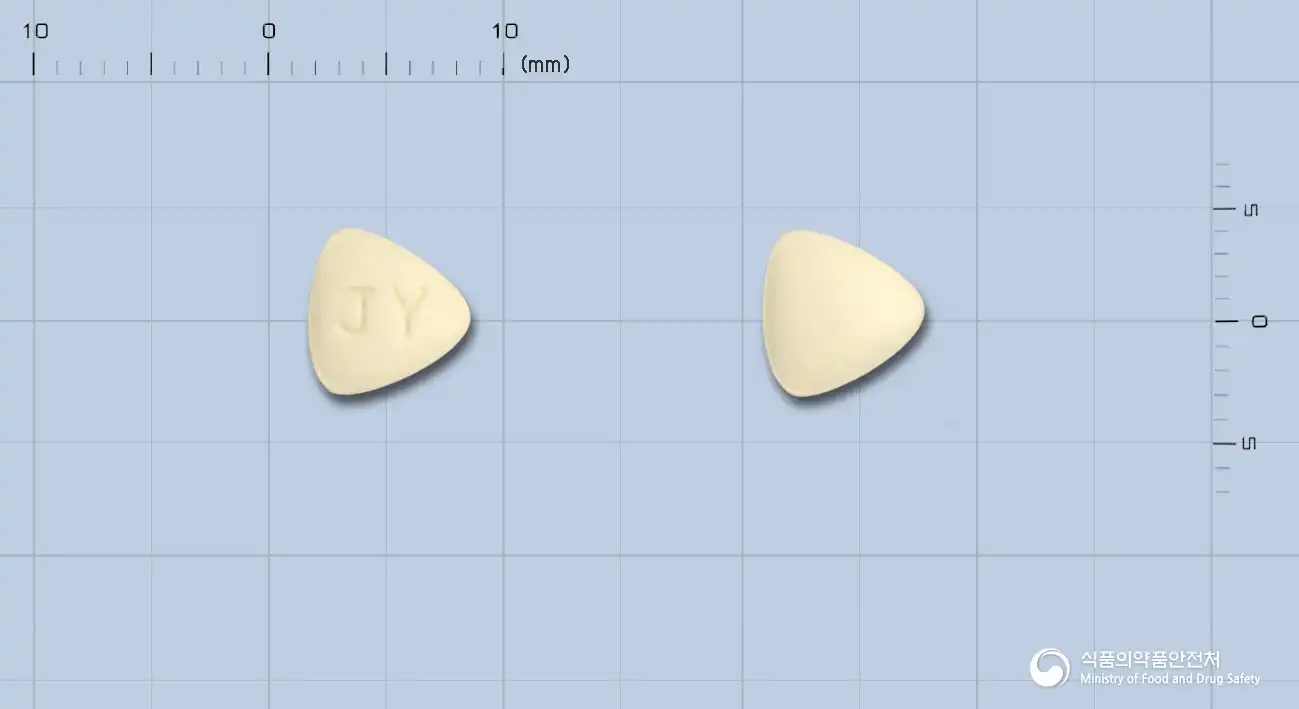
Leflunomide 20mg
Tablet · Prescription medication
Jinyang Pharmaceutical Co., Ltd.
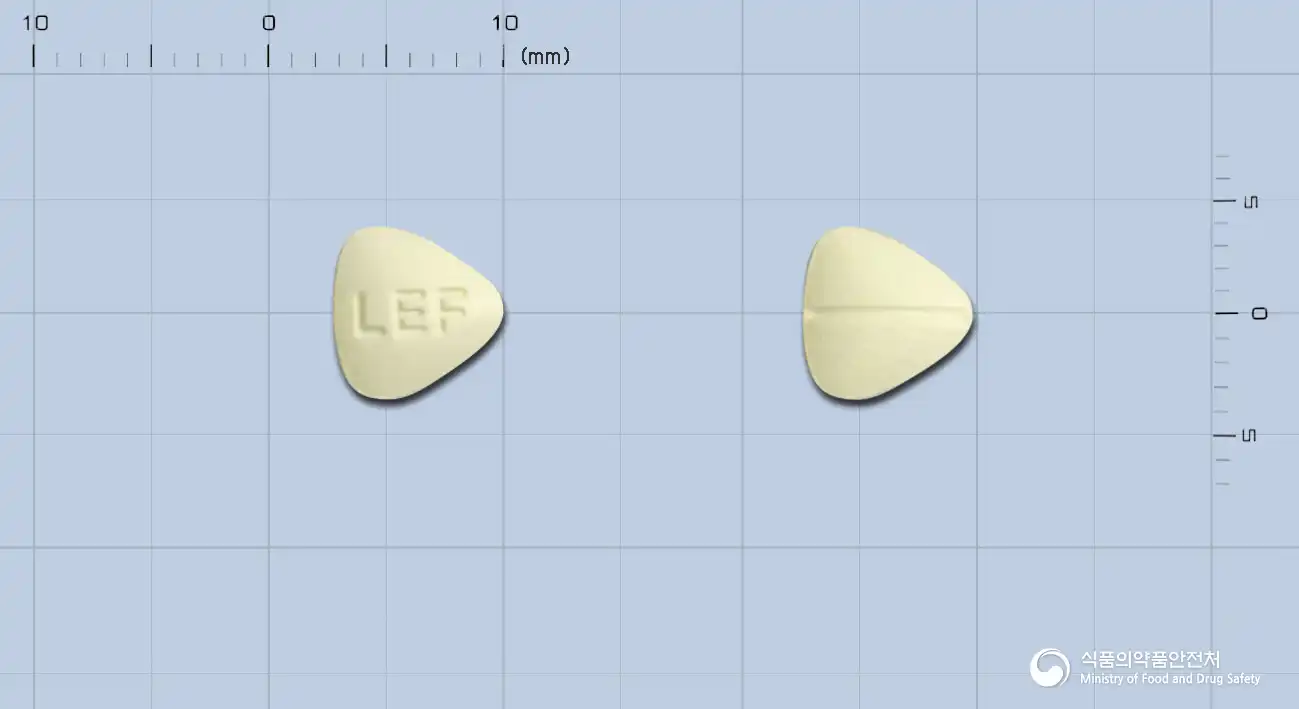
Leflunomide 20mg
Tablet · Prescription medication
Hanlim Pharmaceuticals Co., Ltd.
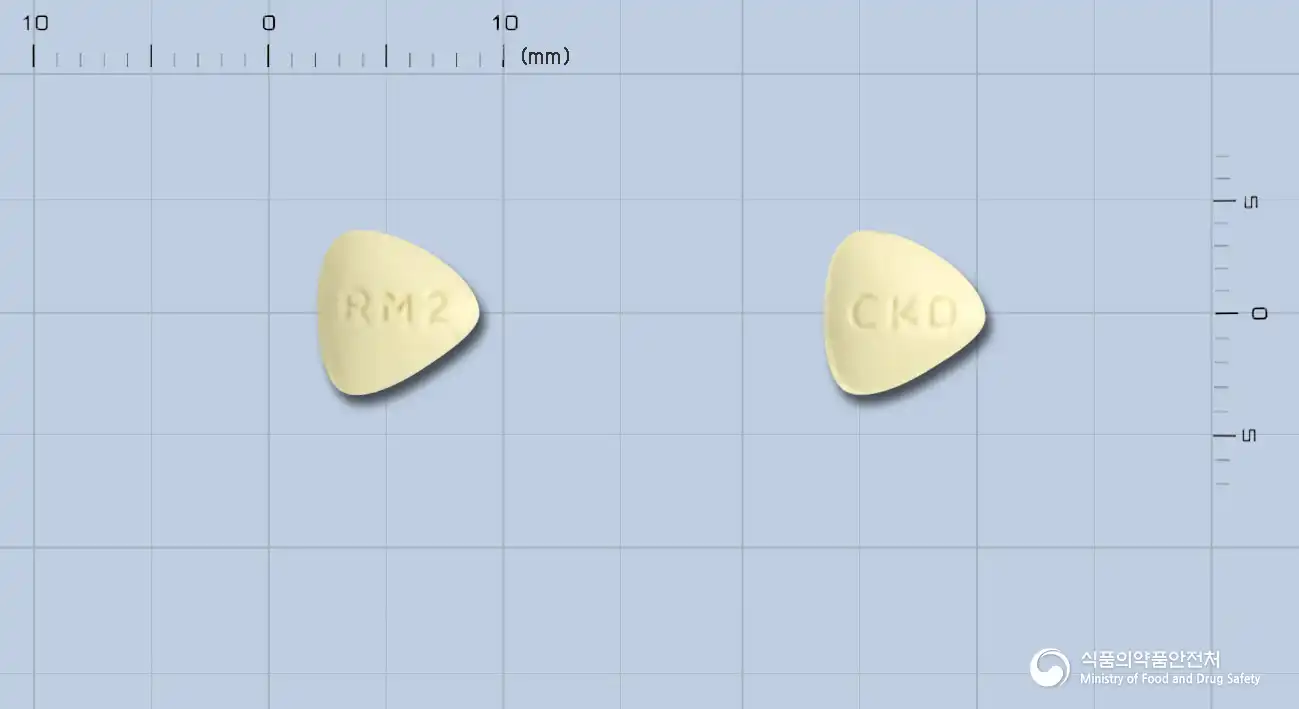
Leflunomide 20mg
Tablet · Prescription medication
Jongkundang Co., Ltd.
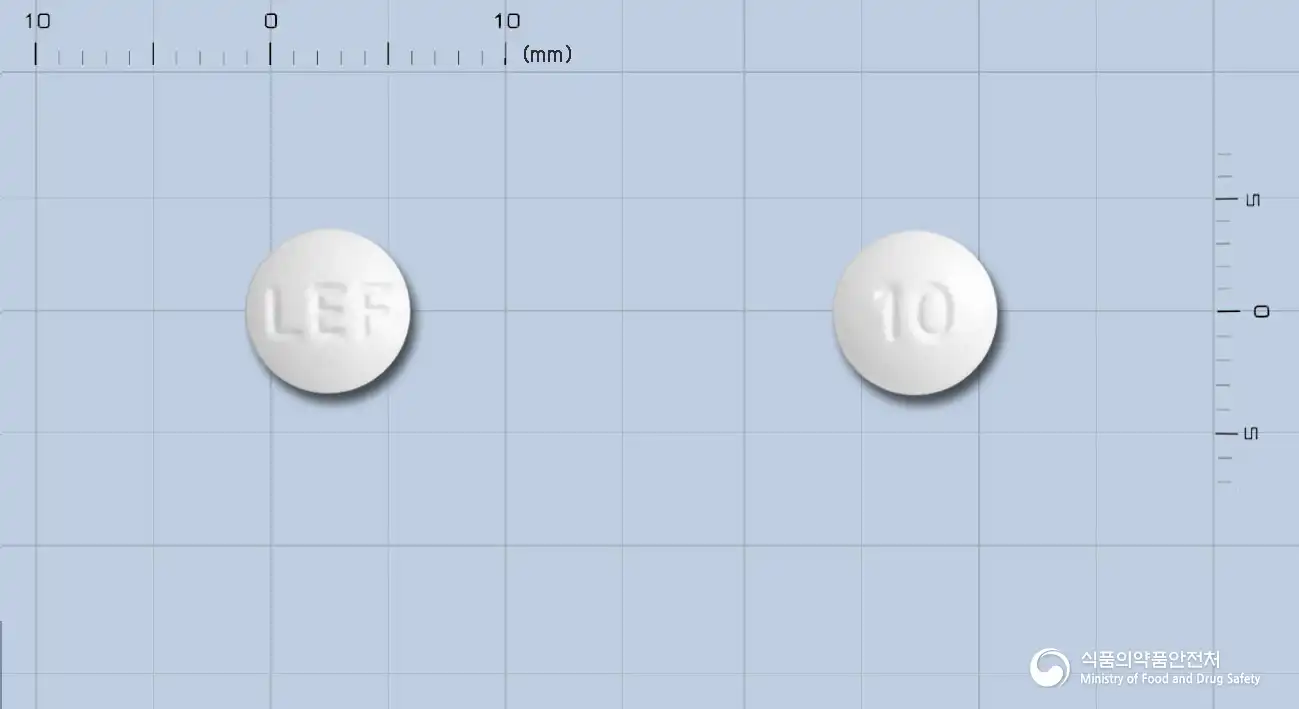
Leflunomide 10mg
Tablet · Prescription medication
Hanlim Pharmaceutical Co., Ltd.
Even with the same ingredient, the dose and directions can differ by strength and dosage form. Talk to a doctor or pharmacist before switching from a medication you are already taking.
No questions yet.
For anything that needs medical judgment, consult a doctor or pharmacist.
This drug information is based on data provided by the Korea Ministry of Food and Drug Safety.
Consult a doctor or pharmacist for accurate dosage, administration, and usage instructions.