
 한국어
한국어 English
 日本語
日本語 中文(简体)
Dosage form image
Viewing nowCombinationHavencoff S Liquid
Acetaminophen 325mg · Guaifenesin 83.2mg +3 more
Solution · OTC medication · Combination
Korea Pharmaceutical Co., Ltd.
MFDS item code 202009037 · Notified 2020.12.18
Relief of cold symptoms (e.g., runny nose, nasal congestion)
This medication is used to relieve common cold symptoms, including runny nose, nasal congestion, sneezing, sore throat, cough, phlegm, chills, fever, headache, joint pain, and muscle pain.
Ages 15 and above: 1 pouch (20mL) once Take three times a day after meals, 30 minutes after eating
Ages 11 to under 15 years: 2/3 pouch once Ages 7 to under 11 years: 1/2 pouch once Ages 3 to under 7 years: 1/3 pouch once Ages 2 to under 3 years: 1
This medication may pose a risk of liver damage if taken regularly by individuals who consume three or more alcoholic beverages daily, and it is essential to consult a physician or pharmacist. The acetaminophen contained in this medication can rarely cause serious skin reactions; therefore, if a rash or hypersensitive reaction occurs, discontinue use immediately. The maximum daily dosage of acetaminophen is 4,000mg; caution should be exercised to not exceed this limit, and it should not be taken with other products containing acetaminophen. The artificial sweetener aspartame included in this medication is broken down into phenylalanine in the body; therefore, individuals with phenylketonuria should not use it. Individuals with a history of specific allergies or who have experienced asthma should not take this medication, nor should infants under three months of age, or individuals currently taking or who have recently stopped taking MAO inhibitors. During treatment, do not take any other oral medications that include cough suppressants, other cold medications, antipyretic analgesics, sedatives, or antihistamines. Infants or children infected with chickenpox or influenza, those with allergic dispositions, organ disease (liver, kidney, or heart diseases), elderly individuals, and pregnant women must consult a professional before use. If any abnormal symptoms such as rash, itching, nausea, dizziness, or insomnia occur during use, discontinue taking the medication and consult medical personnel immediately. Children under two years old should not use this medication except in special circumstances, and adult supervision is required during administration. Follow the prescribed usage and dosage strictly, avoid prolonged use, and refrain from alcohol consumption. Additionally, since drowsiness may occur, it is advisable to avoid driving or operating machinery. Since there is a risk of side effects when used in combination with certain medications, it is advisable to consult a professional if taking other medications. Store this medication out of reach of children and in a cool, dry, and sealed container away from direct sunlight. To maintain quality, it is also recommended not to transfer it to another container.
Not everyone experiences these, and they can vary from person to person.
This medication should not be taken with MAO inhibitors (antidepressants, antipsychotics, mood stabilizers, anti-Parkinson drugs, etc.), cough suppressants (cough and phlegm medications), other cold medications, antipyretic analgesics, sedatives, or antihistamines (oral medications for nasal inflammation, anti-motion sickness medications, allergy medications). Do not use alongside barbiturates, tricyclic antidepressants, alcohol, antihyperglycemics, gout medications, joint pain medications, anticoagulants, steroids, and other medications.
This medication must be stored in a tightly sealed container to avoid exposure to air or moisture. It is essential to maintain storage temperatures between 1 and 30 degrees Celsius.
Red aromatic sweet liquid packed in aluminum foil pouches
6 pouches/box [20 milliliters/pouch * 6]
Even with the same ingredient, strength, dosage form and how it is taken can differ.
Acetaminophen 325mg · Guaifenesin 83.2mg +3 more
Solution · OTC medication · Combination
Korea Pharmaceutical Co., Ltd.
 Combination
Acetaminophen 200mg · Chlorpheniramine Maleate 1.25mg +3 more
Soft capsule · OTC medication · Combination
(Yuhan Corporation)
Acetaminophen 75mg · Chlorpheniramine Maleate 0.9375mg +3 more
Syrup · OTC medication · Combination
Daewon Pharmaceutical Co., Ltd.
Acetaminophen 325mg · Chlorpheniramine Maleate 2.5mg +3 more
Syrup · OTC medication · Combination
Telcon RF Pharmaceutical Co., Ltd.
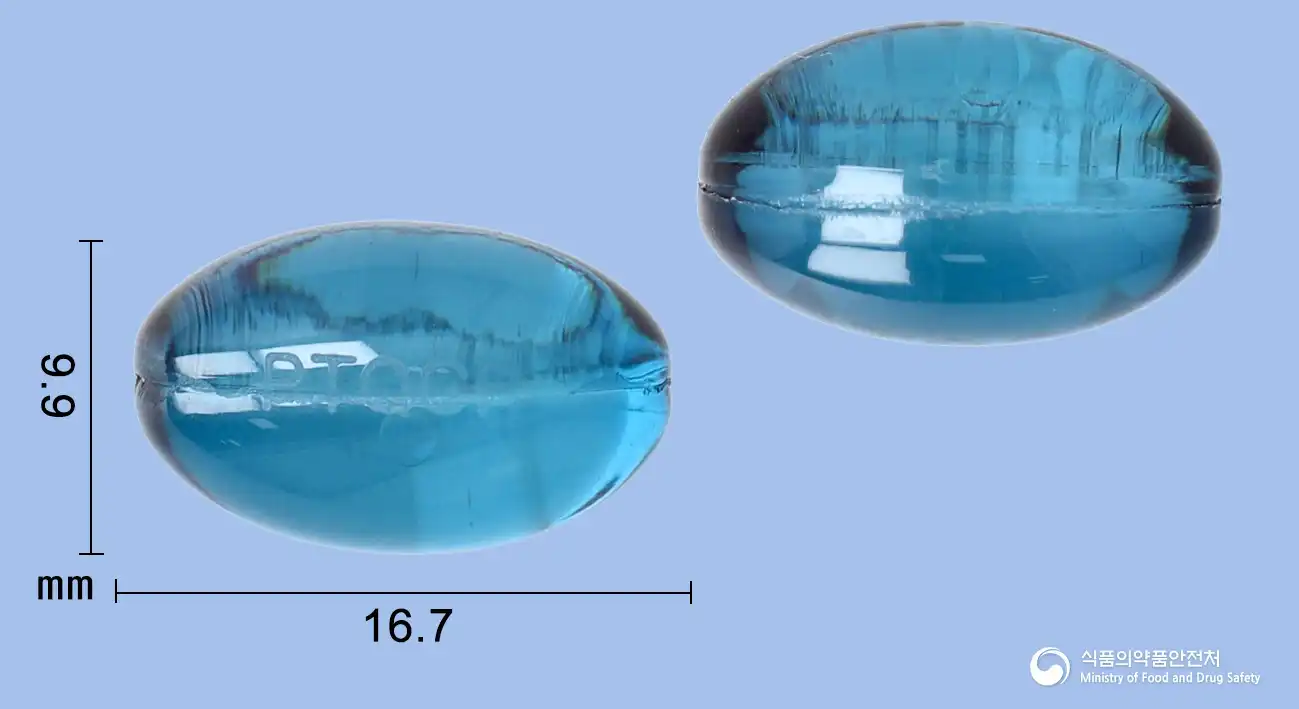 Combination
Acetaminophen 200mg · Chlorpheniramine Maleate 1.25mg +3 more
Soft capsule · OTC medication · Combination
Dong-A Pharmaceutical Co., Ltd.
Acetaminophen 37.5mg · Chlorpheniramine Maleate 0.4688mg +3 more
Syrup · OTC medication · Combination
Kyungbang Pharmaceutical Co., Ltd.
Acetaminophen 150mg · Chlorpheniramine Maleate 1mg +3 more
Syrup · OTC medication · Combination
Daewon Pharmaceutical Co., Ltd.
Even with the same ingredient, the dose and directions can differ by strength and dosage form. Talk to a doctor or pharmacist before switching from a medication you are already taking.
QCan I give it to a baby who is one year old?
Answers 1 · 2026.09.14
QHow much should I give to my 5-year-old child?
Answers 1 · 2026.09.14
For anything that needs medical judgment, consult a doctor or pharmacist.
This drug information is based on data provided by the Korea Ministry of Food and Drug Safety.
Consult a doctor or pharmacist for accurate dosage, administration, and usage instructions.