
 한국어
 English
 日本語
 中文(简体)
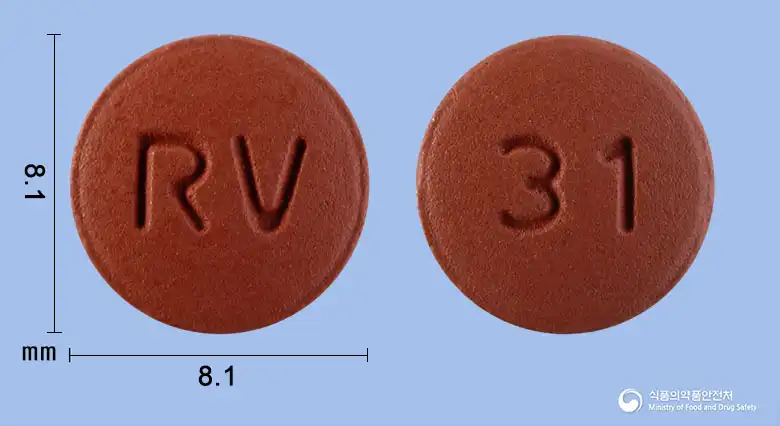 Viewing nowCombination
Rovastatin 20/80 mg Tablets
Rosuvastatin Calcium 20.8mg · Valsartan 80mg
Tablet · Prescription medication · Combination
Genewon Science Co., Ltd.
MFDS item code 202008931 · Approved 2020.12.17 · Insurance code 671706720
Improves hyperlipidemia and atherosclerosis, treats hypertension and heart failure, and reduces cardiovascular risk and post-infarction mortality
This medication is used for patients who require simultaneous administration of two drugs, valsartan and rosuvastatin. Valsartan is primarily used for the treatment of essential hypertension and heart failure and is especially suitable for heart failure patients who cannot tolerate ACE inhibitors. It also helps reduce the risk of death in stable patients with left ventricular dysfunction after myocardial infarction. Rosuvastatin is used for lipid disorders such as primary and familial hypercholesterolemia, and combined hyperlipidemia, and is utilized as an adjunct therapy when diet and exercise are insufficient. This medication is effective in reducing the risk of stroke, myocardial infarction, and arterial revascularization in patients at high cardiovascular risk. Therefore, this medication improves the prevention and treatment of cardiovascular diseases by controlling blood pressure and cholesterol.
This medicine is for use in adults only. The dose should be individualized for each patient based on the efficacy and tolerability of the valsartan and rosuvastatin components. ◆ Valsartan 1. Essential hypertension Take with water during a meal or between meals. If possible, it is recommended that the medicine be taken at the same time each day (e.g., in the morning). 1) Adults: The recommended dose is 80 mg of valsartan orally once daily, regardless of sex or race. The blood pressure-lowering effect develops gradually within 2 weeks and reaches its maximum effect after 4 weeks. For patients whose blood pressure is not adequately controlled, the dose may be increased to 160 mg once daily, or a diuretic may be coadministered. If further blood pressure reduction is needed, the dose may be increased to a maximum of 320 mg once daily. 2) Elderly patients (75 years or older): Initiate treatment with 40 mg of this medicine once daily. 3) Patients with renal impairment: (1) Creatinine clearance 20 ∼ 50 mL/min: No dose adjustment is required. (2) Creatinine clearance 10 ∼ 20 mL/min: Initiate treatment with 40 mg of this medicine once daily. (3) Creatinine clearance less than 10 mL/min and patients on dialysis: Do not administer this medicine. 4) Patients with volume depletion: In patients with volume depletion (e.g., patients taking high doses of diuretics whose dose cannot be reduced), initiate treatment with 40 mg of this medicine once daily. 5) Patients with hepatic impairment: In patients with mild or moderate hepatic impairment, initiate treatment with 40 mg of this medicine once daily; the dose should not exceed 80 mg once daily. Do not administer this medicine to patients with severe hepatic impairment, cirrhosis, or cholestasis. 2. Heart failure Adults: The recommended initial dose is 40 mg of this medicine orally twice daily. The dose may be increased to 80 mg or 160 mg per dose. When coadministering a diuretic, a reduction in the diuretic dose should be considered. The maximum daily dose is 320 mg, given in divided doses. Triple combination therapy with this medicine, an ACE inhibitor, and a beta-blocker is not recommended. 3. Reduction of the risk of death after myocardial infarction Adults: Treatment may be initiated within 12 hours of the onset of myocardial infarction. The recommended initial dose is 20 mg of this medicine twice daily. Thereafter, over several weeks, increase the dose according to the patient's tolerability, to 40 mg, 80 mg, and 160 mg per dose twice daily. Consider dose reduction if symptoms of hypotension or renal failure occur. This medicine may also be administered to patients receiving other treatments after myocardial infarction (e.g., thrombolytic agents, acetylsalicylic acid, beta-blockers, and statins). However, coadministration with an ACE inhibitor is not recommended. 4. Patients with renal impairment: No dose adjustment is required when creatinine clearance is 10 mL/min or higher. However, do not administer this medicine to patients with creatinine clearance less than 10 mL/min or to patients on dialysis, as there is no experience with its use in these patients. 5. Patients with hepatic impairment: In patients with mild or moderate hepatic impairment, the daily dose of this medicine should preferably not exceed 80 mg. If administering 80 mg or more daily, consider whether the benefits of treatment outweigh the risks when increasing the dose. Do not administer this medicine to patients with severe hepatic impairment, cirrhosis, or cholestasis. ◆ Rosuvastatin 1. Primary hypercholesterolemia (type IIa, including heterozygous familial hypercholesterolemia), mixed dyslipidemia (type IIb), primary dysbetalipoproteinemia (type III), and homozygous familial hypercholesterolemia Patients should follow a standard cholesterol-lowering diet before and during treatment with this medicine and continue it throughout the treatment period. This medicine may be taken at any time of day, with or without food. The initial dose is 5 mg once daily. If a greater reduction in LDL cholesterol is needed, the dose may be adjusted to the maintenance dose. The maintenance dose is 10 mg once daily, which controls the condition in most patients. The maintenance dose should be adjusted appropriately at intervals of 4 weeks or longer based on LDL cholesterol levels, treatment goals, and patient response, and may be increased to a maximum of 20 mg once daily. 2. Elderly patients: No dose adjustment is required. 3. Patients with renal impairment: No dose adjustment is required in patients with mild or moderate renal impairment. Do not administer this medicine to patients with severe renal impairment. Exercise particular caution when administering 20 mg of this medicine to patients with moderate renal impairment. 4. Patients with hepatic impairment: No increase in systemic exposure to rosuvastatin was observed in patients with a Child-Pugh score of 7 or less, but an increase was observed in patients with a Child-Pugh score of 8 or 9. Renal function testing should be considered in these patients. There is no experience with administration to patients with a Child-Pugh score greater than 9. Do not administer this medicine to patients with active liver disease. 5. Race: Because systemic exposure to this medicine is increased in Asian patients, the recommended initial dose is 5 mg. Administration of the 40 mg dose is contraindicated. 6. Patients predisposed to myopathy: The recommended initial dose for patients predisposed to myopathy is 5 mg. Administration of the 40 mg dose of this medicine is contraindicated in some of these patients. For patients taking valsartan and rosuvastatin concomitantly, these medicines may be switched to this medicine (a combination product containing the same amount of each active ingredient) for convenience of administration.
Essential hypertension: Safety and efficacy have not been established in children and adolescents under 18 years of age. Reduction in the risk of death in heart failure and after myocardial infarction: Safety and efficacy have not been established in children and adolescents under 18 years of age.
This medication can cause serious harm to the fetus if taken during pregnancy, especially in the second and third trimesters, so it should be discontinued immediately if pregnancy is confirmed. This medication should not be administered to patients with allergic reactions, severe liver disease, severe renal failure, or certain muscle diseases. Caution is needed for elderly patients, patients with high potassium levels, and those with compromised liver function, and regular liver function tests should be performed. If symptoms of muscle pain or weakness occur, consult a doctor immediately; in severe cases, medication may be stopped. This medication can affect kidney function or potassium levels when taken with other antihypertensives, diuretics, or potassium supplements, so it should be taken under a doctor's guidance. Adverse effects such as interstitial lung disease, liver function abnormalities, and increased blood sugar may occur, so it is important to notify if symptoms arise. Extra caution should be exercised if consuming alcohol heavily or if there are liver problems during the use of this medication, and liver function tests should be monitored. This medication is not recommended for children or adolescents as its safety and effectiveness have not been established. In case of overdose, since there is no specific antidote, seek immediate medical attention for appropriate treatment. Keep this medication out of the reach of children and do not transfer it to another container for safety.
Not everyone experiences these, and they can vary from person to person.
This medication is sensitive to light, so it should be stored in an opaque container to prevent light exposure. Additionally, it is important to store the medication at a temperature between 1 and 30 degrees Celsius to maintain its efficacy.
Brown, round film-coated tablets
30 tablets/box [(10 tablets/PTP)*3]
Even with the same ingredient, strength, dosage form and how it is taken can differ.
Viewing nowCombinationRosuvastatin Calcium 20.8mg · Valsartan 80mg
Tablet · Prescription medication · Combination
Genewon Science Co., Ltd.
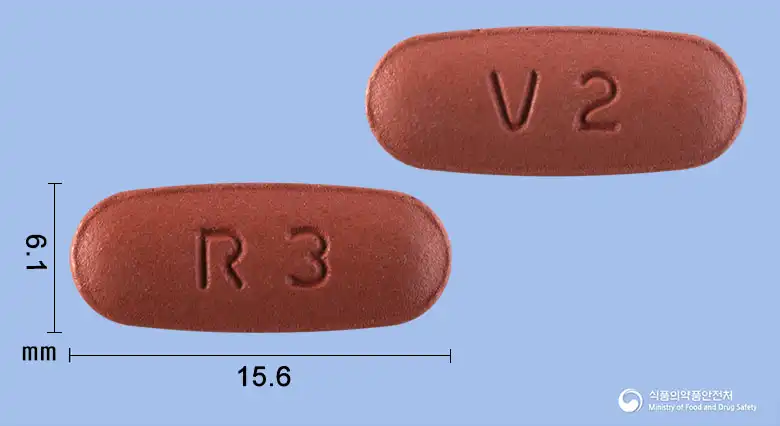 Combination
Rosuvastatin Calcium 20.8mg · Valsartan 160mg
Tablet · Prescription medication · Combination
Dongkwang Pharmaceutical Co., Ltd.
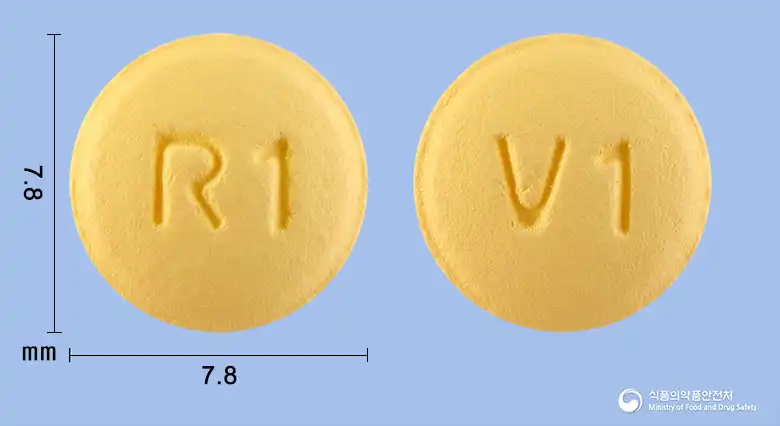 Combination
Rosuvastatin Calcium 5.2mg · Valsartan 80mg
Tablet · Prescription medication · Combination
Dongkwang Pharmaceutical Co., Ltd.
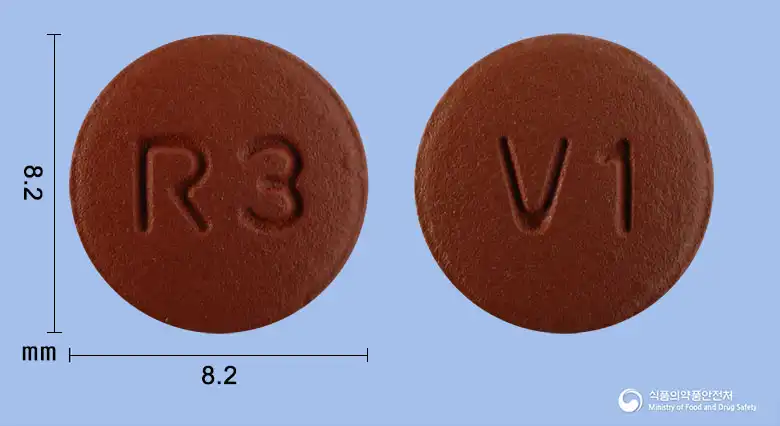 Combination
Rosuvastatin Calcium 20.8mg · Valsartan 80mg
Tablet · Prescription medication · Combination
Dongkwang Pharmaceutical Co., Ltd.
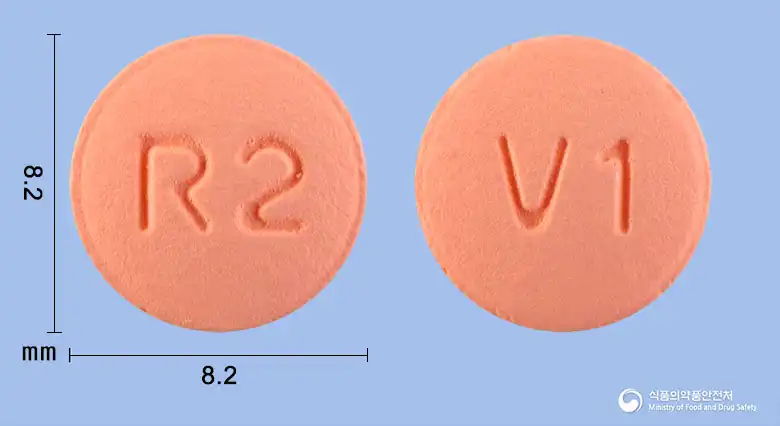 Combination
Rosuvastatin Calcium 10.4mg · Valsartan 80mg
Tablet · Prescription medication · Combination
Dongkwang Pharmaceutical Co., Ltd.
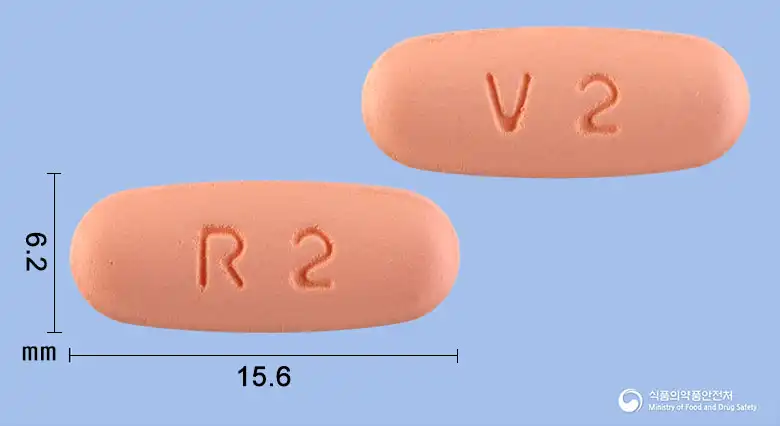 Combination
Rosuvastatin Calcium 10.4mg · Valsartan 160mg
Tablet · Prescription medication · Combination
Dongkwang Pharmaceutical Co., Ltd.
Rosuvastatin Calcium 20.8mg · Valsartan 160mg
Tablet · Prescription medication · Combination
Medika Korea Co., Ltd.
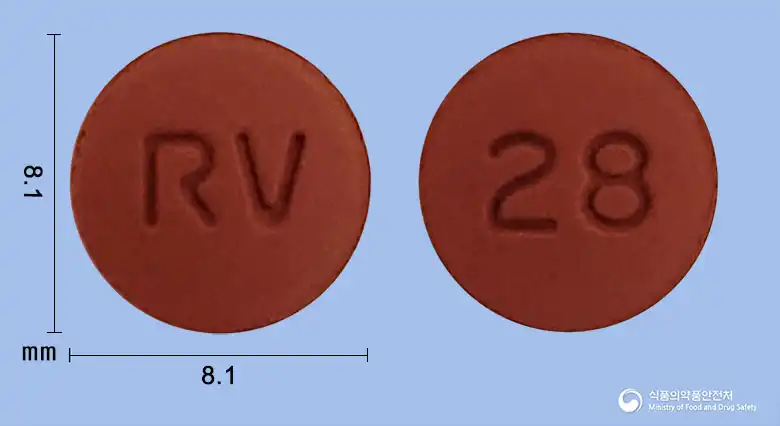 Combination
Rosuvastatin Calcium 20.8mg · Valsartan 80mg
Tablet · Prescription medication · Combination
Medica Korea Co., Ltd.
Even with the same ingredient, the dose and directions can differ by strength and dosage form. Talk to a doctor or pharmacist before switching from a medication you are already taking.
No questions yet.
For anything that needs medical judgment, consult a doctor or pharmacist.
This drug information is based on data provided by the Korea Ministry of Food and Drug Safety.
Consult a doctor or pharmacist for accurate dosage, administration, and usage instructions.