
 한국어
한국어 English
 日本語
日本語 中文(简体)
Dosage form image
Viewing nowDapa Tablet 10 mg (Dapagliflozin)
Dapagliflozin 10mg
Tablet · Prescription medication
Kips Biopharma Co., Ltd.
MFDS item code 202008794 · Approved 2020.12.15
This product's status changed to Expired on 2025.12.15. It may no longer be sold, so consult a doctor or pharmacist before taking it.
Improvement of blood sugar control in type 2 diabetes
This medication is used to assist in the control of blood sugar levels in patients with type 2 diabetes. It can be administered as an adjunct to diet and exercise therapy, and initially, it is used as monotherapy. However, if blood sugar control is insufficient with monotherapy, it can be prescribed in combination with metformin, sulfonylurea, insulin, sitagliptin, etc. This medication effectively improves blood sugar control in patients through various combination therapies. Therefore, it is used for the control of blood sugar levels in type 2 diabetes.
The recommended dose of this medication for monotherapy and additional combination therapy is 10 mg once daily. For initial combination therapy, the dose is 5 mg or 10 mg once daily. Dosing adjustments are advised for patients with renal impairment, liver impairment, and the elderly. This medication can be taken orally at any time of the day, with or without food, and the tablets should be swallowed whole.
The efficacy and safety of dapagliflozin in pediatric patients under 18 years of age have not been established.
This medication should not be used in patients with a history of allergic reactions to the active ingredient or excipients. It should not be administered to patients with type 1 diabetes or diabetic ketoacidosis. Patients with congenital galactose intolerance, Lapp lactase deficiency, or glucose-galactose malabsorption should not take this medication. Administration is also contraindicated in patients undergoing dialysis. Patients with decreased fluid volume or compromised renal function should use this medication with caution. This medication can cause hypotension or acute kidney injury due to a decrease in intravascular volume; therefore, assessment of fluid status and renal function should be conducted carefully before and during administration. Special caution is necessary for the elderly or patients on diuretics as they may have a higher risk of hypotension. The glycemic control effect of this medication may vary according to renal function, and it is not recommended for patients with severe renal impairment. During treatment with this medication, the risk of genital infections and urinary tract infections may increase. If any symptoms of infection appear, consult with healthcare professionals immediately. When used in conjunction with drugs that have a risk of hypoglycemia, symptoms of hypoglycemia may occur. Therefore, when combined with insulin or sulfonylureas, dosing adjustments may be necessary. If there are signs of decreased fluid volume or dehydration, temporary discontinuation of this medication is advised, and careful management should continue until symptoms improve. This medication is not recommended for use during pregnancy, and it should be discontinued upon confirmation of pregnancy. Additionally, it is safe for breastfeeding women to avoid taking this medication. Safety and efficacy in pediatric patients have not been established, and use should be avoided. In the case of overdose, there are no specific antidotes, so symptomatic treatment should be initiated promptly, and healthcare professionals should be notified immediately if necessary. This medication does not significantly affect driving or operating machinery. However, caution is needed when taken with drugs that have a risk of hypoglycemia.
Diabetic ketoacidosis, volume depletion (including dehydration, hypovolemia, hypotension), liver dysfunction (jaundice), perineal necrosis (fournier gangrene), acute kidney injury, renal dysfunction, urosepsis, pyelonephritis, severe allergic reactions (including urticaria, cold sweat), respiratory distress, asthma attacks, severe neurological symptoms (such as headache, seizures, confusion of consciousness)
Vulvovaginitis, balanitis and related genital infections, urinary tract infections, fungal infections, hypoglycemia, dizziness, constipation, dry mouth, back pain, dysuria, polyuria, nocturia, vulvar itching, genital itching, elevated hematocrit, decreased early treatment creatinine clearance, dyslipidemia, elevated serum creatinine, elevated blood urea, weight loss, urticaria, cold sweat, dermatitis, itching, dyspepsia, nausea, diarrhea,
Not everyone experiences these, and they can vary from person to person.
This medication should be stored in a tightly sealed container to prevent air or moisture ingress and is best kept at room temperature between 1 degree and 30 degrees Celsius. Proper storage will help maintain the effectiveness of the medication and prevent deterioration.
Yellow, double-convex, diamond-shaped film-coated tablet
Bottle - 100 tablets/bottle, PTP - 8 tablets/box [8 tablets/Alu-Alu x 1]
Even with the same ingredient, strength, dosage form and how it is taken can differ.
Dapagliflozin 10mg
Tablet · Prescription medication
Kips Biopharma Co., Ltd.
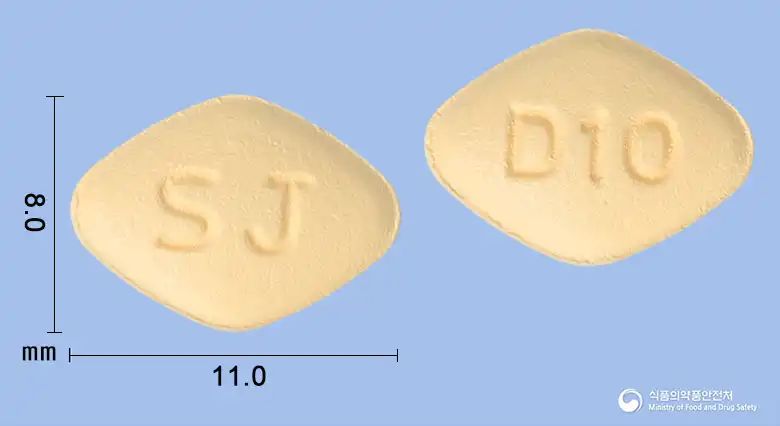
Dapagliflozin 10mg
Tablet · Prescription medication
Samjin Pharmaceutical Co., Ltd.
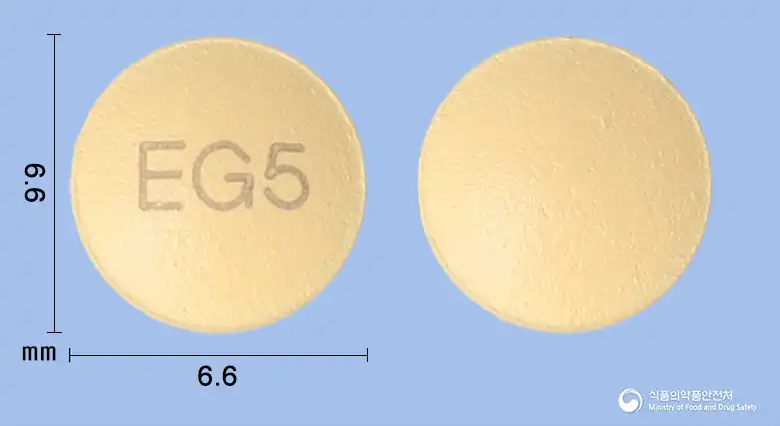
Dapagliflozin 5mg
Tablet · Prescription medication
Jongkundang Co., Ltd.
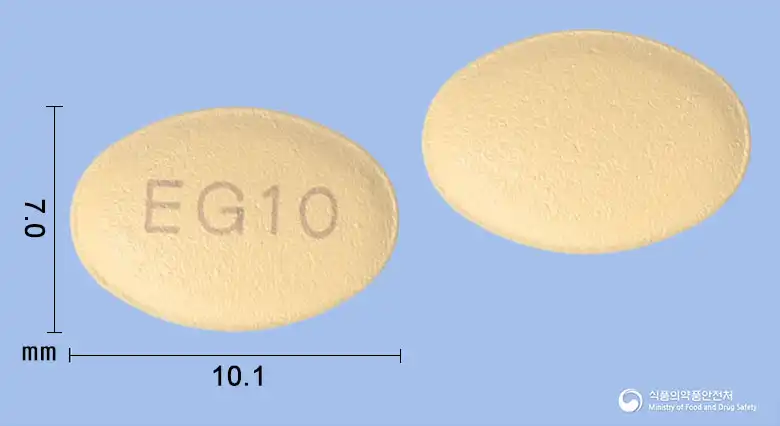
Dapagliflozin 10mg
Tablet · Prescription medication
Jongkundang Co., Ltd.
Dapagliflozin 10mg
Tablet · Prescription medication
Korea Prime Pharma Co., Ltd.
Dapagliflozin 10mg
Tablet · Prescription medication
Withus Pharmaceutical Co., Ltd.
Dapagliflozin 10mg
Tablet · Prescription medication
IYUN Pharmaceutical Co., Ltd.
Dapagliflozin 10mg
Tablet · Prescription medication
Litepharmtech Co., Ltd.
Even with the same ingredient, the dose and directions can differ by strength and dosage form. Talk to a doctor or pharmacist before switching from a medication you are already taking.
No questions yet.
For anything that needs medical judgment, consult a doctor or pharmacist.
This drug information is based on data provided by the Korea Ministry of Food and Drug Safety.
Consult a doctor or pharmacist for accurate dosage, administration, and usage instructions.