
 한국어
한국어 English
 日本語
日本語 中文(简体)
Dosage form image
Viewing nowCombinationEpnoz Syrup
Acetaminophen 325mg · Pseudoephedrine Hydrochloride 30mg +3 more
Syrup · OTC medication · Combination
Telcon RF Pharmaceutical Co., Ltd.
MFDS item code 202008260 · Notified 2020.11.26
This product's status changed to Expired on 2025.11.26. It may no longer be sold, so consult a doctor or pharmacist before taking it.
Relief of cold symptoms (such as runny nose and nasal congestion)
This medication helps alleviate various cold symptoms such as runny nose, nasal congestion, sneezing, sore throat, cough, chills, fever, headache, joint pain, and muscle pain. By taking this medication, patients can effectively reduce the discomfort caused by cold symptoms. It is advisable to use this medication when experiencing cold symptoms to improve discomfort in daily life.
Ages 15 years and older: 1 pouch (20mL) per dose, taken three times daily after meals and 30 minutes later.
Ages 11 to under 15 years: 2/3 pouch per dose; Ages 7 to under 11 years: 1/2 pouch per dose; Ages 3 to under 7 years: 1/3 pouch per dose; Ages 2 to under 3 years: 1/4 pouch per dose.
This medication can put strain on the liver; therefore, individuals who consume more than three alcoholic beverages daily should consult a doctor or pharmacist before taking it. As this medication contains acetaminophen, which can rarely cause serious skin rashes or allergic reactions, it should be discontinued immediately if any skin abnormalities occur. Due to the pseudoephedrine component in this medication, severe skin reactions may occur, so if fever, erythema, or small blisters develop, stop taking the medication and consult a professional. Exceeding the maximum daily dose of acetaminophen can lead to liver damage, so do not take this medication simultaneously with other products containing acetaminophen. The artificial sweetener aspartame in this medication is converted to phenylalanine, so individuals with phenylketonuria should not take this medication. Individuals who have had allergic reactions to this medication or previously experienced asthma attacks, infants under three months old, those taking certain antidepressants, or individuals with severe hypertension or kidney disease should not take this medication. It is safer to avoid taking this medication alongside other cold medicines, antipyretics, sedatives, or antihistamines. Children who have had or are suspected of having chickenpox or influenza, those with specific allergic conditions, and individuals with liver, kidney, or heart diseases, elderly patients, pregnant or nursing women must seek professional advice before taking this medication. If any unusual symptoms such as rash, vomiting, dizziness, or urinary issues occur during use, discontinue the medication immediately and consult a doctor or pharmacist. Children under two years old should generally not take this medication; if absolutely necessary, they should be evaluated by a doctor. Always adhere to the prescribed dosage and duration of use, avoid long-term use, and administer to children under adult supervision. Avoid alcohol during treatment, and since drowsiness may occur, refrain from driving or operating machinery. Care should be taken as the effects of acetaminophen may change when taken with certain medications, and attention should be paid to side effects when taking this medication alongside specific antibiotics.
Not everyone experiences these, and they can vary from person to person.
Store this medication in a tightly closed container to prevent air or moisture from entering. It is best to maintain the storage temperature between 1 degree and 30 degrees Celsius.
Red aromatic sweet syrup packaged in an aluminum foil pouch
6 pouches/box [(20 milliliters/pouch * 6)], 9 pouches/box [(20 milliliters/pouch * 9)]
Even with the same ingredient, strength, dosage form and how it is taken can differ.
Acetaminophen 325mg · Pseudoephedrine Hydrochloride 30mg +3 more
Syrup · OTC medication · Combination
Telcon RF Pharmaceutical Co., Ltd.
Acetaminophen 325mg · Pseudoephedrine Hydrochloride 30mg +3 more
Solution · OTC medication · Combination
Korea Pharma Co., Ltd.
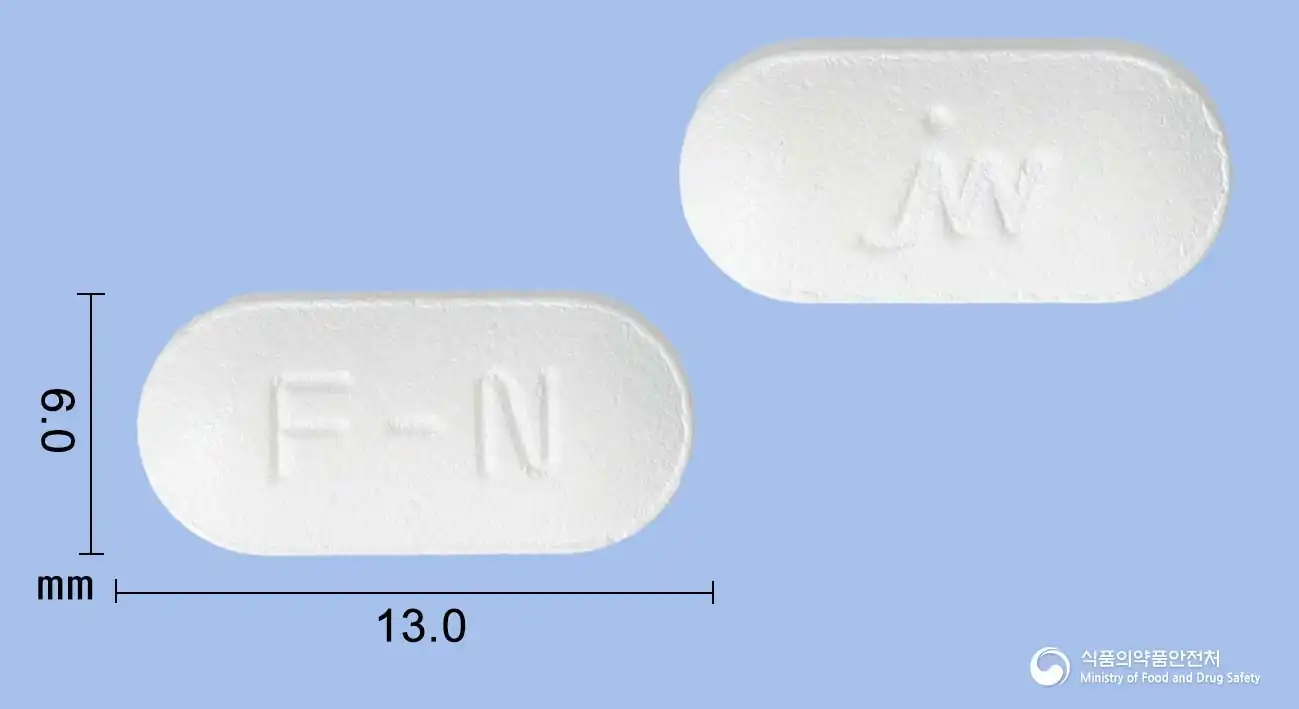 Combination
Acetaminophen 200mg · Pseudoephedrine Hydrochloride 15mg +3 more
Tablet · OTC medication · Combination
JW Pharmaceutical Corp.
Even with the same ingredient, the dose and directions can differ by strength and dosage form. Talk to a doctor or pharmacist before switching from a medication you are already taking.
No questions yet.
For anything that needs medical judgment, consult a doctor or pharmacist.
This drug information is based on data provided by the Korea Ministry of Food and Drug Safety.
Consult a doctor or pharmacist for accurate dosage, administration, and usage instructions.