
 한국어
 English
 日本語
 中文(简体)
Dosage form image
Viewing nowDitrolense Ripe (Cefditoren Pivoxil)
Cefditoren Pivoxil 100mg
Prescription medication
International Pharmaceutical Co., Ltd.
MFDS item code 202008182 · Approved 2020.11.25 · Insurance code 643705121
Treatment of respiratory and ear, nose, and throat infections, urinary tract infections, and other infections (e.g., skin and dental infections)
This medication is effective in treating infections caused by various bacteria, including Staphylococcus, Streptococcus, and Escherichia coli. It is primarily used for skin and soft tissue infections such as lymphangitis, chronic pyoderma, and perianal abscess. It is also effective for respiratory infections like pharyngitis, acute bronchitis, pneumonia, urinary tract infections, otitis media, and sinusitis. It is used for specific infectious diseases such as scarlet fever and whooping cough, and it can also aid oral surrounding infections like periodontitis and temporomandibular joint disorders. This medication improves various bacterial infections and aids in rapid recovery.
Pneumonia, otitis media, sinusitis: Administer 3 mg (potency)/kg of cefditoren pivoxil orally 3 times daily after meals. If necessary, the dose may be increased to 6 mg (potency)/kg per dose. The dose may be adjusted as appropriate according to age and symptoms, but do not exceed 200mg (potency) per dose 3 times daily (600mg (potency) daily). Conditions other than pneumonia, otitis media, and sinusitis: Administer 3 mg (potency)/kg of cefditoren pivoxil orally 3 times daily after meals. The dose may be adjusted as appropriate according to age and symptoms, but do not exceed 200mg (potency) per dose 3 times daily (600mg (potency) daily).
This medication contains the artificial sweetener aspartame, which is broken down into phenylalanine in the body. Therefore, patients with the genetic disorder phenylketonuria should not take this medication. This medication contains milk proteins and lactose, so patients with milk allergies or lactose intolerance should also avoid it. Additionally, patients with a history of shock due to this medication or its components or those with carnitine deficiency should not be administered this medication. Patients who have previously shown allergic reactions to this medication or similar antibiotics, as well as those with a family history of allergies, should use this medication cautiously. Care is also necessary for patients with severely impaired kidney function, elderly patients, or those in poor general condition. This medication can rarely cause serious allergic reactions, liver or kidney function abnormalities, severe colitis, and mucocutaneous syndrome, so if abnormal symptoms occur, discontinue use immediately and consult a physician. This medication may interact with other drugs, so it is not recommended to take it with antacids or certain gastrointestinal medications. Additionally, the safety of this medication has not been established for pregnant or nursing women, so it should be used cautiously only when necessary. Safety has not been sufficiently verified for children, particularly premature infants or newborns, and elderly patients may have elevated drug levels due to decreased kidney function, so dosing intervals should be adjusted. When taking this medication, it should be stored out of reach of children, kept away from moisture and light, and the prescribed dosage and regimen must be followed. Regular monitoring for adverse reactions during the use of this medication is also important.
Not everyone experiences these, and they can vary from person to person.
This medication may be sensitive to light, so it should be stored in a light-blocking, tightly sealed container. The storage temperature should be maintained at room temperature between 1 and 30 degrees Celsius.
A pale yellow to light yellow granular preparation with a slightly unusual odor.
50 grams/bottle
Even with the same ingredient, strength, dosage form and how it is taken can differ.
Cefditoren Pivoxil 100mg
Prescription medication
International Pharmaceutical Co., Ltd.
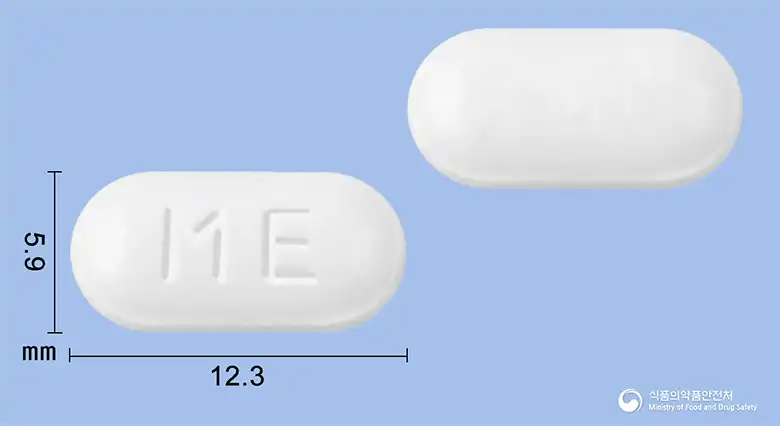
Cefditoren Pivoxil 100mg
Tablet · Prescription medication
Boryung Pharmaceutical Co., Ltd.
Cefditoren Pivoxil 100mg
Prescription medication
Boryung Co., Ltd.
Cefditoren Pivoxil 100mg
Tablet · Prescription medication
Youngjin Pharmaceutical Co., Ltd.
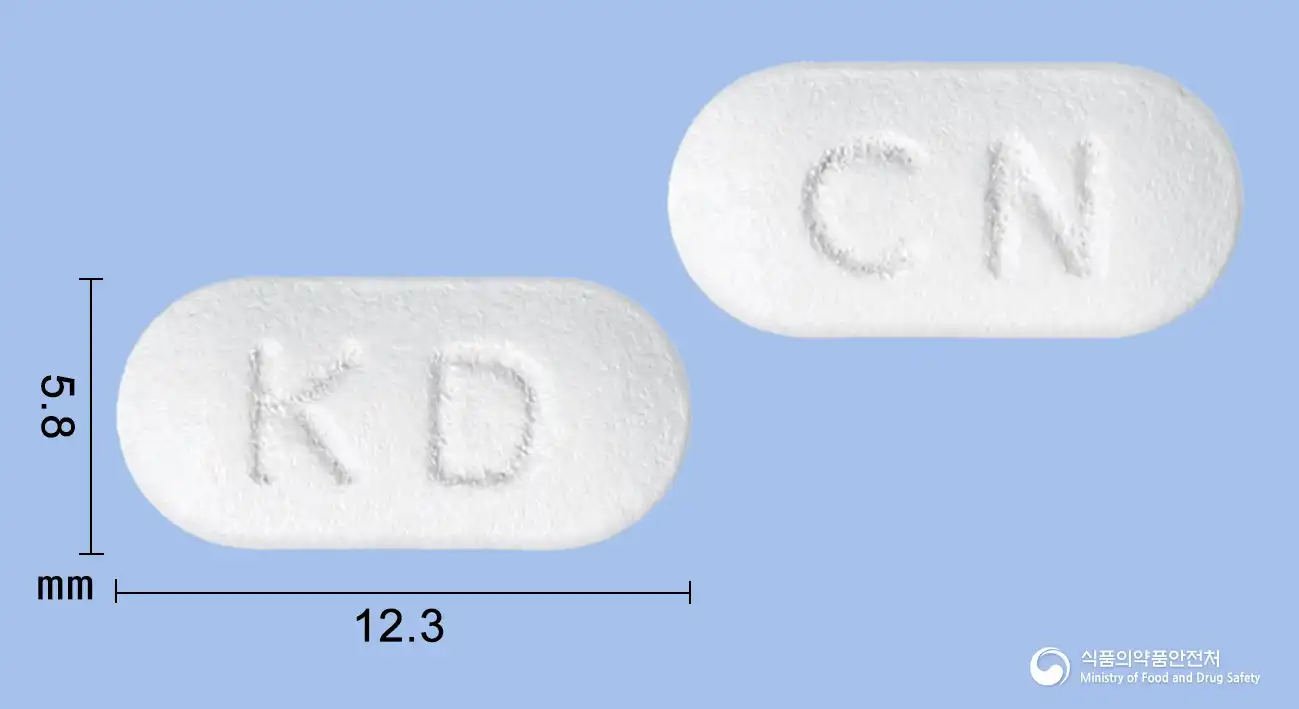
Cefditoren Pivoxil 100mg
Tablet · Prescription medication
Kyung Dong Pharmaceutical Co., Ltd.
Even with the same ingredient, the dose and directions can differ by strength and dosage form. Talk to a doctor or pharmacist before switching from a medication you are already taking.
No questions yet.
For anything that needs medical judgment, consult a doctor or pharmacist.
This drug information is based on data provided by the Korea Ministry of Food and Drug Safety.
Consult a doctor or pharmacist for accurate dosage, administration, and usage instructions.