
 한국어
한국어 English
 日本語
日本語 中文(简体)
Dosage form image
Viewing nowWhite Diclofenac Patch (Diclofenac Sodium)
Diclofenac Sodium 21mg
Patch · OTC medication
White Life Science Co., Ltd.
MFDS item code 202008019 · Notified 2020.11.19
This product's status changed to Expired on 2025.11.19. It may no longer be sold, so consult a doctor or pharmacist before taking it.
Pain relief and anti-inflammatory effects for degenerative arthritis (osteoarthritis) and muscle pain.
This medication can be used for degenerative arthritis, shoulder periarthritis, tendinitis and tenosynovitis, peritendinitis, lateral epicondylitis (tennis elbow), muscle pain, and post-traumatic swelling and pain. It alleviates pain and inflammation associated with these conditions, helping improve the patient's daily life. It primarily reduces inflammation around joints and muscles, reduces pain, and is effective in resolving swelling. Therefore, it is used as an appropriate treatment for managing joint or muscle-related pain.
Adults (15 years and older) should apply 1 patch to the affected area once a day.
This medication must not be used by individuals who have had an allergic reaction to this drug or any of its components. Moreover, those who have had asthma symptoms triggered by aspirin or other non-steroidal anti-inflammatory drugs should exercise caution, as severe asthma attacks may occur with this drug. Safety has not been established for children under 15 years old, so its use is not recommended. It should not be used during the last three months of pregnancy due to risks to the fetus and mother. When using this drug, it should not be combined with other anti-inflammatory pain relievers of the same class or other diclofenac formulations. Individuals with bronchial asthma or inflammation accompanied by an infection, as well as those with chronic diseases such as chronic arthritis, must consult with a doctor or pharmacist before use. Its safety is also uncertain during the early to mid stages of pregnancy, so it should be used for the minimum duration and dose necessary only if absolutely needed. Breastfeeding women should refrain from using this medication as it may pass into breast milk. Elderly patients are at higher risk for heart, gastrointestinal, and kidney issues with this medication, so it should be used carefully at the minimum effective dose. If serious skin reactions such as red spots, rash, itching, or blisters occur while using this drug, use should be discontinued immediately and a doctor should be consulted. Additionally, there is a rare chance of allergic reactions, angioedema, or worsening asthma, so caution is advised. While this drug helps alleviate pain and inflammation symptoms, it is not a treatment for the underlying cause; therefore, if symptoms persist, consultation with medical personnel is necessary. After two weeks of use, it is necessary to reevaluate the treatment effect and the occurrence of side effects. It should not be used on the eyes or mucous membranes, and should also be avoided on areas of the skin that are damaged or have eczema or rash. Use of occlusive dressings should be avoided, and when there is skin damage, temporary irritation or numbness may occur, so caution is warranted. There may be a risk of seizures when used with certain antibiotics, so immediate treatment is required if abnormal symptoms arise. In the case of overdose, serious side effects such as hypotension, kidney function decline, seizures, gastrointestinal disorders, and respiratory depression may occur, so caution is necessary. This medication may pose a risk of kidney function deterioration when used with some diuretics, so close monitoring should be undertaken. It may also cause serious gastrointestinal problems such as gastric bleeding, ulcers, and perforation; therefore, when used with drugs that have a high risk of bleeding, monitoring through blood tests is advised. This medication should be kept out of reach of children, stored away from direct sunlight, and kept in a cool, dry place. It should be stored in its original container, as transferring it to a different container may pose a risk of misuse or degradation of quality.
Hives, severe swelling, chest tightness, difficulty breathing, cold sweats, pallor, severe rash accompanied by high fever, blisters, sloughing of skin, pain of oral/ocular mucosa, severe adverse skin reactions (Stevens-Johnson syndrome, toxic epidermal necrolysis), respiratory issues (asthma attacks, breathing abnormalities with cough and fever), liver abnormalities (symptoms of jaundice), severe neurological symptoms (seizures), severe swelling or urination abnormalities (angioedema, severe edema), hypotension.
Not everyone experiences these, and they can vary from person to person.
This medication should be stored in a sealed container that can block light, and it is safe to store at room temperature between 1 degree and 30 degrees Celsius. Proper storage helps maintain the drug's effectiveness and prevent degradation.
A patch containing a colorless to pale yellow adhesive substance applied to a support, covered with a release liner on the solid surface.
7 patches/package, 10 patches/package
Even with the same ingredient, strength, dosage form and how it is taken can differ.
Diclofenac Sodium 21mg
Patch · OTC medication
White Life Science Co., Ltd.

Diclofenac Sodium 25mg
Tablet · Prescription medication
Dongkwang Pharmaceutical Co., Ltd.
Diclofenac Sodium 75mg
Prescription medication
Ajou Pharmaceuticals Co., Ltd.
Diclofenac Sodium 37.5mg
Prescription medication
Hwanin Pharmaceutical Co., Ltd.
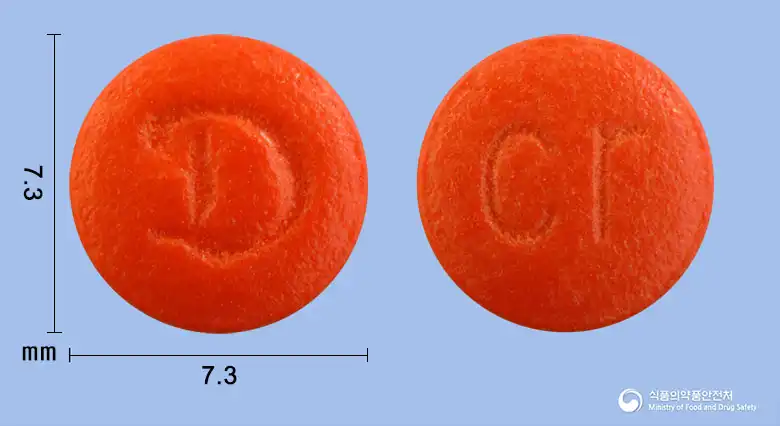
Diclofenac Sodium 25mg
Tablet · Prescription medication
GL Pharma Co., Ltd.
Diclofenac Sodium 75mg
Solution · Prescription medication
YuYoung Pharmaceutical Co., Ltd.
Diclofenac Sodium 37.5mg
Prescription medication
Daehwa Pharmaceutical Co., Ltd.
Diclofenac Sodium 37.5mg
Prescription medication
Dongkwang Pharmaceutical Co., Ltd.
Even with the same ingredient, the dose and directions can differ by strength and dosage form. Talk to a doctor or pharmacist before switching from a medication you are already taking.
No questions yet.
For anything that needs medical judgment, consult a doctor or pharmacist.
This drug information is based on data provided by the Korea Ministry of Food and Drug Safety.
Consult a doctor or pharmacist for accurate dosage, administration, and usage instructions.