Medication info

Rasagiline Extended-Release Tablets 0.375 mg (Pramipexole Dihydrochloride Monohydrate)

Prescription medicationTabletOralExpired
Ingredient · strength
Pramipexole Dihydrochloride Monohydrate›0.375mg / 1 tablet
Manufacturer / importer
Hanin Pharmaceutical Co., Ltd.
Appearance
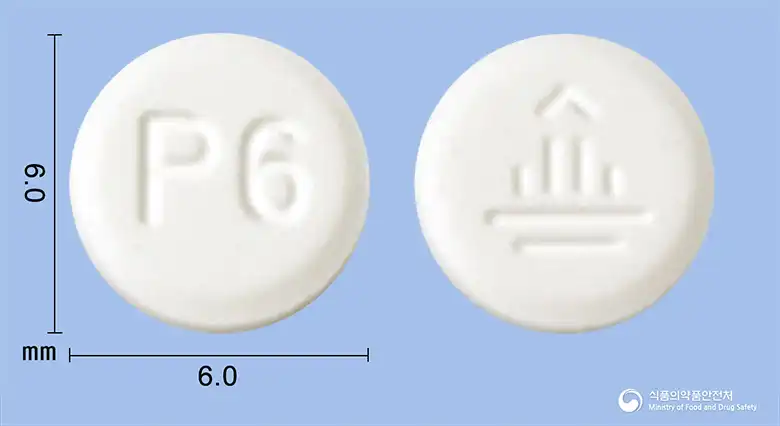
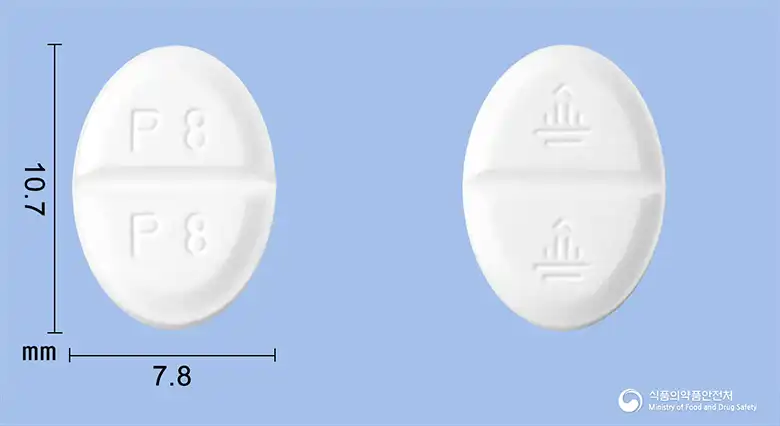
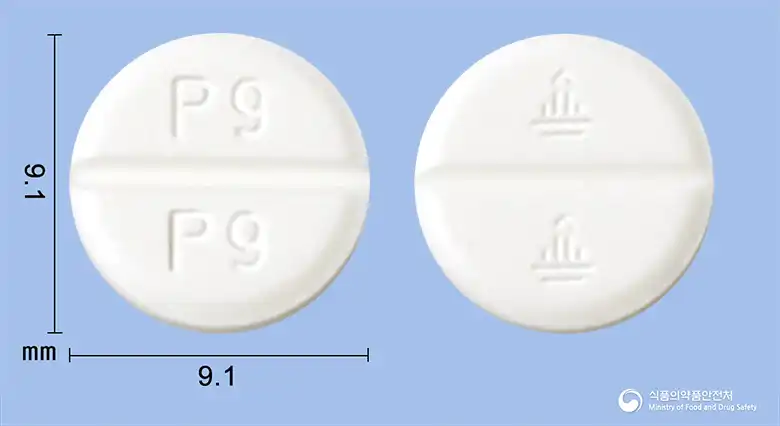
White or light gray, convex, round extended-release tablets
Packaging
100 tablets/PTP [10 tablets/PTP x 10 units]
Approval status
Expired

MFDS item code 202008000 · Approved 2020.11.19

This product's status changed to Expired on 2025.11.19. It may no longer be sold, so consult a doctor or pharmacist before taking it.

Summary

Main use
Treatment of idiopathic Parkinson's disease
Who takes it
Adults
Adult dose
Take this medicine once daily at the same time with water. Swallow it whole; do not chew, divide, or crush it. It may be taken with or without food. If you miss a dose, take this medicine within 12 hours after the scheduled dose time. If more than 12 hours have passed, skip the missed dose and take the next dose according to the regular schedule. 1. Patients with normal renal function 1) Initiation regimen Week 1: Total daily dose 0.375mg, dose 0.375mg Week 2: Total daily dose 0.75mg, dose 0.75mg Week 3: Total daily dose 1.50mg, dose 1.50mg The initial total daily dose is 0.375mg/day and should be increased gradually. Dose increases should be made approximately once every 5-7 days and no more frequently. If intolerable adverse reactions do not occur, the dose may be increased up to the maximum therapeutic dose. The increases recommended based on clinical trials are as follows. If further increases are needed, the dose may be increased by 0.75mg at 1-week intervals up to a maximum daily dose of 4.5mg. Patients already taking immediate-release pramipexole may be switched to the same daily dose of this product, with the first dose taken the following night. 2) Maintenance regimen The dose per administration is 0.375mg to a maximum of 4.5mg daily. In pivotal clinical trials, efficacy was observed at a daily dose of 1.5mg during dose escalation in both early and advanced Parkinson's disease; some patients may experience additional therapeutic benefit at doses higher than 1.5mg. This regimen applies particularly to patients with advanced Parkinson's disease for whom a reduction in the levodopa dose is planned. In patients taking this product in combination with levodopa, a reduction in levodopa should be considered during pramipexole dose escalation and maintenance therapy, as needed to avoid excessive dopaminergic stimulation. 2. Patients with renal impairment Pramipexole elimination varies according to renal function. For initiation therapy, the following dosage schedule is recommended; creatinine CL>50ml/min: No adjustment to the daily dose or dosing frequency is necessary. creatinine CL=30~50ml/min: 0.375mg every other day, 2.25mg once daily creatinine CL<30ml/min: Use of this product in these patients has not been adequately studied; use of immediate-release pramipexole should be considered. If renal function declines during maintenance therapy, administer the dose according to the recommendations above. 3. Discontinuation Reduce the daily dose by 0.75 mg/day until the daily dose is reduced to 0.75 mg, and thereafter reduce it by 0.375 mg/day.

Ingredients

Manufacturer
Hanin Pharmaceutical Co., Ltd.

Efficacy & effects

Treatment of idiopathic Parkinson's disease

  • Idiopathic Parkinson's disease
View approved original text

This drug is used as monotherapy in the early stages of idiopathic Parkinson's disease, or in combination with levodopa for the treatment of patients with advanced Parkinson's disease.

How to take

Adult dose

Take this medicine once daily at the same time with water. Swallow it whole; do not chew, divide, or crush it. It may be taken with or without food. If you miss a dose, take this medicine within 12 hours after the scheduled dose time. If more than 12 hours have passed, skip the missed dose and take the next dose according to the regular schedule. 1. Patients with normal renal function 1) Initiation regimen Week 1: Total daily dose 0.375mg, dose 0.375mg Week 2: Total daily dose 0.75mg, dose 0.75mg Week 3: Total daily dose 1.50mg, dose 1.50mg The initial total daily dose is 0.375mg/day and should be increased gradually. Dose increases should be made approximately once every 5-7 days and no more frequently. If intolerable adverse reactions do not occur, the dose may be increased up to the maximum therapeutic dose. The increases recommended based on clinical trials are as follows. If further increases are needed, the dose may be increased by 0.75mg at 1-week intervals up to a maximum daily dose of 4.5mg. Patients already taking immediate-release pramipexole may be switched to the same daily dose of this product, with the first dose taken the following night. 2) Maintenance regimen The dose per administration is 0.375mg to a maximum of 4.5mg daily. In pivotal clinical trials, efficacy was observed at a daily dose of 1.5mg during dose escalation in both early and advanced Parkinson's disease; some patients may experience additional therapeutic benefit at doses higher than 1.5mg. This regimen applies particularly to patients with advanced Parkinson's disease for whom a reduction in the levodopa dose is planned. In patients taking this product in combination with levodopa, a reduction in levodopa should be considered during pramipexole dose escalation and maintenance therapy, as needed to avoid excessive dopaminergic stimulation. 2. Patients with renal impairment Pramipexole elimination varies according to renal function. For initiation therapy, the following dosage schedule is recommended; creatinine CL>50ml/min: No adjustment to the daily dose or dosing frequency is necessary. creatinine CL=30~50ml/min: 0.375mg every other day, 2.25mg once daily creatinine CL<30ml/min: Use of this product in these patients has not been adequately studied; use of immediate-release pramipexole should be considered. If renal function declines during maintenance therapy, administer the dose according to the recommendations above. 3. Discontinuation Reduce the daily dose by 0.75 mg/day until the daily dose is reduced to 0.75 mg, and thereafter reduce it by 0.375 mg/day.

Precautions

This drug acts as a dopamine agonist and is used for the treatment of Parkinson's disease. During treatment, there may be sudden sleep episodes or increased drowsiness, therefore driving or operating hazardous machinery should be avoided until mental status stabilizes. Particular caution is required when taken with sedatives, when sleep disorders are present, or when taken with other drugs that increase blood concentration. This drug may cause hallucinations or confusion more frequently in elderly patients, and if these symptoms appear, consultation with a doctor is immediately necessary. Orthostatic hypotension may occur due to a sudden drop in blood pressure, so blood pressure should be checked periodically when starting treatment or increasing doses, and caution should be exercised in case of dizziness or fainting. Patients with impaired kidney function may have delayed drug elimination, thus requiring dose adjustments, and patients with cardiovascular diseases should also take the drug cautiously. Side effects such as nausea, dizziness, insomnia, constipation, weakness, hallucinations, etc. may occur in some patients, and consultation with a doctor is important if symptoms are severe. Abnormal behaviors or impulse control disorders, excessive libido, and pathological gambling may appear during treatment, so family members or caregivers should observe and report any anomalies. Safety during pregnancy has not been established, so consultation with a doctor is essential if pregnancy is planned or if a patient is pregnant. Women who are breastfeeding should consider that this drug may be excreted in breast milk and should carefully decide whether to continue breastfeeding or use the drug. The safety of this drug in children has not been established, hence it should not be used in pediatric patients. Elderly patients should be carefully monitored for dose adjustments and adverse effects due to potential decreased kidney function leading to slower drug elimination. Overdosing can lead to symptoms such as nausea, vomiting, hallucinations, hypotension, therefore it is crucial to adhere to the prescribed dosage. During treatment, there may be potential drug interactions with other medications, particularly with dopamine antagonists, sedatives, cimetidine, etc., so it is advised to inform the doctor and proceed with caution.

Side effects

  • Drowsiness
  • hallucinations
  • confusion
  • orthostatic hypotension
  • nausea
  • dizziness
  • insomnia
  • constipation
  • weakness
  • headache
Show 466 more
  • disorientation
  • amnesia
  • sensory impairment
  • ataxia
  • inability to sit still
  • abnormal thinking
  • convulsions
  • abnormal vision
  • erectile dysfunction
  • generalized edema
  • fatigue
  • decreased appetite
  • dysphagia
  • peripheral edema
  • weight loss
  • abnormal dreams
  • accidental injury
  • dyskinesia
  • extrapyramidal syndrome
  • increased tension
  • thirst
  • forgetfulness
  • frequent urination
  • shortness of breath
  • rhinitis
  • pneumonia
  • skin conditions
  • abnormal near-far vision adjustment
  • diplopia
  • urinary tract infection
  • urinary incontinence
  • delusion
  • dyspnea
  • bowel obstruction
  • binge eating
  • compulsive shopping
  • hypersexuality
  • abnormal dreams
  • delusions
  • hyperphagia
  • insomnia
  • paranoia
  • restlessness
  • forward head posture
  • sudden onset of sleep
  • syncope
  • blurred vision
  • decreased vision
  • heart failure
  • hypotension
  • hiccups
  • vomiting
  • rashes
  • withdrawal syndrome
  • weight loss
  • weight gain
  • accident
  • cachexia
  • decreased appetite
  • dehydration
  • diabetes
  • fluid retention
  • gout
  • hypercholesterolemia
  • hyperglycemia
  • hyperlipidemia
  • hyperuricemia
  • hypocalcemia
  • hypoglycemia
  • hypokalemia
  • hyponatremia
  • vitamin deficiency
  • increased appetite
  • metabolic alkalosis
  • bone pain
  • myofascitis
  • flank pain
  • disc disorder
  • disc herniation
  • joint effusion
  • joint stiffness
  • joint swelling
  • monoarthritis
  • muscle rigidity
  • muscle cramps
  • musculoskeletal rigidity
  • myopathy
  • myositis
  • neck stiffness
  • osteoarthritis
  • avascular necrosis
  • osteoporosis
  • fibromyalgia
  • rheumatoid arthritis
  • shoulder pain
  • spinal osteoarthritis
  • tendinitis
  • tenosynovitis
  • acne
  • hair loss
  • sweating
  • skin cysts
  • dermatitis
  • vesicular dermatitis
  • contact dermatitis
  • dry skin
  • petechiae
  • eczema
  • erythema
  • corneal thickening
  • livedo reticularis
  • flush
  • periorbital edema
  • petechiae
  • phototoxic allergic reactions
  • psoriasis
  • purpura
  • erythematous eczema
  • maculopapular erythema
  • papular erythema
  • rhinophyma
  • seborrhea
  • seborrheic dermatitis
  • skin burning sensation
  • skin depigmentation
  • skin desquamation
  • skin hyperpigmentation
  • skin hypertrophy
  • skin irritation
  • skin laceration
  • abnormal body odor
  • skin ulcers
  • urticaria
  • aneurysm
  • vascular disease
  • atherosclerosis
  • circulatory disorders
  • deep vein thrombosis
  • embolism
  • thrombosis
  • facial flushing
  • hypertensive complications
  • lymphedema
  • pallor
  • phlebitis
  • Raynaud's disease
  • shock
  • thrombophlebitis
  • thrombosis
  • varicose veins
  • anemia
  • iron deficiency anemia
  • leukocytosis
  • leukopenia
  • lymphadenitis
  • lymphadenopathy
  • thrombocythemia
  • thrombocytopenia
  • angina pectoris
  • ventricular arrhythmia
  • atrial fibrillation
  • first-degree atrioventricular block
  • second-degree atrioventricular block
  • bradycardia
  • block
  • cardiac arrest
  • congestive heart failure
  • cardiomegaly
  • coronary artery obstruction
  • cyanosis
  • ectopic beats
  • left ventricular failure
  • myocardial infarction
  • nodal arrhythmia
  • sinus arrhythmia
  • sinus bradycardia
  • sinus tachycardia
  • ectopic ventricular beats
  • ventricular tachycardia
  • tachycardia
  • ventricular fibrillation
  • ectopic ventricular beats
  • left ventricular hypertrophy
  • palpitations
  • hearing loss
  • earache
  • auditory damage
  • auditory impairment
  • motion sickness
  • vestibular dysfunction
  • goiter
  • hyperthyroidism
  • hypothyroidism
  • transient vision loss
  • blepharitis
  • eyelid spasms
  • cataracts
  • acquired lacrimal duct obstruction
  • dry eye
  • retinal hemorrhage
  • eye irritation
  • eye pain
  • eyelid swelling
  • eyelid drooping
  • glaucoma
  • keratitis
  • macular degeneration
  • myopia
  • photophobia
  • retinal detachment
  • retinal vascular disease
  • scotoma
  • blurred vision
  • visual impairment
  • vitreous floaters
  • abdominal discomfort
  • abdominal bloating
  • aphthous ulcer
  • ascites
  • cheilitis
  • colitis
  • ulcerative colitis
  • duodenal ulcer
  • duodenal ulcer bleeding
  • enteritis
  • belching
  • fecal incontinence
  • gastric ulcer
  • gastric ulcer bleeding
  • gastritis
  • gastrointestinal bleeding
  • gastroesophageal reflux disease
  • gingivitis
  • hematemesis
  • melena
  • hemorrhoids
  • hiatal hernia
  • hyperchlorhydria
  • bowel obstruction
  • inguinal hernia
  • intestinal obstruction
  • irritable bowel syndrome
  • esophageal spasm
  • esophageal stricture
  • esophagitis
  • pancreatitis
  • periodontitis
  • rectal bleeding
  • reflux esophagitis
  • lingual edema
  • lingual ulcer
  • toothache
  • umbilical hernia
  • chest discomfort
  • chills
  • death
  • drug withdrawal symptoms
  • facial edema
  • fever sensation
  • neuropathy
  • abnormal gait
  • wound healing dysfunction
  • influenza-like symptoms
  • irritability
  • localized edema
  • edema
  • pitting edema
  • thirst
  • biliary colic
  • cholecystitis
  • chronic cholecystitis
  • cholelithiasis
  • drug hypersensitivity
  • abscess
  • acute tonsillitis
  • appendicitis
  • bronchitis
  • bronchopneumonia
  • cellulitis
  • cystitis
  • caries
  • diverticulitis
  • herpes simplex
  • folliculitis
  • fungal infection
  • furuncle
  • necrosis
  • gastroenteritis
  • gingivitis
  • herpes simplex
  • intervertebral disc inflammation
  • laryngitis
  • lobar pneumonia
  • nail infection
  • onychomycosis
  • oral candidiasis
  • orchitis
  • osteomyelitis
  • otitis externa
  • otitis media
  • paronychia
  • pyelonephritis
  • pyoderma
  • sepsis
  • skin infection
  • tonsillitis
  • dental abscess
  • dental infection
  • upper respiratory tract infection
  • urethritis
  • vaginal candidiasis
  • vaginal infection
  • viral infection
  • wound site infection
  • fall accident
  • drug toxicity-related pericarditis
  • traffic accident
  • sunburn
  • tendon rupture
  • ageusia
  • akinesia
  • anticholinergic syndrome
  • aphasia
  • imbalance
  • cerebral edema
  • carotid artery occlusion
  • carpal tunnel syndrome
  • cerebral artery embolism
  • cerebral hemorrhage
  • cerebral infarction
  • cerebral ischemia
  • chorea
  • cognitive impairment
  • coma
  • convulsions
  • coordination disorder
  • dementia
  • decreased sensory level
  • attention deficit
  • stuttering
  • writing disorder
  • facial paralysis
  • grand mal seizure
  • hemiplegia
  • hypersensitivity
  • hyperactivity
  • hyperreflexia
  • hyporeflexia
  • hypotonia
  • drowsiness
  • loss of consciousness
  • migraine
  • involuntary muscle contraction
  • narcolepsy
  • neuralgia
  • neuropathy
  • nystagmus
  • olfactory disturbance
  • psychomotor agitation
  • sciatica
  • sedation
  • sensory disorder
  • sleep rhythm disorder
  • somnambulism
  • confusion
  • vagal syncope
  • tension headache
  • emotional instability
  • aggressiveness
  • anxiety
  • mental retardation
  • bruxism
  • suicide
  • mental confusion
  • delusion disorder
  • persecution delusion
  • disorientation
  • dissociation
  • emotional tension
  • euphoria
  • auditory hallucination
  • visual hallucination
  • early insomnia
  • increased libido
  • bipolar disorder
  • middle insomnia
  • mood changes
  • nightmares
  • obsessive thoughts
  • obsessive-compulsive disorder
  • panic response
  • hypersomnia
  • personality disorder
  • mental disorder
  • restlessness
  • somnambulism
  • suicidal impulses
  • chromaturia
  • urination difficulties
  • diabetes
  • hematuria
  • urinary urgency
  • nephrolithiasis
  • neurogenic bladder
  • nocturnal enuresis
  • oliguria
  • polyuria
  • proteinuria
  • renal artery stenosis
  • renal colic
  • renal cyst
  • renal failure
  • renal impairment
  • urinary retention
  • amenorrhea
  • mastalgia
  • dysmenorrhea
  • epididymitis
  • gynecomastia
  • menopausal symptoms
  • menorrhagia
  • uterine bleeding
  • ovarian mass
  • priapism
  • prostatitis
  • sexual dysfunction
  • intrauterine bleeding
  • leucorrhea
  • vaginal bleeding
  • transient respiratory arrest
  • inhalation
  • asthma
  • asphyxia
  • chronic obstructive pulmonary disease
  • throat dryness
  • speech disorder
  • exertional dyspnea
  • epistaxis
  • hemoptysis
  • hiccups
  • tachypnea
  • increased bronchial secretions
  • laryngospasm
  • nasal dryness
  • nasal polyps
  • obstructive airway disorders
  • throat pain
  • pleurisy
  • pneumonia aspiration
  • pneumothorax
  • postnasal drip syndrome
  • productive cough
  • pulmonary embolism
  • pulmonary edema
  • respiratory alkalosis
  • respiratory distress syndrome
  • respiratory failure
  • pulmonary congestion
  • allergic rhinitis
  • rhinorrhea
  • sinus congestion
  • sleep apnea
  • sneezing
  • snoring
  • hypoventilation
  • wheezing

Not everyone experiences these, and they can vary from person to person.

Storage

This drug should be stored in a tightly sealed container that blocks light and kept at a temperature between 1°C and 30°C. It should be stored in a dry place with low humidity to maintain its efficacy.

Appearance and packaging

Appearance

White or light gray, convex, round extended-release tablets

Package unit

100 tablets/PTP [10 tablets/PTP x 10 units]

Same-ingredient medicines

Even with the same ingredient, strength, dosage form and how it is taken can differ.

Even with the same ingredient, the dose and directions can differ by strength and dosage form. Talk to a doctor or pharmacist before switching from a medication you are already taking.

Questions about this medicine

No questions yet.

For anything that needs medical judgment, consult a doctor or pharmacist.

Related searches

Search tags

Suggested searches

This drug information is based on data provided by the Korea Ministry of Food and Drug Safety.
Consult a doctor or pharmacist for accurate dosage, administration, and usage instructions.