
 한국어
한국어 English
 日本語
日本語 中文(简体)
 Viewing now
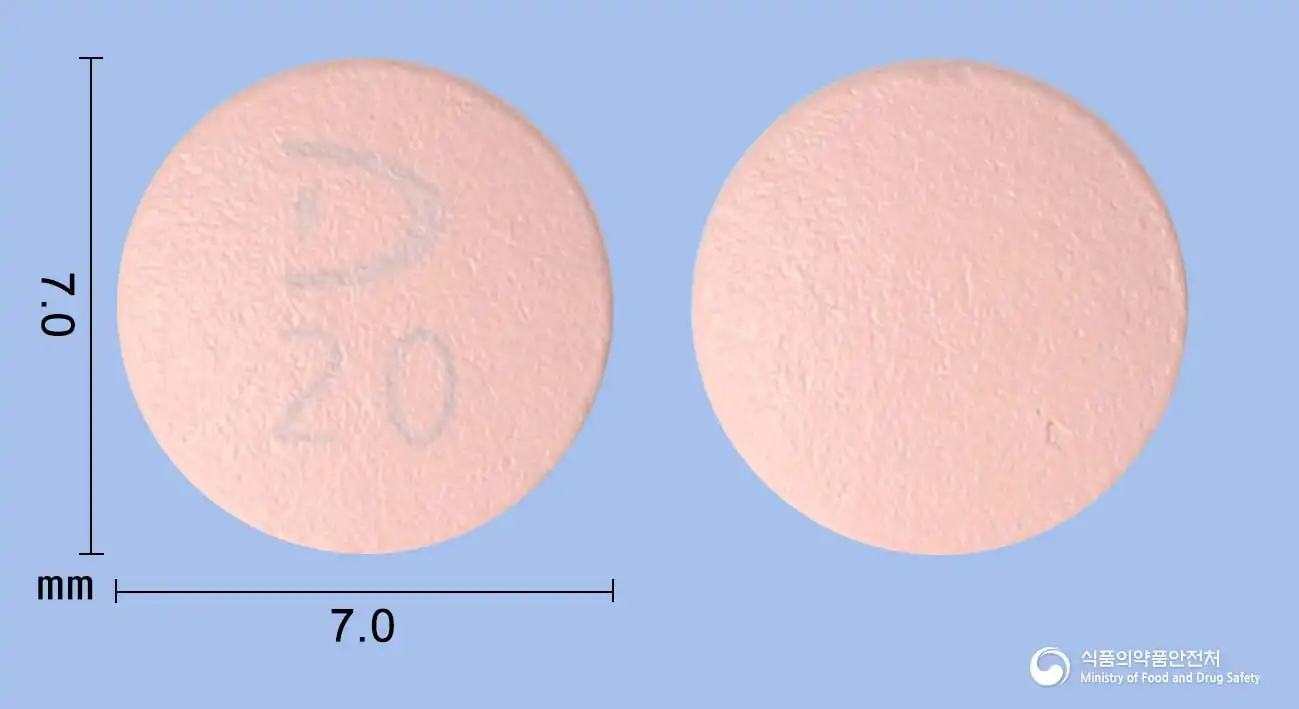
Tenela 20 mg (Teneligliptin Hydrate)
Teneligliptin Hydrochloride Hydrate 26mg
Tablet · Prescription medication
Darim Biotech Co., Ltd.
MFDS item code 202007620 · Approved 2020.11.05 · Insurance code 664602730
Improvement of blood sugar control in type 2 diabetes
This medication is used to help control blood sugar levels in patients with type 2 diabetes. It can be administered alone or in combination with other diabetes medications while following a diet and exercise regimen, effectively improving blood sugar levels.
The recommended dosage of this medication is 20 mg once daily, either as monotherapy or in combination therapy. It can be taken regardless of meals.
This medication is intended for diabetes treatment and should not be administered to certain patients for safety reasons. For example, it should not be used in patients allergic to its active ingredient or other components. Additionally, it is better to avoid this medication in patients with diabetic ketoacidosis, comatose states, or type 1 diabetes who require insulin treatment. Patients with severe infections, or those undergoing surgery or having severe injuries may need insulin injections and should avoid this medication. This medication should be administered cautiously to patients with severely impaired liver function or heart failure. It is especially not recommended for patients with severe heart failure. Patients using sulfonylureas or insulin should be cautious due to the risk of hypoglycemia. Patients with poor nutritional status, irregular meals, excessive exercise, or high alcohol consumption should also be careful of the hypoglycemia risk. Patients with a history of abdominal surgery or bowel obstruction should be cautious when using this medication. It is safer to avoid this medication in patients who may be affected by cardiac rhythm. This medication can rarely cause side effects such as hypoglycemia, constipation, liver function abnormalities, interstitial pneumonia, skin rashes, and acute pancreatitis. If hypoglycemia symptoms appear, appropriate actions should be taken immediately, such as consuming sugary foods. If there are symptoms of acute pancreatitis, such as severe abdominal pain or vomiting, consult medical personnel immediately. The risk of hypoglycemia may increase when this medication is used with insulin or sulfonylureas, thus necessitating dosage adjustments. Additionally, it may interact with other diabetes medications or certain cardiac disease treatments, so it is essential to inform your doctor or pharmacist about any medications being taken. Pregnant or lactating women should carefully consider the use of this medication, as sufficient safety data is lacking. Safety in pediatrics has not been established, and it is better not to use it. Older adults may experience reduced bodily functions, so administration should be closely monitored. In the case of overdose, general symptomatic relief treatment should be accompanied by careful observation of the patient's condition, and some drugs may be removed through hemodialysis. This medication should be kept out of reach of children and should not be transferred to other containers.
Hives, severe swelling (edema), chest tightness, difficulty breathing, cold sweat, paleness, severe rash with high fever, blisters, skin peeling, pain in mucous membranes of the mouth/eyes, shortness of breath or difficulty breathing, asthma attack, respiratory abnormalities along with cough + fever, yellowing of the skin or eyes (jaundice), extreme lethargy, sudden and very severe headache, thunderclap headache, seizures, confusion of consciousness, visual disturbances, paralysis, urination
Not everyone experiences these, and they can vary from person to person.
This medication should be stored in a tightly sealed container to prevent air or moisture from entering. It is advisable to maintain the storage temperature between 1 and 30 degrees Celsius at room temperature.
Pink round film-coated tablets
30 tablets/bottle, 60 tablets/bottle
Even with the same ingredient, strength, dosage form and how it is taken can differ.
Viewing nowTeneligliptin Hydrochloride Hydrate 26mg
Tablet · Prescription medication
Darim Biotech Co., Ltd.
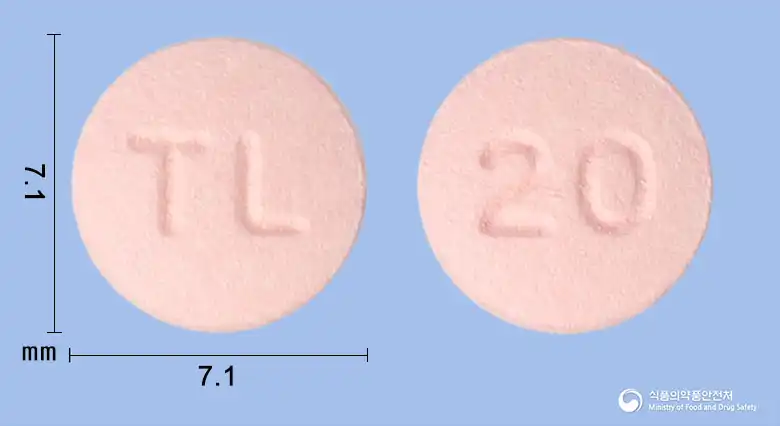
Teneligliptin Hydrochloride Hydrate 25.96mg
Tablet · Prescription medication
Kyungdong Pharmaceutical Co., Ltd.
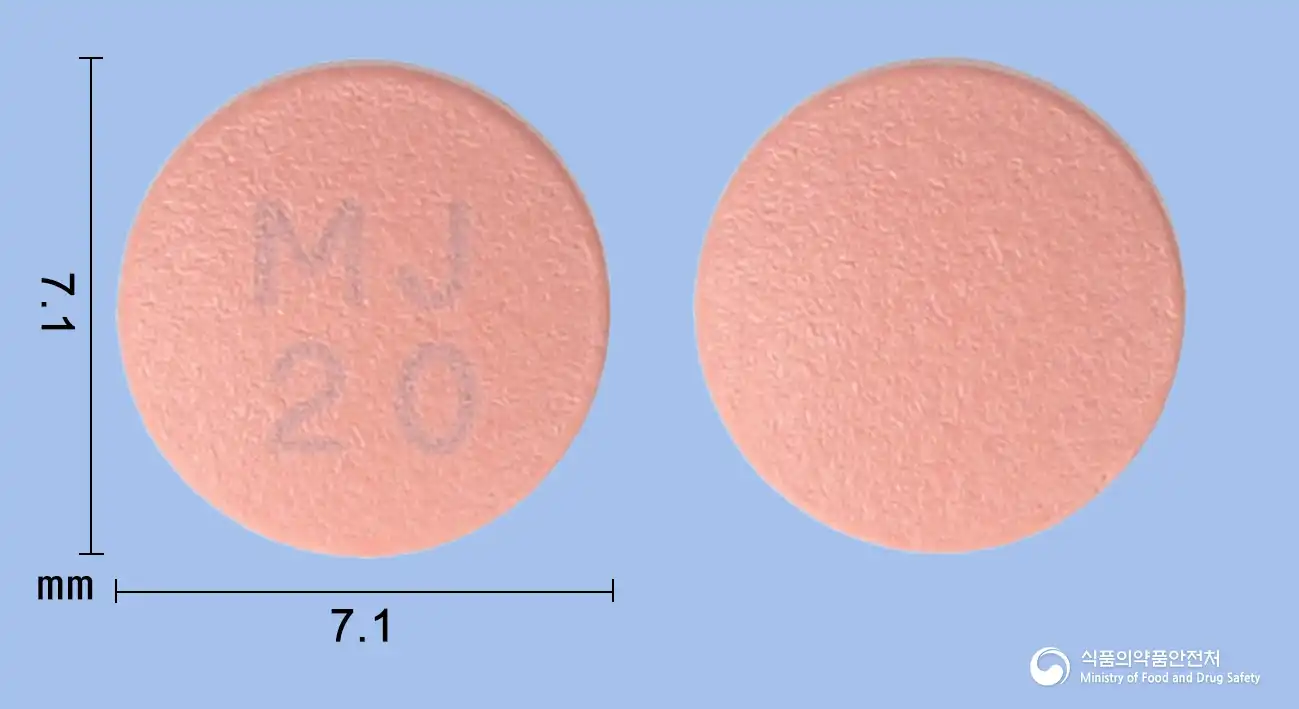
Teneligliptin Hydrochloride Hydrate 26mg
Tablet · Prescription medication
Mothers Pharmaceutical Co., Ltd.
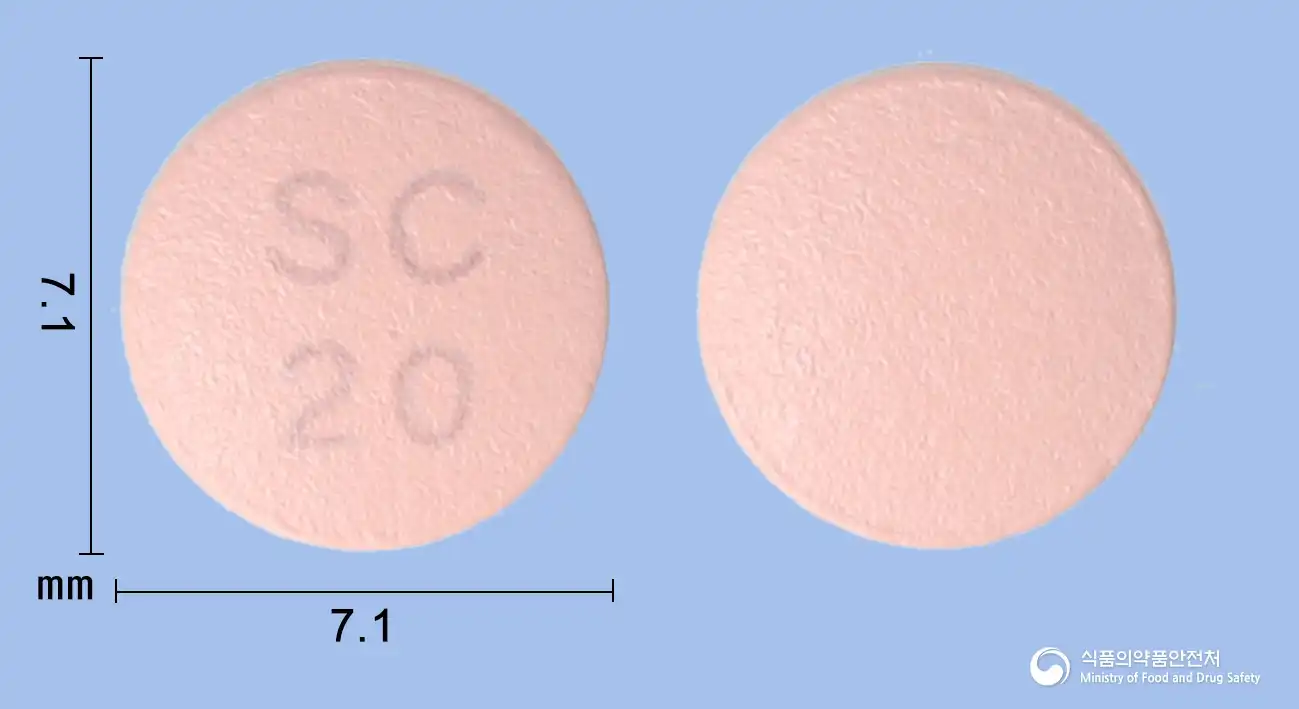
Teneligliptin Hydrochloride Hydrate 26mg
Tablet · Prescription medication
Samchundang Pharmaceutical Co., Ltd.
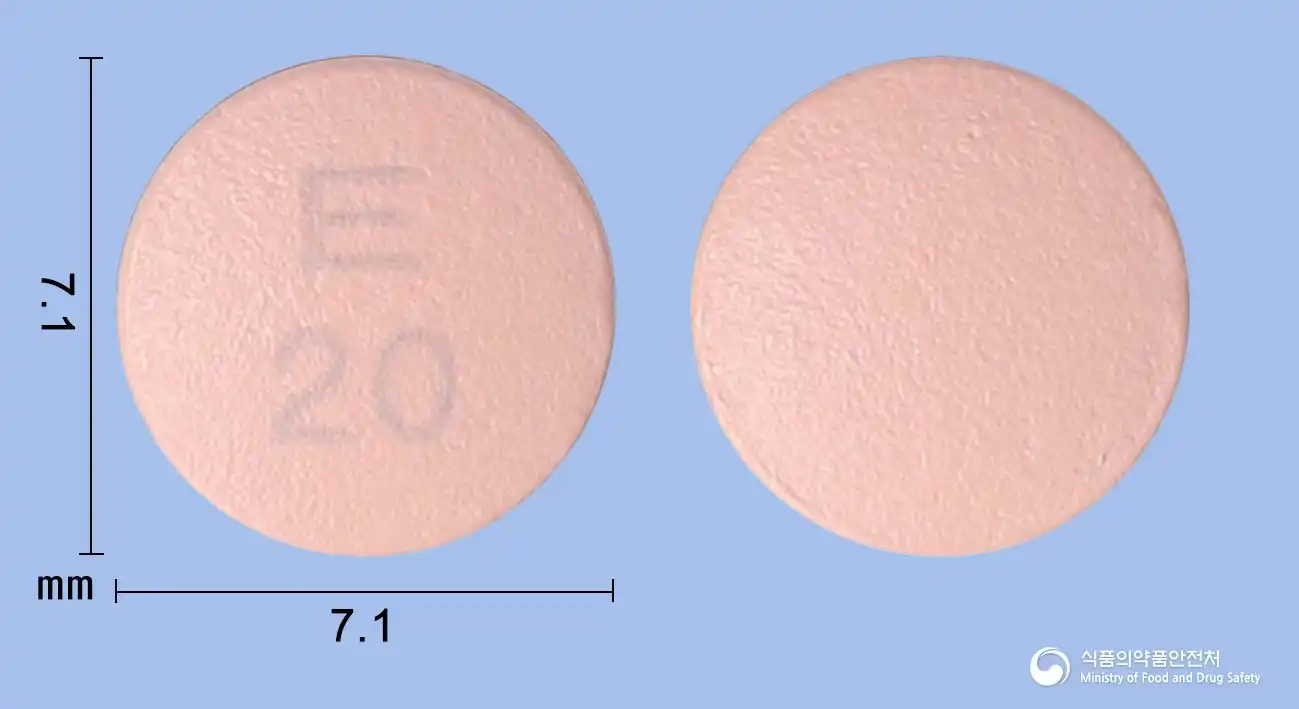
Teneligliptin Hydrochloride Hydrate 26mg
Tablet · Prescription medication
Dongkwang Pharmaceutical Co., Ltd.
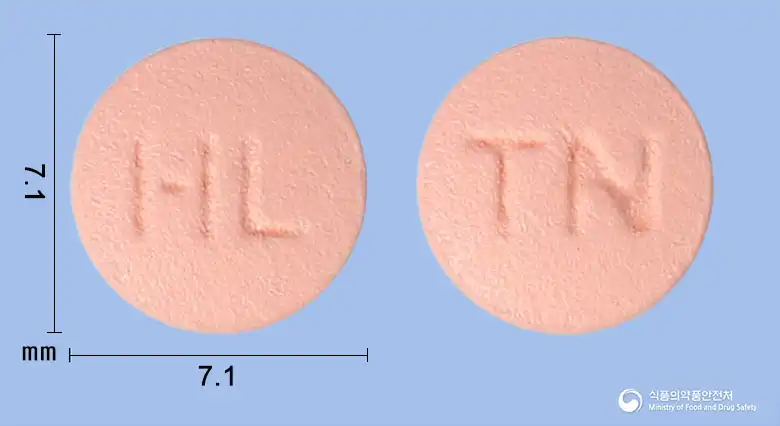
Teneligliptin Hydrochloride Hydrate 26mg
Tablet · Prescription medication
Hanlim Pharmaceutical Co., Ltd.
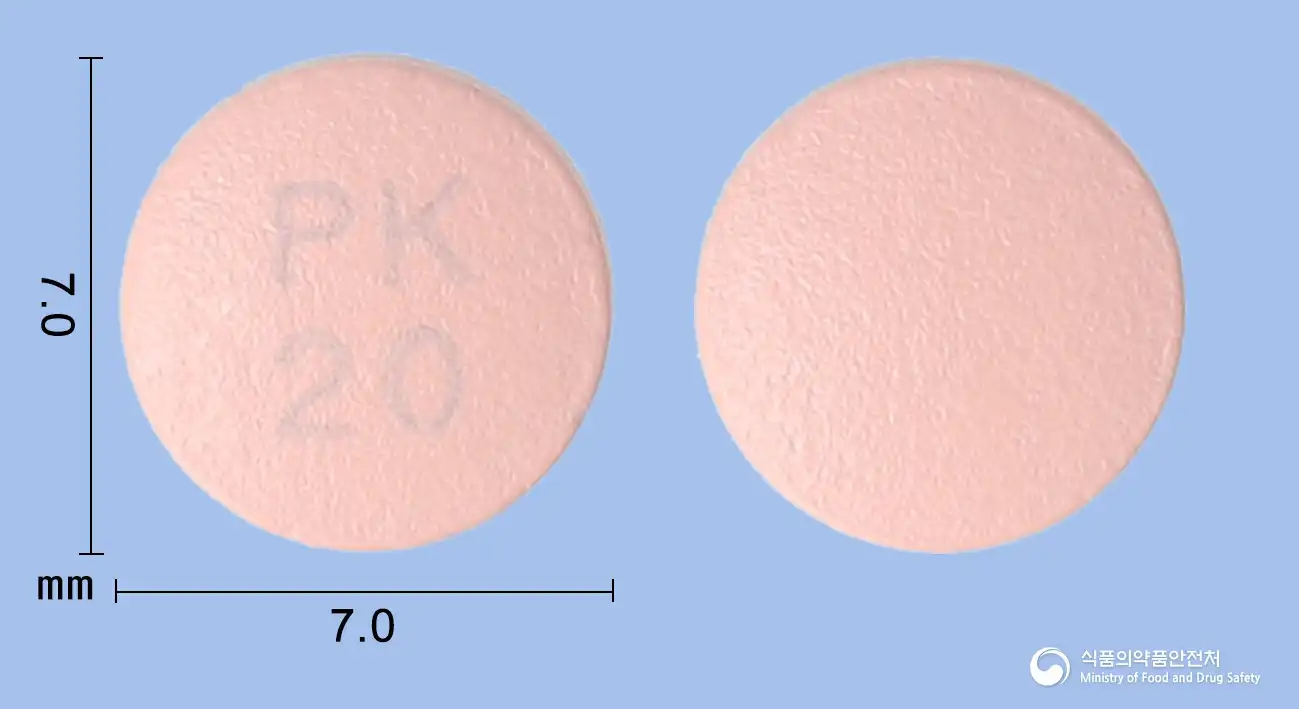
Teneligliptin Hydrochloride Hydrate 26mg
Tablet · Prescription medication
Korea PAVIS Pharmaceutical Co., Ltd.
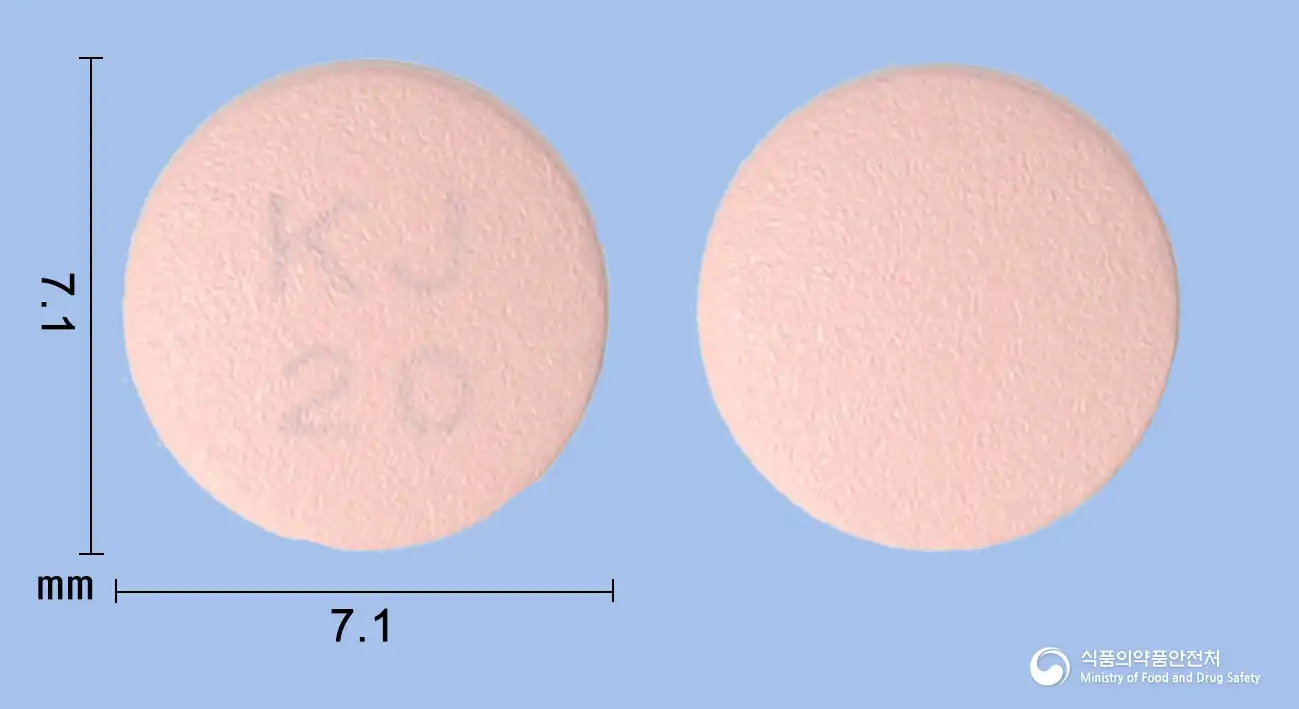
Teneligliptin Hydrochloride Hydrate 26mg
Tablet · Prescription medication
International Pharmaceutical Co., Ltd.
Even with the same ingredient, the dose and directions can differ by strength and dosage form. Talk to a doctor or pharmacist before switching from a medication you are already taking.
No questions yet.
For anything that needs medical judgment, consult a doctor or pharmacist.
This drug information is based on data provided by the Korea Ministry of Food and Drug Safety.
Consult a doctor or pharmacist for accurate dosage, administration, and usage instructions.