
 한국어
한국어 English
 日本語
日本語 中文(简体)
Dosage form image
Viewing nowCombinationSecorasi Syrup
Acetylcysteine 2000mg · Chlorpheniramine Maleate 40mg
Syrup · OTC medication · Combination
Hana Pharmaceutical Co., Ltd.
MFDS item code 202007568 · Notified 2020.11.05 · Insurance code 657807421
Relief of acute and chronic respiratory diseases (cough, phlegm) and pediatric cold cough
This medication is used to relieve cough and phlegm symptoms caused by acute and chronic respiratory diseases. It is also effective for cough symptoms that occur during the epidemic cold or regular cold in children. Therefore, it is used to improve various respiratory disease symptoms related to cough.
Take 10 mL three times a day. Adjust according to age and symptoms.
For children (ages 3 to 12), take 5 mL three times a day. Adjust according to age and symptoms.
This drug should not be used in certain patients. For example, patients who are allergic to this drug, have ulcers in the stomach or duodenum, have glaucoma or lower urinary tract obstruction such as benign prostatic hyperplasia, as well as premature infants and newborns should not be administered. Additionally, there are patients in whom caution should be exercised. Patients with high intraocular pressure, hyperthyroidism, stenosis or obstruction in the digestive tract, cardiovascular diseases, epilepsy, bronchitis, asthma, liver diseases, and seriously ill newborns should be administered with caution. When taking this drug, there may be various side effects, so care is needed. Gastrointestinal side effects such as nausea, vomiting, heartburn, and diarrhea may infrequently occur, and allergic reactions such as hives, rash, or itching may appear on the skin. Additionally, in rare cases, rapid heartbeat or increased blood pressure may occur, and in severe cases, symptoms of shock may present; thus, if symptoms such as shortness of breath, cyanosis, or chest discomfort appear, the medication should be stopped immediately and treatment sought. The central nervous system can also be affected, leading to drowsiness, dizziness, insomnia, headache, and anxiety, so if these symptoms appear, consult a physician. During treatment with this drug, risky activities such as driving or operating machinery should be avoided. Moreover, this drug contains ingredients that may cause slight irritation to the skin, eyes, or mucous membranes, so caution is warranted. When taking this medication with other drugs, interactions may occur, so particular care should be taken when used with antibiotics, alcohol, or central nervous system depressants. Pregnant or nursing women should only take this drug cautiously if necessary due to uncertain safety. In elderly patients, body function may be impaired, so they should be observed closely while taking this medication. In case of overdose, emergency measures such as inducing vomiting or gastric lavage might be necessary, and immediate medical attention is required. Finally, it is safe not to mix this drug's solution with other medications.
Not everyone experiences these, and they can vary from person to person.
This drug should be taken with at least a 2-hour interval from amoxicillin, cefuroxime, doxycycline, erythromycin, and chloramphenicol. Consult a physician or pharmacist if taking together with chlorpheniramine.
This drug may induce drowsiness when taken with alcohol. It may also cause drowsiness when combined with central nervous system depressants.
This medication is sensitive to light and should be stored in a light-resistant container. It is also advisable to store it at a temperature between 1 and 30 degrees Celsius. Proper storage can help maintain the efficacy of the drug.
A colorless or pale yellow syrup with a strawberry flavor packed in aluminum foil pouches
100 pouches/box (15 milliliters/pouch)
Even with the same ingredient, strength, dosage form and how it is taken can differ.
Acetylcysteine 2000mg · Chlorpheniramine Maleate 40mg
Syrup · OTC medication · Combination
Hana Pharmaceutical Co., Ltd.
Acetylcysteine 2000mg · Chlorpheniramine Maleate 40mg
Syrup · OTC medication · Combination
Seoul Pharmaceutical Co., Ltd.
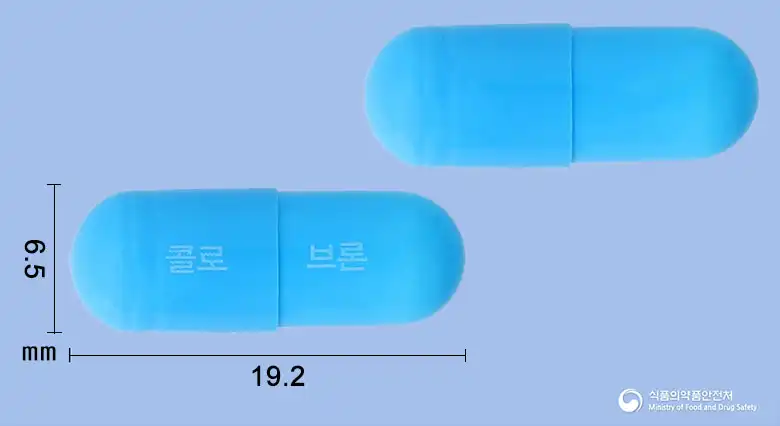 Combination
Acetylcysteine 200mg · Chlorpheniramine Maleate 4mg
Hard capsule · OTC medication · Combination
Jeongwoo Pharmaceutical Co., Ltd.
Acetylcysteine 2000mg · Chlorpheniramine Maleate 40mg
Syrup · OTC medication · Combination
Yuyu Pharmaceutical Co., Ltd.
Acetylcysteine 200mg · Chlorpheniramine Maleate 4mg
Hard capsule · OTC medication · Combination
Mirae Biopharmaceutical Co., Ltd.
Acetylcysteine 2000mg · Chlorpheniramine Maleate 40mg
Syrup · OTC medication · Combination
Dongkook Pharmaceutical Co., Ltd.
Acetylcysteine 2000mg · Chlorpheniramine Maleate 40mg
Syrup · OTC medication · Combination
Boryeong Biopharma Co., Ltd.
Acetylcysteine 2000mg · Chlorpheniramine Maleate 40mg
Syrup · OTC medication · Combination
Huons Life Science Co., Ltd.
Even with the same ingredient, the dose and directions can differ by strength and dosage form. Talk to a doctor or pharmacist before switching from a medication you are already taking.
QHow much should my kindergarten-aged child take at once?
Answers 1 · 2026.09.14
QCan it be taken with antibiotics?
Answers 1 · 2026.09.14
For anything that needs medical judgment, consult a doctor or pharmacist.
This drug information is based on data provided by the Korea Ministry of Food and Drug Safety.
Consult a doctor or pharmacist for accurate dosage, administration, and usage instructions.