
 한국어
한국어 English
 日本語
日本語 中文(简体)
Dosage form image
Viewing nowMucon Injection (Acetylcysteine) (Vial)
Acetylcysteine 100mg
Prescription medication
Aju Pharmaceutical Co., Ltd.
MFDS item code 202007321 · Approved 2020.10.26
This product's status changed to Expired on 2025.10.26. It may no longer be sold, so consult a doctor or pharmacist before taking it.
Improvement of sputum discharge in bronchial diseases (acute and chronic bronchitis, bronchiectasis) and detoxification effect in acetaminophen poisoning.
This medication is used for patients with bronchial diseases who have difficulty in sputum discharge due to thick and viscous phlegm. It is effective for adults with acute and chronic bronchitis, bronchiectasis, asthmatic bronchitis, pharyngolaryngitis, sinusitis, cystic fibrosis, and postoperative pulmonary complications. It is also beneficial for pediatric patients with acute and chronic bronchitis and cystic fibrosis. Additionally, it is used as an antidote for acetaminophen poisoning, reducing the risk of toxicity. Thus, this medication improves symptoms related to both bronchial diseases and detoxification.
1. Mucolytic Treatment 1) Intravenous Injection For adults, 600–900 mg is injected once, 2–3 times a day as acetylcysteine. 2) Intramuscular Injection For adults, it is injected as 300 mg once, 1–2 times a day. 2. Detoxification of Acetaminophen poisoning Dilute 150 mg per kg of body weight in 200 mL of 5% dextrose solution and infuse intravenously over 15 minutes. Then administer 50 mg per kg of body weight in 500 mL of 5% dextrose solution over 4 hours.
1. Mucolytic Treatment 1) Intravenous Injection For children, it is injected as 300–450 mg once, 2–3 times a day. 2) Intramuscular Injection For children, it is injected as 150 mg once, 1–2 times a day.
This medication should not be used by individuals allergic to it or its components. Caution should be taken when used in patients with bronchial asthma or impaired respiratory function, and if bronchospasm occurs, drug administration should be stopped, and appropriate treatment, such as bronchodilators, should be provided. It is advisable not to use it in newborns who do not have severe diseases. Gastrointestinal symptoms such as nausea, vomiting, decreased appetite, and diarrhea may occur when using this medication. Rarely, allergic reactions such as urticaria, itching, skin rash, headache, tinnitus, and bronchospasm may occur. Increased heart rate or high blood pressure may occur, and very rarely, serious allergic reactions such as anaphylaxis may happen. When administered in high doses as an antidote, symptoms similar to allergies may appear, and severe hypertension may occur, so caution is needed, and administration should be stopped immediately if unusual symptoms arise. Using this medication may increase bronchial secretions, so patient's condition should be carefully monitored, and if secretions do not come out naturally, appropriate measures, such as mechanical suction or position change, should be taken. When administered intramuscularly, it should be injected deeply. For antidote use, it is recommended to administer it within 10 hours after poisoning. This medication may undergo physical chemical reactions when used with specific drugs, so caution should be exercised when mixing or administering it with other medications. The safety of this medication in pregnant women has not been sufficiently established; it should only be used when absolutely necessary. Nursing mothers should use this medication cautiously as it is uncertain whether it passes into breast milk. Elderly patients may have diminished body functions, so care should be taken while monitoring their condition closely during administration.
Not everyone experiences these, and they can vary from person to person.
This medication is sensitive to light, so it should be stored in a container that does not allow light in. Additionally, it is important to maintain a temperature between 1 degree Celsius and 30 degrees Celsius when storing the medication. This way of storage helps to maintain the efficacy of the medication for a longer time.
A brown vial filled with a clear liquid that is colorless to pale purple.
6 milliliters/vial [6mL/vial × 10]
Even with the same ingredient, strength, dosage form and how it is taken can differ.
Acetylcysteine 100mg
Prescription medication
Aju Pharmaceutical Co., Ltd.
Acetylcysteine 200mg
Solution · OTC medication
(Co., Ltd.) Celltrion Pharm
Acetylcysteine 20g
OTC medication
Boryeong Co., Ltd.
Acetylcysteine 200mg
OTC medication
Hanwha Pharmaceutical Co., Ltd.
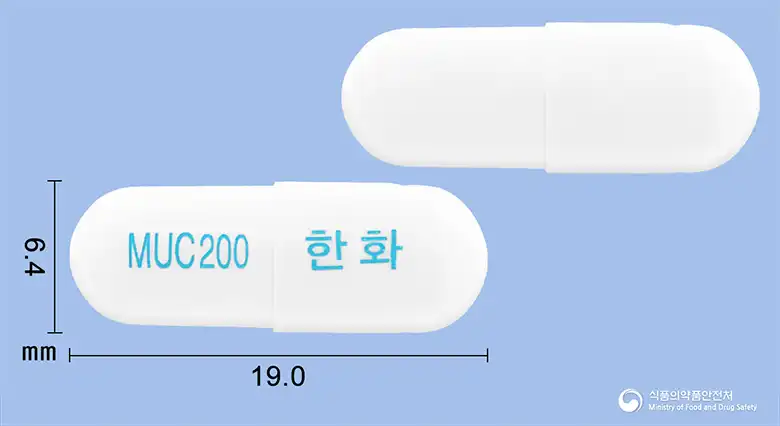
Acetylcysteine 200mg
Hard capsule · OTC medication
Hanwha Pharmaceutical Co., Ltd.
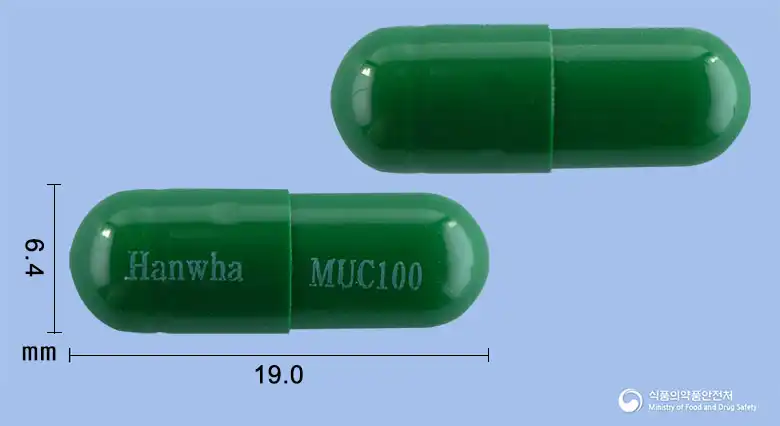
Acetylcysteine 100mg
Hard capsule · OTC medication
Hanwha Pharmaceutical Co., Ltd.
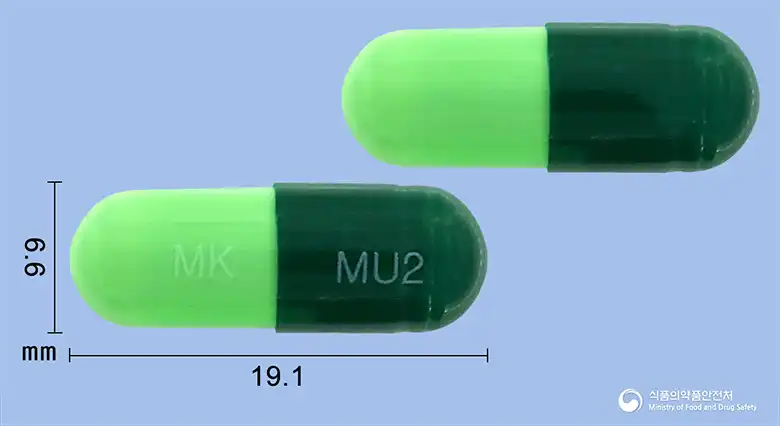
Acetylcysteine 200mg
Hard capsule · OTC medication
(Medica Korea Co., Ltd.)
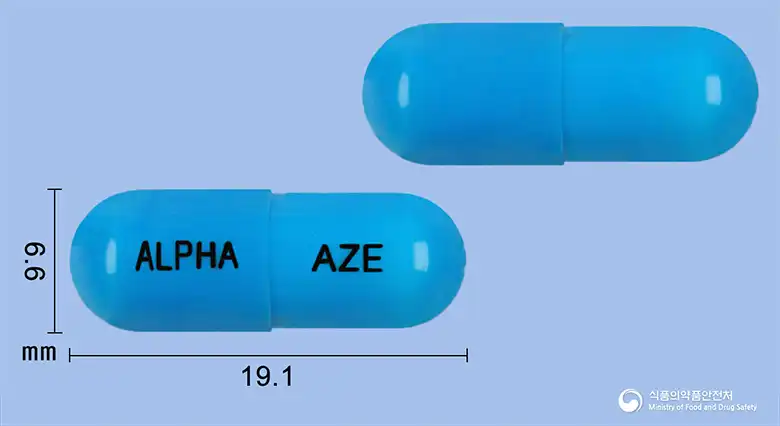
Acetylcysteine 200mg
Hard capsule · OTC medication
Alpha Pharmaceutical Co., Ltd.
Even with the same ingredient, the dose and directions can differ by strength and dosage form. Talk to a doctor or pharmacist before switching from a medication you are already taking.
No questions yet.
For anything that needs medical judgment, consult a doctor or pharmacist.
This drug information is based on data provided by the Korea Ministry of Food and Drug Safety.
Consult a doctor or pharmacist for accurate dosage, administration, and usage instructions.