
 한국어
 English
 日本語
 中文(简体)
Dosage form image
Viewing nowCombinationEndcol-EF Granule
Pueraria Root 533mg · Licorice 133mg +9 more
OTC medication · Combination
Jeongwoo Pharmaceutical Co., Ltd.
MFDS item code 202007065 · Notified 2020.10.15
Relief of cold symptoms (such as sore throat, fever, and headache)
This medication is used to relieve various cold symptoms such as sore throat, chills, fever, headache, joint pain, and muscle pain.
Adults (15 years of age and older): Take 1 sachet 3 times daily, 30 minutes after meals.
Ages 11 years to under 15 years: Take 2/3 sachet 3 times daily, 30 minutes after meals. Ages 7 years to under 11 years: Take 1/2 sachet 3 times daily, 30 minutes after meals. Ages 3 years to under 7 years: Take 1/3 sachet 3 times daily, 30 minutes after meals. Ages 1 year to under 3 years: Take 1/4 sachet 3 times daily, 30 minutes after meals.
This medicine may burden the liver, so individuals who regularly consume more than three drinks daily should consult a doctor or pharmacist before use. The acetaminophen component in this medicine may cause liver damage, so it must not be taken in excess of the maximum daily dosage of 4,000mg. Additionally, it is advisable to avoid concurrent use with other acetaminophen-containing products. If any unusual symptoms such as rash or itching appear while taking this medication, stop using it immediately and consult a professional. Serious skin conditions may rarely occur due to acetaminophen, so caution is required. This medicine should not be taken by individuals with certain genetic disorders, infants under 3 months old, or those taking MAO inhibitors. It is safer to avoid concurrent use of other cold medications, antipyretics, sedatives, and antihistamines while taking this medication. Children under 15 years old or those with certain medical conditions must consult a doctor or pharmacist before use. If symptoms such as rash, vomiting, dizziness, or shortness of breath occur after intake, discontinue use immediately and consult a professional. Children should be administered this medication under the guidance of a guardian, and the specified dosage must be strictly adhered to. Avoid alcohol and do not take this medication for prolonged periods, and caution is needed when using it alongside certain diuretics or licorice-containing medications. Rarely, severe metabolic abnormalities may occur when this drug is taken with specific antibiotics, so use with caution. When storing, keep in a cool, dry place out of reach of children, avoiding direct sunlight, and store it in its original container.
Liver damage, acute generalized exanthematous pustulosis, Stevens-Johnson syndrome, toxic epidermal necrolysis, rash, erythema, itching, nausea, vomiting, anorexia, constipation, edema, dizziness, anxiety, tremors, insomnia, high ion metabolic acidosis, shock, urticaria, chest tightness, pallor, cold extremities, clammy skin, difficulty breathing, skin and mucous membrane syndrome, blisters similar to burns, asthma, liver dysfunction, lethargy, jaundice, interstitial pneumonia, cough, shortness of breath, respiratory distress, fever, primary hyperaldosteronism, reduced urine output, swelling of the face and extremities, heaviness of eyelids, stiff hands, elevated blood pressure, headache, myopathy, weakness, limb cramps, paralysis
Not everyone experiences these, and they can vary from person to person.
This medication interacts with MAO inhibitors (antidepressants, antipsychotics, mood stabilizers, anti-Parkinson's medications, etc.), cough suppressants and expectorants, other cold medications, antipyretics and analgesics, sedatives, antihistamines, oral medications for rhinitis, motion sickness medications, allergy medications, diabetes medications, gout medications, arthritis medications, anticoagulants, steroids, barbiturate medications, tricyclic antidepressants, loop diuretics (furosemide, ethacrynic acid), thiazide diuretics (trichlormethiazide).
This medication may interact with alcohol, potassium-containing preparations, licorice-containing preparations, glycyrrhizin or its salts.
This medicine can be sensitive to air and humidity, so it should be stored in a sealed container. The storage temperature should be maintained between 1°C and 30°C. This helps preserve the effectiveness of the medication.
Brown granule preparation
For domestic use - 5 sachets per box
Even with the same ingredient, strength, dosage form and how it is taken can differ.
Pueraria Root 533mg · Licorice 133mg +9 more
OTC medication · Combination
Jeongwoo Pharmaceutical Co., Ltd.
Pueraria Root 267mg · Licorice 67mg +9 more
Hard capsule · OTC medication · Combination
Jeongwoo Pharmaceutical Co., Ltd.
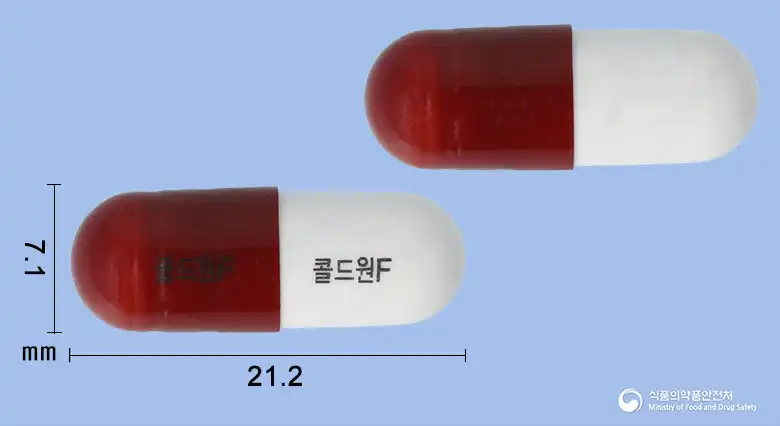 Combination
Pueraria Root 267mg · Licorice 67mg +9 more
Hard capsule · OTC medication · Combination
Wonkwang Pharmaceutical Co., Ltd.
Pueraria Root 668mg · Ephedra Herb 334mg +9 more
OTC medication · Combination
Kyungbang Pharmaceuticals Co., Ltd.
Even with the same ingredient, the dose and directions can differ by strength and dosage form. Talk to a doctor or pharmacist before switching from a medication you are already taking.
QDoes it contain both herbal ingredients and antipyretic ingredients?
Answers 1 · 2026.09.14
QCan a three-year-old take this?
Answers 1 · 2026.09.14
For anything that needs medical judgment, consult a doctor or pharmacist.
This drug information is based on data provided by the Korea Ministry of Food and Drug Safety.
Consult a doctor or pharmacist for accurate dosage, administration, and usage instructions.