
 한국어
 English
 日本語
 中文(简体)
Dosage form image
Viewing nowElpis Capsule (Erdosteine)
Erdosteine 300mg
Hard capsule · OTC medication
Mirae Biopharma Co., Ltd.
MFDS item code 202006765 · Notified 2020.10.07
This product's status changed to Expired on 2025.10.07. It may no longer be sold, so consult a doctor or pharmacist before taking it.
Mucolytic and expectorant effects in acute and chronic respiratory diseases
This medicine helps to loosen and expel mucus in acute and chronic respiratory diseases, facilitating the elimination of phlegm through expectoration. It is used to alleviate discomfort and improve symptoms due to respiratory diseases.
Adults: Administer 300 mg of erdosteine per dose orally, 2~3 times daily. When administered for acute respiratory disease, do not administer continuously for more than 10 days.
This medication should not be used in the following patients: First, individuals with allergic reactions to this medication or its ingredients should not take it. Second, patients with liver cirrhosis and those with cystathionine synthase deficiency should avoid this medication as its metabolites may interfere with the metabolism of specific amino acids in the body. Third, patients with ulcers in the stomach or duodenum should not take this medication. Fourth, patients with severely impaired kidney function, specifically those with a creatinine clearance of less than 25 mL/min, should not use this medication. Fifth, patients with significantly reduced liver function should also avoid taking this medication. Additionally, caution should be exercised in the following cases: First, patients with mild to moderate liver dysfunction should limit the dosage of this medication to no more than 300 mg per day and take it carefully. Second, diabetic patients or those on a low-calorie diet need to be particularly careful when using syrup formulations. In the case of overdose, symptoms such as excessive sweating, dizziness, and facial flushing may occur. Common side effects may include headache, cold symptoms, difficulty breathing, altered taste, nausea, vomiting, diarrhea, abdominal pain, and heartburn. Skin reactions like urticaria, rash, or eczema may also occur. When taking this medication, combining it with expectorants can lessen the cough while making it difficult to expel phlegm from the bronchi, raising the risk of bronchial infection and potentially causing bronchospasm, so care should be taken. Pregnant or breastfeeding women should avoid using this medication due to uncertainties regarding its safety. Finally, this medication should be stored out of reach of children, and transferring it to another container should be done cautiously to prevent accidents or deterioration of quality.
Not everyone experiences these, and they can vary from person to person.
This medication should be stored in a tightly closed container to protect it from air and moisture. It is recommended to maintain storage temperatures between 1 to 30 degrees Celsius.
A hard capsule with a green upper part and a yellowish lower part containing a white crystalline powder.
Bottle - 30 capsules/bottle, Bottle - 300 capsules/bottle, PTP - 10 capsules/PTP [10 capsules/PTP x 1], PTP - 20 capsules/PTP [10 capsules/PTP x 2], PTP - 60 capsules/PTP [10 capsules/PTP x 6], PTP - 90 capsules/PTP [10 capsules/PTP x 9], PTP - 120 capsules/PTP [(10 capsules/PTP x 6) x 2], PTP - 180 capsules/PTP [(10 capsules/PTP x 9) x 2]
Even with the same ingredient, strength, dosage form and how it is taken can differ.
Erdosteine 300mg
Hard capsule · OTC medication
Mirae Biopharma Co., Ltd.
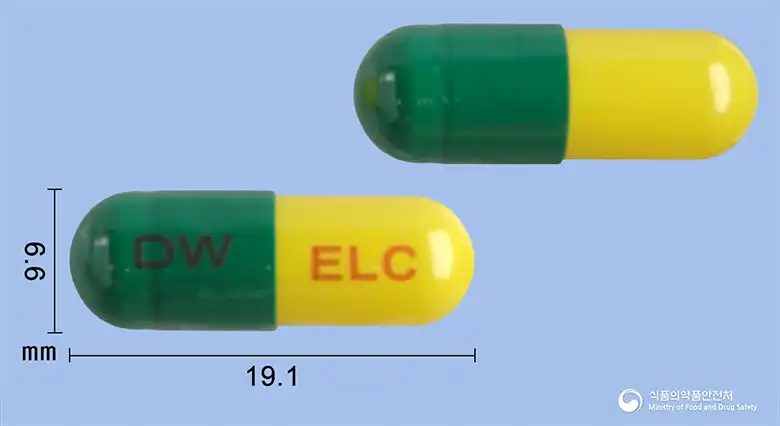
Erdosteine 300mg
Hard capsule · OTC medication
(Co., Ltd.) Daewoong Pharmaceutical
Erdosteine 7g
Suspension · Prescription medication
(Co., Ltd.) Daewoong Pharmaceutical

Erdosteine 300mg
Hard capsule · OTC medication
(Co., Ltd.) Jongkundang
Erdosteine 7000mg
Suspension · Prescription medication
Jongkundang Co., Ltd.

Erdosteine 300mg
Hard capsule · OTC medication
Kukje Pharmaceutical Co., Ltd.

Erdosteine 300mg
Hard capsule · OTC medication
Ildong Pharmaceutical Co., Ltd.
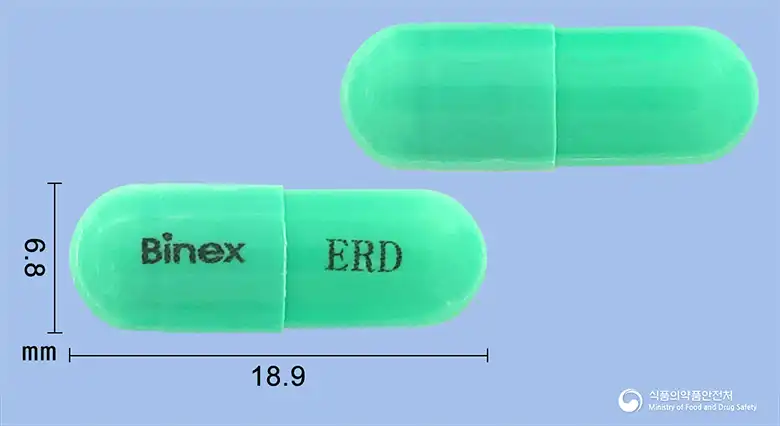
Erdosteine 300mg
Hard capsule · OTC medication
Bionex Co., Ltd.
Even with the same ingredient, the dose and directions can differ by strength and dosage form. Talk to a doctor or pharmacist before switching from a medication you are already taking.
No questions yet.
For anything that needs medical judgment, consult a doctor or pharmacist.
This drug information is based on data provided by the Korea Ministry of Food and Drug Safety.
Consult a doctor or pharmacist for accurate dosage, administration, and usage instructions.