
 한국어
한국어 English
 日本語
日本語 中文(简体)
 Viewing now
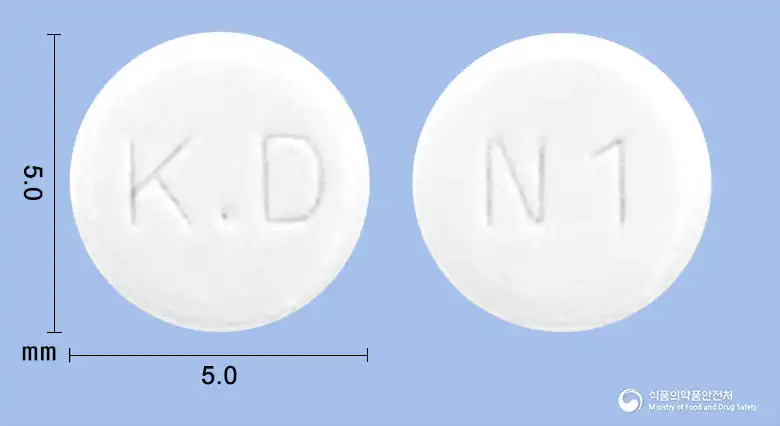
Nebilet M Tablet 1.25 mg (Nebivolol Hydrochloride)
Nebivolol Hydrochloride 1.3625mg
Tablet · Prescription medication
Kwangdong Pharmaceutical Co., Ltd.
MFDS item code 202006679 · Approved 2020.09.28 · Insurance code 641806970
Adjunctive treatment of chronic heart failure
This medication is used adjunctively along with standard treatment in elderly patients aged 70 and older with chronic stable heart failure, particularly those with mild to moderate chronic heart failure. It helps improve symptoms of heart failure and enhance the quality of life for patients.
In patients with chronic heart failure, treatment with nebivolol begins at a dose of 1.25 mg once daily and can be increased as needed to 2.5 mg, 5 mg, or 10 mg once daily. The maximum daily dose is 10 mg. It can be taken with food. For renal impairment, no dosage adjustment is needed for patients with mild to moderate renal impairment, but it should not be administered to patients with severe renal impairment.
This medication should not be administered to certain patients. For example, it should not be used in individuals with hypersensitivity to this drug, history of bronchospasm or bronchial asthma, or patients with metabolic acidosis. It also should not be given to patients with very slow heart rates (bradycardia), severe heart failure, uncontrolled heart failure, low blood pressure, severe peripheral circulation disorders, patients with severely impaired liver or kidney function, pregnant women, and nursing mothers. Caution is needed when using this medication in patients with specific conditions such as chronic lung disease, untreated heart failure, peripheral circulation disorders, hyperthyroidism, and diabetes. Elderly patients also require careful monitoring, and dosages should be adjusted while observing their condition. During treatment, various side effects may occur, including skin rash, vision impairment, bradycardia, dizziness, headache, dyspepsia, shortness of breath, swelling, and fatigue. Particularly, deterioration of heart function or decreased heart rate may occur, so immediate consultation with healthcare professionals is necessary if symptoms worsen. This medication can interact with other drugs, thus caution is needed when taken alongside calcium channel blockers, antiarrhythmics, centrally acting antihypertensives, insulin, anticonvulsants, and others. Especially, the combination with certain medications may lead to further reduction in heart rate or blood pressure, so it is essential to strictly follow the physician's instructions. It is advisable not to take this medication during pregnancy or while nursing. Safety in children under 18 has not been established, so it is best not to administer this medication to them. In case of overdose, severe symptoms such as bradycardia, low blood pressure, bronchospasm, and acute heart failure may occur, necessitating immediate medical attention.
Hives, severe swelling, chest tightness, difficulty breathing, cold sweats, paleness, severe rash with fever, blisters, skin peeling, pain in oral/ocular mucosa, difficulty breathing or shortness of breath, asthma attack, respiratory abnormalities accompanied by cough and fever, yellowing of skin or eyes (jaundice), extreme lethargy, sudden and severe headache, thunderclap headache, seizures, disorientation, visual disturbances, paralysis, reduced urine output
Not everyone experiences these, and they can vary from person to person.
This medication is sensitive to air and moisture, so it must be stored in a tightly sealed container. The recommended storage temperature is between 1 to 30 degrees Celsius at room temperature.
White round tablet
30 tablets/bottle, 300 tablets/bottle
Even with the same ingredient, strength, dosage form and how it is taken can differ.
Viewing nowNebivolol Hydrochloride 1.3625mg
Tablet · Prescription medication
Kwangdong Pharmaceutical Co., Ltd.
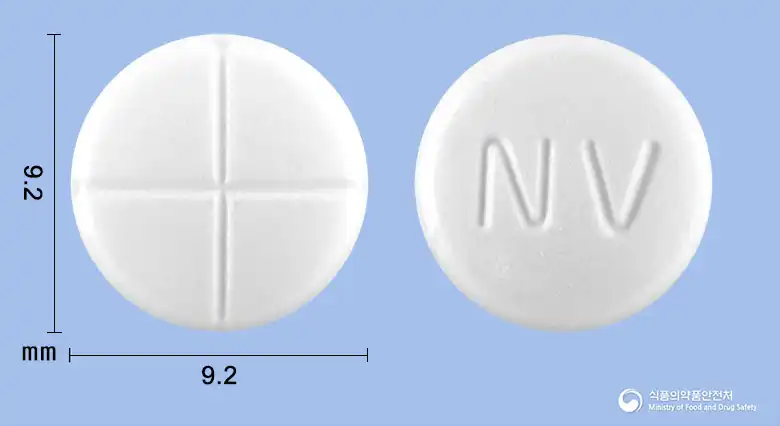
Nebivolol Hydrochloride 5.45mg
Tablet · Prescription medication
Chodang Pharmaceutical Co., Ltd.
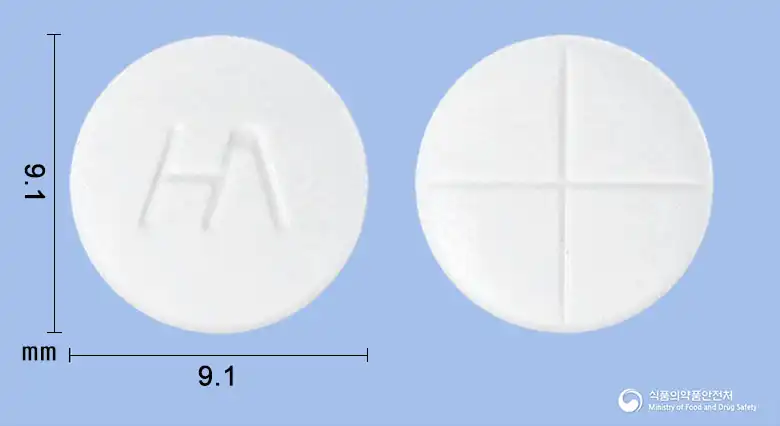
Nebivolol Hydrochloride 5.45mg
Tablet · Prescription medication
Hanol Bio Pharma Co., Ltd.
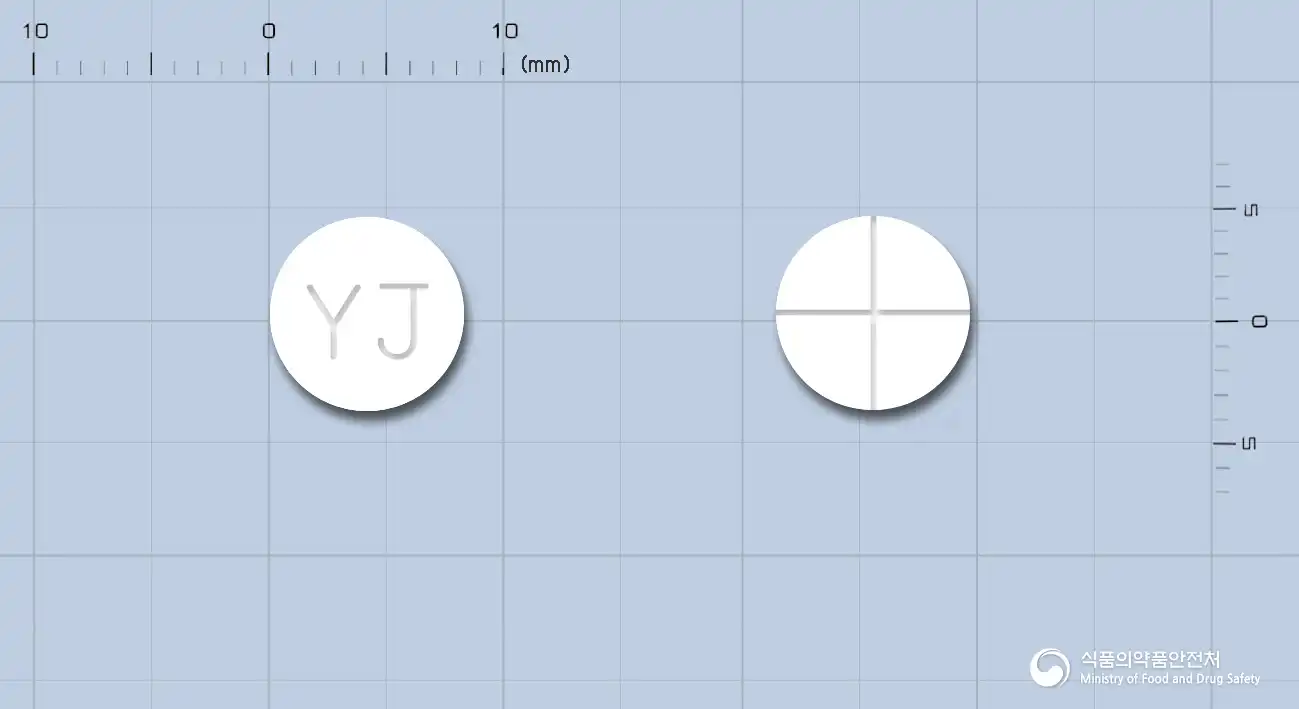
Nebivolol Hydrochloride 5.45mg
Tablet · Prescription medication
Youngjin Pharmaceutical Co., Ltd.
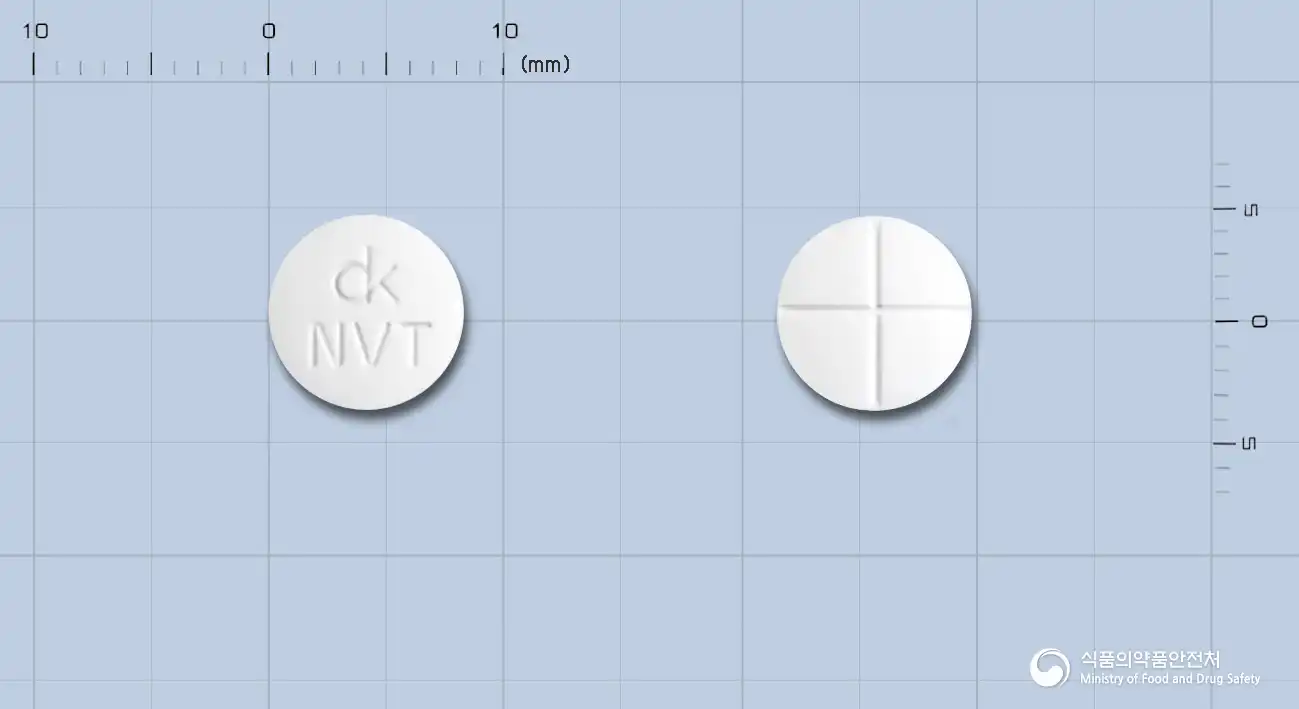
Nebivolol Hydrochloride 5.45mg
Tablet · Prescription medication
Dongkuk Pharmaceutical Co., Ltd.
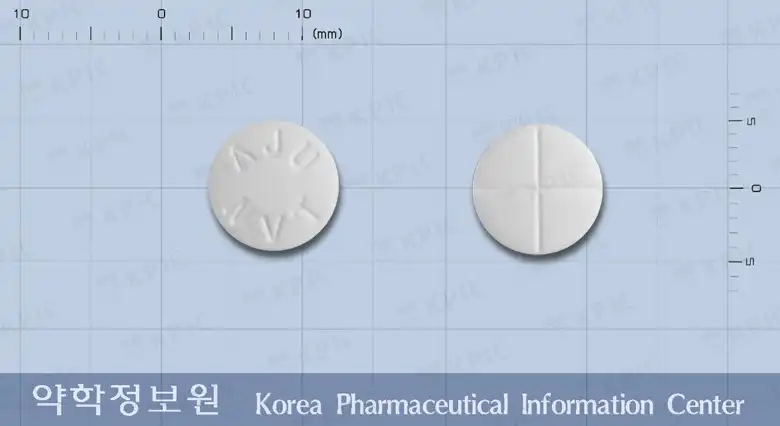
Nebivolol Hydrochloride 5.45mg
Tablet · Prescription medication
Aju Pharmaceuticals Co., Ltd.
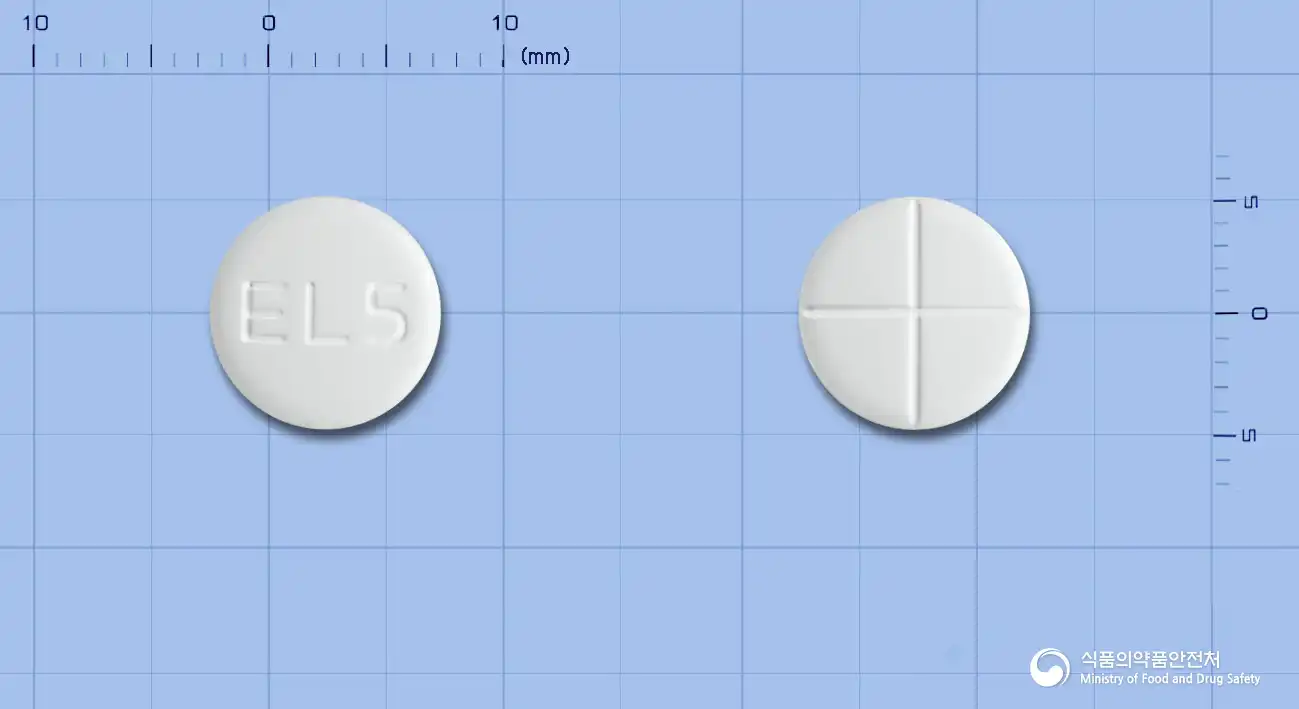
Nebivolol Hydrochloride 5.45mg
Tablet · Prescription medication
Ellison Pharmaceutical Co., Ltd.
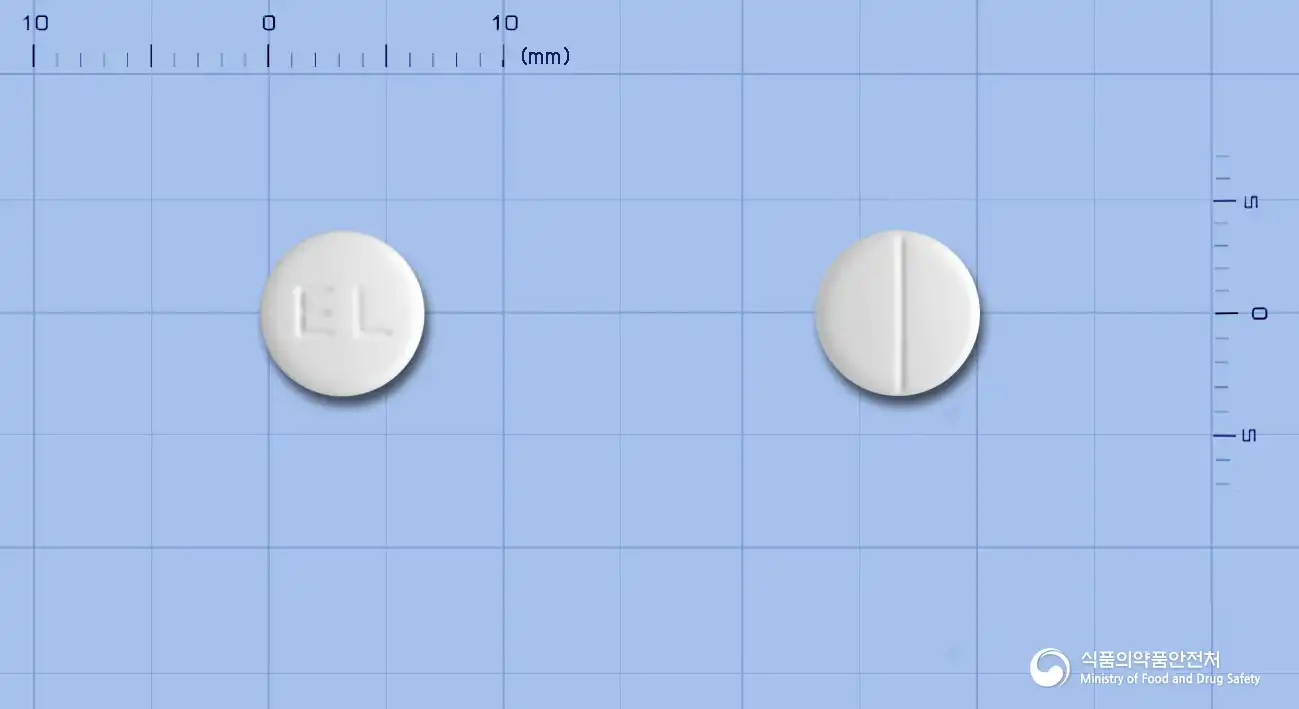
Nebivolol Hydrochloride 2.725mg
Tablet · Prescription medication
Erison Pharm Co., Ltd.
Even with the same ingredient, the dose and directions can differ by strength and dosage form. Talk to a doctor or pharmacist before switching from a medication you are already taking.
No questions yet.
For anything that needs medical judgment, consult a doctor or pharmacist.
This drug information is based on data provided by the Korea Ministry of Food and Drug Safety.
Consult a doctor or pharmacist for accurate dosage, administration, and usage instructions.