
 한국어
한국어 English
 日本語
日本語 中文(简体)
 Viewing nowCombination
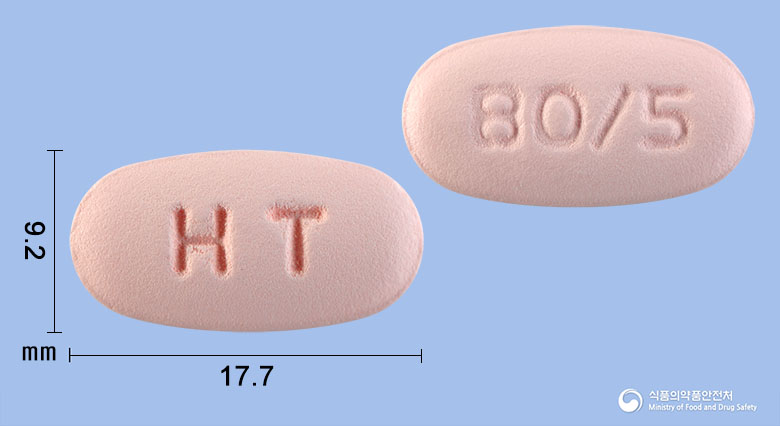
Duo Telmisartan 80/5 mg
Telmisartan 80mg · Rosuvastatin Calcium 5.2mg
Tablet · Prescription medication · Combination
HuTecs Pharmaceutical Co., Ltd.
MFDS item code 202005517 · Approved 2020.07.29 · Insurance code 649105010
(Hypertension, Hyperlipidemia) and treatment for reduction of cardiovascular disease risk
This medication is used for patients who need to take telmisartan and rosuvastatin together. Telmisartan is used for the treatment of hypertension and plays a role in reducing the risk of cardiovascular diseases, such as myocardial infarction or stroke. It particularly reduces the risk of death from cardiovascular diseases in high-risk patients. Rosuvastatin improves lipid abnormalities such as hypercholesterolemia, slows the progression of atherosclerosis, and reduces the risk of cardiovascular diseases. Additionally, it is used as an adjunct to diet in certain patients with familial hypercholesterolemia. This combination effectively helps improve cardiovascular health.
Telmisartan 1. Essential hypertension: The recommended dose for adults is 40 mg orally once daily, and may be 20 mg orally once daily depending on the patient; it may be increased up to 80 mg once daily if necessary. 2. Reduction of cardiovascular disease risk: The recommended dose for adults is 80 mg orally once daily. 3. Patients with liver dysfunction: For mild to moderate liver dysfunction, caution should be taken, and the dose does not exceed 40 mg once daily. Rosuvastatin calcium 1. Primary hypercholesterolemia (including heterozygous familial hypercholesterolemia, type IIa), combined hyperlipidemia (type IIb), primary dysbetalipoproteinemia (type III), and homozygous familial hypercholesterolemia. Patients receiving this medication should undergo a standard cholesterol-lowering diet before and during treatment, and this diet should be continued throughout the treatment period. This medication can be taken at any time of the day, regardless of meals. The initial dose is 5 mg once daily, and for those needing more LDL-cholesterol reduction, the maintenance dose can be adjusted. The maintenance dose is typically 10 mg once daily for most patients, and should be appropriately adjusted based on LDL-cholesterol levels and the patient's response at intervals of 4 weeks or more, with an increase up to 20 mg per day if necessary. 2. Elderly: No dose adjustment is necessary. 3. Renal impairment: There is no need to adjust the dose for mild to moderate renal impairment. Do not administer to patients with severe renal impairment. Special caution is required when administering 20 mg to patients with moderate renal impairment. 4. Hepatic impairment: For patients with a Child-Pugh score of 7 or less, there was no increase in systemic exposure to rosuvastatin, but increases were observed in patients with scores of 8 or 9. Renal function testing should be considered for these patients. There is no experience in administering to patients with a Child-Pugh score greater than 9. This medication should not be administered to patients with active liver disease. 5. Race: For Asian patients, there is an increased systemic exposure to this medication, so the recommended initial dose is 5 mg. Administration of 40 mg is contraindicated. 6. Patients prone to myopathy: The recommended initial dose for patients at risk of myopathy is 5 mg. For some of these patients, administration of 40 mg may be contraindicated. For patients taking both telmisartan and rosuvastatin, this medication can be converted to this combination (with the same content of the individual active ingredients) for convenience.
This medication can cause serious harm to the fetus if taken during pregnancy, especially in the second and third trimesters, so it must be discontinued immediately if pregnancy is confirmed. People who are allergic to this drug or its components, pregnant women or women of childbearing potential, and nursing mothers should not take it. Patients with severely impaired liver function or issues with bile excretion, patients with severely reduced kidney function, and patients with muscle diseases or a history of angioedema should also avoid this medication. Elderly patients, patients with high potassium levels, and patients with mildly impaired liver function must use this medication cautiously, and liver function tests and muscle condition should be monitored regularly. This medication can cause serious side effects such as myalgia or muscle weakness, and in severe cases, rhabdomyolysis involving muscle tissue destruction, so if muscle pain or weakness occurs, consult a doctor immediately. This medication can also affect liver function, so if liver enzyme levels are elevated, discontinue use and follow medical advice. There may be interactions with other medications, so it is essential to inform the doctor or pharmacist about any other medications being taken, especially when combined with potassium-sparing diuretics, lithium, diuretics, and non-steroidal anti-inflammatory drugs, as blood pressure, kidney function, and electrolyte levels need to be monitored frequently. This medication may cause dizziness or drowsiness when driving or operating machinery, so caution is advised. Keep out of reach of children and do not transfer to another container.
Hives, severe swelling, chest tightness, difficulty breathing, cold sweats, pallor, severe rash with high fever, blisters, skin peeling, oral/ocular mucosal pain, shortness of breath or difficulty breathing, asthma attacks, respiratory distress accompanied by cough and fever, skin or eye jaundice, extreme fatigue throughout the body, sudden and severe headache, thunderclap headache, seizures, confusion, vision problems, paralysis, significantly reduced urine output.
Not everyone experiences these, and they can vary from person to person.
This medication is sensitive to air and moisture, so it should be stored in a tightly closed container. The recommended storage temperature is between 1 and 30 degrees Celsius at room temperature. Proper storage will help maintain the effectiveness and safety of the medication for a long time.
Bright pink oval film-coated tablet
30 tablets/box [10 tablets/PTP×3]
Even with the same ingredient, strength, dosage form and how it is taken can differ.
Viewing nowCombinationTelmisartan 80mg · Rosuvastatin Calcium 5.2mg
Tablet · Prescription medication · Combination
HuTecs Pharmaceutical Co., Ltd.
 Combination
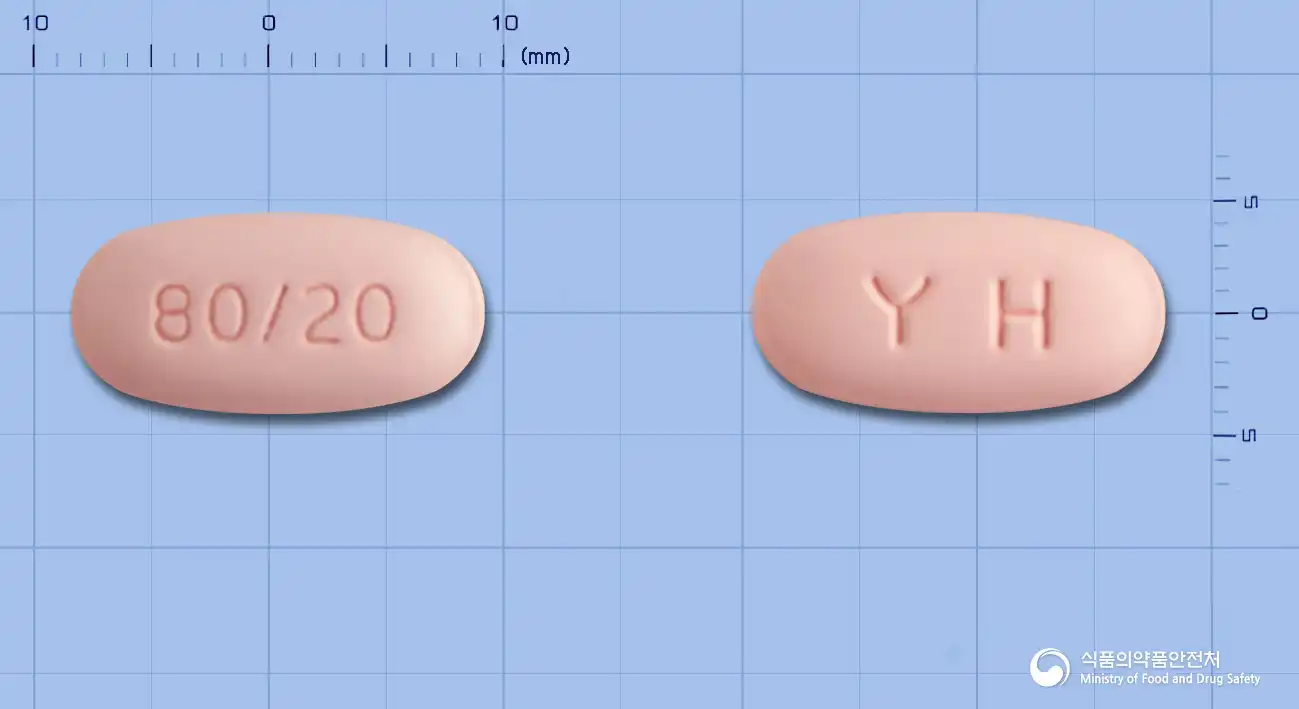
Telmisartan 80mg · Rosuvastatin Calcium 20.8mg
Tablet · Prescription medication · Combination
Yuhan Corporation.
 Combination
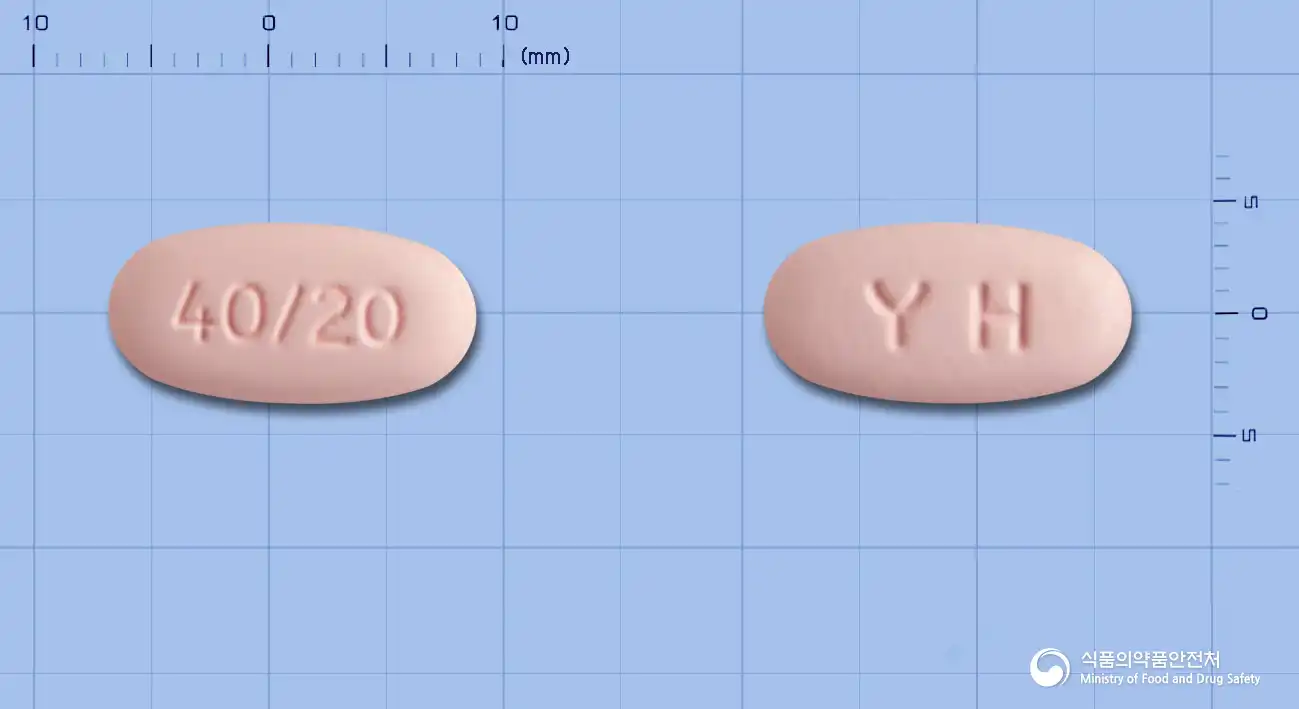
Telmisartan 40mg · Rosuvastatin Calcium 20.8mg
Tablet · Prescription medication · Combination
Yuhan Corporation
 Combination
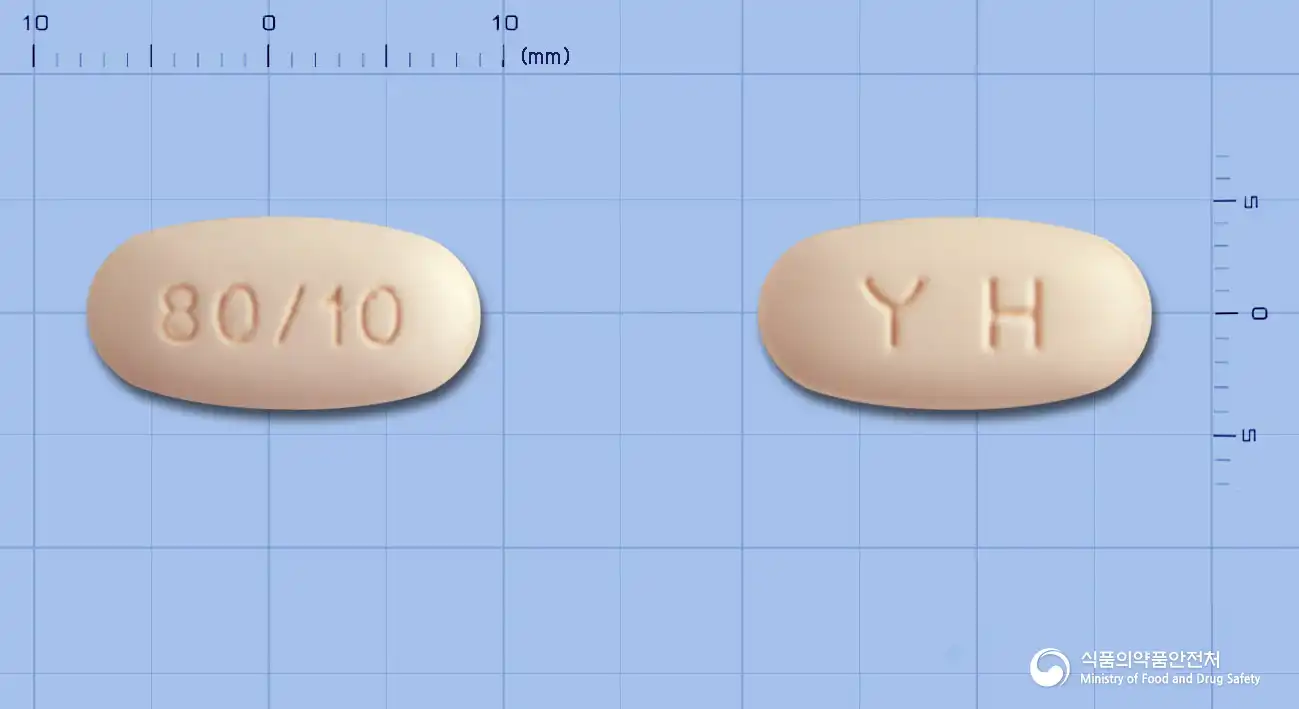
Telmisartan 80mg · Rosuvastatin Calcium 10.4mg
Tablet · Prescription medication · Combination
Yuhannanghang Co., Ltd.
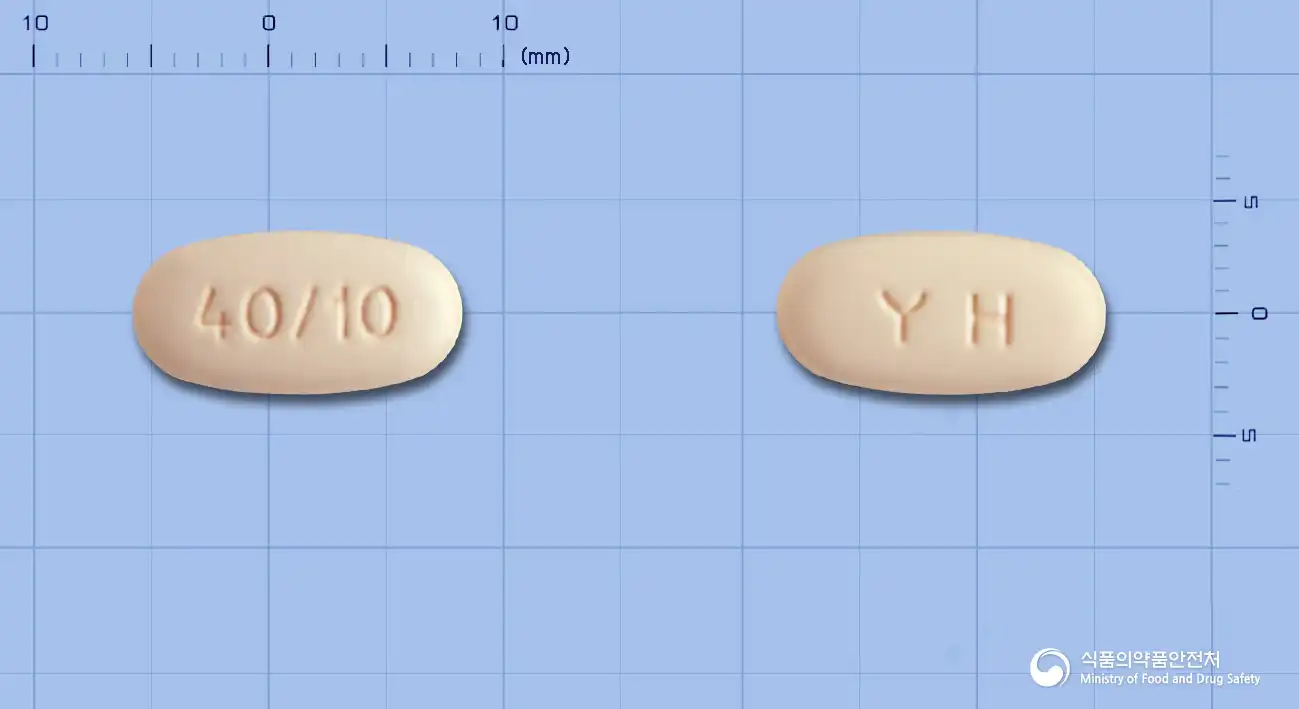 Combination
Telmisartan 40mg · Rosuvastatin Calcium 10.4mg
Tablet · Prescription medication · Combination
Yuhan Corporation Co., Ltd.
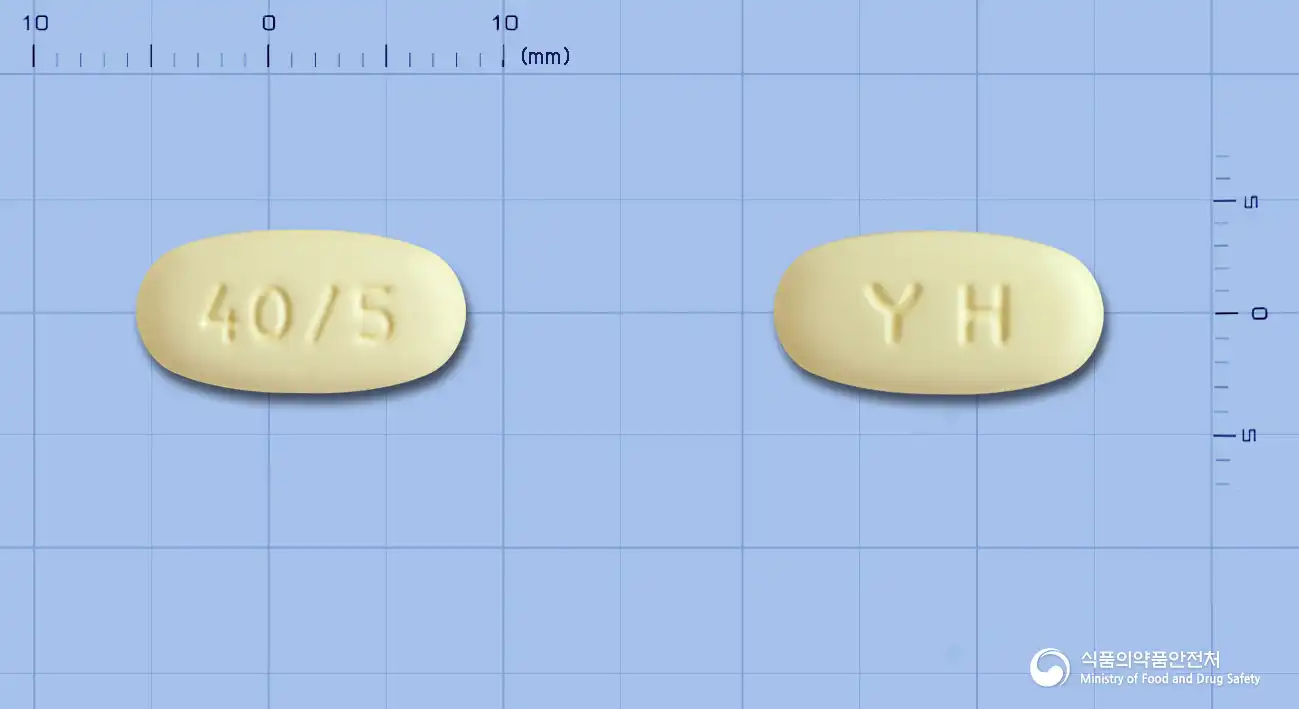 Combination
Telmisartan 40mg · Rosuvastatin Calcium 5.2mg
Tablet · Prescription medication · Combination
Yuhan Corporation
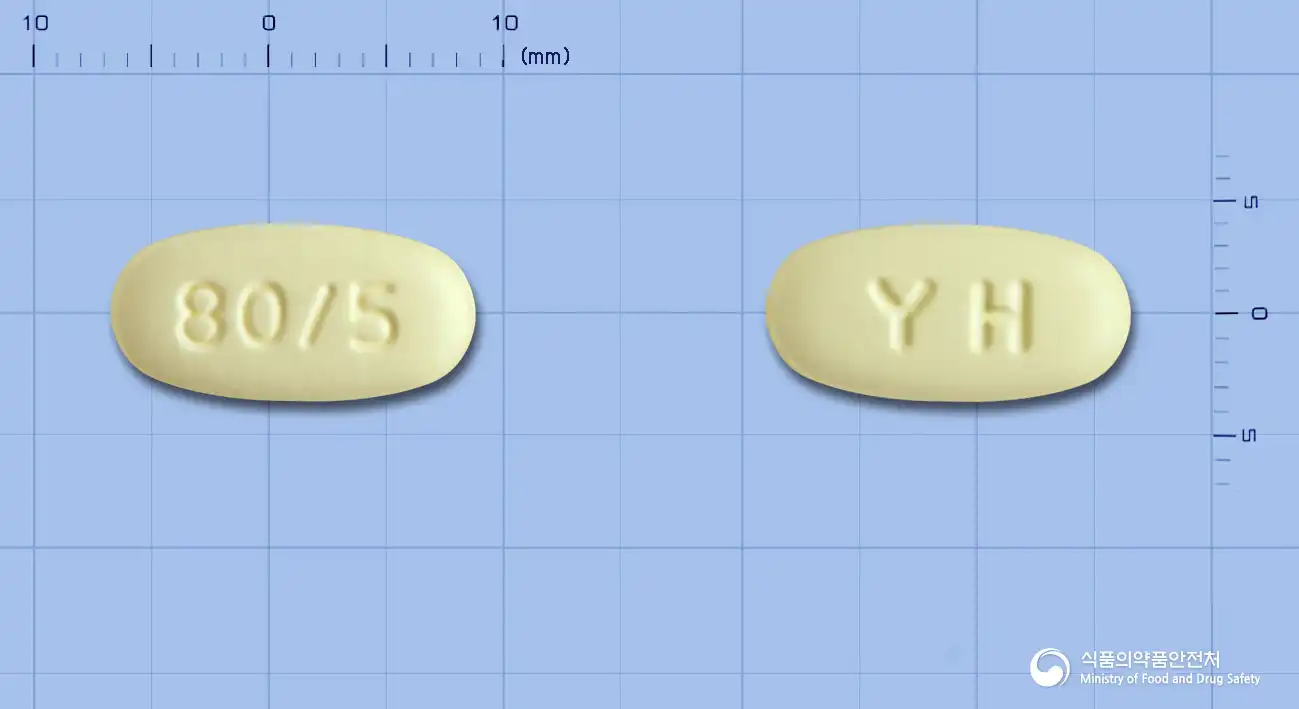 Combination
Telmisartan 80mg · Rosuvastatin Calcium 5.2mg
Tablet · Prescription medication · Combination
Yuhan Corporation
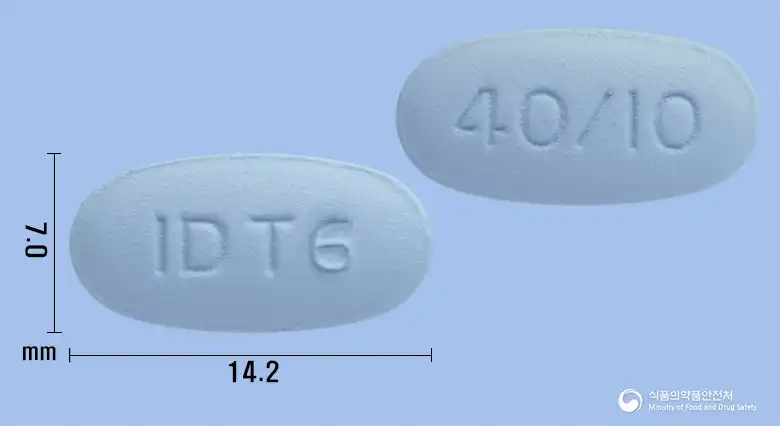 Combination
Telmisartan 40mg · Rosuvastatin Calcium 10.4mg
Tablet · Prescription medication · Combination
Ildong Pharmaceutical Co., Ltd.
Even with the same ingredient, the dose and directions can differ by strength and dosage form. Talk to a doctor or pharmacist before switching from a medication you are already taking.
No questions yet.
For anything that needs medical judgment, consult a doctor or pharmacist.
This drug information is based on data provided by the Korea Ministry of Food and Drug Safety.
Consult a doctor or pharmacist for accurate dosage, administration, and usage instructions.